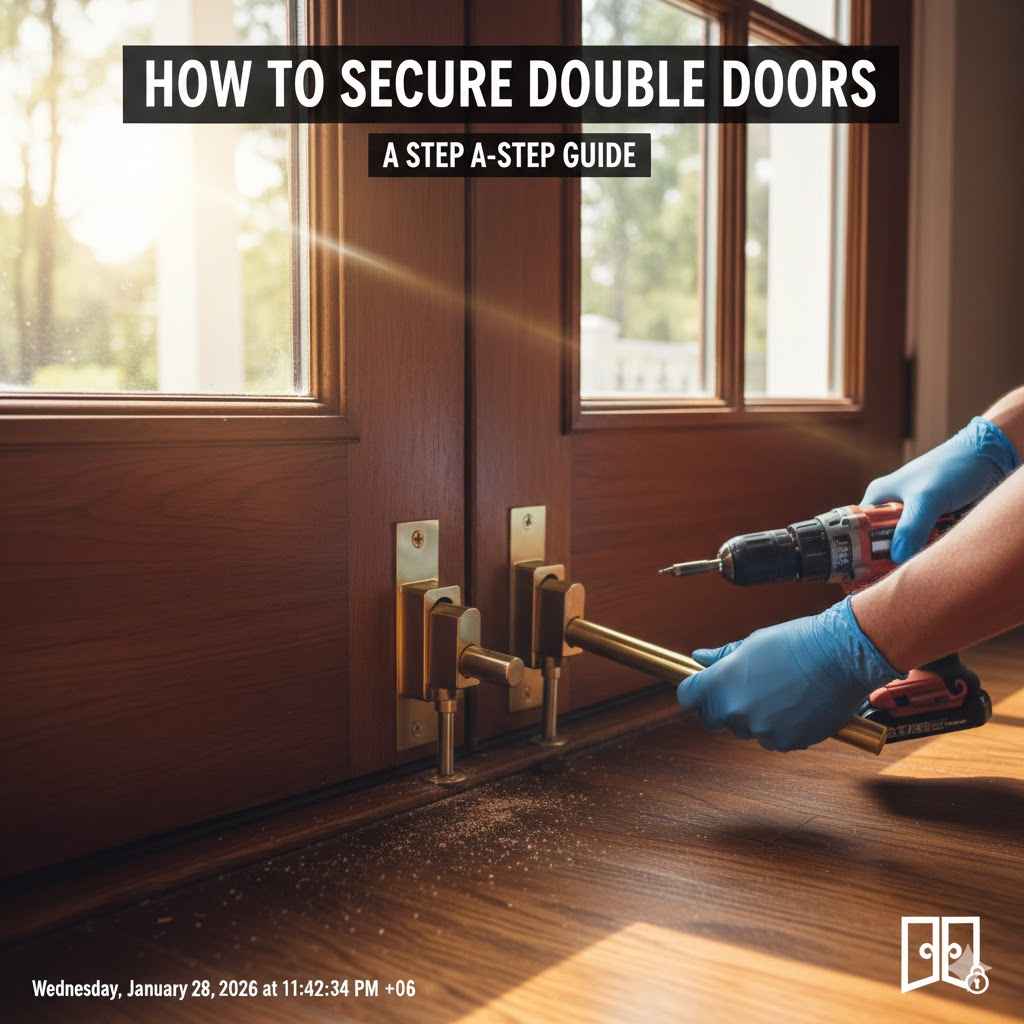
How to Secure Double Doors: A Step-by-Step Guide
Locking double doors correctly can feel tricky at first. It’s a common challenge for many homeowners and renters. Sometimes, the different parts of the door and locks seem confusing. Don’t worry, though. This guide makes it super simple! We’ll walk you through each step to make sure your double doors are as secure as possible. Let’s get started and learn How to Lock Double Doors Properly and Securely!
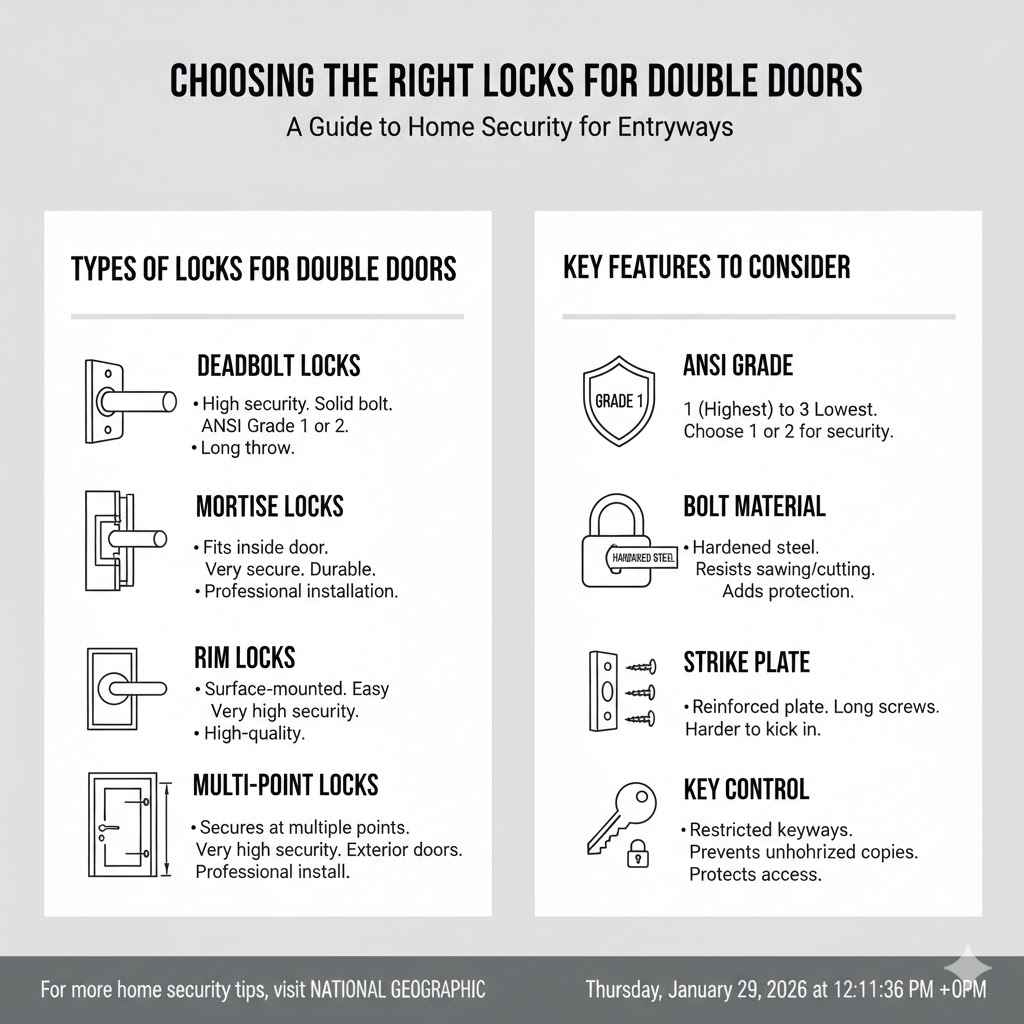
Choosing the Right Locks for Double Doors
Picking the correct locks is the first step in protecting your home. There are various types available, each offering different levels of security. You’ll want locks that are tough and work well with double doors. The right choices can make a huge difference in how safe you feel inside your home. Consider how much security you need based on where you live and your personal risk assessment. Good locks help keep unwanted people out and keep you safe.
Types of Locks for Double Doors
Several lock types are made for double doors. Some are better than others. Understanding each type will help you decide what’s best for you. Make sure to consider things like the material the door is made of and how it’s used. Also, check local building codes for any lock requirements.
Deadbolt Locks: These are among the most secure options. Deadbolts use a solid bolt that goes deep into the doorframe. They can’t be easily forced open. Double doors often need a special type of deadbolt that works on both doors, or two separate deadbolts. Make sure to get a deadbolt with a long throw. This means the bolt extends far into the doorframe for maximum security.
Deadbolt locks are known for their high level of security and are resistant to common break-in methods like lock picking and bumping. Look for deadbolts that meet or exceed ANSI Grade 1 or 2 standards. These grades show how well the locks perform under stress. This includes resistance to picking, drilling, and other attacks.
Mortise Locks: These locks fit inside the door itself, rather than on the surface. They offer great security and are durable. Mortise locks require special installation, as they need a pocket cut into the door. This can be complex, so professional installation is often recommended. But this type of installation creates a very tight, secure fit.
Mortise locks are considered very safe because of how they are built into the door. The housing is strong and the locking mechanism is usually well-protected. They’re often seen on older, high-quality doors, and they can be found in a variety of styles. This allows you to combine security with aesthetics. Maintenance is important to keep a mortise lock working well over time. This includes lubricating moving parts.
Rim Locks: Rim locks are surface-mounted and can be easy to install, making them good for quick upgrades. They are typically less secure than deadbolts. However, they can be a good choice for added security. Make sure you get high-quality rim locks.
Rim locks are a good option for people looking to quickly improve their door security. They attach to the inside of the door and can often be installed without a lot of tools. They come in many styles, and some have special features like reinforced strike plates. This makes them harder to force open. It’s important to match the rim lock’s security level with your overall security plan. This includes using them with other security measures.
Multi-Point Locks: These locks secure the door at multiple points – top, middle, and bottom. They offer very high security. They are commonly used on exterior doors because of their strength. These locking systems distribute the force of an attack across multiple points. This makes it harder for anyone to break in.
Multi-point locks are a strong choice for people looking for maximum protection. They typically have a single keyhole, making them convenient to use. The locking mechanism might include bolts that extend into the door frame and/or a top and bottom latch. Installation requires precise measurements and alignment. Always have a professional install this type of lock.
Key Features to Consider
When selecting locks, look for specific features. These features can enhance security and make it harder for someone to break in. Many choices are available on the market, so take your time to make the right choice.
ANSI Grade: Locks are tested and graded by the American National Standards Institute (ANSI). Grade 1 is the highest and most secure, and Grade 3 is the lowest. Always pick locks with a Grade 1 or 2 rating. This rating reflects the lock’s resistance to picking, drilling, and force.
The ANSI grade provides a clear indication of a lock’s quality and durability. Higher grades offer better protection against attacks. It is essential to select locks with high ratings for exterior doors. This ensures the best possible safety for you and your family.
Bolt Material: The bolt should be made of hardened steel or another strong material. This makes it more resistant to sawing or cutting. Steel bolts add extra protection.
The material of the bolt is very important for the lock’s effectiveness. Hardened steel or similar materials can withstand a lot of force. A strong bolt is essential to keep a door closed during a break-in attempt.
Strike Plate: A reinforced strike plate is important. This is the piece that the bolt goes into on the door frame. Choose a strike plate with long screws. Long screws go deeper into the frame, making the door harder to kick in.
The strike plate helps to reinforce the door frame. Reinforced plates and long screws distribute force over a larger area. This makes it harder for someone to force the door open by kicking or using a tool. They are a good addition for increasing security.
Key Control: Consider locks with restricted keyways or key control. This means that duplicate keys can’t be made without your permission. This can protect your home from unwanted access.
Key control is an important security measure. It limits who can make copies of your keys. This protects your home from unauthorized access. You can control who can enter your home by having key control.
Preparing Double Doors for New Locks
Before installing new locks, it’s important to get the doors ready. Proper preparation makes the installation process smoother and makes sure that your locks work well. Double doors may need some extra attention during the preparation. Taking the time to prepare the doors correctly improves the effectiveness of the locks. It also avoids problems later on.
Assessing the Doors
Before you start, check the condition of your doors. This will help you know what you need to do for installation. The age and condition of the doors can have an impact on the installation process.
Door Material: Find out what your doors are made of – wood, metal, or composite. Different materials need different tools and methods for installation. Wood doors are the most common.
The material of the door affects the kind of locks you can use. It also impacts how you install them. For example, installing a lock on a metal door may need specialized tools. Knowing the material helps you choose the correct locks and installation methods.
Door Alignment: Make sure the doors align correctly with the frame. If the doors aren’t aligned, the locks won’t work properly. If doors aren’t aligned, you may need to adjust the hinges or the door frame.
Proper door alignment is key to a secure locking system. If the doors don’t close properly, the bolt can’t go into the strike plate easily. This could make your home less safe and make it easier for someone to break in.
Door Frame Condition: Check the door frame for any damage. Make sure the frame is strong and solid enough to hold the new locks. Repair or reinforce the frame if needed.
A weak door frame can compromise your security, even if you have good locks. If the frame is damaged or weak, it might be easy for someone to kick the door in. Check the frame for rot, cracks, or loose screws. Repair any problems to make your doors as secure as possible.
Necessary Tools and Materials
Gather the right tools and materials to make the installation easy. Being well-prepared makes the process much more efficient. Make a list and check it twice.
Drill and Drill Bits: You’ll need a drill to make holes for the locks. Use drill bits that are the right size for your specific locks and screws. Having different sizes can be helpful.
A drill is essential for installing locks. Having the right size drill bits is very important for accurate hole placement. Consider having a variety of drill bits for different screw sizes and lock components.
Screwdrivers: You’ll need both a Phillips head and a flathead screwdriver. These are needed for installing the screws that hold the locks in place. Make sure the screwdrivers fit the screws properly.
Screwdrivers are important for securing the locks. Choose screwdrivers that fit the screw heads. This ensures the screws tighten properly without stripping them. Having both Phillips head and flathead screwdrivers gives you flexibility. This allows you to handle various types of screws.
Measuring Tape: Accuracy is key. Use a measuring tape to measure the door and frame. Measuring is especially crucial when installing locks on double doors.
A measuring tape helps to ensure that you place the locks in the correct positions. Precise measurements are important for a good fit and proper function. Be precise when taking measurements to avoid any mistakes during installation.
Chisel: If you need to recess the strike plate into the door frame, you’ll need a chisel. This is often necessary for a flush fit. A sharp chisel will make clean cuts.
A chisel is important if you want the strike plate to sit flush with the door frame. Use it to carefully remove the wood where the plate will go. This gives a professional look and adds security.
Installing Locks on Double Doors
The installation process may vary depending on the type of locks and your double doors. Always follow the manufacturer’s instructions, but the steps below are a guide to getting the job done. This section will guide you through the process step-by-step.
Installing a Deadbolt on Double Doors
Installing a deadbolt on double doors adds a layer of security. Pay close attention to each step to make sure everything lines up. This will help keep your doors secure.
Prepare the Door: Measure and mark the spot where the deadbolt will go. Drill a hole for the bolt and the cylinder. Use the template provided with the lock.
Accurate measurements are the first step. Use a template to locate the correct positions for drilling. Make sure the bolt and cylinder holes are aligned with the door frame.
Install the Bolt: Insert the deadbolt into the hole. Secure it with the screws. Ensure the bolt moves smoothly in and out of the door.
The bolt must move freely. Make sure the screws are tight but don’t over-tighten them. Check that the bolt extends fully into the door frame.
Install the Strike Plate: Close the door and mark where the bolt hits the frame. Then, install the strike plate. Make sure the screws are long and go deep into the frame.
The strike plate receives the deadbolt. A precise fit is important for the door to lock securely. If needed, use a chisel to recess the strike plate so it sits flush with the frame.
Install the Cylinder: Put the cylinder into the bolt mechanism. Secure it with the screws. Test the lock to make sure the key works smoothly.
The cylinder is the part where you insert the key. Make sure it’s properly aligned with the bolt mechanism. Test the lock several times to ensure it locks and unlocks smoothly.
Repeat for the Second Door (If Applicable): Some double door setups need two deadbolts. Install the second deadbolt following these same steps. If using a deadbolt with two bolts, make sure to align the second bolt correctly.
If your doors need two deadbolts, follow the same steps. Precise alignment is crucial for the bolts to engage properly. Check the lock functions on both doors to make sure they work together smoothly.
Installing a Mortise Lock
Mortise locks are more complex but offer high security. The installation requires more preparation because of the need to cut into the door. Consider professional installation if you’re not experienced. But if you are, follow these steps.
Prepare the
Install the Strike Plate: Close the door and mark the location of the bolt and latch on the frame. Install the strike plate. Use long screws for added security.
The strike plate must be aligned to accept the bolt and latch. The screws should be long enough to get deep into the frame. This will help with security.
Test the Lock: Test the lock repeatedly. Make sure the bolt and latch engage smoothly. Check that the key functions correctly.
Test the lock several times. Check that all the parts work together smoothly. Make any adjustments needed to ensure proper function.
Installing a Rim Lock
Rim locks are a quick option for boosting security. They’re often easier to install. However, they are generally less secure than a deadbolt or mortise lock. Follow these steps carefully.
Prepare the Door: Place the lock body on the inside of the door. Mark the positions for the screws. Make sure the lock aligns with the door frame.
Make sure the lock is placed correctly. This will help with the installation of the lock. Mark the screw positions and align with the strike plate.
Install the Lock Body: Attach the lock body to the door. Use screws that are the right size. Make sure the lock is level and secure.
Secure the lock body with screws. Use a level to make sure the lock is installed correctly. Secure it tightly to the door.
Install the Strike Plate: Close the door and mark the position of the bolt on the frame. Install the strike plate. Use long screws for extra security.
Accurate placement of the strike plate is important for security. Use long screws to anchor the strike plate in the door frame. Make sure the door closes and locks smoothly.
Test the Lock: Test the lock to make sure it works correctly. Make sure the bolt goes into the strike plate easily. Check the key function.
Test the lock several times to make sure it locks and unlocks smoothly. Make adjustments if needed. Ensure the key functions correctly.
Securing the Strike Plate
The strike plate is a key part of the locking system. It’s the part that receives the bolt. Make sure the strike plate is strong and securely attached to the door frame. Proper reinforcement makes it much harder for someone to force the door open.
Reinforcing the Strike Plate
Reinforcing the strike plate is crucial for security. It can make it much harder for intruders to break your door open by kicking it or using tools. Consider the following steps.
- Use Long Screws:Long screws are an easy way to make a big security improvement. They help the strike plate hold against force. The longer the screws, the more resistance to break-ins.
- Install a Security Strike Plate: Consider installing a security strike plate. These are made of stronger materials and often have built-in reinforcement. Some are specifically designed to resist forced entry.
- A security strike plate adds an extra layer of protection. These plates are made to withstand more force than standard ones. They’re often made of heavier-duty steel and are harder to break.
- Reinforce the Door Frame: If the door frame is weak, reinforce it with wood or metal. This will provide a solid base for the strike plate and screws. Stronger frames are important to support the locks.
- Reinforcing the frame strengthens the entire structure. This extra support is key to ensuring that the locks function correctly. You can reinforce the frame with extra wood or metal plates.
Checking for Proper Alignment
Proper alignment is key for the strike plate to work well. Misalignment can make the door hard to lock or leave it vulnerable to forced entry. Inspect your doors.
Check for Smooth Operation: After installing the strike plate, check how smoothly the door closes and locks. The bolt should enter the strike plate easily.
Smooth operation means the lock is working correctly. If the bolt sticks, the strike plate may not be aligned. Adjust the strike plate position as needed.
Adjust the Strike Plate: If the bolt doesn’t align with the strike plate, you may need to adjust its position. This could mean moving the strike plate up or down. You can use a chisel to create a better fit.
Adjusting the strike plate ensures that the door locks and unlocks easily. Small adjustments can make a big difference in the lock’s function. Make sure it lines up perfectly with the bolt.
Test the Lock Repeatedly: Lock and unlock the door several times. This makes sure everything is working correctly. It also ensures the bolt engages completely with the strike plate.
Test the lock repeatedly to check its functionality. Any problems should be fixed immediately. Test the key function as well. This will ensure your security.
Additional Security Measures
While good locks are important, other steps can improve your home’s security. Combining multiple strategies is the best approach. Consider these extra measures to boost your door’s protection.
Using a Door Reinforcement Plate
Door reinforcement plates add another layer of protection. They’re designed to protect the area around the lock. This makes it harder for someone to break the door open. These plates distribute force. This makes the door much stronger.
Installation: Install the reinforcement plate on the door surface around the lock. Make sure the plate is aligned correctly. This will help with security. Secure it with long screws.
Accurate installation is crucial for effectiveness. Use the right screws to ensure the plate is firmly attached. Align the plate carefully to protect the area around the lock.
Material: Choose plates made from high-strength steel. This material will provide the best defense against forced entry. Check to make sure the material is durable.
The material should be designed to handle a lot of force. High-strength steel provides the best protection. Make sure to use quality materials.
Benefits: Reinforcement plates add extra resistance to kicking or other forced entry methods. They can prevent the door from being easily damaged. They also enhance the overall security of the entry point.
These plates make the door much harder to kick in. They protect the door and provide added security. They are a good way to improve your safety.
Installing a Door Chain or Viewer
A door chain or viewer offers extra convenience and safety. These additions allow you to see who’s outside before you open the door. This can help to prevent unwanted entry. It is a simple way to add some extra security.
Door Chain: A door chain allows you to partially open the door. You can speak with someone without fully opening it. This gives you time to assess the situation.
A door chain is a simple tool that provides a level of security. It allows you to speak to someone without full access. This helps with your security.
Door Viewer: A door viewer (peephole) lets you see who’s outside without opening the door. It provides a clear view. This is useful for identifying visitors.
A door viewer is useful for identifying visitors before you open the door. This can help prevent surprises. It’s a quick and simple safety upgrade.
Combination: You can use both a door chain and a viewer for maximum security. Use the viewer to see who is there, and then use the chain if you choose to open the door partway.
Combining these methods is the best way to enhance your safety. Use the viewer to identify visitors. Then, use the chain to limit access as needed.
Maintaining Your Door Locks
Maintaining your door locks is just as important as installing them. Regular maintenance ensures they keep working well and provide reliable security. Take care of your locks. This will help them to last longer and function well.
Regular Lubrication
Lubricating your locks keeps them working smoothly. This is especially important in areas with cold weather or high humidity. Over time, parts can get sticky. Lubrication helps to keep them working well.
Type of Lubricant: Use a dry lubricant, like graphite or Teflon. Avoid using oil-based lubricants, as they can attract dust and dirt, leading to jams.
Dry lubricants are best for locks. Oil-based lubricants can make locks sticky. Use a lubricant designed for locks to keep them working well.
Application: Apply the lubricant to the key and insert it into the lock. Turn the key several times to distribute the lubricant. You can also spray a small amount directly into the lock.
Follow the directions on the lubricant. A little goes a long way. Make sure to get the lubricant into the moving parts for the best effect.
Frequency: Lubricate your locks at least twice a year. If you live in a harsh environment, lubricate them more often. Regular maintenance will prevent them from sticking.
Regular maintenance will keep your locks working well. The best thing is to get into the habit of doing it regularly. This will ensure your locks remain reliable.
Checking for Wear and Tear
Regularly check your locks for any signs of wear. Early detection of problems can help you avoid bigger issues later on. Look at your locks regularly.
Inspect Key Operation: The key should turn smoothly. If it sticks or is hard to turn, there might be a problem. This might mean you need to add lubrication.
A key that turns easily is a sign of a healthy lock. Problems should be addressed right away. This will prevent further damage to the lock.
Check for Loose Parts: Look for any loose screws or parts. Tighten them as needed. Loose parts can affect the lock’s function.
Tighten loose parts to prevent them from falling out. Small problems can turn into big problems. Address small problems promptly.
Examine the Strike Plate: Make sure the strike plate is secure and properly aligned. If the strike plate is loose or damaged, replace it.
A secure strike plate is essential for a good locking system. Check the condition of the plate regularly. This will improve security.
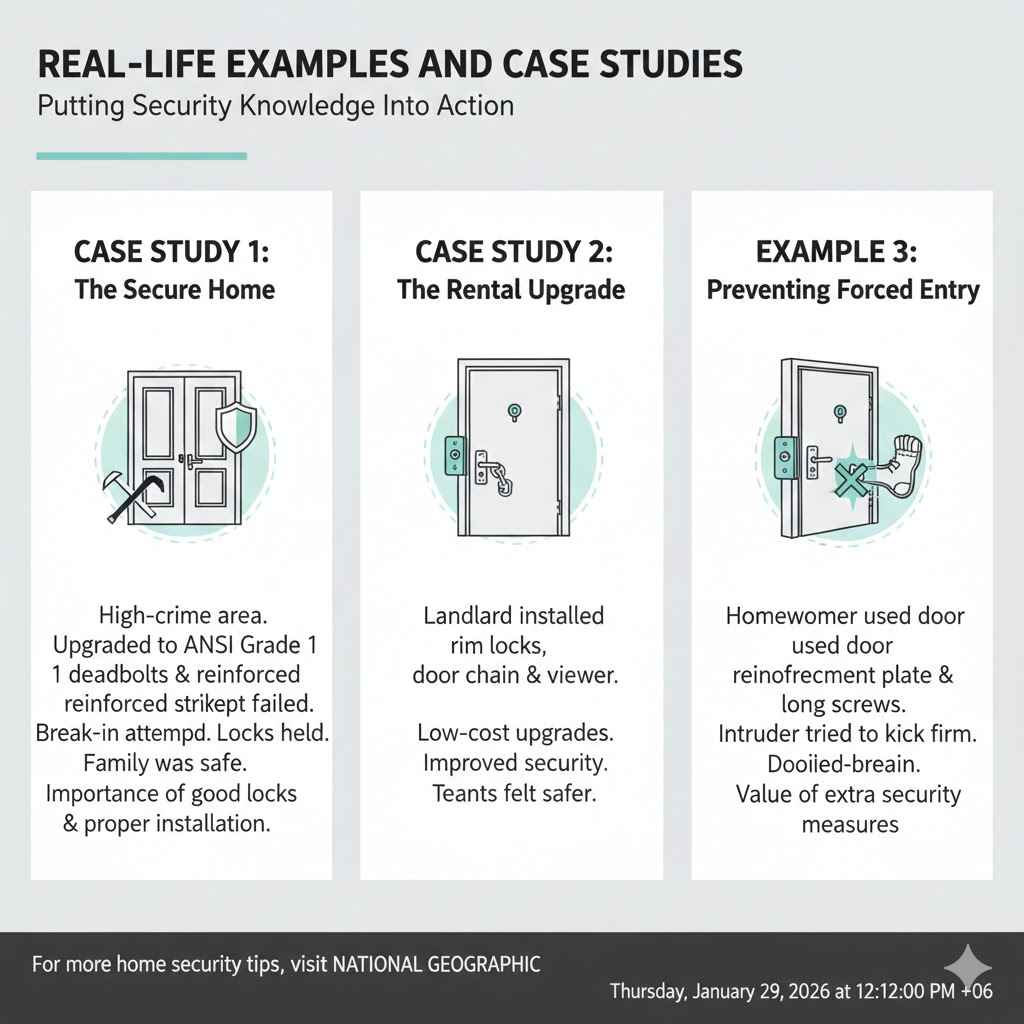
Real-Life Examples and Case Studies
Let’s look at a few examples. These will help you to better apply the information.
- Case Study 1: The Secure Home: A family living in a high-crime area upgraded their double doors. They chose ANSI Grade 1 deadbolts. They also installed reinforced strike plates. After the upgrades, there was a break-in attempt. However, the locks held. The intruders couldn’t get in. The family was safe. This showed the importance of good locks and proper installation.
- Case Study 2: The Rental Upgrade: A landlord wanted to improve the security of their rental property. They installed rim locks on the double doors. They also added a door chain and a viewer. These upgrades were low cost. They improved the security. The tenants felt safer.
- Example 3: Preventing Forced Entry: A homeowner used a door reinforcement plate and long screws on the strike plate. An intruder tried to kick in the door. The door held. The reinforcement and the long screws made it harder to break the door open. The homeowner avoided a break-in. This case demonstrates the value of extra security measures.
Frequently Asked Questions
Question: What’s the difference between a deadbolt and a latch?
Answer: A deadbolt is a strong bolt that you turn with a key or thumb turn. It goes deep into the door frame. A latch is typically spring-loaded and closes the door automatically when you push it shut. Deadbolts provide much more security than latches.
Question: How often should I lubricate my door locks?
Answer: Lubricate your door locks at least twice a year. If you live in a place with harsh weather, you may need to lubricate them more often. Regular lubrication keeps the locks working smoothly and prevents them from sticking.
Question: Can I install locks on my double doors myself, or should I hire a professional?
Answer: You can install locks yourself. But it depends on your skill. Installing deadbolts and rim locks is relatively easy for those with some DIY experience. Mortise locks are much more complex and typically require professional installation.
Question: What does ANSI Grade mean?
Answer: ANSI Grade is a rating system that shows how secure a lock is. The American National Standards Institute (ANSI) grades locks. Grade 1 is the most secure, Grade 2 is medium, and Grade 3 is the least secure. Choose Grade 1 or 2 locks for your home’s security.
Question: My double doors don’t close evenly. What can I do?
Answer: Check the hinges. Tighten loose screws or
Final Thoughts
Securing your double doors properly is a smart step to protect your home. You’ve now learned how to choose the right locks, prepare your doors, and install the locks securely. Remember to prioritize your security needs. Always select high-quality locks, reinforce the strike plates, and consider extra measures like door chains or viewers. Regularly check your locks. Keep them working well with lubrication and maintenance. By following these easy steps, you can create a safer home. You’ve got this!