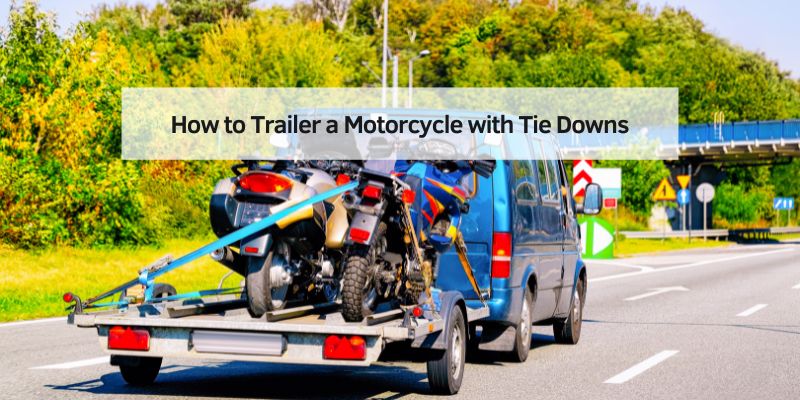
How to Trailer a Motorcycle with Tie Downs
I love hitting the open road on my motorcycle. But sometimes, I need to trailer my bike to a rally or repair shop. Trailering a motorcycle with tie downs is an easy way to keep your bike safe during transport. Whether you’re a new rider or a seasoned pro, this guide will show you how to do it right. I’ll share simple steps, personal tips, and safety advice based on my years of trailering bikes across the USA. You’ll learn what tools you need, how to secure your bike, and mistakes to avoid. Let’s get started!
What Does Trailering a Motorcycle with Tie Downs Mean?
Trailering a motorcycle means hauling it on a trailer or truck bed. Tie downs are strong straps that hold your bike in place so it doesn’t tip over or slide. This is important because a loose bike can get damaged or cause accidents. I once saw a friend’s bike shift on a trailer because he used weak straps. It scratched his paint and dented the frame. Using tie downs correctly keeps your bike safe and gives you peace of mind.
Why Use Tie Downs for Your Motorcycle?
Tie downs keep your bike steady during bumps or sharp turns. They stop it from falling or moving. Without them, your bike could tip over and get wrecked. Tie downs are cheap, easy to use, and work for all kinds of bikes, like dirt bikes or heavy cruisers. They also let you travel long distances without worrying about your bike.
Tools You Need to Trailer a Motorcycle
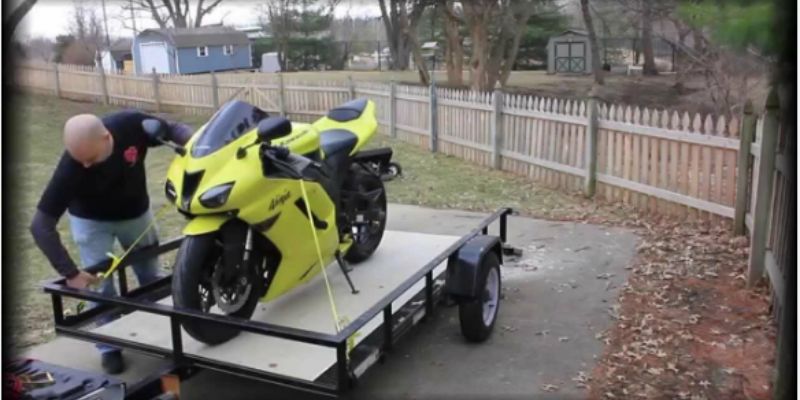
You don’t need fancy gear to trailer your bike. Here’s what I use to keep things simple and safe:
- Wheel chock: A metal or plastic brace that holds the front wheel. It stops the bike from rolling.
- Tie-down straps: Strong straps with hooks or loops. I prefer ratchet straps for tight holds.
- Soft loops: These protect your bike’s frame from scratches.
- Ramp: A sturdy ramp helps you roll the bike onto the trailer.
- D-rings or anchor points: These are spots on the trailer to hook straps.
Table 1: Tools and Estimated Costs
Caption: Basic tools for trailering a motorcycle and their typical prices.
| Tool | Purpose | Estimated Cost |
|---|---|---|
| Wheel Chock | Holds front wheel steady | $30–$100 |
| Ratchet Straps | Secures bike to trailer | $10–$30 (set) |
| Soft Loops | Protects bike from scratches | $5–$15 (set) |
| Ramp | Loads bike onto trailer | $50–$150 |
Visual Idea: A simple diagram showing a wheel chock holding the front tire, with labeled tie-down straps attached to the bike’s frame.
Step-by-Step Guide: How to Trailer a Motorcycle with Tie Downs
Here’s my easy method for securing a motorcycle. I’ve used it for my dirt bike and my friend’s heavy Harley. Follow these steps to keep your bike safe.
Step 1: Set Up Your Trailer
Park your trailer on flat ground. Make sure it’s hooked to your vehicle securely. Bolt or strap a wheel chock to the trailer’s front. I once forgot to check the trailer hitch, and it wobbled during a test drive. Always double-check!
Step 2: Load the Motorcycle
Use a sturdy ramp to roll your bike onto the trailer. Push it slowly or ride it up in low gear. Place the front wheel in the wheel chock until it clicks. Keep the bike upright. Don’t lower the kickstand yet—it can get in the way.
Step 3: Attach Front Tie Downs
Loop soft loops around the bike’s front fork tubes or frame, above the suspension. Hook ratchet straps to the soft loops and trailer’s D-rings. Tighten the straps until the front suspension compresses slightly. This keeps the bike steady but doesn’t stress the forks.
Step 4: Secure the Rear
Wrap a soft loop around the rear frame or swingarm. Attach a ratchet strap to the loop and a trailer anchor point. Tighten it to keep the rear wheel from bouncing. I add a second strap on the other side for extra safety.
Step 5: Check Everything
Shake the bike gently. It should feel solid, with no wobbling. Check all straps for slack. Drive around the block to test the setup. Stop and re-tighten if anything feels loose.
5 Key Steps for Safe Trailering
- Park trailer on flat ground and secure it.
- Load bike into wheel chock using a ramp.
- Use soft loops and straps on front fork tubes.
- Secure rear frame with straps to stop bouncing.
- Test setup with a short drive and check straps.
Visual Idea: A labeled sketch showing strap angles (45 degrees) from the bike to trailer anchor points.
Ratchet Straps vs. Cam Buckle Straps
You can use ratchet or cam buckle straps to secure your bike. Ratchet straps are stronger and easier to tighten. But they can over-tighten and harm your suspension. Cam buckle straps are lighter and simpler but may loosen on bumpy roads. I prefer ratchet straps for long trips and cam buckles for short ones.
Table 2: Ratchet Straps vs. Cam Buckle Straps
Caption: Comparing two common tie-down strap types for trailering.
| Feature | Ratchet Straps | Cam Buckle Straps |
|---|---|---|
| Strength | Very strong | Moderate strength |
| Ease of Use | Easy to tighten | Very easy to use |
| Risk | Can over-tighten | May loosen on bumps |
| Cost | $10–$30 (set) | $8–$20 (set) |
Benefits of Trailering with Tie Downs
Tie downs are cheap and work for any bike. They’re easy to carry and store. You can adjust them to fit different trailers or trucks. They keep your bike safe, even on rough roads. I’ve trailered my bike 500 miles with no issues using good straps.
Drawbacks to Watch For
Tie downs can wear out or fray. Check them before each trip. Over-tightening can damage your bike’s suspension. Loose straps can let the bike shift. I once used old straps, and one snapped mid-trip. Luckily, I had extras to fix it.
Common Mistakes to Avoid
Here are mistakes I’ve made or seen others make:
- Using weak straps: Cheap straps can break. Buy high-quality ones.
- Tying to handlebars: This can bend them. Use the frame or forks instead.
- Skipping the wheel chock: Without it, the bike can roll.
- Not checking straps: Always stop to check for looseness during travel.
Table 3: Common Mistakes and Fixes
Caption: Avoid these errors when trailering your motorcycle.
| Mistake | Fix |
|---|---|
| Using weak straps | Buy heavy-duty ratchet straps |
| Tying to handlebars | Use frame or fork tubes |
| No wheel chock | Install a chock or use a block |
| Not checking straps | Stop every hour to inspect |
My Personal Tips for Trailering Success
After years of trailering, here are my top tips:
- Use soft loops: They protect your bike’s paint.
- Carry extras: I always pack two extra straps.
- Test your setup: Drive a short loop to check stability.
- Pad sharp edges: Wrap trailer edges with rags to avoid strap wear.
- Check weather: Wet roads can loosen straps, so tighten extra.
Visual Idea: A photo of a trailer with a bike secured, showing soft loops and strap placement.
Safety Advice for Trailering
Always put safety first. Wear gloves when tightening straps to avoid cuts. Don’t ride a hot bike onto the trailer—it can burn you. Check your trailer’s weight limit. My friend once overloaded his trailer, and it damaged his truck’s suspension. For more safety tips, visit Motorcycle Safety Foundation.
Cost-Saving Ideas
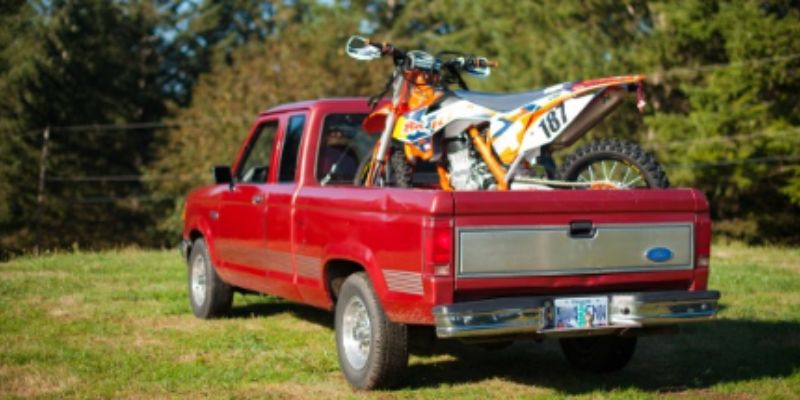
Trailering doesn’t have to be expensive. Buy straps in sets to save money. Check Harbor Freight for affordable wheel chocks. Use a wooden block as a cheap chock substitute. Rent a trailer from U-Haul if you don’t own one.
Conclusion
Trailering a motorcycle with tie downs is simple if you follow the right steps. Use a wheel chock, strong straps, and soft loops to keep your bike safe. Check your setup and avoid common mistakes like weak straps or tying to handlebars. With practice, you’ll feel confident hauling your bike anywhere. Try trailering your bike for a short trip to get the hang of it. Share your tips or stories in the comments—I’d love to hear them!
Frequently Asked Questions
How Many Tie Downs Should I Use?
Use at least four tie downs: two in front and two in back. This keeps your bike steady. For heavy bikes, add two more in front for extra security. Always use strong straps and check them for wear before each trip.
Can I Trailer Without a Wheel Chock?
Yes, but it’s risky. A wheel chock keeps the front wheel from rolling. Without one, use a wooden block or brick. Secure the bike with extra straps to stop movement. A chock is safer, so I recommend getting one.
What Are Soft Loops, and Why Use Them?
Soft loops are fabric straps that protect your bike’s frame. They stop scratches from metal hooks. Loop them around the frame or forks before attaching tie downs. They’re cheap and make a big difference.
How Tight Should Tie Downs Be?
Tighten straps until the bike’s front suspension compresses slightly. The bike should feel solid when you shake it. Don’t over-tighten—it can harm the suspension. Check straps during stops to ensure they’re snug.
Can I Use Rope Instead of Straps?
Rope isn’t strong enough for trailering. It can stretch or break. Use ratchet or cam buckle straps designed for motorcycles. They’re safer and easier to tighten. Invest in good straps for peace of mind.
What’s the Best Trailer for Motorcycles?
A small, open trailer works well for one bike. For two bikes, use a double motorcycle trailer. Check the trailer’s weight limit. U-Haul rentals are great for occasional use. Pick one that fits your bike’s size.
How Do I Know If My Bike Is Secure?
Shake the bike gently after tying it down. It shouldn’t wobble or shift. Drive a short distance and check straps for slack. If anything feels loose, tighten the straps and test again.