How to Unlock an Emtek Door Knob Easily
Sometimes door knobs can be a little tricky, especially if you’re not used to them. An Emtek door knob might seem confusing at first if it’s locked and you don’t have the key. Many people find this a common problem when they’re trying to get back into a room quickly.
Don’t worry, though! We’ll show you a simple, step-by-step way to get that Emtek door knob unlocked. Follow along, and you’ll see how easy it can be.
Understanding Emtek Door Knob Mechanisms
Emtek door knobs are known for their style and quality. They use different locking mechanisms, but most are quite straightforward once you know what to look for. This section will help you understand how these knobs work so you can easily unlock them when needed.
We will cover the most common types of locks found on Emtek knobs.
Internal Locking Systems
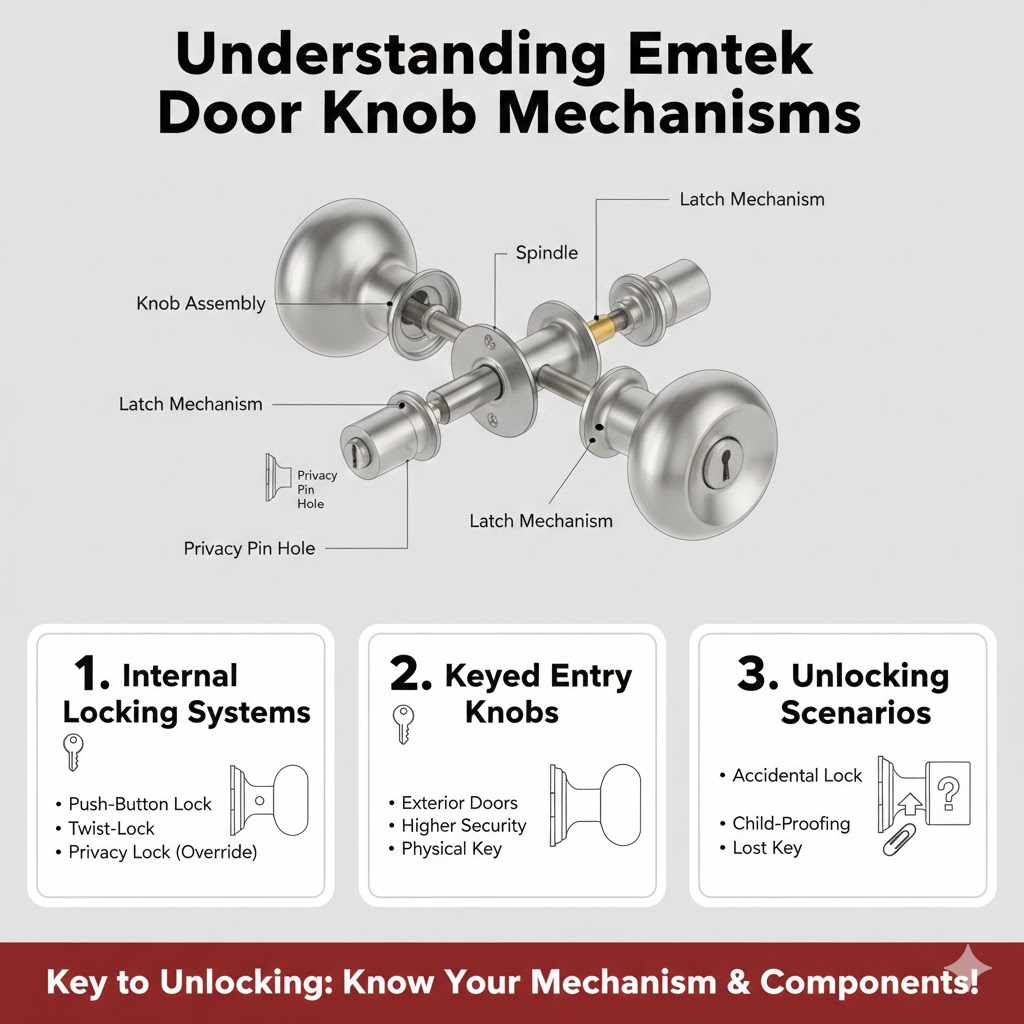
Most interior Emtek door knobs have a simple push-button or twist-lock mechanism. These are designed for privacy and are usually easy to override. The inside of the knob has a small slot or hole.
This slot is key to unlocking it from the outside if it gets accidentally locked.
The push-button lock is common on bedroom and bathroom doors. You push the button on the inside knob to lock it. The twist-lock has a small knob or lever on the inside that you turn.
Both are designed for quick locking and unlocking by someone in the room.
Keyed Entry Knobs
Some Emtek knobs, especially those used on exterior doors or for higher security, are keyed entry. These require a physical key to lock and unlock from either side. The locking cylinder is a standard feature.
It’s designed to accept a specific key.
These keyed knobs offer more security. They prevent unauthorized access. Understanding the difference between privacy locks and keyed locks is the first step in knowing how to handle a locked knob.
Understanding Door Knob Components
A typical Emtek door knob consists of several parts. There’s the knob itself, the spindle that connects the two knobs, the latch mechanism, and the strike plate on the door frame. For locking, there’s usually an internal mechanism within the knob assembly.
This mechanism engages or disengages the latch.
Knowing these parts helps. It lets you see how the lock works. It also shows where to look for the unlocking features.
Common Locking Scenarios
People often encounter locked Emtek knobs when a door is accidentally shut with the lock engaged. This can happen if a child presses the button on the inside. Or, if someone turns the privacy knob without realizing it.
For keyed knobs, the issue is usually a lost key.
These are normal situations. They don’t mean the knob is broken. They just require a specific way to open it without the key.
How to Unlock an Emtek Door Knob Easily With a Small Tool
When your Emtek door knob is locked, and you can’t find the key or the button is stuck, don’t panic. There are simple methods to unlock it. These often involve using common household items.
This guide will walk you through the most effective ways to handle these situations.
Using a Paperclip or Thin Wire
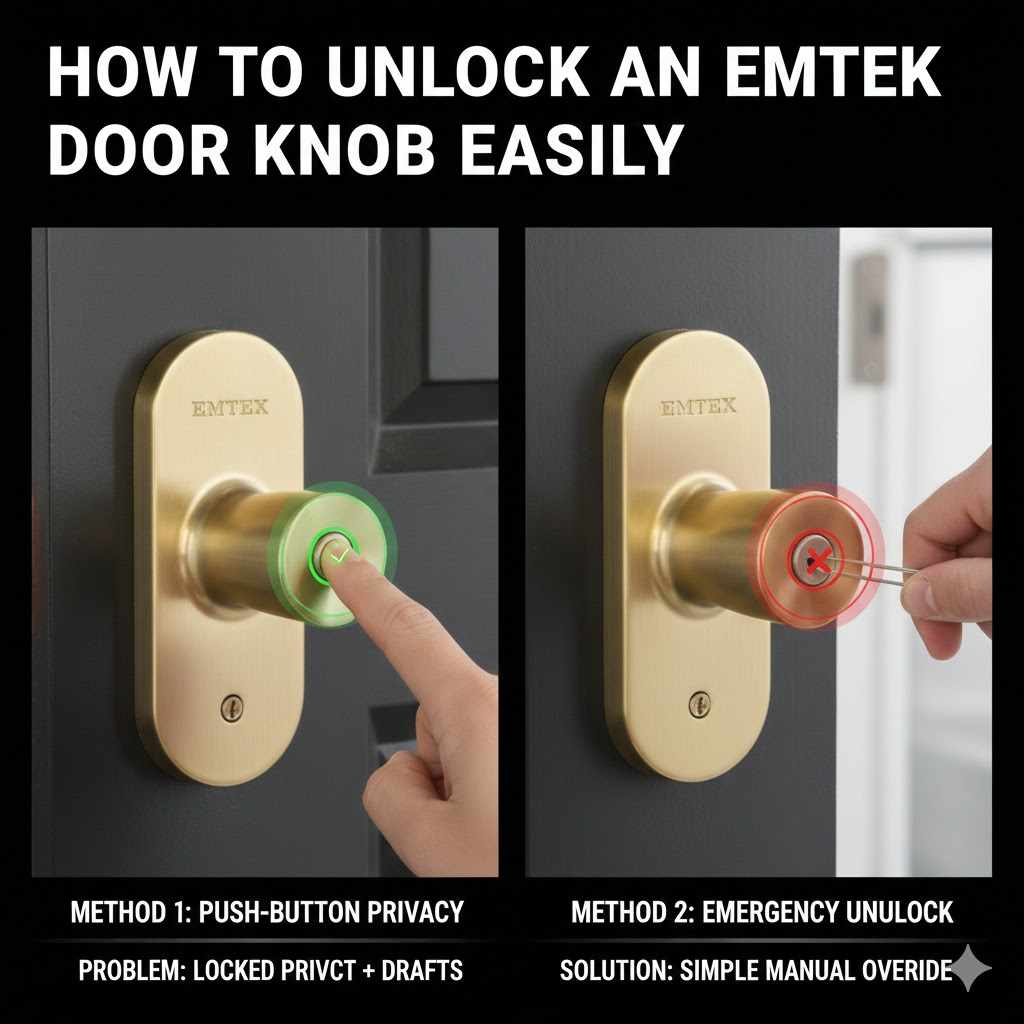
For privacy knobs with a push-button or twist-lock, a paperclip is often the best tool. Straighten out a paperclip, leaving a small hook at one end. Find the small hole on the outside of the doorknob.
This hole is usually centered.
Insert the straightened end of the paperclip into this hole. Push it in firmly. You should feel a slight click or resistance.
This indicates you’ve engaged the release mechanism. Gently turn the doorknob. The door should now open.
How the Paperclip Method Works
The small hole on the exterior knob is a manual override. It allows someone outside the room to unlock the door in emergencies. Inside the knob, there’s a small plunger or lever connected to the locking mechanism.
The paperclip is thin enough to reach this plunger.
When you push the paperclip in, it depresses this plunger. This action disengages the lock. It’s like using a tiny key for a specific purpose.
This method is designed by Emtek for simple emergency access.
Step-by-Step Paperclip Unlock
- Find a sturdy paperclip.
- Straighten the paperclip completely.
- Bend a small hook at one end of the paperclip.
- Locate the small hole on the exterior side of the Emtek doorknob.
- Insert the straightened end of the paperclip into the hole.
- Push the paperclip firmly until you feel it move a locking pin or mechanism.
- While keeping pressure on the paperclip, try to turn the doorknob.
- If it doesn’t open, adjust the angle or pressure of the paperclip and try again.
Using a Credit Card or Thin Plastic
This method is best for doors where the latch isn’t fully engaged or if the door isn’t tightly shut. It works by trying to slide the latch back. Take a sturdy plastic card, like a library card or credit card.
Slide the card into the gap between the door and the door frame. Aim for the latch bolt. Angle the card slightly.
Push and wiggle the card while applying pressure to the door. The goal is to push the angled part of the latch bolt back into the door.
How the Card Method Works
Most door latches have a beveled edge. This edge is designed to slide into the strike plate when the door closes. If the door is not fully closed, or if the latch isn’t completely seated, a thin, flexible card can sometimes slip between the door and the frame.
By pushing and wiggling the card, you can exert pressure on this beveled edge. You are essentially trying to force the latch bolt back into the door. This frees the door from the strike plate, allowing it to open.
It’s a common trick for many types of door latches.
Sample Scenario Card Unlock
- The door to your closet is slightly ajar.
- You realize the inside knob is locked, but you don’t have a key.
- You grab an old loyalty card.
- You slide the card into the gap between the door and the frame, near the latch.
- You wiggle the card and push gently on the door.
- After a few tries, the latch slides back, and the door opens.
Specialized Emtek Tools
While paperclips and cards are DIY solutions, Emtek also offers specific tools for certain applications. For instance, some higher-end Emtek locks might have a more complex internal mechanism. In such cases, a small, flat-head screwdriver might be more effective than a paperclip.
Always check the specific model of your Emtek door knob. The manufacturer’s website or the original packaging might provide details on how to override the lock. If you frequently deal with locked doors, consider investing in a basic locksmith toolkit.
This can be very helpful.
Troubleshooting Common Emtek Door Knob Issues
Even when you know how to unlock an Emtek door knob, you might run into other problems. Sometimes the mechanism feels stuck, or the override hole doesn’t seem to work. Here, we’ll discuss common issues and how to fix them.
When the Override Hole Doesn’t Work
If the paperclip method doesn’t work, several things might be happening. The locking mechanism might be jammed. Or, you might not be pushing the override pin correctly.
Ensure you are pushing straight into the hole.
Try a slightly different angle or more pressure. If it still doesn’t budge, the internal components might be damaged or misaligned. In rare cases, the small hole might be blocked by debris.
You can try cleaning it gently with a thin wire.
Possible Causes for Override Failure
- Misaligned Mechanism: The internal parts of the lock might not be aligned correctly. This can happen due to wear and tear or if the door has shifted.
- Debris in the Hole: Dust, dirt, or small objects can get lodged in the override hole. This prevents the tool from reaching the release pin.
- Damaged Override Pin: The pin itself could be broken or bent. This would mean the paperclip cannot engage it.
- Incorrect Tool Insertion: The tool might not be inserted far enough or at the right angle to push the pin.
Dealing with Stiff or Stuck Knobs
Sometimes the knob itself feels stiff. It might be hard to turn even when unlocked. This is often due to a lack of lubrication or corrosion.
You can try applying a small amount of lubricant. Penetrating oil or graphite lubricant are good choices.
Spray a small amount into the mechanism. Work the knob back and forth. This helps distribute the lubricant.
If the knob is very stiff, it might indicate a more serious internal issue with the spindle or latch.
Lubrication Tips for Emtek Knobs
Use a lubricant sparingly. Too much can attract dirt. Graphite powder is often recommended for locks because it doesn’t attract dust.
Apply it directly into the keyhole or around the knob spindle.
Work the knob for a few minutes after applying the lubricant. This helps it spread throughout the mechanism. If the stiffness persists, you might need to remove the knob for closer inspection.
When the Latch Won’t Retract
A latch that won’t retract means the door is stuck shut. This can happen if the latch bolt is bent or if the strike plate is misaligned. First, check if the knob turns freely.
If it does, the problem is likely with the latch or strike plate.
Try gently pushing or pulling the door while turning the knob. This can sometimes free a slightly stuck latch. If this doesn’t work, the strike plate might need adjustment.
You may need to file the opening slightly larger.
Statistics on Door Lock Issues
According to home maintenance reports, about 15% of household lock issues are related to sticky latches or stiff knobs that can be resolved with lubrication or minor adjustments. About 5% involve accidental lockouts requiring override tools.
Many simple lock problems are fixed by homeowners themselves. This saves on professional locksmith fees. For example, a study showed that 80% of users who tried the paperclip method for privacy locks successfully opened their doors without help.
When to Call a Professional Locksmith
While many Emtek door knob issues are simple to fix, some situations require expert help. If you’ve tried the above methods and are still locked out, or if you suspect damage, it’s time to call a professional.
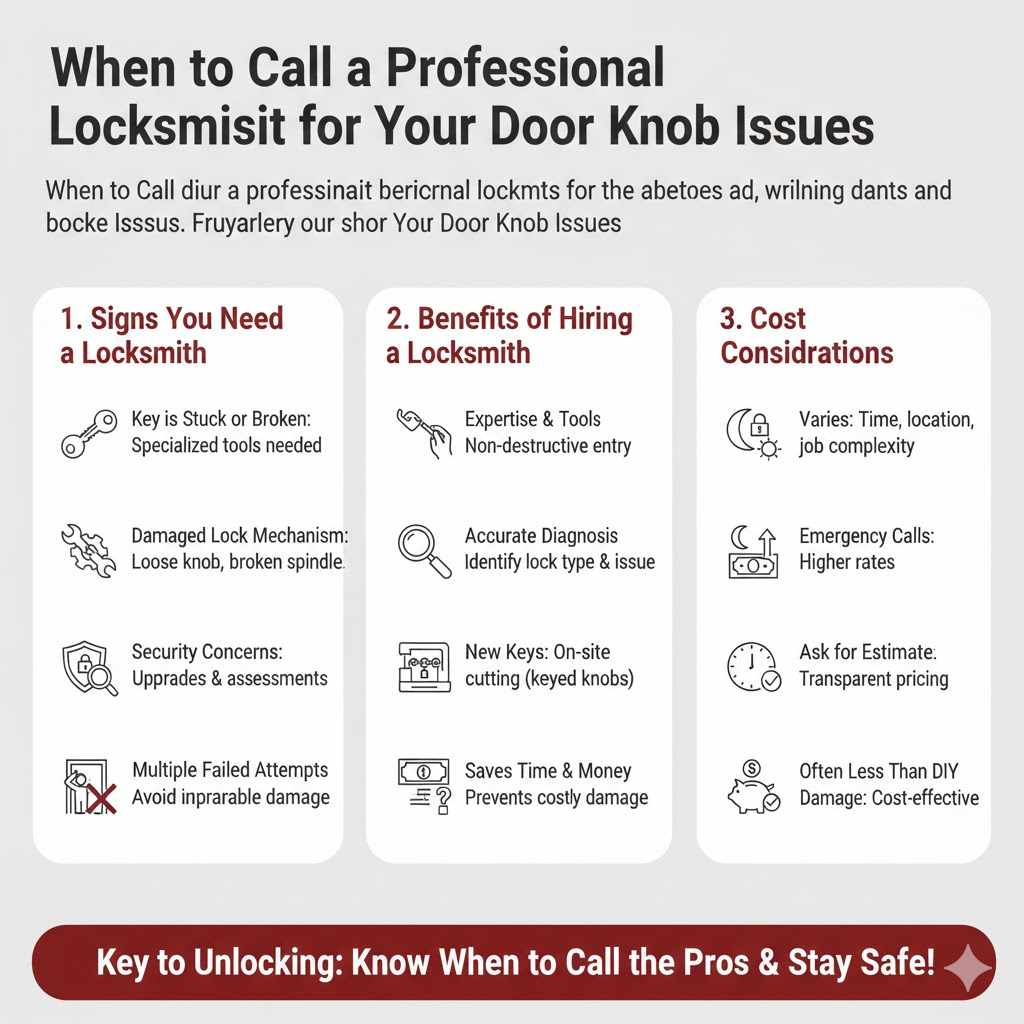
Signs You Need a Locksmith
- Key is Stuck or Broken: If your key is stuck in the lock or has broken off, do not try to force it. This can cause more damage to the cylinder. A locksmith has specialized tools to remove broken keys.
- Damaged Lock Mechanism: If the knob feels loose, the spindle is damaged, or the entire mechanism seems broken, a locksmith can diagnose the issue. They can tell you if it needs repair or replacement.
- Security Concerns: If you are worried about a lock’s security or if you have recently had a security breach, a locksmith can help assess and upgrade your locks.
- Multiple Failed Attempts: If you’ve tried various DIY methods and are still unable to unlock the door, continued attempts might cause irreparable damage. It is better to stop and call for help.
Benefits of Hiring a Locksmith
A professional locksmith has the experience and tools to handle almost any lock situation. They can often unlock your door quickly and without damaging it. This saves you time and potential repair costs.
Locksmiths are also trained to identify the specific type of lock and its mechanism. This allows them to use the most effective and least destructive method for unlocking it. For keyed Emtek knobs, they can also cut new keys if yours are lost.
Cost Considerations
The cost of a locksmith can vary depending on the time of day, your location, and the complexity of the job. Emergency calls outside of business hours usually cost more. However, the cost is often less than repairing a damaged door or lock that you tried to fix yourself incorrectly.
Always ask for an estimate upfront. This helps you understand the expected charges before the work begins. Most locksmiths provide transparent pricing.
Frequently Asked Questions
Question: How do I reset an Emtek privacy knob if it’s stuck?
Answer: If your Emtek privacy knob is stuck, try using a straightened paperclip or a thin wire inserted into the small hole on the exterior knob. Push firmly until you feel it release the lock. Then, try turning the knob.
Question: Can I use WD-40 on my Emtek door knob?
Answer: While WD-40 can help with some sticking issues, it’s not ideal for long-term lock lubrication as it can attract dust. A graphite-based lubricant or a silicone spray is usually a better choice for door knob mechanisms.
Question: What if I lost the key to my Emtek keyed entry knob?
Answer: If you’ve lost the key to your Emtek keyed entry knob, you will likely need to call a locksmith. They can either pick the lock to open it or re-key the cylinder to a new key. In some cases, if it’s an exterior door, they may need to replace the entire knob.
Question: How can I tell if my Emtek knob is a privacy lock or a keyed entry?
Answer: Privacy locks typically have a small hole or slot on the exterior side for emergency unlocking, and a push-button or twist-lock on the interior. Keyed entry knobs have a keyhole on both sides or one side, and use a physical key to operate.
Question: Is it safe to use a credit card to unlock a door?
Answer: Using a credit card to unlock a door is generally safe for non-deadbolted latches, especially if the door is not fully closed. It’s a method of last resort and works best on simpler latches. It won’t work on a deadbolt.
Summary
Learning how to unlock an Emtek door knob easily is a useful skill. Most privacy knobs can be opened with a simple tool like a paperclip. For keyed knobs, a locksmith is often the best solution if you lose your key.
Remember to identify your knob type and try the appropriate method. Keep basic tools handy for quick fixes.