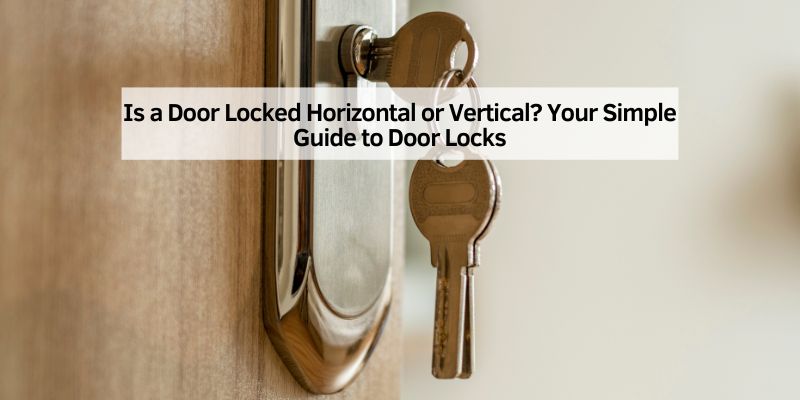
Is a Door Locked Horizontal or Vertical? Your Simple Guide to Door Locks
When I moved into my first apartment, I spent ten minutes jiggling the front door lock, wondering if it was locked or not. The thumb latch was vertical, but was that locked or unlocked? It’s a simple question that can drive you nuts! If you’ve ever asked, “Is a door locked horizontal or vertical?” you’re not alone. This article will clear up the confusion with easy explanations, fun examples, and tips from my own lock-fiddling adventures. Whether you’re a beginner, a homeowner, or a lock enthusiast, I’ll walk you through what you need to know in plain English. Let’s dive in and make door locks as clear as day!
What Does “Is a Door Locked Horizontal or Vertical” Mean?
The question “Is a door locked horizontal or vertical?” is about the position of a door lock’s thumb latch or key slot. When you turn the latch or key, it’s either horizontal (sideways) or vertical (up and down). But which position means the door is locked? It’s confusing because there’s no universal rule! Some locks are horizontal when locked, others are vertical. It depends on the lock’s brand, design, and how it’s installed. Knowing this helps you lock your door with confidence and avoid those “Did I lock it?” moments.
Why Does Lock Orientation Matter?
Lock orientation matters because it tells you if your door is secure. A clear signal (horizontal or vertical) helps you know at a glance if the door is locked. This is super helpful for kids, seniors, or anyone who wants peace of mind. For example, my grandma always checks her deadbolt to make sure it’s horizontal—she says it feels like a “bar across the door.” Plus, understanding lock orientation can save you from breaking a lock by forcing it the wrong way!
Common Lock Types and Their Orientation
Let’s break down the main types of door locks you’ll find in homes. Each works a bit differently, and their orientation varies.
Deadbolts
Deadbolts are the sturdy locks above your door knob. They often have a thumb latch inside and a key slot outside. Most deadbolts are horizontal when locked, like a bar blocking the door. But some brands, like Kwikset, use vertical for locked. My first deadbolt was a Kwikset, and I was so confused when vertical meant locked!
Door Knob Locks
These are the twisty buttons on your door knob. They’re common in bathrooms or bedrooms. Many are horizontal when locked, but some are the opposite. My bedroom knob lock is vertical when unlocked, which tripped me up at first.
Lever Handle Locks
Lever handles are long and flat, often in offices or fancy homes. Their key slot or latch can be horizontal or vertical when locked. Schlage levers, for example, might be horizontal when locked, but it varies. I once installed a lever lock upside down—total rookie mistake!
Table 1: Common Lock Types and Their Orientation
| Lock Type | Common Locked Position | Common Unlocked Position |
|---|---|---|
| Deadbolt | Horizontal (or Vertical for some brands) | Vertical (or Horizontal) |
| Door Knob Lock | Horizontal | Vertical |
| Lever Handle Lock | Varies by brand | Varies by brand |
Caption: This table shows typical lock orientations, but always check your lock’s manual!
How to Check If Your Door Is Locked
Not sure if your door is locked? Here’s a simple step-by-step guide to figure it out. It’s as easy as pie!
- Look at the Thumb Latch or Key Slot: Is it horizontal or vertical? Note the position.
- Try Opening the Door: Gently pull or push. If it doesn’t budge, it’s likely locked.
- Test with a Key: If you have a key, insert it and turn. Does it move the latch to the other position? That’s usually unlocking it.
- Check the Manual: Your lock’s instructions will say which position is locked. No manual? Look up the brand online.
Pro Tip: Mark your lock with a tiny dot of nail polish (red for locked, green for unlocked) to make it super clear!
Why Locks Differ: A Peek Inside
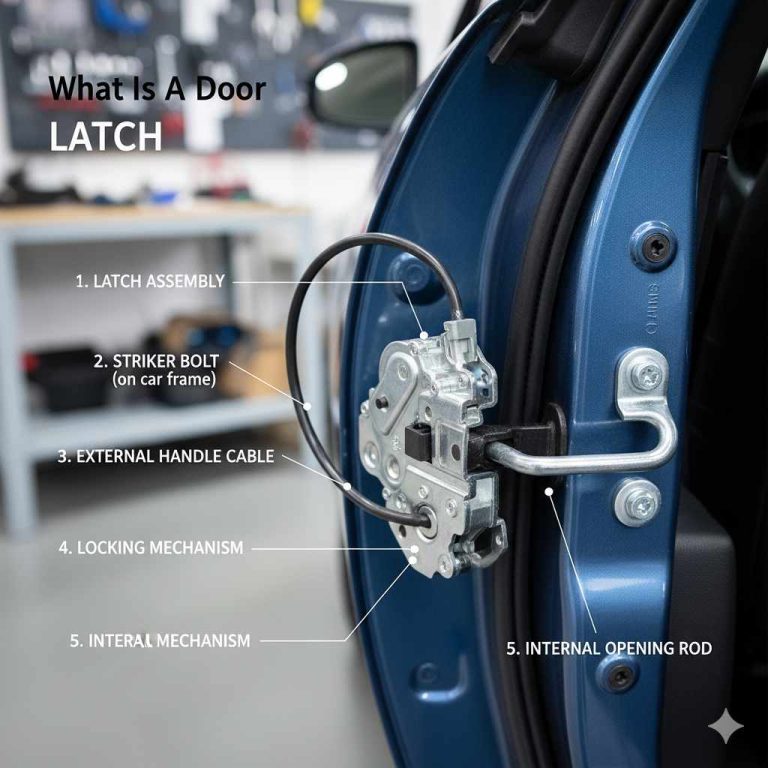
Locks aren’t all the same because of how they’re made. A deadbolt has a metal bar (called a tailpiece) that slides into the door frame. When you turn the key or latch, the tailpiece moves. Manufacturers can set it to be horizontal or vertical when locked. It’s like choosing whether a light switch is up or down for “on.” Some brands, like Schlage, stick to horizontal for locked, while others, like Kwikset, might use vertical. My old house had a mix of both, and it was like a puzzle every day!
Tips to Make Locks Less Confusing
Here are some easy tips to avoid lock confusion. These saved me after many “is it locked?” panics!
- Read the Manual: Check your lock’s instructions for its locked position. No manual? Visit the brand’s website, like Schlage or Kwikset.
- Label Your Locks: Stick a small label (like “L” for locked) near the latch. I did this for my kids, and it’s a game-changer!
- Practice: Turn the lock a few times to get the feel. Horizontal usually feels like “blocking” the door.
- Ask for Help: If you’re installing a lock, ask a pro at The Home Depot for tips.
Can You Change a Lock’s Orientation?
Good news: many locks let you change their orientation! If your deadbolt is vertical when locked but you want horizontal, you can often adjust it. Here’s how I did it with my Kwikset deadbolt:
- Remove the Lock: Unscrew the lock from the door (usually two screws inside).
- Rotate the Latch: Take out the thumb latch and turn it 90 degrees. Check the manual for specifics.
- Reinstall: Put it back together and test it. It’s like flipping a puzzle piece!
Safety Tip: If you’re not sure, call a locksmith to avoid damaging the lock. It’s worth the cost to get it right.
Table 2: Tools for Adjusting a Lock
| Tool | Use | Cost (Approx.) |
|---|---|---|
| Screwdriver | Remove lock screws | $5–$10 |
| Lock Manual | Check brand-specific steps | Free (online) |
| Locksmith Help | Professional adjustment | $50–$100 |
Caption: These tools make adjusting your lock a breeze. Always double-check your work!
Benefits and Drawbacks of Lock Orientation
Knowing your lock’s orientation has perks and pitfalls. Let’s break it down.
Benefits
- Quick Checks: A clear horizontal or vertical position tells you the lock’s status fast.
- Safety: You’ll know your home is secure without guessing.
- Customizable: Many locks can be adjusted to match your preference, like my grandma’s horizontal deadbolt.
Drawbacks
- Confusion: No standard means every lock is a surprise. My friend’s house has three different setups!
- Installation Errors: Installing a lock upside down can flip the orientation. Been there, done that!
- Brand Differences: Schlage and Kwikset don’t always agree, which can be a headache.
Visual Ideas for Clarity
To make this easier, here are some visual ideas (sorry, no images included, but you can sketch these!):
- Diagram of a Deadbolt: Show a deadbolt with arrows pointing to horizontal (locked) and vertical (unlocked).
- Lock Comparison Chart: A side-by-side drawing of a Schlage vs. Kwikset lock, showing their locked positions.
- Step-by-Step Guide: A simple sketch of removing and rotating a thumb latch to change orientation.
Common Mistakes to Avoid
Don’t make these rookie errors I learned the hard way:
- Forcing the Lock: If it’s stuck, don’t yank it. You might break the tailpiece.
- Ignoring the Manual: Always check the brand’s instructions before tweaking.
- Mixing Up Brands: A Schlage lock might not work like a Kwikset. Double-check!
My Personal Lock Story
When I bought my house, the front door deadbolt was vertical when locked, but the back door was horizontal. I felt like I was in a mystery novel, decoding my own locks! I called a locksmith friend who explained that my Kwikset deadbolt was set to vertical, but I could switch it to horizontal for consistency. After a quick tweak (and a lot of laughs), my locks matched, and I felt like a door-lock pro. Trust me, a little know-how goes a long way!
Frequently Asked Questions
Is Horizontal Always Locked?
Not always! Horizontal is often locked for deadbolts, but some brands like Kwikset use vertical. Check your lock’s manual or test it by trying to open the door.
Why Are Some Locks Vertical When Locked?
It’s about design. Manufacturers set the lock’s tailpiece to turn a certain way. Vertical locked is common for some Kwikset models, but it varies by brand.
Can I Change My Lock to Horizontal?
Yes, often! Many deadbolts let you rotate the thumb latch during installation. Remove the lock, turn the latch 90 degrees, and reinstall. Check the manual first.
How Do I Know If My Door Is Locked?
Try this: Look at the latch position, test the door, or use a key. A small label or nail polish dot can mark “locked” for clarity.
Are Lever Locks Different?
They can be. Lever handle locks vary by brand. Some are horizontal when locked, others vertical. Always test or read the instructions.
What If My Lock Is Confusing?
Label it! Add a small “L” for locked or “U” for unlocked near the latch. It’s a simple fix that helps kids and adults alike.
Is There a Standard for Lock Orientation?
No standard exists. Most deadbolts are horizontal when locked, but brands differ. Check with The National Locksmith for more info.
Wrapping It Up
Figuring out if a door is locked horizontal or vertical doesn’t have to be a head-scratcher. Most deadbolts are horizontal when locked, but brands like Kwikset might be vertical. Check your lock’s manual, test the door, or even label it for clarity. Try adjusting a lock yourself—it’s easier than you think! Share your lock stories or tips with friends, or ask a locksmith for help if you’re stuck. Have fun mastering your door locks—it’s like solving a mini puzzle! What’s your next home project? Let’s keep the DIY spirit alive!