Is It Dangerous To Superglue A Cut On Your Finger? Find Out
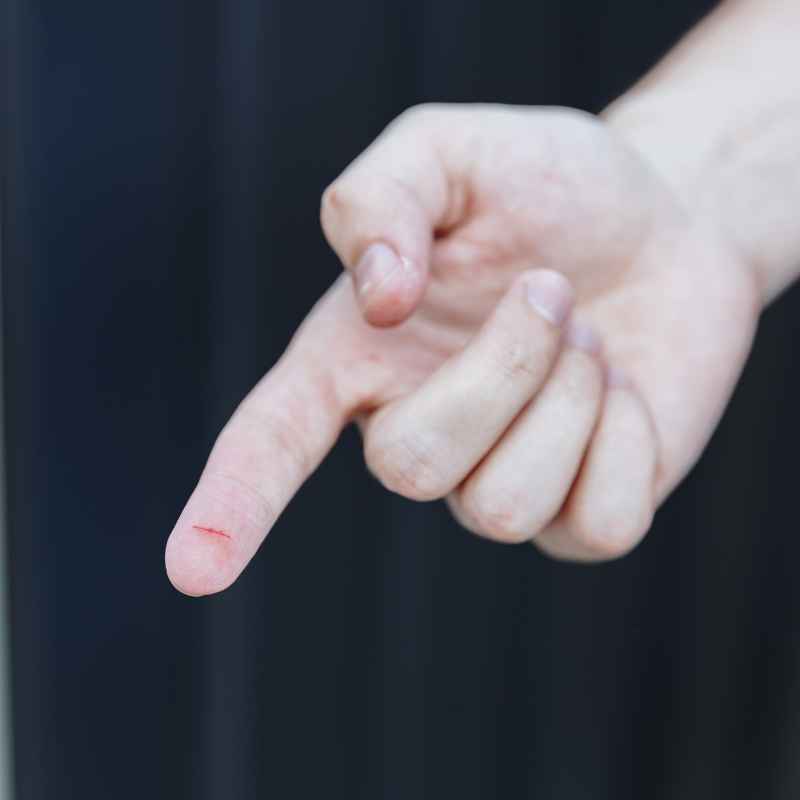
You’ve got a nasty cut on your finger. Maybe you’re in the middle of a project, or perhaps it’s just a common household accident. Your mind races, looking for a quick fix.
You spot a tube of super glue. It’s strong, it sticks things together fast. Could it work for a cut?
It seems like a good idea at first glance. After all, super glue seals gaps. It can stop small things from moving.
But is it truly safe for your skin? Is using it on a cut actually a good idea? Or is it a recipe for trouble?
Let’s dive into what happens when you think about using super glue on a cut.
It is generally not recommended to use super glue on deep or serious cuts. While it can temporarily seal small, clean wounds, it carries risks like infection, poor healing, and allergic reactions. Medical professionals advise using sterile bandages and seeking proper medical care for significant injuries.
What Happens When You Use Super Glue on a Cut?
Super glue, also known as cyanoacrylate, is a powerful adhesive. It’s designed to bond materials like plastic, metal, and rubber. When it touches skin, it dries very fast.
It forms a hard, plastic-like layer. This layer can hold the edges of a wound together. It might seem like it’s doing a good job.
However, your skin is not plastic. It needs to breathe. It needs to heal itself.
Super glue can trap bacteria. It can prevent natural healing processes. It can also cause irritation.
For minor, clean cuts, some people might use it. But this is often done without knowing the full picture. It’s a gamble with your health.
My Own Close Call with a Cut
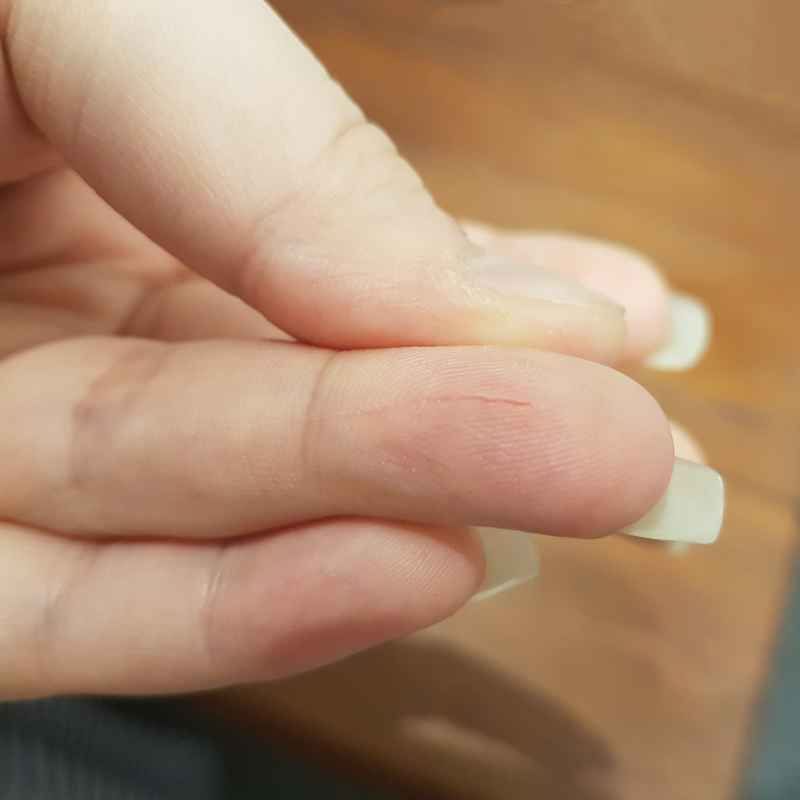
I remember one time, I was trying to fix a wobbly chair leg. I was using a sharp utility knife to trim some wood. It slipped.
The blade sliced across the side of my thumb. It wasn’t a huge gash, but it was deep enough that I could see the pink inside. Blood welled up quickly.
Panic started to set in.
I didn’t have a proper bandage right there. My eyes landed on a tube of super glue on my workbench. “This will seal it!” I thought.
It felt like a brilliant, quick solution. I squeezed a bit onto the cut. It stung like crazy.
The blood stopped flowing, and the skin felt sealed. I felt a sense of relief. But that relief was short-lived.
The next day, the area around the cut was red and sore. It felt hot to the touch.
I worried I had made a bad choice. I carefully peeled off the hardened glue. The wound looked worse than before.
It was definitely redder and more inflamed. This experience taught me a valuable lesson. Quick fixes aren’t always the best fixes, especially when it comes to your body.
Quick Look: Super Glue vs. Bandages
Super Glue:
- What it is: Strong chemical adhesive.
- How it acts: Seals skin quickly, forming a hard layer.
- Potential issues: Can trap bacteria, cause irritation, hinder natural healing.
Bandages:
- What it is: Sterile, flexible dressing.
- How it acts: Protects wound, absorbs moisture, allows skin to breathe.
- Benefits: Promotes clean healing, reduces infection risk, comfortable.
Why Super Glue Isn’t Ideal for Wounds
The main problem with super glue is that it’s a chemical. Your body’s natural healing process is delicate. It needs a clean, protected environment.
Super glue can mess with this. It’s not made for contact with living tissue. It can cause what doctors call a chemical burn.
This makes the wound more painful.
It also creates a barrier that’s too rigid. Your skin needs to swell a bit when it’s healing. It needs to move.
A hard layer of glue stops this. This can lead to more discomfort. And importantly, super glue is not sterile.
Even a new tube can have germs on it. These germs can get into your cut.
This is a serious risk. Infections can make a small cut much worse. They can require antibiotics or even more medical attention.
So, while it might look like it’s sealing the wound, it’s often creating more problems underneath.
Understanding Different Types of Cuts
Not all cuts are the same. This is a key point. A tiny paper cut might not be a big deal.
A deep gash from a kitchen knife is a very different story. Doctors often talk about different wound depths and types.
Superficial cuts: These are cuts that only affect the top layer of skin. They are usually shallow. They might bleed a little.
For these very minor scrapes, some people might consider super glue. But even then, caution is advised.
Lacerations: These are deeper cuts. They can go through multiple layers of skin. They might involve muscle or even bone.
These cuts bleed more. They often need stitches. Using super glue on these is dangerous.
It can prevent a doctor from properly cleaning and closing the wound.
Puncture wounds: These are caused by sharp objects. They create a small hole. These can be deep.
They are prone to infection because they trap germs inside. Super glue is a terrible idea for puncture wounds. It can seal the entry point, trapping whatever caused the injury inside.
Knowing the type of cut you have is crucial. It helps you make the right decision about how to treat it. Always err on the side of caution.
When to Pause Before Reaching for Glue
Consider this if your cut is:
- Deep: You can see fat or muscle.
- Long: Wider than your fingernail.
- Jagged: The edges don’t line up easily.
- Bleeding heavily: Blood is spurting or soaking through bandages quickly.
- Dirty: There’s dirt, gravel, or other debris in it.
- Caused by a dirty object: Like a rusty nail or animal bite.
In these cases, super glue is a risky choice.
The Science Behind Super Glue and Skin
Cyanoacrylate is the active ingredient in super glue. When it hits moisture, like the moisture on your skin or in wound fluid, it hardens. This is a chemical reaction called polymerization.
It’s very fast. The glue molecules link up to form long chains.
This is what creates the strong bond. But this process also generates heat. This can further irritate the wound.
Medically approved skin adhesives exist. They are made from similar chemicals but are formulated differently. They are sterile.
They are designed to be safe for skin. They are often used by doctors for very specific types of wounds.
However, the super glue you buy at a hardware store is not the same. It’s made for tools and crafts. It’s not tested or approved for medical use.
The purity and formulation are different. Using it can lead to unexpected reactions. It’s like using car oil in a human engine; it’s the wrong type of fluid.
Real Stories: When Super Glue Went Wrong
I’ve heard stories from friends and online. One person used super glue on a cut from a craft project. They thought it was fine.
A few days later, the wound became very swollen and painful. It turned out they had a nasty infection. They needed to see a doctor and get antibiotics.
Another story involved a child who got a cut. The parent, in a rush, used super glue. The child had a bad allergic reaction.
Their skin around the cut got red, itchy, and blistered. This was a reaction to the chemicals in the glue. The child needed medical treatment for the reaction and the cut.
These are not isolated incidents. They highlight the real dangers. These stories emphasize why it’s important to stick to what’s medically recommended.
The convenience of super glue is not worth the potential health risks. Trusting sterile, tested medical products is always the safer path.
Myth vs. Reality: Super Glue for Cuts
Myth: Super glue is just like medical skin glue.
Reality: While they share a base chemical, store-bought super glue is not sterile, is not formulated for skin, and can cause irritation or infection.
Myth: It stops bleeding instantly, so it must be good.
Reality: It can stop bleeding by sealing the surface, but it traps blood and potential contaminants, hindering proper healing.
Myth: It’s a quick fix when you don’t have bandages.
Reality: It’s a risky shortcut. A clean cloth and some pressure are safer temporary measures than super glue.
What Doctors Recommend for Finger Cuts
Medical professionals are very clear on this. For most cuts, especially those that bleed more than a tiny bit, they recommend proper wound care. This starts with cleaning the wound.
1. Clean the wound: Gently wash the cut with mild soap and cool or lukewarm water. Do not scrub.
You want to remove dirt and debris. If there’s still something in the wound, a doctor needs to remove it.
2. Stop the bleeding: Apply gentle, direct pressure to the wound using a clean cloth or sterile gauze. Hold it there for a few minutes until the bleeding slows or stops.
3. Apply an antibiotic ointment: Once bleeding is controlled, apply a thin layer of an over-the-counter antibiotic ointment. This helps prevent infection.
It also keeps the wound moist, which aids healing.
4. Cover the wound: Use a sterile bandage or dressing. Make sure it covers the entire cut.
Change the bandage at least once a day, or more often if it gets wet or dirty. This keeps the wound clean and protected.
5. Watch for signs of infection: Keep an eye on the wound. Look for increased redness, swelling, warmth, pus, or fever.
If you see any of these, seek medical attention.
This method is proven to work. It allows your body to heal properly. It minimizes the risk of complications.
It’s the safest and most effective approach for most finger cuts.
The Role of Sterile Skin Adhesives
It’s important to know that there are medical adhesives. These are also called “liquid bandages” or “skin glues.” They are different from regular super glue. They are made specifically for medical use.
Doctors might use these sterile adhesives for very specific situations. This often includes closing small, clean cuts on the face or limbs. They can be a good option when stitches aren’t needed.
They are applied by trained professionals. They are used in a sterile environment.
These medical glues are designed to be safe. They break down over time and fall off naturally. They are generally well-tolerated.
But this is not something you should try to do at home with over-the-counter super glue. The risk of error and harm is too high.
When to Seek Professional Medical Help
Go to a doctor or urgent care if:
- The cut is deep or gaping.
- You cannot stop the bleeding after 10-15 minutes of pressure.
- The cut is on your face or near a joint.
- There is debris in the wound that you cannot easily rinse out.
- The cut was caused by an animal bite or a dirty object.
- You see signs of infection (redness, swelling, pus, fever).
These situations require expert care.
What This Means for Your Finger Cuts
So, what’s the takeaway message? It’s simple. For cuts on your fingers, or anywhere on your body, it’s best to avoid using regular super glue.
Think about the purpose of super glue. It’s for crafts, repairs, and projects. It’s not for your health.
Your skin is a living organ. It has its own amazing healing abilities. You want to help those abilities, not hinder them with harsh chemicals.
The risks of infection, irritation, and poor healing are simply too great. Even for a small cut, the potential problems outweigh the perceived benefit of a quick seal. Always choose a clean bandage.
If the cut is serious, seek medical help.
Quick Tips for Finger Cut Care
Here are some easy-to-remember tips for when you get a cut on your finger:
- Always clean your hands before touching a wound.
- Wash the cut with mild soap and water.
- Apply pressure with a clean cloth to stop bleeding.
- Use an antibiotic ointment to prevent infection.
- Cover the wound with a sterile bandage.
- Change the bandage daily or when it’s dirty.
- Keep the wound clean and dry as much as possible.
- Watch for signs of infection and see a doctor if needed.
- Never use super glue or other household glues on cuts.
These steps are straightforward. They are proven to help your body heal safely. They are always a better choice than risky alternatives.
Frequently Asked Questions About Super Glue and Cuts
Can super glue really cause an infection?
Yes, it can. Super glue is not sterile. It can contain bacteria or other germs.
When you apply it to an open wound, these germs can get trapped inside. This can lead to a bacterial infection, making the cut more serious.
What if the cut is very small, like a paper cut?
Even small cuts can benefit from proper care. A tiny paper cut might not bleed much. However, it can still get infected.
A small, sterile bandage is the safest way to protect it. It allows the skin to heal naturally without introducing harsh chemicals.
Are there any medical glues that are safe for cuts?
Yes, there are. Doctors sometimes use sterile medical adhesives, also called skin glues. These are specifically designed and tested for use on skin.
They are applied in a controlled medical setting. They are not the same as the super glue you buy at the store.
What should I do if I already used super glue on a cut?
If you used super glue on a cut, watch it closely. If the area around the cut becomes red, swollen, painful, or starts to ooze pus, seek medical attention immediately. You may need treatment for infection or an allergic reaction.
How long does it take for skin to heal after using super glue?
It depends on the cut. If no infection occurs, the skin might eventually heal. However, the glue can slow down the natural healing process.
It might also leave a scar. If an infection does occur, healing can take much longer and require medical treatment.
Is super glue bad for your skin in general?
Super glue can irritate skin. It can cause dryness, redness, and peeling. When used on a wound, these effects are magnified.
It can also cause allergic reactions in some people. It’s not meant for prolonged or repeated skin contact.
Conclusion: Safety First for Your Cuts
It’s tempting to grab the quickest fix when you’re hurt. Super glue seems like a fast solution for a cut. But when it comes to your health, speed isn’t everything.
Using super glue on your finger cuts is risky. It can lead to infections and slower healing.
Always choose the safe route. Clean the wound, cover it with a bandage, and seek medical help if the cut is serious. Your body will thank you for giving it the best chance to heal properly.