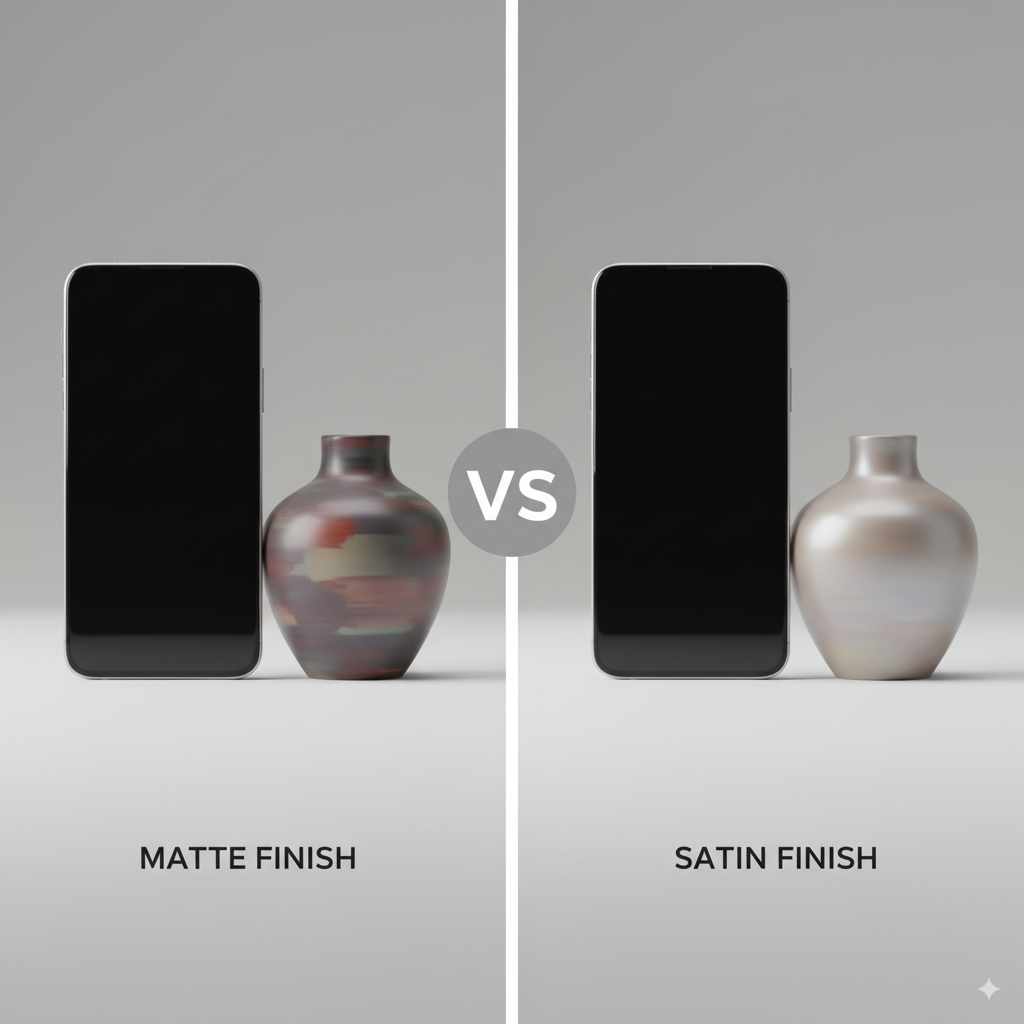
Matte Vs Satin Finish: The Ultimate Showdown
Have you ever stood in the paint aisle, overwhelmed by the choices between matte and satin finishes, unsure of which one will truly transform your space? You’re not alone.
Choosing the right finish can make or break the look and feel of your walls, furniture, or even a car. It’s not just about aesthetics; it’s about creating the perfect atmosphere and mood in your living space. Imagine the satisfaction of confidently picking the finish that matches your style and needs, turning your home into a true reflection of who you are.
Dive into this guide where we unravel the mysteries of matte and satin finishes, helping you make a decision that you’ll love for years to come. Don’t let uncertainty hold you back from achieving the perfect look. Keep reading and discover the ideal finish for your next project.
Matte Finish: Characteristics
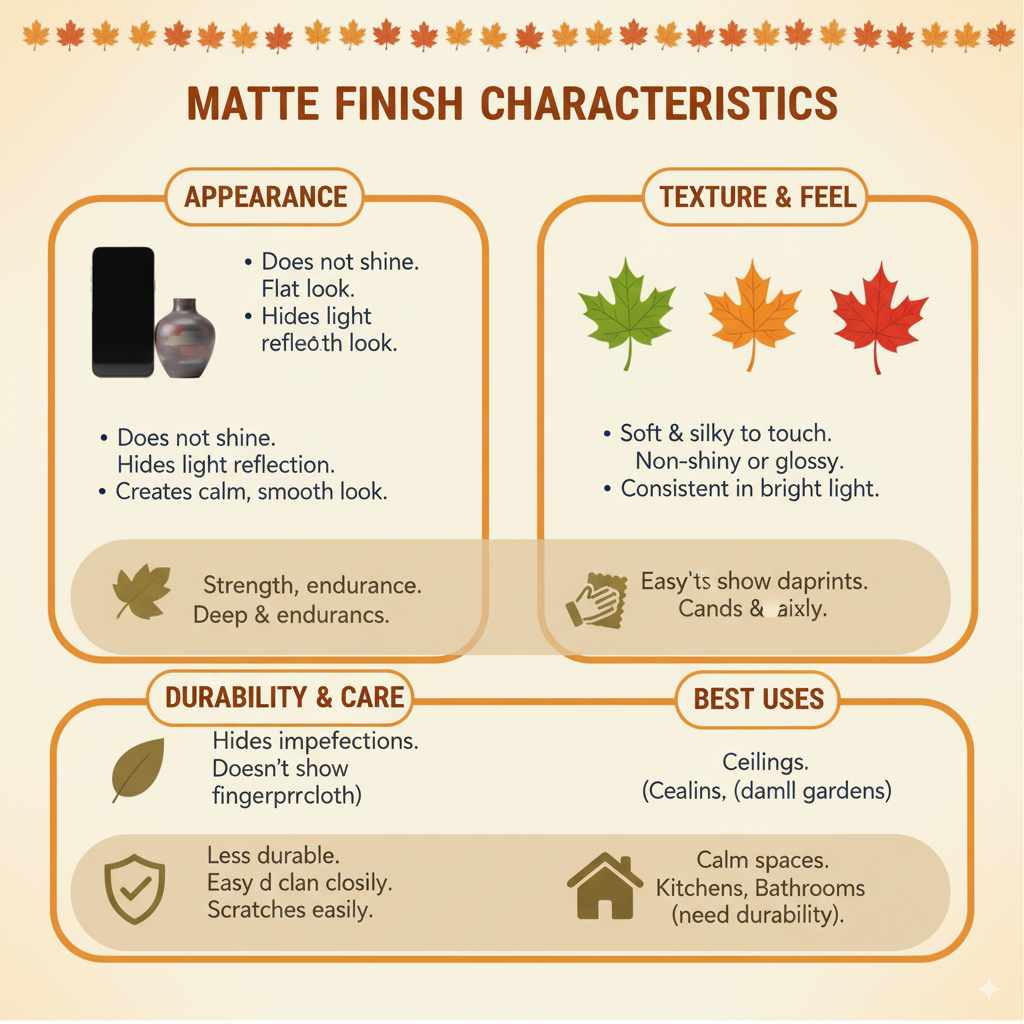
Matte finishes do not shine. They have a flat look. Light does not reflect off them. This creates a smooth and calm look. Walls with matte finish hide marks well. They feel soft and silky to touch. The surface is not shiny or glossy. It stays the same even in bright light.
Matte finishes hide imperfections. This makes them a good choice. They do not show fingerprints. Cleaning is easy with a damp cloth. But, they are not very durable. They can scratch easily. They may not last long in busy areas.
Use matte finish in bedrooms and living rooms. They create a cozy feel. Great for ceilings too. Matte works well in calm spaces. Avoid using in kitchens or bathrooms. These areas need more durable finishes.
Satin Finish: Characteristics
Satin finish offers a soft, velvety appearance that balances matte and glossy textures. It adds a subtle shine without being overly reflective. Ideal for surfaces needing a gentle glow, satin finish enhances depth and richness, making it a popular choice in interior design and automotive industries.
Texture And Appearance
Satin finish has a smooth feel. It is not too shiny. This finish reflects light softly. It is between matte and glossy. Satin shows colors well. It adds depth to surfaces. Many people love its elegant look.
Pros And Cons
- Pros:Easy to clean. Hides minor flaws. Durable and long-lasting.
- Cons:Can show fingerprints. Not as modern as matte. May need more care.
Best Uses And Applications
Perfect for walls in homes. Good for furniture surfaces. Used in kitchens and bathrooms. Ideal for areas needing frequent cleaning. Nice for doors and trims. Popular in offices and hotels. Works well in high-traffic places.
Visual Impact
Matte finishes absorb light. They create a soft look. Light does not bounce off. This makes colors appear muted. Satin finishes reflect light. They have a slight sheen. Colors look brighter and more vibrant. Satin adds a touch of elegance. Matte offers a more understated feel. Both have unique charms.
Matte finishes give colors a subtle depth. They are less shiny. This makes them look more natural. Satin finishes enhance color richness. They are glossy. This makes colors pop. Bright colors shine more in satin. Matte is more for calm tones. Satin adds drama to any space.
Durability And Maintenance
Matte finishes often hide scratches well. They have a soft texture. This texture helps in concealing minor marks. Satin finishes are more shiny. Scratches and stains may appear more visible. Both finishes are good, but satin might need more care. Choose matte if you want less visible scratches.
Matte surfaces can be tricky to clean sometimes. Their texture holds dust. Wiping should be gentle to avoid marks. Satin is easier to clean. Its smooth surface helps. A simple wipe keeps it shiny. Satin requires less frequent cleaning. Both finishes can last long with care. Clean regularly to keep them new.
Cost Considerations
Matte finishes are often more affordablethan satin finishes. They use simple materials. This makes them budget-friendly. Satin finishes, on the other hand, can be a bit more expensive. Their shine adds to the cost. Still, many find the price worth it.
Matte finishes tend to last longer without showing wear. Scratches and marks are less visible. This makes them a good long-term choice. Satin finishes might need more care. They can show fingerprints and smudges. Regular cleaning is needed to keep them looking new.
Environmental Impact
Matte finishes often use fewer chemicals. This makes them more eco-friendly. Satin finishes usually contain more chemicals. They can harm the environment more than matte. Matte paint is usually water-based. It releases fewer gases. Satin paint can be oil-based. It often releases more harmful gases. Choosing matte can be better for nature.
Matte paint has simple ingredients. Water and pigments are main parts. Satin paint has complex ingredients. It includes resins and solvents. Matte is less shiny because it lacks gloss agents. Satin is shinier because it has gloss agents. This makes satin more chemically rich. Matte is often safer for homes and children.
Choosing The Right Finish
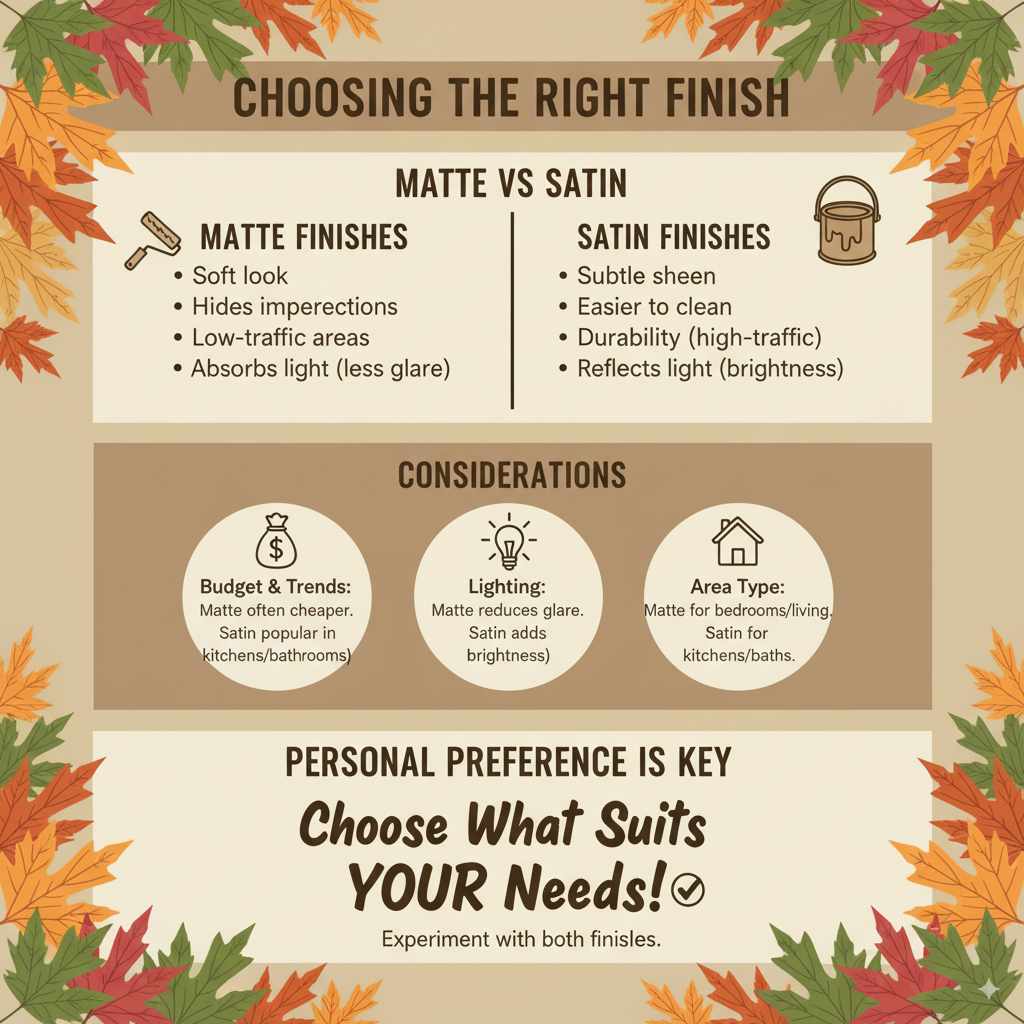
Choosing a finish for walls or furniture is important. Matte finishes offer a soft look. They hide imperfections well. Satin finishes have a subtle sheen. They are easier to clean. Matte is great for low-traffic areas. Satin suits areas needing durability. Budget matters too. Matte is often cheaper than satin. Consider lighting. Matte absorbs light, reducing glare. Satin reflects light, adding brightness. Both finishes have pros and cons. Choose what suits your needs.
Matte finishes are popular in modern homes. They give a sleek appearance. Many people prefer satin in kitchens. It offers easy cleaning. Matte is liked for its texture. Satin is chosen for its polished look. Matte is trending in bedrooms. Satin is preferred in bathrooms. Trends change over time. Personal preference is key. Experiment with both finishes.
Frequently Asked Questions
Is Satin Or Matte Finish Better?
Satin finish offers a soft sheen, ideal for moderate traffic areas. Matte finish provides a non-reflective surface, perfect for hiding imperfections. Choose satin for a subtle shine and durability. Opt for matte for a modern, understated look. Your choice depends on aesthetic preference and room use.
What Are The Cons Of Satin Finish?
Satin finish shows fingerprints and smudges easily. It can be more challenging to clean compared to other finishes.
What Finish Do Professional Painters Use?
Professional painters often use satin or eggshell finishes for walls. These finishes offer a smooth look and are easy to clean. For trim and doors, semi-gloss or gloss finishes are preferred for durability and shine. Selecting the right finish depends on the desired look and room functionality.
Is Matte Or Satin Easier To Clean?
Satin finishes are generally easier to clean than matte. Satin resists stains and fingerprints better, making maintenance simpler. Matte surfaces can show smudges and require frequent cleaning. For hassle-free maintenance, satin is the preferable choice.
Conclusion
Choosing between matte and satin finishes depends on personal preference. Matte offers a non-reflective, smooth appearance. It suits modern, understated styles. Satin provides a subtle sheen and is versatile. It works well in various settings. Think about lighting and room decor.
Matte absorbs light, creating a cozy feel. Satin reflects, adding brightness. Both finishes have unique benefits. Consider maintenance, too. Matte hides fingerprints well. Satin is easier to clean. Decide based on your lifestyle and taste. Both options enhance space beautifully.
Make a choice that fits your vision and enjoy the results.