Menards Wood Decking: Treated Pine, Cedar, or Composite?
Menards sells three main wood decking materials: AC2 pressure-treated pine, red cedar, and UltraDeck composite — treated pine costs the least, cedar looks the best untreated, and composite needs the least upkeep. Picking the wrong one means either overpaying for maintenance you didn’t need or under-building for a coastal or high-moisture yard. This guide covers what each material is actually made of, how to plan and install a deck with it, and what upkeep each one requires.
Types Of Wood Decking Available At Menards
Menards’ most common decking is AC2® pressure-treated 5/4×6 pine, sold in standard green-tint and CedarTone brown-pigmented finishes. The AC2 treatment resists insects and decay and is rated for outdoor use, making it the most budget-friendly option for a full deck surface.
Red cedar is the natural-wood upgrade. It carries its own oils that resist moisture and insects without chemical treatment, ages to a soft silver-gray if left unsealed, and keeps a warmer color and grain pattern than treated pine.
UltraDeck is Menards’ house brand of wood-composite decking — a blend of wood fiber and plastic. It costs more per board than treated pine or cedar but resists fading and splintering and never needs sealing or staining. When a composite board does eventually wear out, see our guide on how to dispose of composite decking properly.
Benefits Of Wood Decking
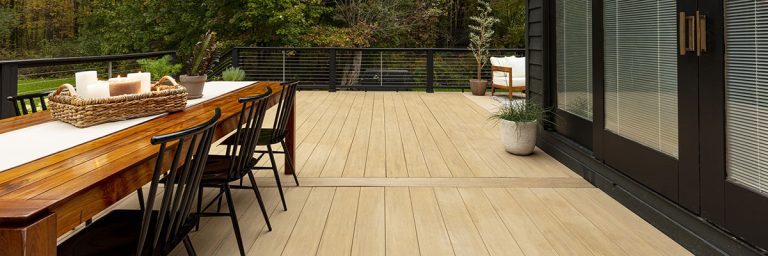
Wood decking brings natural grain and color that composite alternatives still can’t fully replicate, which is why real wood remains the most requested surface for resale-focused renovations.
With proper sealing and regular cleaning, treated pine and cedar decks commonly last 15–25 years before major boards need replacing. Composite decking trades that lower maintenance for a higher upfront cost.
Treated pine and cedar are also renewable materials, sourced from managed timber programs, which makes real wood the lower-impact choice for buyers prioritizing sustainable building materials over synthetic composites.
Planning Your Deck Design
Start by measuring the space and deciding its primary use — a dining and grilling deck needs different clearances than a small reading nook. That decision drives the size, shape, and railing layout you plan around.
Check your local building department before buying materials. Most U.S. jurisdictions require a permit for any deck attached to the house or built more than 30 inches above grade, and inspectors check footing depth, ledger attachment, and guard-rail height against the International Residential Code (IRC) or your local amendment to it.
Once the layout and permit are settled, choose colors and railing styles that match your home’s exterior, and decide early whether you want built-in benches, planters, or lighting — retrofitting those later means cutting into a finished deck.
Installation Tips And Techniques
Clear the build area of grass, rocks, and debris first, then use a level to confirm the ground is even before setting footings. A layer of gravel under the deck improves drainage and keeps standing water away from the framing.
Always follow the lumber manufacturer’s fastening and spacing guidelines — see our breakdown of how much space to leave between pressure-treated deck boards for wet versus dry lumber — and make sure every cut end of pressure-treated lumber gets a fresh coat of end-cut sealant, since the factory treatment doesn’t penetrate wood you cut on site. For fasteners, our guide to Menards deck screws covers which coatings hold up against ACQ-treated lumber.
Wear safety goggles and gloves when cutting treated lumber, and keep the workspace well-lit and free of tripping hazards, especially when working with a circular saw near the deck edge.
📊 Deck joists, ledgers, and beams must be rated AWPA Use Category UC4A (ground contact) — standard above-ground (UC3B) treated lumber isn’t rated for the moisture exposure underneath a deck, even though it’s often shelved right next to UC4A boards at the store. — Source: Southern Pine Council
Accessories And Add-ons
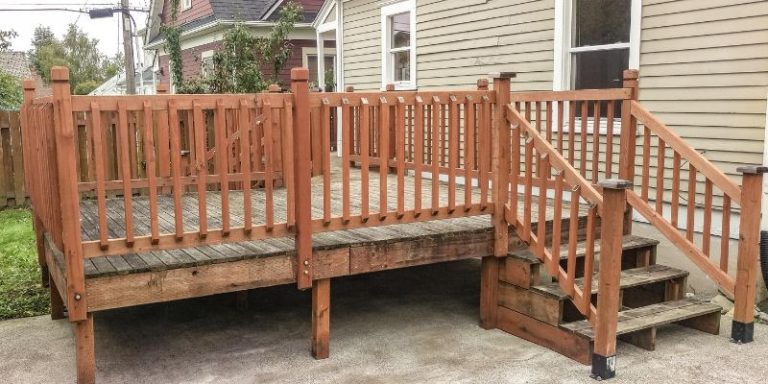
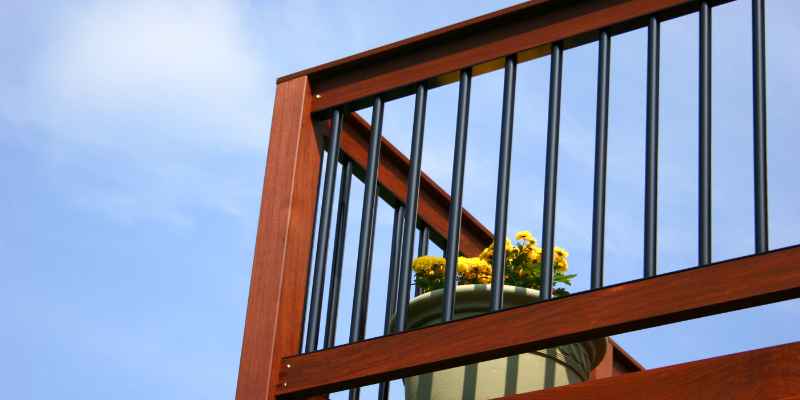
Menards carries railing and baluster kits in wood, metal, and composite to match whichever decking material you choose. Metal balusters paired with a wood top rail are a common way to add a modern look to a traditional pine or cedar deck.
Solar post cap lights and LED strip lighting along the railing add both safety and evening atmosphere without running new electrical circuits — a practical upgrade for stair edges and low-visibility corners.
Built-in or freestanding planters, outdoor seating, and a grill or fire pit finish the space. Leave clearance around any fire feature per the manufacturer’s spec sheet, since deck boards — treated, cedar, or composite — are all still combustible.
Best Deck Lighting Pick
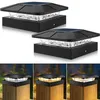
Peasur 4×4 Solar Post Cap Lights, 3 Lighting Modes – $14.99
Fits standard 4×4 posts on both treated pine and cedar railing kits — the exact upgrade this guide’s Accessories section covers for marking stair edges and low-visibility corners without new wiring.
- Best for: Lighting stair edges and railing corners on a budget
- Why we picked it: No electrician needed — solar-charged, snaps onto standard 4×4 posts
- Main drawback: Dimmer output than the hardwired options below
Compare more deck lighting options
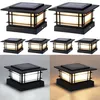 Option 1 Dynaming Solar Post Cap Lights, 2 Color Modes – $39.99
|
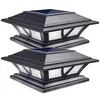 Option 2 SIEDiNLAR Solar Post Lights, 2 Modes – $19.99
|
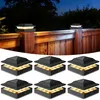 Option 3 Toeuie Solar Post Cap Lights, 6 Pack – $27.99
|
As an Amazon Associate we earn from qualifying purchases.
Maintenance And Care For Your Wood Deck
Clean the deck regularly with a soft brush and mild soap, then rinse with water. Skip the pressure washer — it drives water into the wood grain and can splinter softwood surfaces like treated pine and cedar.
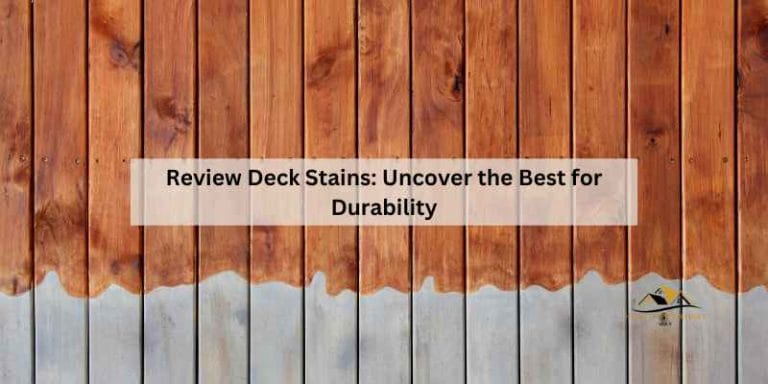
Reseal every one to three years with a water-resistant sealant to protect against moisture and UV fading. Composite decking skips this step entirely, which is the main tradeoff for its higher purchase price.
Sunlight fades color over time and standing moisture can cause rot, so inspect the deck each spring for loose boards, popped fasteners, or soft spots, and address any issue before it spreads to neighboring boards.
Replace individual boards as soon as you spot splintering or soft, spongy wood — catching it early keeps the repair to one or two boards instead of a larger section of the deck.
Design Ideas Worth Considering
Mixing materials is a practical way to balance budget and looks: treated pine framing and decking with a cedar accent border, or a composite surface with real-wood railings, both give you a warmer look without paying premium prices across the entire deck.
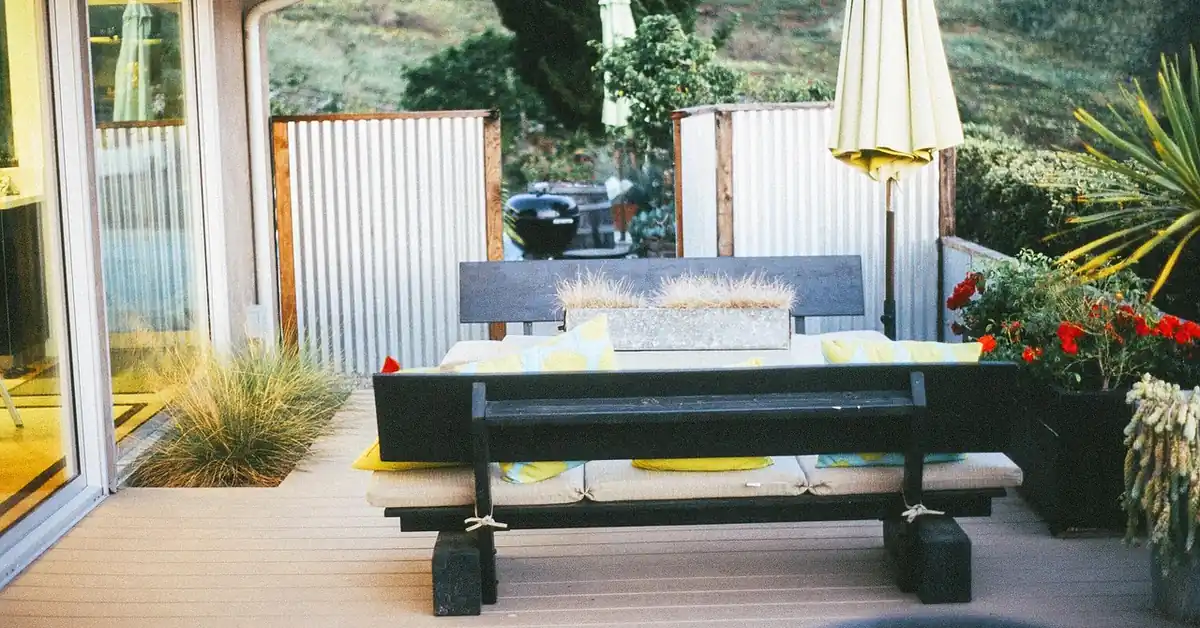
Built-in bench seating along the perimeter adds seating without eating into usable floor space, and it doubles as a low guard-rail on decks under 30 inches high where a full railing isn’t required by code.
A stepped, multi-level layout works well on sloped yards and creates natural zones — a raised dining area near the house and a lower lounge area further out — without the cost of a full second structure.
Frequently Asked Questions
What Types Of Wood Decking Does Menards Offer?
Menards offers a variety of wood decking options, including treated pine, cedar, and redwood. Each type has unique benefits, such as durability and resistance to rot. You can choose based on your aesthetic preferences and budget. Menards also provides various sizes and finishes to suit your project needs.
How Do I Maintain Menards Wood Decking?
To maintain Menards wood decking, clean it regularly with a wood cleaner. Apply a sealant every couple of years to protect against moisture and UV damage. Inspect for any loose boards or nails and replace them as needed. Proper maintenance extends the life of your decking significantly.
Is Menards Wood Decking Suitable For Outdoor Use?
Yes, Menards wood decking is designed specifically for outdoor use. Treated wood options are resistant to moisture and pests, making them ideal for decks. However, regular maintenance is essential to ensure longevity and performance. Choosing the right wood type can enhance your outdoor living space beautifully.
Can I Install Menards Wood Decking Myself?
Absolutely, you can install Menards wood decking yourself provided you understand basic framing and can pull the required permit. Ensure you have the right tools and materials before starting, and follow AWPA UC4A ground-contact specs for any framing member near the soil. Following proper installation guidelines will ensure a safe and durable deck.
Conclusion
Treated pine, cedar, and UltraDeck composite each solve a different problem: pine keeps the budget down, cedar keeps the natural look, and composite keeps the maintenance list short. Match the material to how much upkeep you’re actually willing to do, not just the sticker price at the store, and your deck will hold up for the long run.
Sponsored / affiliate links. As an Amazon Associate I earn from qualifying purchases. I may earn additional commission from eligible campaigns.