Pendant Lighting for Foyer: Elevate Your Home’s First Impression
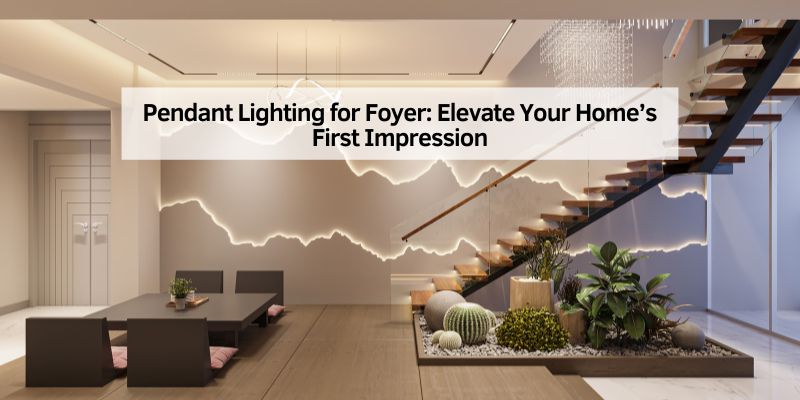
Hey there! Let’s talk about pendant lighting for foyers. I’ve spent a lot of time exploring this topic, and I’m excited to share what I’ve learned. Your foyer is the first thing guests see when they step into your home. It’s like the handshake of your house—it sets the tone. A stunning pendant light can transform that space, making it warm, welcoming, and stylish. Whether you’re updating your home or starting fresh, pendant lighting is a game-changer. In this guide, I’ll walk you through everything you need to know about choosing, installing, and styling pendant lights for your foyer. Let’s make your entryway shine!
Why Pendant Lighting is Perfect for Your Foyer
I’ve always believed that lighting is the heart of any room, and the foyer is no exception. Pendant lights are ideal because they combine style and function. They hang from the ceiling, drawing the eye upward and making your space feel grand. Unlike chandeliers, which can feel formal, pendants are versatile. They come in countless designs, from sleek modern globes to rustic lanterns.
In my own home, I swapped out a dated flush-mount light for a bold pendant, and the difference was night and day. It added personality and made the foyer feel taller. Pendants also focus light where you need it—perfect for highlighting a console table or a piece of art. Plus, they’re easier to install than you might think. If you’re looking to make a statement without breaking the bank, pendant lighting is the way to go.
Choosing the Right Pendant Light for Your Foyer
Picking the perfect pendant light can feel overwhelming with so many options out there. I’ve been there, scrolling through endless catalogs, wondering what will work best. Here’s what I’ve learned about making the right choice.
First, think about your foyer’s size. A small foyer needs a pendant that’s proportional—too big, and it overwhelms; too small, and it gets lost. For a standard 8-foot ceiling, aim for a pendant that’s 12 to 20 inches wide. If you have a two-story foyer, you can go bigger, like 24 to 36 inches. I once saw a massive 40-inch pendant in a grand entryway, and it was breathtaking, but it wouldn’t work in my cozy foyer.
Next, consider your home’s style. Is it modern, traditional, or somewhere in between? I have a friend with a farmhouse-style home who chose a wrought-iron pendant that looks like it belongs in a barn—in the best way possible. For my contemporary space, I went with a sleek glass orb. Materials matter too. Glass lets light shine through, while metal or wood adds texture.
Finally, think about light output. A foyer needs enough brightness to feel safe and inviting. Look for bulbs with 800-1000 lumens for a medium-sized space. Dimmer switches are a lifesaver—I installed one in my foyer, and now I can adjust the mood for daytime or evening gatherings.
How to Size and Hang Your Pendant Light
Getting the size and height right is crucial. I learned this the hard way when I hung my first pendant too low and kept bumping my head! Here’s a simple guide to avoid my mistakes.
For size, measure your foyer’s width and length in feet, add those numbers together, and use that total as the pendant’s diameter in inches. For example, a 10×10-foot foyer could handle a 20-inch-wide pendant. This rule works for most spaces, though you can tweak it for dramatic effect.
Hanging height is just as important. In a single-story foyer, the bottom of the pendant should be 7 feet from the floor to avoid head bumps. For two-story foyers, hang it so the light is at eye level from the second floor—it creates a stunning view from upstairs. I used a tape measure and some painter’s tape to mark the spot before installing mine, and it saved me a lot of guesswork.
If you’re installing multiple pendants, space them 24 to 36 inches apart. I saw this done in a long, narrow foyer, and it created a runway-like effect that was so elegant. Just make sure the total width of the pendants doesn’t overpower the space.
Styles of Pendant Lighting for Foyers
The fun part about pendant lighting is the variety of styles. I’ve spent hours browsing showrooms and websites, and there’s something for every taste. Here are some popular styles I’ve come across and how they fit into different foyers.
- Modern: Clean lines, minimal designs, and materials like chrome or glass. I love how modern pendants add a sleek vibe to urban homes. A single oversized orb or a cluster of small pendants works great in a minimalist foyer.
- Traditional: Think ornate details, like crystal or brass. These are perfect for classic homes. I saw a gorgeous antique-style pendant in a Colonial house that made the foyer feel like a grand hotel.
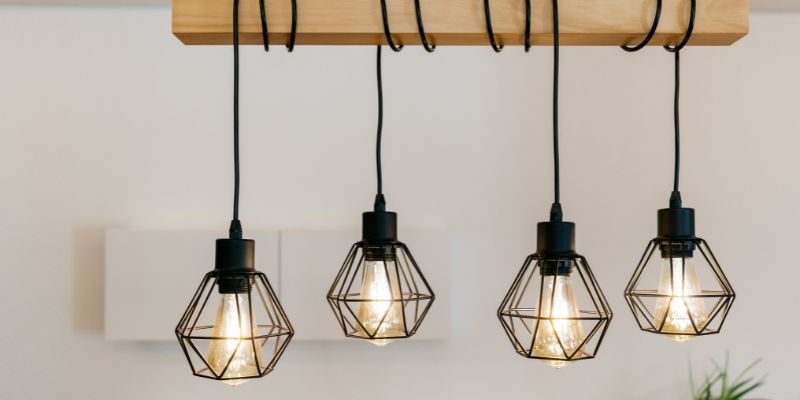
- Industrial: Exposed bulbs, metal cages, or Edison-style lights. These are great for lofts or homes with a rugged edge. My neighbor has an industrial pendant that looks like it came from an old factory—super cool.
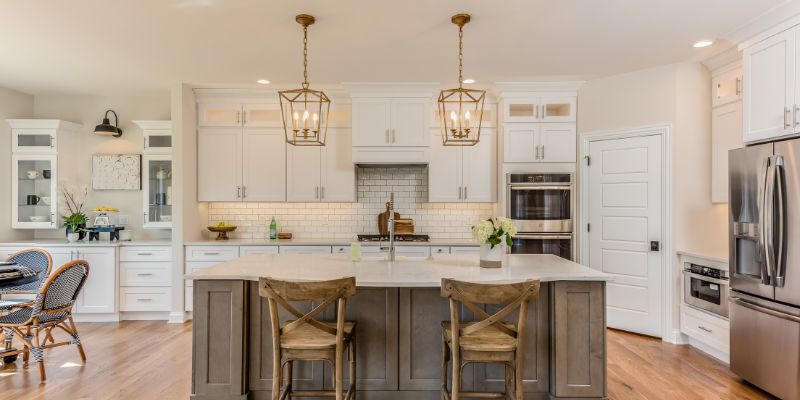
- Farmhouse: Rustic materials like wood or distressed metal. These add warmth to cozy foyers. I helped a friend pick a lantern-style pendant for her farmhouse foyer, and it’s now the centerpiece of her home.
- Bohemian: Colorful, eclectic designs with beads, fabric, or stained glass. These are bold choices for artsy homes. I once saw a boho foyer with a mosaic pendant that felt like a piece of art.
Here’s a quick table to help you match styles to your home:
| Home Style | Pendant Style | Best Features |
|---|---|---|
| Modern | Sleek, minimal | Glass, chrome, simple shapes |
| Traditional | Ornate, elegant | Crystal, brass, classic designs |
| Industrial | Raw, rugged | Metal, exposed bulbs, vintage vibe |
| Farmhouse | Rustic, cozy | Wood, lantern shapes, warm tones |
| Bohemian | Eclectic, colorful | Beads, stained glass, unique patterns |
Installation Tips for Pendant Lighting
Installing a pendant light might sound daunting, but I’ve done it myself, and it’s doable with some patience. If you’re not comfortable with electrical work, hire a professional electrician—safety first! Here’s what I’ve learned from my own installations.
Start by turning off the power at the breaker. I can’t stress this enough—I once forgot, and let’s just say I got a scary buzz. Use a sturdy ladder and have a friend help hold the pendant while you connect the wires. Most pendants come with clear instructions, but you’ll typically need a ceiling junction box. If your foyer doesn’t have one, an electrician can install it.
Adjustable-height pendants are a great choice if you’re unsure about the length. I picked one with a chain that I could shorten or lengthen, which gave me flexibility. Also, double-check the weight of the pendant. Heavy ones need extra support, like a reinforced ceiling box. My first pendant was lightweight, but I’ve seen some chandeliers that required serious hardware.
Finally, test the light before fully securing it. I once tightened everything only to realize I’d wired it wrong. A quick test saved me from redoing the whole job.
Layering Lighting in Your Foyer
Pendant lighting is the star of the show, but I’ve found that layering it with other lights makes the foyer even more inviting. A single pendant might not be enough for larger spaces or if you want different moods.
Wall sconces are a great addition. I added a pair on either side of my foyer mirror, and they create a soft glow that complements the pendant. Recessed lighting is another option for extra brightness, especially in modern foyers. I’ve also seen floor lamps used in larger entryways to fill corners with light.
Dimmer switches are a must. They let you adjust the ambiance for different occasions. I love dimming my pendant for a cozy evening vibe or brightening it when I’m rushing out the door. If you’re using LED bulbs, make sure they’re dimmable—some aren’t, and I learned that the hard way.
Energy Efficiency and Bulb Choices
I’m all about saving energy without sacrificing style. Pendant lights can be energy-efficient if you choose the right bulbs. LED bulbs are my go-to—they last forever and use less electricity than incandescent ones. I swapped all my foyer bulbs to LEDs, and my energy bill noticeably dropped.
Look for bulbs with a warm color temperature, around 2700K to 3000K, for a cozy feel. Cooler temperatures (4000K and up) can feel harsh in a foyer. I also recommend smart bulbs if you want to get fancy. I have a smart pendant light that I can control with my phone—perfect for when I’m running late and need to turn it on from the car.
One tip: check the pendant’s maximum wattage. Some designs can’t handle high-wattage bulbs, which limits your brightness options. I always keep spare bulbs on hand, too, because nothing’s worse than a dark foyer when guests arrive.
Decorating Around Your Pendant Light
A pendant light is a focal point, but it shines even brighter when you decorate around it. I love styling my foyer to complement the light’s vibe. For example, my glass pendant looks amazing above a sleek console table with a mirror and a few candles. It reflects the light and makes the space feel bigger.
If your pendant is bold, keep the decor simple. A single piece of art or a small plant can tie the look together without stealing the show. For a rustic pendant, I’ve seen woven baskets or wooden accents work beautifully. In one home I visited, they hung a colorful rug on the wall under a bohemian pendant, and it was stunning.
Don’t forget about color. If your pendant has metallic tones, like gold or brass, pull those into your decor with picture frames or a vase. I did this with my bronze pendant, and it made the foyer feel cohesive.
Maintenance and Cleaning Tips
Keeping your pendant light looking great is easier than you think. I’ve learned a few tricks to make maintenance a breeze. Dust your pendant regularly with a soft cloth to prevent buildup. For glass pendants, a damp cloth with a bit of mild soap works wonders. Just make sure the power is off before cleaning!
For intricate designs, like crystal or metalwork, use a small brush to get into crevices. I clean my pendant every couple of months, and it stays sparkling. If your pendant uses exposed bulbs, check them every few months to ensure they’re not burning out. I keep a ladder nearby for quick access—it’s a lifesaver.
If you live in a humid area, watch for rust on metal pendants. I had a friend deal with this, and a quick wipe with a rust-resistant spray fixed it. Regular care keeps your pendant looking as good as the day you installed it.
Cost Considerations for Pendant Lighting
Pendant lights come in a wide range of prices, which is great because there’s something for every budget. I’ve seen stunning pendants for as little as $50 and high-end ones that cost thousands. Here’s a breakdown of what to expect.
- Budget ($50-$150): Simple designs, often with basic materials like glass or plastic. These are great for small foyers or rental homes. I found a $75 pendant for my guest house that looks way more expensive than it is.
- Mid-Range ($150-$500): Better materials like brass, crystal, or hand-blown glass. These are durable and stylish. My main foyer pendant was $200, and it’s held up beautifully for years.
- High-End ($500+): Designer brands, custom designs, or large-scale pendants. These are perfect for luxury homes or statement foyers. I drooled over a $1,200 crystal pendant at a showroom but settled for something more practical.
Don’t forget installation costs. If you’re DIY-ing, you’ll just need basic tools, but professional installation can run $100-$300 depending on your area. I saved money by installing mine myself, but I hired an electrician for a friend’s two-story foyer, and it was worth every penny.
Conclusion
I hope you’re as excited about pendant lighting for your foyer as I am! It’s amazing how one light can transform your entryway into a warm, welcoming space that reflects your style. From choosing the perfect size and style to installing it just right, every step is an opportunity to make your home shine. I’ve loved experimenting with pendants in my own space and seeing how they elevate the vibe. Whether you go for a sleek modern orb or a rustic lantern, your foyer will thank you. So, grab a tape measure, pick a design that speaks to you, and let’s light up your home’s first impression!
Frequently Asked Questions
What size pendant light is best for a small foyer?
For a small foyer, I’d go with a pendant that’s 12 to 20 inches wide. Measure your foyer’s length and width in feet, add them together, and use that number as the pendant’s diameter in inches. It keeps the light proportional and avoids overwhelming the space.
Can I install a pendant light myself?
Yes, you can, if you’re comfortable with basic electrical work! I’ve done it myself, but always turn off the power first. Follow the pendant’s instructions, use a sturdy ladder, and have a friend help. If you’re unsure, hire an electrician for safety.
How do I choose a pendant light style for my home?
Think about your home’s vibe. If it’s modern, go for sleek designs like glass orbs. For traditional homes, try brass or crystal. I picked a pendant that matched my home’s contemporary feel, and it ties the foyer together perfectly.
Are LED bulbs good for pendant lights?
Absolutely! I use LED bulbs in my foyer pendant because they’re energy-efficient and last a long time. Choose warm-toned LEDs (2700K-3000K) for a cozy glow. Just check that your pendant supports the wattage you need.
How high should a pendant light hang in a two-story foyer?
In a two-story foyer, hang the pendant so the bottom is at eye level from the second floor. It creates a stunning effect from upstairs. I’ve seen this done, and it makes the space feel grand and cohesive.