Polyacrylic Versus Polyurethane: The Ultimate Showdown
Choosing the right finish for your woodworking or home improvement project can feel like navigating a maze. You want the best for your project, but the choices between polyacrylic and polyurethane can be confusing.
Which one will give you that perfect glossy look? Which is more durable? And most importantly, which is right for your specific needs? Imagine the satisfaction of completing your project with a flawless finish that not only enhances beauty but also stands the test of time.
But to get there, you need to make an informed decision. This is where understanding the differences between polyacrylic and polyurethane becomes crucial. You don’t want to regret your choice after investing time and effort. You’ll discover the key differences between these two popular finishes. We’ll break down their advantages and disadvantages in simple terms, so you can confidently choose the best option for your project. Stick with us, and by the end, you’ll have the clarity you need to make the perfect decision for your masterpiece.
Material Composition
Polyacrylicis a water-based product. It is clear and dries fast. It is often used on light-colored woods. It does not turn yellow over time. Great for indoor furniture and crafts.
Polyurethaneis oil-based. It is more durable and can be used on floors. It can turn yellow with age. It offers better protection against scratches and heat. Ideal for high-traffic areas.
Both have unique uses. Choose based on the project needs. Each has its strengths.

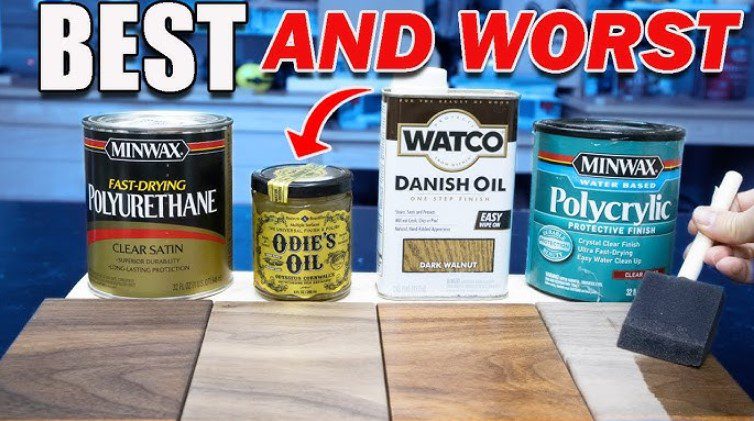
Credit: www.youtube.com
Durability And Strength
Polyacrylic offers good wear resistance. It handles daily use well. Surfaces stay smooth longer. Polyurethane is tougher. It resists scratches better. High-traffic areas benefit from its strength. Polyurethane keeps its shine. It stands up to heavy use. Polyacrylic is more affordable. But it may not last as long. Choose wisely based on needs.
Polyurethane excels at impact resistance. It absorbs hits well. It reduces damage from falls. Polyacrylic is less forgiving. Heavy impacts can cause dents. Polyurethane is ideal for floors. It holds up under pressure. Polyacrylic is lighter. It suits less demanding spaces. Consider location and use. Both have unique benefits.
Application Areas
Polyacrylic is used in paints and coatings. It is popular for its fast drying ability. Polyurethane is used in heavy-duty coatings. It is known for durability. Factories use it to protect floors and machinery. Polyacrylic provides a smooth finish. Polyurethane can handle tough environments. Both are crucial in construction. They help keep surfaces safe.
Polyacrylic is common in home projects. It is ideal for furniture and crafts. Polyurethane is found in flooring and appliances. It offers strong protection. Polyacrylic is good for indoor items. Polyurethane works well outdoors. Both make items last longer. They are chosen for their unique benefits.
Environmental Impact
Polyacrylicis not easily recyclable. It often ends up in landfills. This can harm the environment. Polyurethanecan be recycled, but it needs special processes. Recycling helps reduce waste. It is better for the planet.
Both materials have toxic chemicals. These can be harmful. Polyacrylic releases fewer toxins. It is safer for indoor use. Polyurethane can release more toxins. It is more dangerous when not handled right. Safety is very important. Always use in well-ventilated areas. This helps reduce risks.
Cost Considerations
Polyacrylic is often less expensive at the start. Polyurethane might cost more initially. The price for polyacrylic is around $20 to $30 per gallon. Polyurethane can range from $25 to $50 per gallon. The choice depends on your budget. Both offer good value. But prices can vary by brand.
Polyurethane lasts longer on surfaces. Polyacrylic may need more coats over time. Durability can affect how much you spend later. Polyurethane protects better against scratches. This means fewer repairs. Choosing carefully can save money. Think about how long you want it to last.
Aesthetic Differences
Polyacrylic finishesare often clear and shiny. They make surfaces look bright. This is good for light-colored wood. Polyurethane finishescome in many types. You can find glossy and matte options. Glossy finishes shine a lot. Matte finishes are soft and less shiny.
Polyacrylic keeps color well. It does not turn yellow over time. Polyurethanemight change color a bit. It can turn slightly yellow. This happens especially with oil-based types. Water-based types stay clear for longer.
Ease Of Use
Polyacrylic is easy to apply with a brush. It dries fast. Great for quick projects. Polyurethane needs careful brushing. It can leave marks if not careful. Both are safe for indoors. Polyacrylic has less smell. Polyurethane can smell strong. Good ventilation helps. Choose based on project needs.
Polyacrylic cleans with soap and water. Very simple. Polyurethane needs special cleaners. It is more durable. Polyacrylic may need touch-ups. Polyurethane lasts longer. Less maintenance over time. Both protect wood well. Choose based on how much care you want.
Credit: www.reddit.com
Performance In Extreme Conditions
Polyacrylic can handle some heat but not too much. Polyurethane is better when it’s hot or cold. It doesn’t crack or peel. Polyurethane stays strong in high heat. It also works well when it’s cold. So, for both heat and cold, polyurethane is a better choice.
Polyurethane is great with water. It keeps things dry and safe. Polyacrylic can resist water too, but not as well. In wet places, polyurethane is the winner. It blocks water and keeps surfaces dry. This makes it a good choice for bathrooms and kitchens.
Credit: www.luxuryhomestuff.com
Frequently Asked Questions
Which Is Better, Acrylic Or Polyurethane?
Acrylic is best for flexibility and UV resistance. Polyurethane offers superior durability and chemical resistance. Choose based on your needs.
How Long Does Polycrylic Take To Dry Compared To Polyurethane?
Polycrylic dries faster, taking about 2 hours. Polyurethane can take 24 hours or more to fully dry. Polycrylic is ideal for quick projects, while polyurethane provides durable protection for surfaces. Choose based on your project’s drying time needs and finish requirements.
Will Polycrylic Seal Wood?
Polycrylic effectively seals wood, providing a protective finish. It enhances durability and resists damage from moisture. Ideal for interior wood surfaces, it dries clear, maintaining the wood’s natural appearance. Quick-drying and easy to apply, polycrylic is popular for furniture and trim projects.
Always follow the manufacturer’s instructions for best results.
Is Polycrylic Or Polyurethane Better For Kitchen Cabinets?
Polyurethane is better for kitchen cabinets due to its durability and moisture resistance. It withstands heat, making it ideal for kitchen environments. Polycrylic is easier to apply and dries quickly but is less durable. For lasting protection, especially in busy kitchens, polyurethane is the preferred choice.
Conclusion
Choosing between polyacrylic and polyurethane depends on your needs. Polyacrylic is great for indoor projects. It dries fast and is easy to clean. Polyurethane is stronger, ideal for surfaces needing durability. It’s perfect for outdoor use. Consider the finish, too.
Polyacrylic offers a softer look, while polyurethane gives a glossy shine. Think about the environment as well. Polyacrylic is water-based, more eco-friendly. Polyurethane can be oil-based, more resistant. Each has its strengths and weaknesses. Decide based on your project requirements.
Both finishes can protect and beautify your work. Choose wisely for the best results.