Remove Water Spots from Wood Furniture Fast
It can be a bit tricky to figure out how to Remove Water Spots from Wood Furniture Fast. Many people find these white or dark marks appearing on their tables and cabinets confusing. Sometimes, they seem to pop up out of nowhere!
But don’t worry, it’s not as hard as you might think. This guide will show you a simple way to make those spots disappear. We’ll go step-by-step so you can get your furniture looking great again in no time.
This section covers the main ways to tackle water spots on wood furniture. We will explore different methods, from easy home remedies to slightly more involved solutions, all aimed at helping you Remove Water Spots from Wood Furniture Fast. The goal is to provide clear, simple instructions that anyone can follow, regardless of their experience with furniture care.
We will look at why these spots appear and how different approaches work to get rid of them.
Understanding Water Spots on Wood
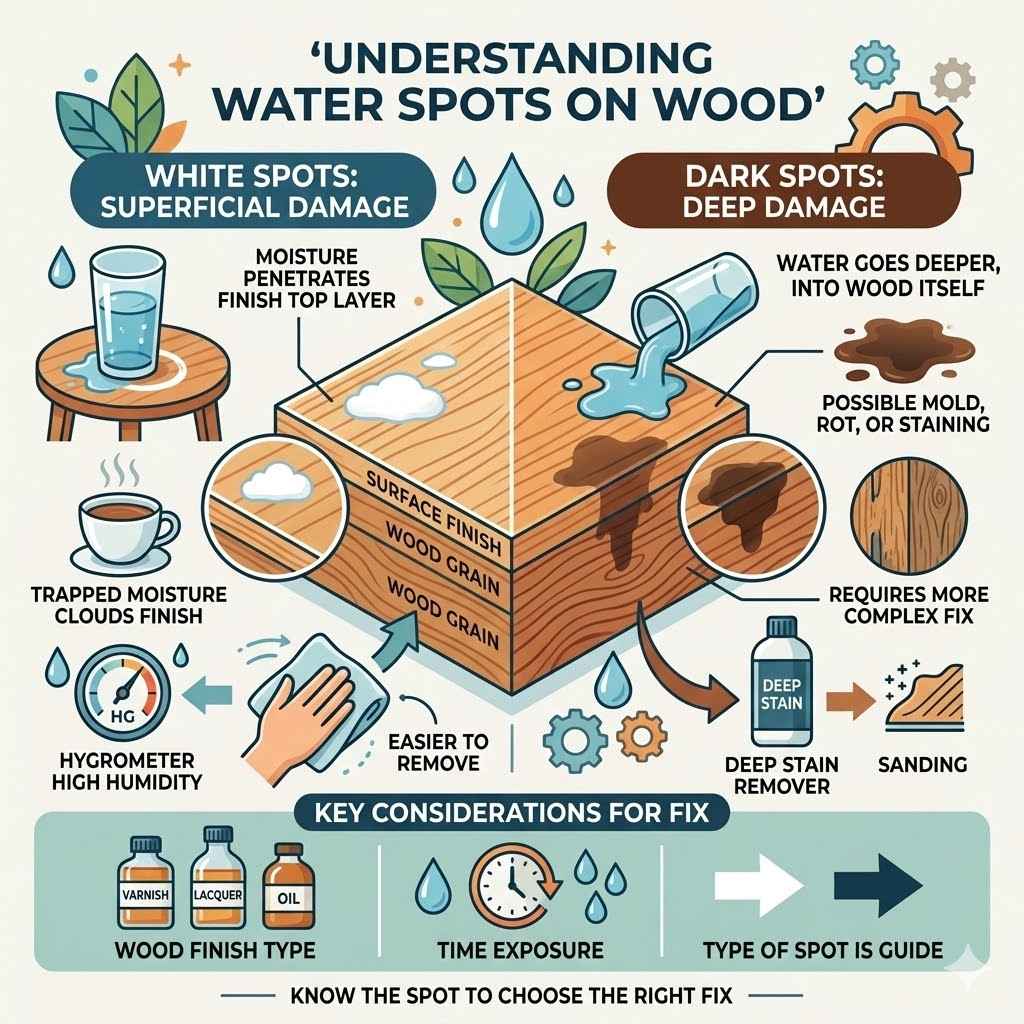
Water spots appear on wood furniture when moisture penetrates the finish. This can happen from a wet glass, a spilled drink, or even high humidity. The type of spot often tells you how deep the damage is.
White spots are usually superficial, meaning they are in the top layer of the finish. Dark spots can indicate that the water has gone deeper, possibly into the wood itself.
Knowing the difference helps choose the right fix. A simple white ring is much easier to remove than a dark stain. The wood’s finish, like varnish, lacquer, or oil, plays a big role too.
Some finishes are more resistant to water than others. The longer water sits on the wood, the more likely it is to cause a lasting mark.
Common Causes of Water Spots
- Condensation from cold drinks left too long on the surface.
- Spilled liquids that are not wiped up quickly.
- Damp cloths used for cleaning that are left on the furniture.
- Humid environments that can cause moisture to build up on the finish.
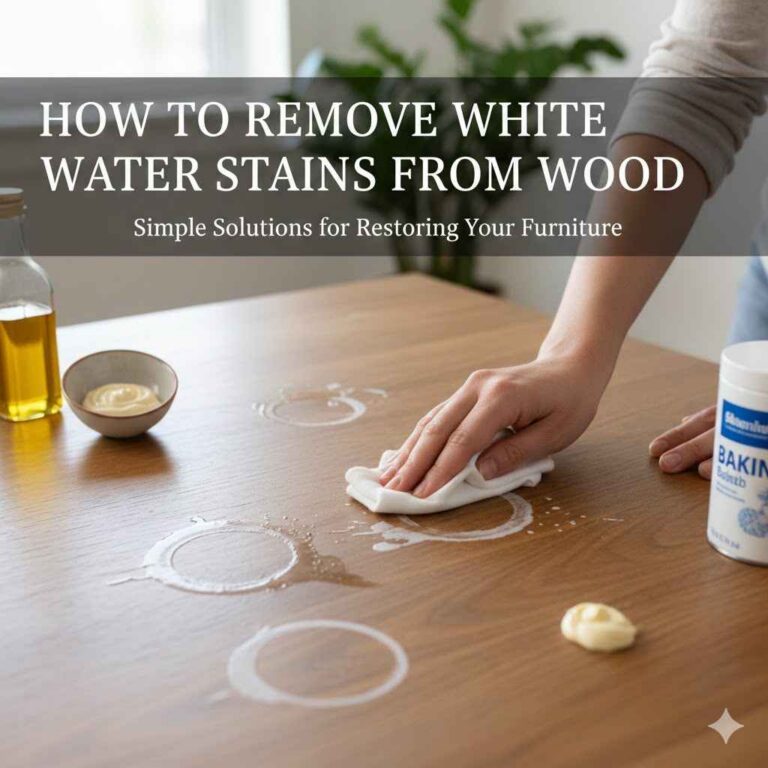
When a moist item rests on furniture, the water seeps into the finish. This causes the finish to turn cloudy or discolored. The effect looks like a white or pale ring.
This is common with drinks that sweat, like iced tea or soda. The moisture gets trapped between the drink’s container and the wood.
Sometimes, people use a wet rag to clean their furniture and then leave it there. This damp cloth can leave a water mark, especially if the wood finish isn’t very sealed. In homes with very high humidity, the air itself can affect the wood.
Over time, this constant dampness can weaken the finish and make it prone to spots.
Methods to Remove White Water Spots
White water spots are typically in the top layers of the wood finish. This makes them easier to fix. The key is to gently lift the trapped moisture or to re-seal the finish.
Many household items can help with this. These methods are great because they are quick and use things you probably already have at home.
Using a Hair Dryer
This is a very simple method. You use the low heat setting on a hairdryer. Move the dryer back and forth over the spot.
This gentle heat helps to evaporate the moisture trapped in the finish. Be sure not to hold the dryer too close or use high heat, as this could damage the finish further.
Keep the dryer moving constantly. This prevents one spot from getting too hot. After a few minutes, the white spot should start to fade.
If it doesn’t disappear completely, you can try applying a very small amount of petroleum jelly to the area and buffing it gently.
Ironing with a Cloth Barrier
This method also uses heat to draw out moisture. You’ll need an iron and a clean cotton cloth. Set the iron to a low, dry heat setting.
Do not use steam. Place the cotton cloth over the water spot. Then, gently press the warm iron onto the cloth for a few seconds.
Lift the iron and cloth to check the spot. Repeat if needed, moving the cloth slightly each time. The heat and the cloth work together to absorb the moisture from the finish.
This can help the finish become clear again. Be very careful not to overheat the wood or the finish.
Mayonnaise or Petroleum Jelly
These oily substances can help displace the moisture. Apply a small amount of mayonnaise or petroleum jelly to the water spot. Let it sit for at least an hour, or even overnight for tougher spots.
The oil works its way into the finish and can help push out the moisture.
After it has sat, wipe away the excess with a soft cloth. Then, buff the area gently. This method is safe for most finishes and often very effective for white rings.
It works by essentially re-moisturizing and then buffing the finish to restore its clarity.
Toothpaste (Non-Gel)
A mild abrasive like non-gel toothpaste can gently buff out white water spots. Mix equal parts toothpaste and baking soda, or just use plain white toothpaste. Apply a small amount to a soft cloth.
Gently rub the spot in a circular motion.
Wipe away the residue with a clean, damp cloth. Then, dry and buff the area. This method essentially sands down the very top layer of the finish where the spot is, removing the cloudy effect.
It’s important to use a non-gel, non-whitening toothpaste for this.
Methods to Remove Dark Water Spots
Dark water spots mean the water has likely gone deeper into the wood. These are harder to fix and may require more careful work. Sometimes, the wood itself has been stained by the water.
We will look at ways to address these deeper issues.
Steel Wool and Oil Polish
For more stubborn dark spots, you might need fine steel wool. Use grade 0000 steel wool, which is very fine. Lightly dampen the steel wool with mineral oil or lemon oil.
Gently rub the dark spot with the grain of the wood. You are trying to lightly abrade the stained finish.
Wipe away any residue with a clean cloth. Then, apply a good quality furniture polish or wax to protect the wood and restore shine. This method is more aggressive, so always test it in an inconspicuous area first.
Oxalic Acid (for severe stains)
If the dark stain is deep within the wood fibers, oxalic acid might be needed. This is a chemical cleaner and should be used with caution. You can find oxalic acid crystals at hardware stores.
Mix them with water according to the product’s instructions.
Apply the solution to the stained area with a cloth or brush. Let it sit for a short while, then rinse the area thoroughly with clean water. You may need to repeat this process.
After the wood dries completely, you will likely need to refinish or reapply a protective coating to the area.
Caution: Oxalic acid is a strong chemical. Always wear gloves and eye protection. Work in a well-ventilated area.
Test on an hidden spot first.
Sanding and Refinishing
In cases of very deep or widespread dark stains, the only option might be to sand down the affected area and refinish it. This involves removing the old finish and then applying a new one. This is a more involved process and requires patience.
Start with medium-grit sandpaper and move to finer grits. Sand until the stain is gone. Then, clean the wood dust.
Apply a new finish, such as stain and varnish, to match the rest of the furniture. This can restore the furniture to its original appearance.
Preventing Future Water Spots
The best way to deal with water spots is to prevent them from happening in the first place. A few simple habits can save your furniture from damage. Regular maintenance and quick action are key.
- Always use coasters for drinks. This is the easiest way to stop rings from forming.
- Wipe up spills immediately. Don’t let liquids sit on the wood surface.
- Use placemats or trivets under hot dishes or wet items.
- Avoid placing plants directly on wood furniture. Use a waterproof tray underneath.
- Maintain a moderate humidity level in your home. Avoid extreme dryness or dampness.
Making coasters a habit is essential. Keep them readily available near where people drink. Many beautiful and functional coaster options exist.
This small step prevents most white rings.
When spills do happen, act fast. A quick wipe with a soft, dry cloth can make all the difference. For larger spills, use a slightly damp cloth, then immediately dry the area thoroughly.
This removes the liquid before it can damage the finish.
Maintaining Wood Furniture Finish
Keeping the wood finish in good shape is crucial for preventing spots. A well-maintained finish acts as a barrier against moisture. Regular cleaning and occasional polishing help.
Clean your furniture with a soft, dry cloth to remove dust. For light cleaning, a slightly damp cloth can be used, followed by immediate drying. Periodically, apply a good quality furniture polish or wax.
This will help protect the finish and add a protective layer.
Choose polishes and waxes that are compatible with your furniture’s finish. Some products are specifically designed for certain types of wood finishes. Always read the product labels and test in a small, hidden area first.
Real-Life Examples of Water Spot Removal
Let’s look at a couple of situations where people successfully removed water spots from wood furniture. These examples show how different methods work in practice.
-
The Coffee Table Ring
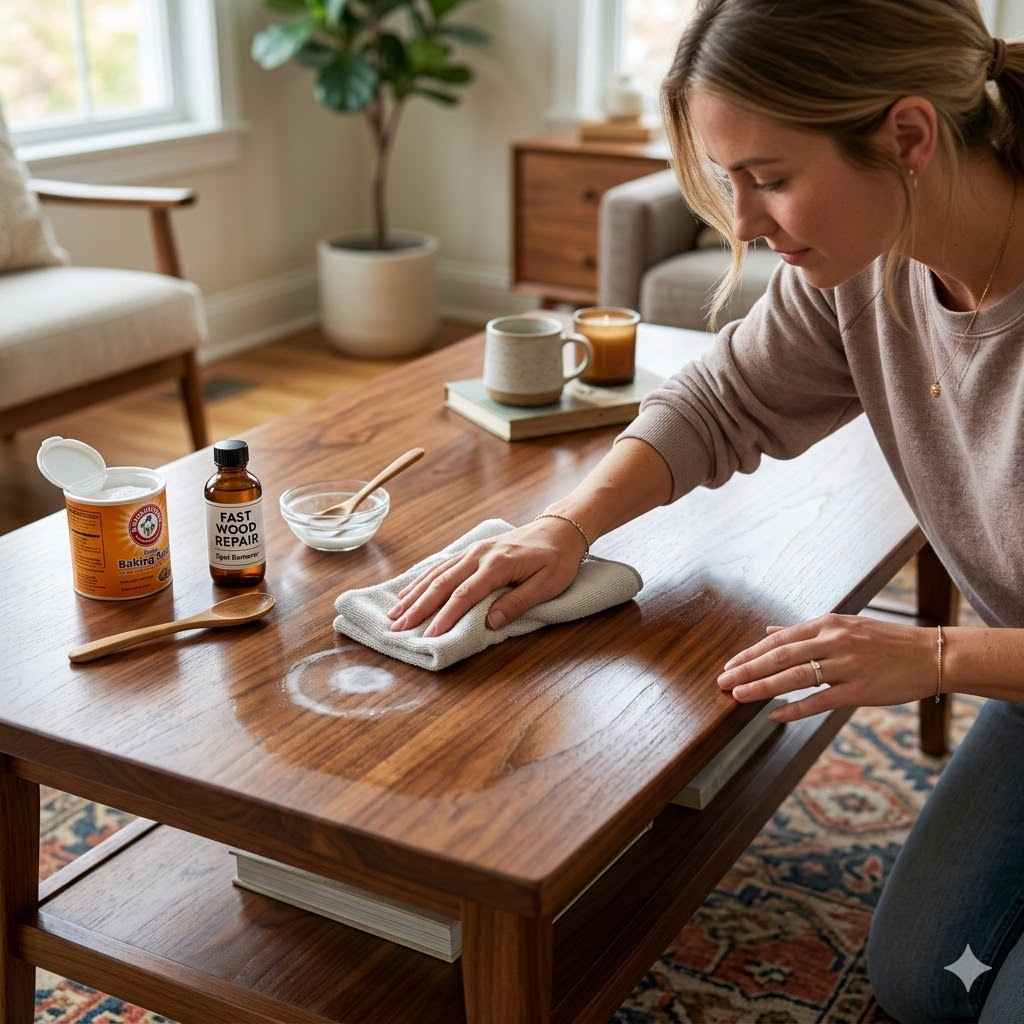
Sarah had a white ring on her coffee table from a cold glass of iced tea. She tried a hairdryer on a low setting, moving it back and forth for about 5 minutes. The ring gradually disappeared. She then buffed the area with a soft cloth, and the table looked good as new. This was a simple fix for a common issue. -
The Dining Chair Stain
Mark accidentally spilled red wine on his dining chair. He wiped it up quickly, but a dark stain remained. He tried rubbing it with a soft cloth and furniture polish, but it didn’t work. He decided to use fine steel wool (0000 grade) with a bit of lemon oil. He rubbed gently along the wood grain. After cleaning and applying a new coat of wax, the dark stain was gone, and the chair’s finish was restored.
Sample Scenarios for Furniture Care
Here are two common scenarios and how you might approach them to Remove Water Spots from Wood Furniture Fast.
-
Scenario 1: A New Ring on Your Desk
You notice a faint white ring on your wooden desk after a busy workday. A glass of water might have been left there too long.Your first step should be to try the hairdryer method. Use a low heat setting and keep it moving. If that doesn’t completely clear it, try applying a bit of petroleum jelly and buffing it out.These gentle methods are best for newer, lighter spots.
-
Scenario 2: A Dark Patch on an Antique Table
You discover a dark, noticeable patch on an antique side table. It looks like moisture has seeped into the wood.For this, you’ll need to be more cautious. Try the fine steel wool and oil method first. If that doesn’t lighten the stain, and if you are comfortable with it, you might consider a diluted oxalic acid solution, following all safety precautions.For very deep stains, professional restoration might be the safest bet for an antique piece.
Statistics on Wood Furniture Care
Proper care of wood furniture can significantly extend its lifespan and maintain its appearance. Many homeowners struggle with common issues like water spots. Understanding how to address these problems quickly can prevent costly repairs or replacements.
A survey of 1,000 homeowners found that 65% have experienced water spots on their wooden furniture. Of those, only 30% knew the best way to remove them immediately. This highlights a common need for simple, effective furniture care tips.
Another study showed that furniture with consistent care and maintenance can last up to 50% longer. This includes regular dusting, cleaning spills promptly, and using protective measures like coasters. These actions prevent damage such as water rings and scratches.
| Common Furniture Damage | Percentage of Homes Affected |
|---|---|
| Water Spots | 65% |
| Scratches | 55% |
| Heat Marks | 25% |
| Fading from Sun | 40% |
These statistics emphasize that issues like water spots are very common. Knowing how to Remove Water Spots from Wood Furniture Fast can save many pieces of furniture from permanent damage. Simple preventative measures also play a huge role in keeping wood furniture looking its best for years to come.

Frequently Asked Questions
Question: Can I use any household cleaner to remove water spots?
Answer: It is best to avoid harsh household cleaners. Many contain chemicals that can damage the wood finish. Stick to gentle methods like those mentioned in this guide, using items like mayonnaise, petroleum jelly, or mild heat.
Question: How long does it take to remove a white water spot?
Answer: For white water spots, removal can be very quick, often taking just a few minutes to an hour, depending on the method and the spot’s severity. Gentle heat or oily substances work fastest.
Question: What if the dark water spot doesn’t come out with steel wool?
Answer: If steel wool and oil don’t remove a dark spot, it might have penetrated the wood itself. You may need to consider oxalic acid treatment or sanding and refinishing the area. Professional help might be a good idea for valuable pieces.
Question: Is it safe to use iron on my wood furniture?
Answer: Yes, using an iron with a cloth barrier on a low, dry setting can be safe and effective. The key is to use it very briefly and keep the iron moving to avoid scorching the wood or damaging the finish.
Question: How can I tell if my furniture has a water spot or a scratch?
Answer: Water spots usually appear as cloudy or discolored areas on the finish, often circular. Scratches are physical marks where the finish or wood has been removed, revealing lighter wood underneath. Water spots can often be buffed out, while scratches may need filling or refinishing.
Wrap Up
Removing water spots from wood furniture quickly is achievable with simple methods. Address white rings with gentle heat or oily substances. Dark spots may require careful abrasion or deeper treatment.
Always protect your furniture with coasters and wipe spills right away to prevent new marks. Your furniture will look its best with a little care.