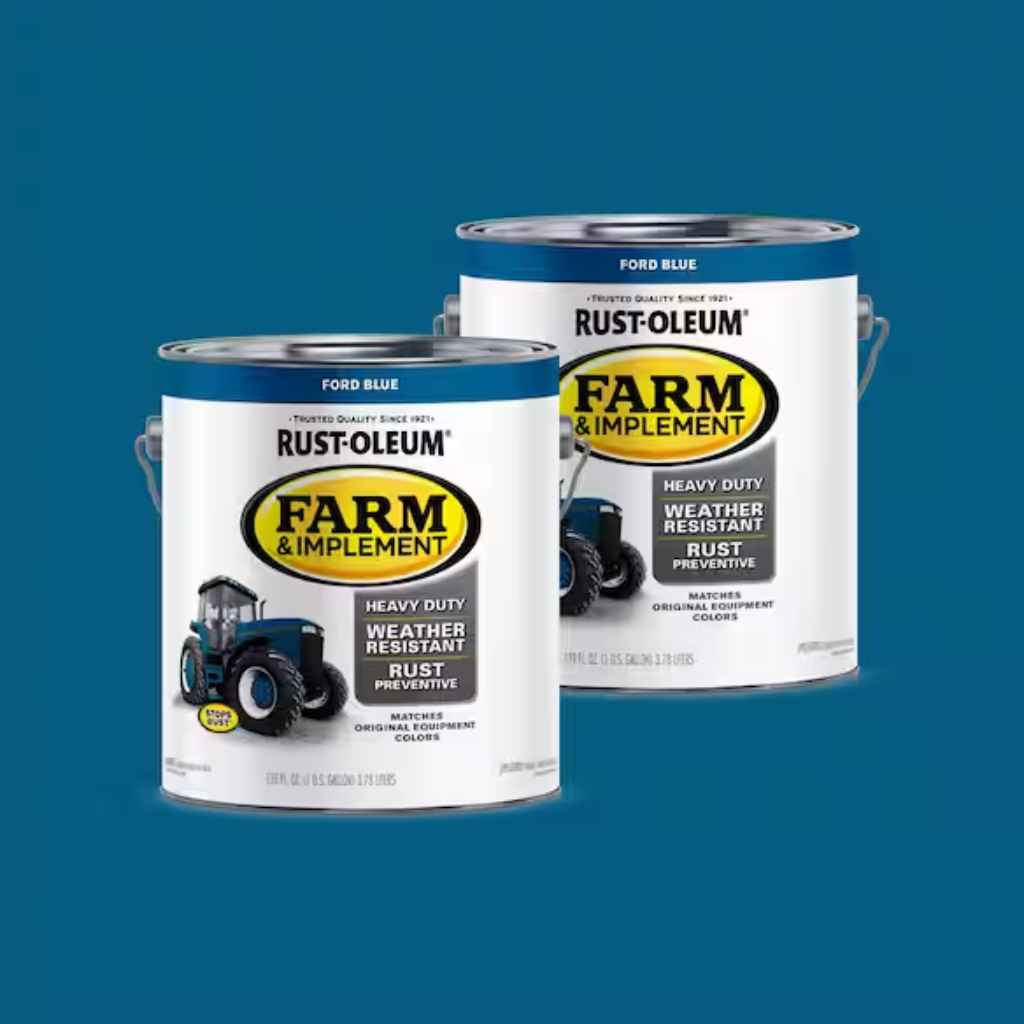
Rustoleum Farm Implement vs Regular Paint
Choosing the right paint for farm equipment can feel tricky sometimes. You might wonder if the special Rustoleum Farm and Implement Paint is really different from the regular stuff you see everywhere. It’s a common question for folks who want their tractors and tools to look good and last long.
This guide breaks it all down simply, step by step. We’ll help you see the clear differences so you can make the best choice. Get ready to learn which paint is right for your job.
Rustoleum Farm and Implement Paint Explained
This section gets into what makes Rustoleum Farm and Implement Paint special. It’s made for tough jobs and outdoor use. We’ll look at its unique features and why it’s different from paints you’d use around the house.
Think of this as learning about the heavy-duty champ of paints for your machines. It’s all about protection and a finish that holds up against the elements and hard work.
What is Farm and Implement Paint?
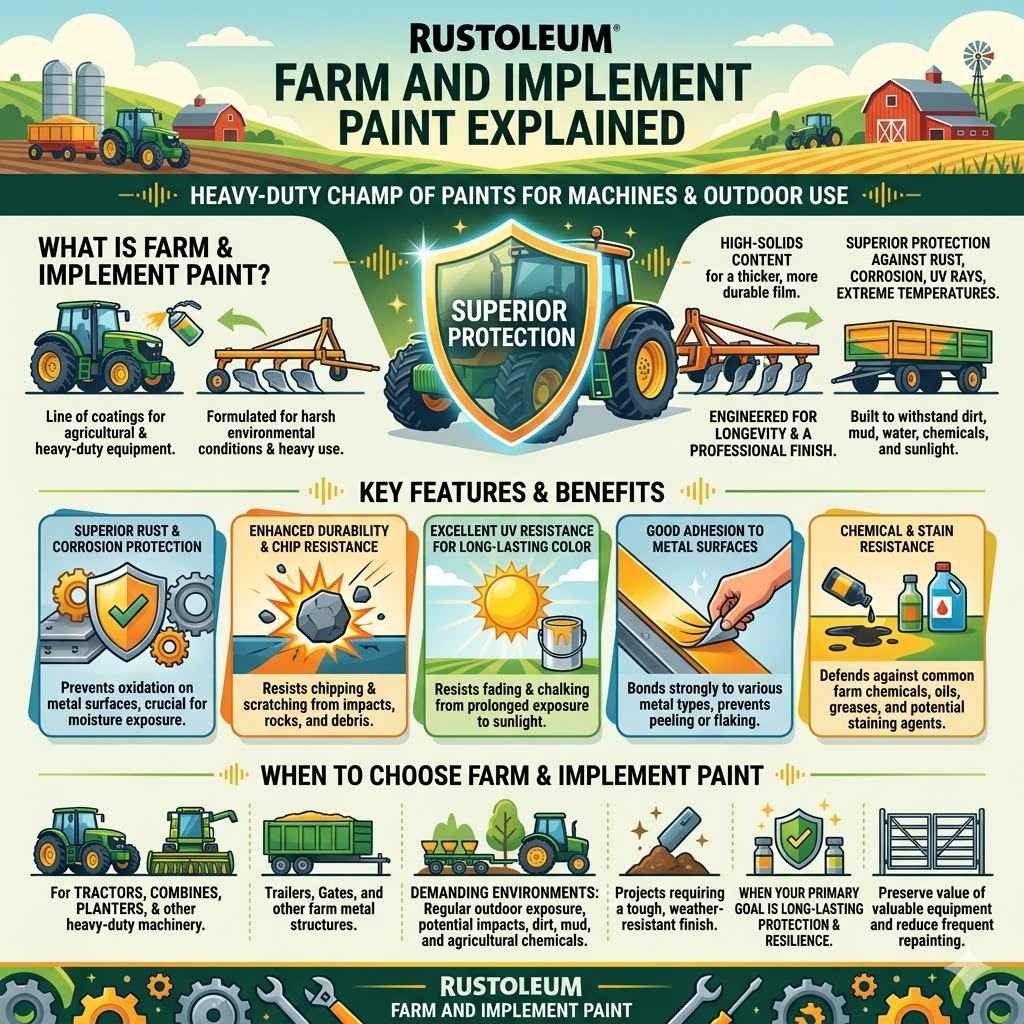
Farm and Implement Paint is a line of coatings specifically designed by Rustoleum for agricultural and heavy-duty equipment. Unlike general-purpose paints, this product is formulated to withstand harsh environmental conditions and heavy use. It provides superior protection against rust, corrosion, UV rays, and extreme temperatures.
The paint typically has a high-solids content, meaning more paint and less solvent, which leads to a thicker, more durable film once applied. This allows it to create a strong barrier against the elements and physical wear and tear that farm machinery experiences daily. It’s engineered for longevity and a professional-looking finish that maintains its appearance over time.
This specialized paint isn’t just about color. It’s about creating a robust shield for your valuable equipment. Think about tractors, plows, trailers, and other machinery that are constantly exposed to dirt, mud, water, chemicals, and direct sunlight.
Regular paints might chip, fade, or peel under such relentless conditions. Farm and Implement Paint is built to resist these challenges. It offers a hard, flexible finish that can handle impacts and vibrations common in farming operations.
This makes it a worthwhile investment for anyone looking to preserve the condition and value of their agricultural assets.
Key Features and Benefits
The primary benefit of Rustoleum Farm and Implement Paint is its exceptional durability. It is formulated with advanced resins and pigments that provide outstanding adhesion to metal surfaces. This strong bond prevents chipping and peeling, even when the equipment is subjected to impacts or scraping.
Furthermore, the paint offers superior rust and corrosion resistance. This is vital for farm equipment, which often operates in damp or corrosive environments. The paint forms a protective barrier that stops rust from forming and spreading, extending the life of the machinery.
Another significant advantage is its UV resistance. Farm equipment spends a lot of time outdoors, exposed to the sun’s damaging rays. This paint is designed to resist fading and chalking caused by UV exposure, ensuring that the equipment maintains its vibrant color and finish for longer.
It also offers good chemical resistance, protecting against common farm chemicals, oils, and greases. This means that accidental spills or exposure won’t quickly degrade the paint job. The paint’s formulation often includes a higher solids content, which translates to better coverage and a thicker, more protective layer with fewer coats needed compared to standard paints.
Superior Rust and Corrosion Protection: This paint acts as a robust shield against rust. It prevents the formation of oxidation on metal surfaces, which is crucial for machinery exposed to moisture and various elements.
Enhanced Durability and Chip Resistance: The paint forms a hard yet flexible coating that can withstand the rough use farm equipment endures. It resists chipping and scratching from impacts, rocks, and debris encountered in fields.
Excellent UV Resistance for Long-Lasting Color: It is formulated to resist fading and chalking from prolonged exposure to sunlight. This ensures that the painted surface retains its original color and sheen for an extended period.
Good Adhesion to Metal Surfaces: The paint is engineered to bond strongly to various metal types commonly found in farm machinery. This strong adhesion prevents it from peeling or flaking off.
Chemical and Stain Resistance: It provides a defense against common farm chemicals, oils, greases, and other potential staining agents. This helps maintain the appearance and integrity of the paint finish.
When to Choose Farm and Implement Paint
You should choose Rustoleum Farm and Implement Paint when your primary goal is long-lasting protection and resilience for equipment used in demanding environments. This includes any machinery that faces regular outdoor exposure, potential impacts, or contact with dirt, mud, and agricultural chemicals. If you’re painting a tractor, combine, planter, or any other heavy-duty farm implement, this paint is the ideal choice.
It’s also a great option for trailers, gates, and other metal structures on a farm that require a tough, weather-resistant finish.
Consider this paint for projects where you need a finish that can withstand years of service without significant degradation. It’s the smart choice for preserving the value of your equipment and reducing the need for frequent repainting. If the equipment experiences significant wear and tear, or if you’re looking for a professional, factory-like finish that will stand up to the elements, this specialized paint delivers superior performance.
It’s the go-to option for ensuring your investments remain in good working order and appearance.
Regular Rustoleum Paint Options
Now, let’s talk about the other side of the coin: regular Rustoleum paints. Rustoleum offers a vast array of paints for many different uses. These paints are great for DIY projects, home improvements, and general touch-ups.
They come in many colors and finishes, making them versatile for a wide range of applications. We’ll explore what makes them different from the specialized farm paint and when they might be a good fit.
Types of Regular Rustoleum Paints
Rustoleum offers a wide spectrum of regular paints suitable for various projects. These include their All-Surface Enamel, Painter’s Touch 2X Ultra Cover, and the popular Rust-Oleum Specialty lines. All-Surface Enamel is known for its versatility, adhering well to wood, metal, plastic, and masonry.
Painter’s Touch 2X is a fast-drying spray paint that provides good coverage and comes in a vast array of colors and finishes, ideal for crafts, furniture, and general touch-ups.
The Specialty lines cover niche applications, such as high-heat paints for grills, or hammered finishes for decorative effects. While these paints offer good durability for their intended uses, they are generally not formulated with the extreme resilience required for farm equipment. They might lack the specific additives for superior rust prevention, UV stability, and resistance to harsh agricultural chemicals that the Farm and Implement line provides.
Their primary focus is often on aesthetics and general protection for lighter-duty applications.
When Regular Paints Are Suitable
Regular Rustoleum paints are excellent for a multitude of projects that don’t involve the extreme wear and tear of farm machinery. Think about painting a metal garden bench, a birdhouse, a mailbox, or touching up a metal railing on your porch. These paints offer good protection against rust for light exposure and general use.
They are also a great choice for DIY home improvement projects where durability is important but not to the level of industrial equipment.
If you are looking for a specific color to match your home décor, or if you need to paint furniture, bicycles, or other items that are not exposed to harsh elements or heavy abuse, a regular Rustoleum paint is likely sufficient. They are generally easier to find in local hardware stores and come in a broader range of colors and finishes, offering more creative options for less demanding applications. The cost might also be a factor, as regular paints can sometimes be more budget-friendly.
Limitations of Regular Paints for Farm Use
The main limitation of regular Rustoleum paints when applied to farm equipment is their lack of specialized resilience. They are not formulated to withstand the constant exposure to UV radiation that can cause them to fade and chalk quickly. Furthermore, their rust and corrosion protection might not be as robust, meaning they can fail prematurely when exposed to moisture, mud, and fertilizers common on a farm.
The adhesion might also be weaker on surfaces that are frequently cleaned or subjected to abrasion.
Regular paints can also be more susceptible to damage from chemicals, oils, and greases found in a farm setting. A spill of hydraulic fluid or even certain cleaning agents could break down the paint film, leading to peeling or staining. While they offer a decent finish initially, their lifespan on heavy-duty equipment is significantly shorter compared to specialized formulations.
This can result in more frequent touch-ups and a less consistent appearance over time. For machinery that operates in tough conditions, this lack of specialized protection can be a major drawback.
Rustoleum Farm and Implement Paint vs Regular Comparison
This is where we directly compare the two types of paint. We’ll lay out the differences in their properties, performance, and best uses. Understanding these distinctions will make it clear why one is better suited for specific tasks.
It’s like choosing the right tool for the job; you need the one designed for the work.
Performance Differences
When comparing Rustoleum Farm and Implement Paint to regular Rustoleum paints, performance is the key differentiator. Farm and Implement Paint is engineered for superior adhesion, meaning it sticks better to metal and resists chipping and peeling even under extreme stress. This enhanced durability is crucial for machinery that experiences constant vibration, impacts, and abrasion.
Regular paints, while good for many uses, do not typically offer this level of toughness and may fail under similar conditions.
Another major performance difference lies in environmental resistance. Farm and Implement Paint boasts exceptional UV stability, preventing color fading and chalking from prolonged sun exposure. It also provides superior protection against rust and corrosion, essential in wet, muddy, or chemically-laden farm environments.
Regular paints may offer some UV and rust protection, but it’s generally not to the same high standard, making them less effective for long-term outdoor use on heavy equipment. Chemical resistance also favors the specialized paint, which is designed to withstand farm-specific substances.
| Feature | Rustoleum Farm and Implement Paint | Regular Rustoleum Paint |
|---|---|---|
| Rust & Corrosion Protection | Excellent, highly specialized | Good, for general use |
| UV Resistance (Fading/Chalking) | Excellent, long-lasting color | Moderate, can fade over time |
| Durability & Chip Resistance | Very High, designed for impact | Good, for normal wear |
| Adhesion | Superior, strong bond | Good, standard bond |
| Chemical & Oil Resistance | High, specific to farm chemicals | Moderate, general resistance |
| Intended Use | Farm equipment, heavy machinery | DIY projects, home improvement, crafts |
Cost and Value
When looking at cost, Rustoleum Farm and Implement Paint is typically more expensive per can than its regular counterparts. This is because of the specialized ingredients, advanced formulations, and rigorous testing that go into creating a product designed for extreme performance. The higher price reflects the superior quality and durability it offers.
For example, a gallon of farm and implement paint might cost $50-$70, while a similar size can of regular enamel might be $25-$40.
However, when considering the overall value, the specialized paint often proves more cost-effective in the long run. Because it lasts much longer and requires fewer touch-ups or re-applications, the total cost of ownership can be lower for farm equipment. A regular paint job on a tractor might need recoating every few years, adding labor and material costs.
The robust protection of Farm and Implement Paint means you might only need to repaint after many years, making the initial higher investment a saving over time. It preserves the equipment’s appearance and protects its value.
Application Considerations
Applying Rustoleum Farm and Implement Paint often requires similar preparation to regular paints, but with an emphasis on a perfectly clean and rust-free surface. Proper surface preparation is key to achieving maximum adhesion and durability. This typically involves degreasing, sanding to create a profile for the paint to grip, and applying a rust-inhibiting primer if necessary, though many farm paints contain rust inhibitors.
The paint itself might have specific thinning or drying time recommendations that are tailored for its heavy-duty application.
Regular Rustoleum paints can also be applied using brushes, rollers, or spray cans. They often have a slightly more forgiving application process and might dry a bit faster, which can be convenient for smaller, quicker projects. However, for farm equipment, taking the extra time for thorough prep and following the specific application guidelines for the Farm and Implement Paint is crucial.
This ensures you get the full benefit of its protective qualities and achieve a finish that will last.
How to Choose the Right Paint for Your Project
Deciding between Rustoleum Farm and Implement Paint and a regular Rustoleum product comes down to a few simple questions about your project. What are you painting? How will it be used?
What kind of protection do you need? Answering these will point you in the right direction. We’ll guide you through making this choice confidently.
Assessing Your Project Needs
To choose the right paint, first think about the object you intend to paint. Is it a piece of farm machinery that will be exposed to mud, sun, and potential impacts daily? Or is it a decorative item for your home that will be kept indoors or in a sheltered area?
The environment and the stresses the painted item will endure are critical factors. For example, a tractor plow faces far more abrasion and corrosive elements than a metal patio chair.
Consider the desired lifespan of the paint job. Are you looking for a quick fix or a long-lasting, protective finish that will maintain its appearance for years? Also, think about the value of the item you are painting.
Protecting a valuable piece of equipment with a more durable, specialized paint can save you money and hassle in the long run by preventing damage and extending its useful life. This assessment helps narrow down your options significantly.
When Farm and Implement Paint is the Clear Winner
Rustoleum Farm and Implement Paint is the clear winner when you are painting any type of agricultural equipment, construction machinery, or any metal item that will be subjected to harsh outdoor conditions. This includes tractors, harvesters, plows, trailers, industrial equipment, and even metal fences or gates that need extreme protection. If your priority is maximum resistance to rust, corrosion, UV rays, and physical wear, this is the paint to choose.
It’s also the best choice if you want a finish that looks professional and factory-like for years. The durability and longevity of this paint mean you won’t have to repaint as often, saving you time and money in the long run. For projects where the investment in the equipment is significant, using the right protective coating is a smart way to maintain its value and functionality.
It’s the superior option for anything that needs to withstand the toughest environments.
When Regular Paint Might Suffice
Regular Rustoleum paints are a good choice for projects where the item will not experience extreme wear, harsh weather, or constant exposure to corrosive elements. This includes painting indoor or sheltered metal items like filing cabinets, metal shelves, garage doors, bicycles, or outdoor furniture that is regularly maintained or stored indoors during harsh seasons. If you are looking for a wide variety of colors and finishes for decorative or aesthetic purposes on less demanding applications, regular paints offer more options.
They are also a suitable option for smaller touch-up jobs on items that already have a durable coating or for projects where budget is a primary concern and the item’s exposure is minimal. For instance, painting a small metal planter or a decorative garden stake might not require the heavy-duty protection of farm and implement paint. In these cases, a good quality regular enamel will provide adequate protection and a pleasing finish.
Tips for Application and Maintenance
Once you’ve chosen the right paint, proper application and maintenance are key to its performance. We’ll cover how to get the best results and keep your painted equipment looking great. It’s about making sure your hard work pays off with a long-lasting finish.
Surface Preparation is Crucial
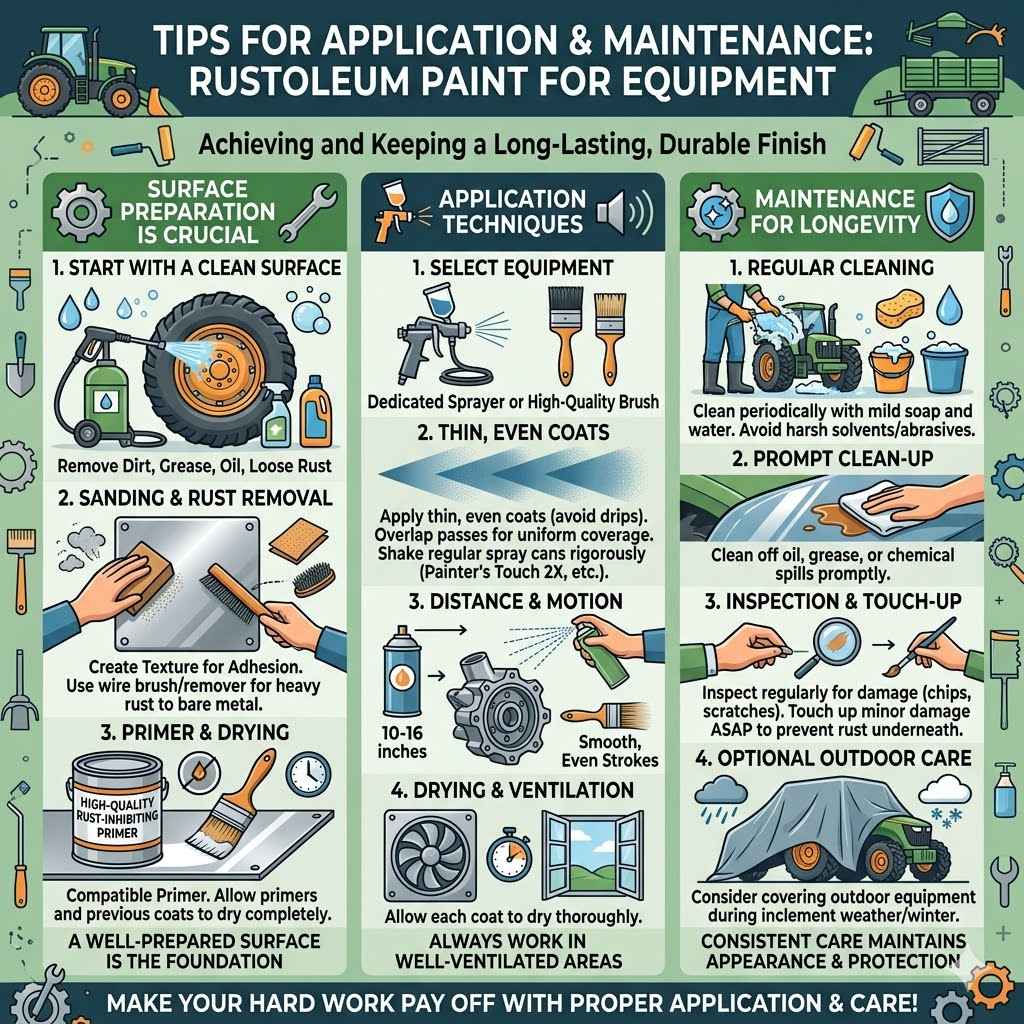
No matter which Rustoleum product you choose, proper surface preparation is the most critical step for a lasting finish. For both Farm and Implement Paint and regular paints, you must start with a clean surface. Remove all dirt, grease, oil, and loose rust.
Sanding the surface is essential to create a rough texture that the paint can adhere to. For heavily rusted areas, consider using a rust remover or wire brushing to get down to clean metal.
If you’re using a primer, ensure it’s compatible with your chosen paint. For Farm and Implement Paint, especially on bare metal, a high-quality rust-inhibiting primer can offer an extra layer of protection. Always allow primers and previous coats to dry completely according to the manufacturer’s instructions before applying the next coat.
A well-prepared surface is the foundation for any durable paint job.
Application Techniques
When applying Rustoleum Farm and Implement Paint, using a high-quality brush or a dedicated sprayer is often recommended for the best results. If brushing, use smooth, even strokes to avoid brush marks. If spraying, maintain a consistent distance from the surface and use overlapping passes to ensure uniform coverage.
Apply thin, even coats rather than one thick coat, which can lead to drips and uneven drying. Allow each coat to dry thoroughly according to the product’s instructions before applying the next.
For regular Rustoleum paints, especially spray cans like Painter’s Touch 2X, shake the can vigorously for at least one minute before use. Hold the can about 10-16 inches from the surface and spray in a steady back-and-forth motion, overlapping each pass slightly. For brush or roller application of regular paints, follow similar principles of thin, even coats and proper drying times.
Always work in a well-ventilated area.
Maintenance for Longevity
Regular maintenance is key to extending the life of any paint job. For equipment painted with Rustoleum Farm and Implement Paint, clean the surfaces periodically with mild soap and water. Avoid using harsh solvents or abrasive cleaners that can damage the paint.
Promptly clean off any spills of oil, grease, or chemicals. Inspect the paint regularly for any signs of damage, such as chips or scratches.
If you find minor damage, touch it up as soon as possible to prevent rust from forming underneath. For regular paints, follow similar cleaning practices. If the item is stored outdoors, consider covering it during inclement weather or winter to minimize exposure to the elements.
Consistent care will help maintain the appearance and protective qualities of the paint for much longer.
Frequently Asked Questions
Question: Is Rustoleum Farm and Implement Paint really worth the extra cost?
Answer: Yes, for farm equipment and heavy machinery, the extra cost is usually worth it. It offers much better durability, rust protection, and UV resistance, meaning it lasts longer and protects your investment better than regular paint.
Question: Can I use regular Rustoleum paint on my tractor if I’m on a tight budget?
Answer: While you can use it, regular paint will not offer the same level of protection or longevity. It will likely fade and chip much faster, requiring more frequent repainting, which can cost more in the long run.
Question: Do I need a special primer for Rustoleum Farm and Implement Paint?
Answer: It’s often recommended to use a rust-inhibiting primer specifically designed for metal, especially if the surface has any existing rust or if you want maximum protection. Check the product label for specific primer recommendations.
Question: How long does Rustoleum Farm and Implement Paint typically last on equipment?
Answer: With proper application and maintenance, Rustoleum Farm and Implement Paint can last for many years, often outperforming regular paints significantly. Factors like usage, environment, and care will influence its lifespan.
Question: What is the main difference in the finish between Farm and Implement Paint and regular paint?
Answer: Farm and Implement Paint typically provides a durable, often semi-gloss or gloss finish that is designed to be tough and easy to clean. Regular paints come in a wider range of finishes like matte, satin, and gloss, but these may not be as durable for heavy-duty applications.
Summary
Choosing between Rustoleum Farm and Implement Paint and regular paint depends on your project. For tough farm equipment facing harsh conditions, the specialized paint offers unmatched durability and protection. Regular paints are great for lighter jobs and decorative uses.
Proper preparation and application are key to any paint’s success, ensuring a long-lasting, good-looking finish.