Shellac Vs Tung Oil: Ultimate Finish Showdown
When it comes to giving your wood projects that perfect finish, you’ve likely come across two popular options: shellac and tung oil. But how do you choose the right one for your masterpiece?
If you’re feeling a bit lost, don’t worry—you’re not alone. This decision can be tricky, especially if you want to achieve the best results for your wooden surfaces. Imagine having the confidence to pick the right finish every time, knowing your choice will enhance the beauty and longevity of your wood.
This article will guide you through the strengths and weaknesses of shellac and tung oil, helping you make an informed choice that suits your needs. Stay with us to discover which finish will bring out the best in your woodwork and transform your projects into stunning creations you’ll be proud to show off.
Origins And Composition
Shellac comes from the lac bug. These bugs live in trees. They produce a sticky resin. People collect this resin. They process it into shellac. It is used to make furniture shiny. It is also used for food and pills. Shellac is natural and safe.
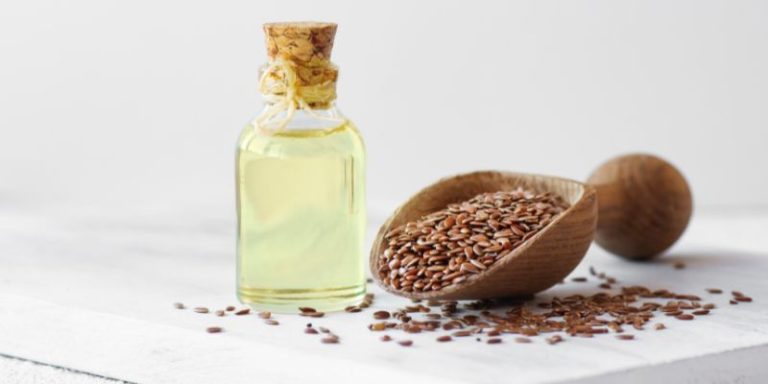
Tung oil comes from the seeds of the tung tree. These trees grow in China and other countries. People press the seeds to get the oil. Tung oil helps to protect wood. It makes wood look good and lasts long. It is natural and eco-friendly.
Shellac is a natural resin. It dissolves in alcohol. It dries fast and is easy to use. Tung oil is a drying oil. It hardens when exposed to air. This makes it strong and water-resistant. Both are good for wood finishes.
Credit: www.craftsy.com
Application Techniques
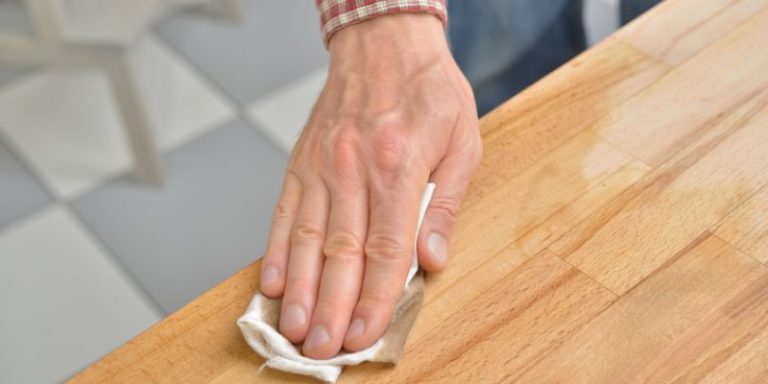
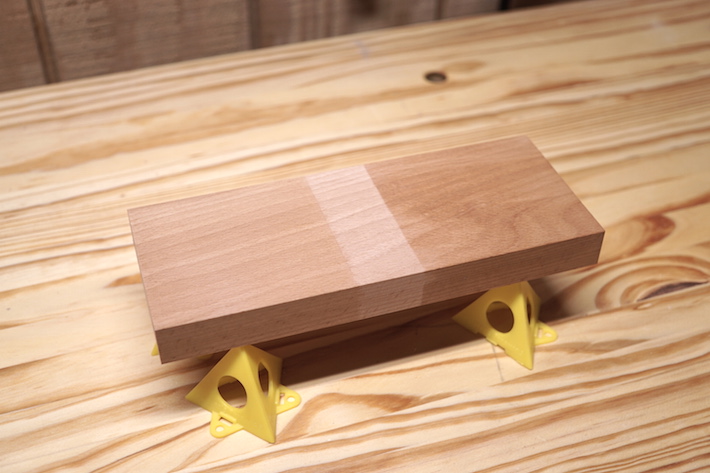
Shellac is easy to apply. Use a brush or a cloth. It dries fast. Thin coats work best. Sand lightly between coats. This gives a smooth finish. Shellac is great for small projects. It’s perfect for beginners. Always work in a ventilated area. This keeps you safe.
Tung oil needs patience. Apply with a clean cloth. Rub it into the wood. Wait for it to soak in. Multiple coats are needed. Let each coat dry fully. This can take a day. Tung oil gives a rich finish. It’s water-resistant too. Perfect for outdoor wood.
| Tool/Material | For Shellac | For Tung Oil |
|---|---|---|
| Brush or Cloth | Yes | Yes |
| Sandpaper | Yes | No |
| Ventilation | Important | Important |
| Patience | No | Yes |
Finish Characteristics
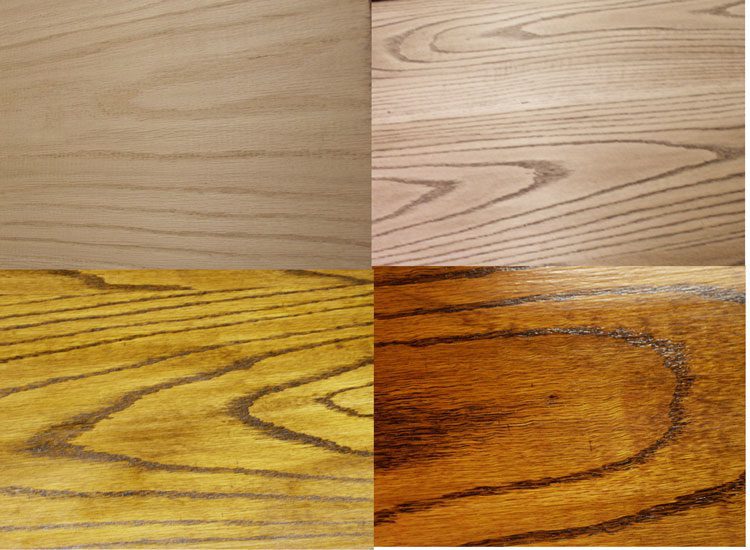
Shellacprovides a glossy and smooth finish. It enhances the natural color of wood. Tung Oiloffers a more matte look. This oil gives a warm, rich texture to wood surfaces. Both finishes highlight the wood grain. Shellac is often shinier. Tung Oil feels more organic and natural.
Shellacis less durable than Tung Oil. It can scratch easily. Tung Oil is known for its strength. It penetrates deep into the wood. This makes it last longer. Shellac may need frequent reapplications. Tung Oil maintains its finish for years.
Environmental Impact
Shellacis made from a bug’s secretion. It is natural and safe. Tung oilcomes from nuts. It is also natural. Both are eco-friendly choices for wood finishes.
Shellac production helps support rural farmers. It doesn’t harm the environment. Tung oil comes from trees, which are renewable. So, both options support sustainability.
Shellac is safe to touch and smell. It is used on food bowls. Tung oil is also safe once dry. It doesn’t release harmful fumes. These choices are good for health.
Cost And Accessibility
Shellacis often priced between $10 to $20 per quart. Tung oilgenerally costs around $20 to $50 per quart. Shellac is usually cheaper. Tung oil can be more expensive.
Shellac is easy to find in most stores. You can find Tung oil at specialty stores. Shellac is more common. Tung oil might be less available in some places.
Shellac offers good value for quick projects. Tung oil provides excellent durability. Shellac is budget-friendly for short-term use. Tung oil gives long-lasting protection. Choose based on project needs.
User Preferences
Choosing between shellac and tung oil depends on user preferences for wood finish. Shellac offers a quick-drying, glossy finish, ideal for decorative pieces. Tung oil provides a natural, durable finish, enhancing wood grain while offering water resistance. Each option suits different project needs and aesthetic desires.
Common Uses
Shellacis often used for furniture and crafts. It dries quickly and adds shine. Many people like it for its easy application. Tung Oilis popular for wood floors and countertops. It makes wood look warm and natural. Both finishes have their own fans. Some prefer the glossy look of shellac. Others love the deep glow of tung oil.
Professional Opinions
Experts have varied thoughts on these finishes. Some say shellacis great for quick projects. It seals well and adds a polished look. Others prefer tung oilfor its durability. It soaks into wood, protecting it from inside. Each finish has its strong points. Professionals often choose based on the project needs.
Customer Reviews
Many customers share their experiences online. Shellac users often praise its shine. They say it brings out wood’s beauty. Tung oil fans love its natural feel. They mention its lasting protection. Reviews highlight the ease of use for both. Some users mix them for unique results. Feedback helps others decide which finish to try.
Comparative Analysis
Shellacis easy to apply. It dries quickly. It gives a glossy finish. It’s made from natural resin. It is safe for toys and furniture. But, it is not water-resistant. It can be damaged by alcohol. This finish can wear off over time. Shellacmay need reapplication frequently.
Tung Oilpenetrates deep into wood. It enhances the grain. It gives a natural look. This oil is water-resistant. It’s also food safe. But, it takes long to dry. It needs many coats. Applying Tung Oilcan be tiring. The finish might turn yellow over time.
Choose Shellacfor a quick and shiny finish. It’s good for indoor items. Opt for Tung Oilfor outdoor use. It’s best for natural looks. Consider the wood type. Think about the project’s needs. Both finishes have their uses. Make the right choice for your project.
Frequently Asked Questions
What Is Shellac Used For?
Shellac is a natural resin used for wood finishes. It provides a protective and glossy coating. It’s also used in arts and crafts for its adhesive properties. Shellac is ideal for sealing and enhancing wood grains, offering a warm tone.
It’s popular in antique restoration due to its traditional appearance.
How Does Tung Oil Protect Wood?
Tung Oil penetrates deeply into wood fibers, providing robust protection. It enhances the natural beauty of wood, offering a matte finish. Tung Oil is resistant to water and alcohol, making it ideal for furniture. It’s a durable option that improves the wood’s longevity.
It also offers protection against scratches and stains.
Which Is Better, Shellac Or Tung Oil?
The choice depends on the desired finish and use. Shellac offers a glossy finish and is easy to apply. Tung Oil provides a durable, matte finish and penetrates deeper. For indoor furniture, Shellac may be ideal. Tung Oil suits outdoor furniture for its protective qualities.
Both have unique advantages for different projects.
Is Shellac Eco-friendly?
Shellac is considered eco-friendly as it’s a natural resin. It’s biodegradable and non-toxic, making it safe for home use. Shellac is harvested sustainably from lac bugs. Its application doesn’t produce harmful fumes. It’s a favorable choice for environmentally-conscious projects, providing a beautiful finish without compromising ecological integrity.
Conclusion
Choosing between shellac and tung oil depends on your needs. Shellac offers a glossy finish. It dries fast and provides great protection. Tung oil gives a natural look. It enhances wood grain and resists water. Consider the project type. Think about the desired finish.
Both options have unique benefits. Shellac is easy to apply. Tung oil is eco-friendly. Evaluate your priorities. Decide based on appearance and durability. Both can beautify wood surfaces. Make your choice wisely. Enjoy the results of your woodworking project.