Should You Paint Door Hinges?
When I first considered painting my door hinges, I thought it might be a quick way to match them to my door’s new color. But after some trial and error, I realized there’s more to it. Painting door hinges can seem like a good idea for aesthetic reasons, but it often leads to issues like sticking, peeling, or even corrosion over time. Let’s break down why this is and explore the best ways to handle your hinges during a home improvement project.
Why Painting Door Hinges Is Usually a Bad Idea
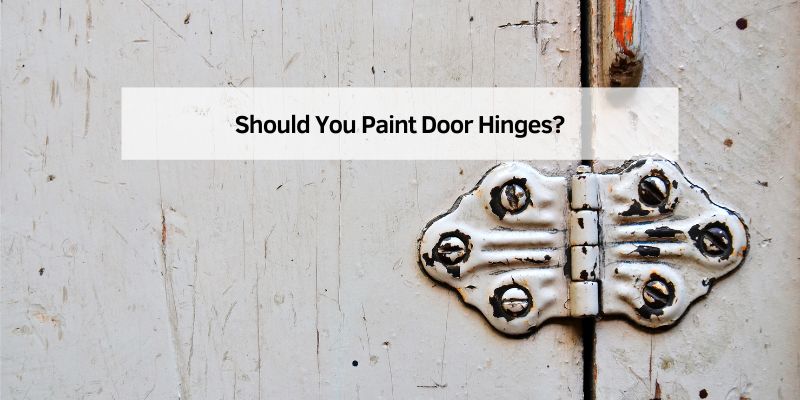
I learned this the hard way after painting a hinge on an old bathroom door. At first, it looked great, blending seamlessly with the fresh white paint. But within weeks, the hinge started sticking, and the paint began to chip. Here’s why painting hinges often causes more harm than good:
- Functionality Issues: Hinges are moving parts. Paint can gum up the mechanism, making the door hard to open or close smoothly. I noticed my door creaked more after painting, and it was frustrating to fix.
- Peeling and Chipping: Hinges flex every time you use the door. Paint isn’t designed to handle that constant movement, so it flakes off, leaving an ugly mess. My bathroom hinge looked worse than before in just a month.
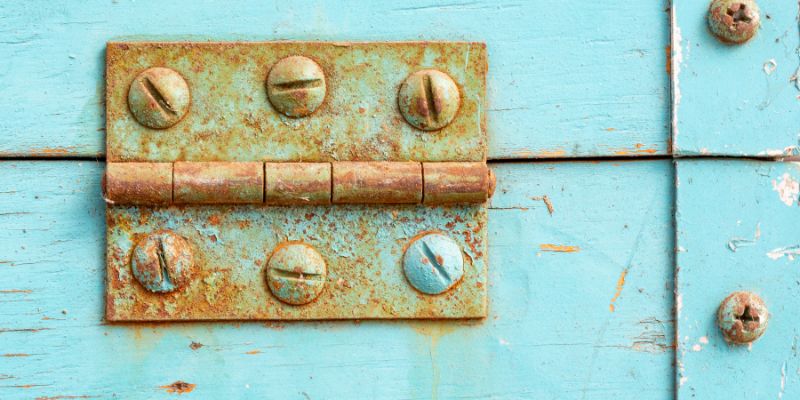
- Corrosion Risk: Paint can trap moisture, especially in humid areas like bathrooms or kitchens. This can lead to rust, which weakens the hinge. I had to replace one hinge because rust set in after painting.
- Warranty Concerns: Many hinge manufacturers warn against painting, as it can void warranties. I checked the fine print on a set of hinges I bought, and sure enough, painting wasn’t allowed.
Instead of painting, I found that cleaning or replacing hinges is usually the better route. But if you’re set on changing their look, there are safer ways to do it, which I’ll cover later.
When Might You Consider Painting Door Hinges?
There are rare cases where painting hinges makes sense, and I’ve tried a couple myself. For instance, I had an old decorative hinge on a vintage cabinet that wasn’t functional—it was purely for show. Painting it worked fine since it didn’t move. Here’s when painting might be okay:
- Non-Functional Hinges: If the hinge is decorative, like on a cabinet or a fixed panel, painting can work. I painted a set of antique hinges on a display cabinet, and they’ve held up well.
- Temporary Fixes: If you’re staging a home for sale and need a quick aesthetic update, a light coat of paint might do the trick. Just know it’s not a long-term solution.
- Specialty Paints: Some paints are designed for metal and flexibility. I experimented with a high-quality spray paint made for metal surfaces, and it held up better than regular paint.
Even in these cases, I’d proceed with caution. Test a small area first, and make sure the hinge is clean and prepped properly.
How to Prep Door Hinges Before Painting
If you decide to paint, preparation is everything. I made the mistake of skipping this once, and the paint peeled off in days. Here’s what I do now to get it right:
- Remove the Hinges: Take the hinges off the door. It’s tempting to paint them in place, but that leads to drips and uneven coverage. I use a screwdriver to remove them carefully.
- Clean Thoroughly: Dirt and grease can ruin your paint job. I soak hinges in warm soapy water, scrub with a brush, and dry them completely.
- Sand Lightly: A quick sanding with fine-grit sandpaper helps the paint stick. I learned this after my first attempt flaked because the surface was too smooth.
- Use a Primer: A metal-specific primer creates a base for the paint. I used a spray primer designed for metal, and it made a huge difference.
- Choose the Right Paint: Go for a durable spray paint meant for metal, like Rust-Oleum. I’ve had good luck with matte finishes that hide imperfections.
Even with prep, I still recommend avoiding painting functional hinges. The effort might not be worth the headache.
Alternatives to Painting Door Hinges
After my painting mishaps, I explored other ways to update my hinges without compromising their function. Here are some options that worked for me:
- Replace the Hinges: Swapping out old hinges for new ones in a finish that matches your decor is a game-changer. I replaced my old brass hinges with sleek black ones, and it transformed the room.
- Clean and Polish: Sometimes, hinges just need a good cleaning. I used a mix of vinegar and baking soda to shine up some tarnished hinges, and they looked brand new.
- Use Rub ‘n Buff: This is a metallic wax you can rub onto hinges for a new finish. I tried it on a set of old hinges, and the antique bronze look was stunning.
- Powder Coating: For a professional finish, powder coating is durable and long-lasting. I sent a set of hinges to a local shop, and they came back looking flawless.
Here’s a quick comparison of these options:
| Method | Cost | Durability | Ease of Application | Best For |
|---|---|---|---|---|
| Replacing Hinges | $5–$20 each | High | Moderate | Long-term updates |
| Cleaning/Polishing | $1–$5 | Moderate | Easy | Restoring old hinges |
| Rub ‘n Buff | $5–$10 | Moderate | Easy | Decorative touch-ups |
| Powder Coating | $10–$30 each | Very High | Hard (needs pro) | Permanent finish |
How to Maintain Door Hinges for Longevity
Keeping hinges in good shape saves you from needing to paint or replace them. I’ve learned a few tricks to keep my hinges working smoothly:
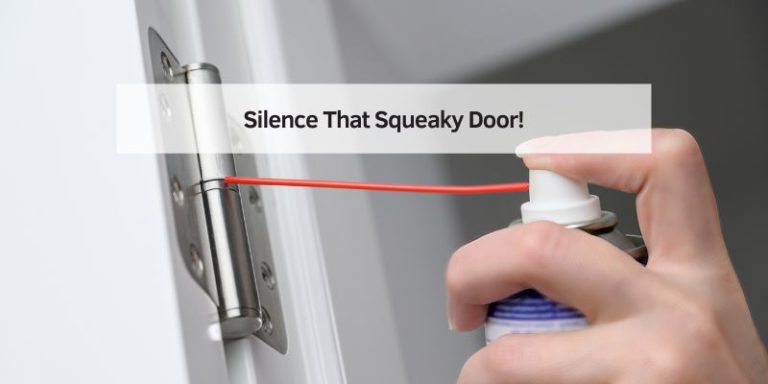
- Lubricate Regularly: A drop of WD-40 or silicone spray keeps hinges quiet and smooth. I do this every six months, and it prevents sticking.
- Tighten Screws: Loose screws can make hinges wobbly. I check mine yearly with a screwdriver to keep them secure.
- Inspect for Rust: In humid areas, rust can sneak up. I wipe down hinges in my bathroom monthly to catch any early signs.
- Avoid Overloading Doors: Heavy doors strain hinges. When I hung a solid wood door, I upgraded to heavier-duty hinges to avoid issues.
These small steps have saved me time and money, keeping my hinges functional and looking good.
Common Mistakes to Avoid with Door Hinges
I’ve made plenty of mistakes working on hinges, and I want you to avoid them. Here are some pitfalls to watch out for:
- Painting Without Removing: Painting hinges while they’re on the door leads to drips and messes. I learned this after ruining a door’s finish.
- Using the Wrong Paint: Regular wall paint won’t cut it. I tried it once, and it peeled off in weeks.
- Skipping Cleaning: Dirty hinges won’t hold paint or polish. I had to redo a set because I skipped this step.
- Ignoring Hinge Type: Not all hinges are the same. I once painted a ball-bearing hinge, and it seized up because of the tight mechanism.
Taking your time and doing it right makes all the difference.
My Personal Experience with Door Hinges
When I moved into my current home, every door had mismatched, tarnished brass hinges. They clashed with my modern decor, and I was tempted to paint them black to match my new door handles. Instead, I decided to replace half and clean the rest. The cleaned ones looked surprisingly good after some elbow grease, and the new black hinges gave my doors a sleek, updated look. It was more work upfront, but I’m glad I didn’t paint them. They’ve held up for years without a single chip or creak.
FAQs
Should You Paint Door Hinges If They’re Rusty?
No, painting rusty hinges is a bad idea. The rust will continue to spread under the paint, causing it to flake. Instead, clean the rust with vinegar or replace the hinges entirely.
Can You Paint Hinges Without Removing Them?
You can, but I don’t recommend it. Paint can drip onto the door or frame, and it’s hard to get even coverage. Removing hinges takes a few extra minutes but gives better results.
What Paint Is Best for Door Hinges?
If you must paint, use a spray paint designed for metal, like Rust-Oleum Universal Metallics. It’s durable and sticks well to prepared surfaces.
How Do You Clean Door Hinges Before Painting?
Soak them in warm soapy water, scrub with a brush, and dry thoroughly. For tough grime, I use a mix of vinegar and baking soda.
Are There Hinges Designed to Be Painted?
Some decorative hinges are made for painting, especially non-functional ones. Check the manufacturer’s guidelines to be sure.
Conclusion
Deciding whether to paint door hinges comes down to balancing aesthetics with functionality. From my own experience, painting often leads to more trouble than it’s worth—sticky hinges, chipped paint, and potential rust are real headaches. Instead, I’ve found that cleaning, polishing, or replacing hinges gives you a polished look without the hassle. If you’re set on painting, prep carefully and use the right products, but know that alternatives like powder coating or new hinges are often smarter choices. Your doors deserve to swing smoothly and look great, so take the time to choose the best approach for your home. Happy home improving!