Should You Paint the Inside of Cabinets
It’s a common question for DIYers: when you’re painting your kitchen or bathroom cabinets, do you go all the way and paint the inside too? This can feel like a tricky step, especially if you’re new to painting projects. You want your cabinets to look great, and sometimes the insides get overlooked.
Don’t worry! We’ll break down exactly what you need to know with simple steps. Let’s figure out if painting the inside of your cabinets is the right choice for you.
Should You Paint the Inside of Cabinets Too?
Many people wonder if they should paint the inside of their cabinets. This often comes up when someone is refreshing their kitchen or bathroom. You might be thinking about giving your old cabinets a new look.
The outside is usually the main focus. But what about the parts you don’t see every day? This is where the question arises.
Should you spend extra time and effort on the insides?
Painting the inside of cabinets can add a special touch. It makes the whole cabinet look finished. It’s not always something people do.
But for some, it makes a big difference. It can make the space feel brighter and cleaner. It also protects the wood from spills or marks.
This guide will help you decide. We will look at the pros and cons. We will also cover how to do it if you choose to paint the insides.
You’ll learn what supplies you need. We’ll also talk about the best way to get a smooth finish. By the end, you’ll know if painting the inside of cabinets is right for your project.
Why Consider Painting Cabinet Interiors?
Deciding whether to paint the inside of your cabinets is a big choice. There are several good reasons why people opt to do this. It’s not just about looks.
It can also be about protection and creating a cohesive look.
A Cohesive and Finished Look
When you paint the outside of your cabinets, they get a fresh new color. But if the inside remains its original wood color or a different shade, it can look unfinished. Painting the insides, even with a coordinating or matching color, makes the entire cabinet feel complete.
It’s like putting the final detail on a piece of art. When you open the cabinet doors, you see a consistent color scheme. This creates a polished and intentional appearance.
Imagine opening your cabinets to find a bright, clean interior that matches the exterior. This can make your kitchen or bathroom feel more put-together. It adds a level of detail that many people appreciate.
It shows you’ve thought about every aspect of your remodel or refresh.
Protection and Durability
Cabinets interiors can get dirty. Things like dust, crumbs, and spills can happen. Painting the inside surfaces can create a barrier.
This makes them easier to clean. A smooth, painted surface is simpler to wipe down than raw wood. This can help keep your cabinets looking good for longer.
Over time, the inside of cabinets can show wear. Wood can get scratched or stained. A coat of paint, especially a durable enamel paint, can add a protective layer.
This can prevent minor damage. It can also make the surfaces more resistant to moisture. This is especially useful in bathrooms where humidity can be an issue.
Enhancing the Interior Space
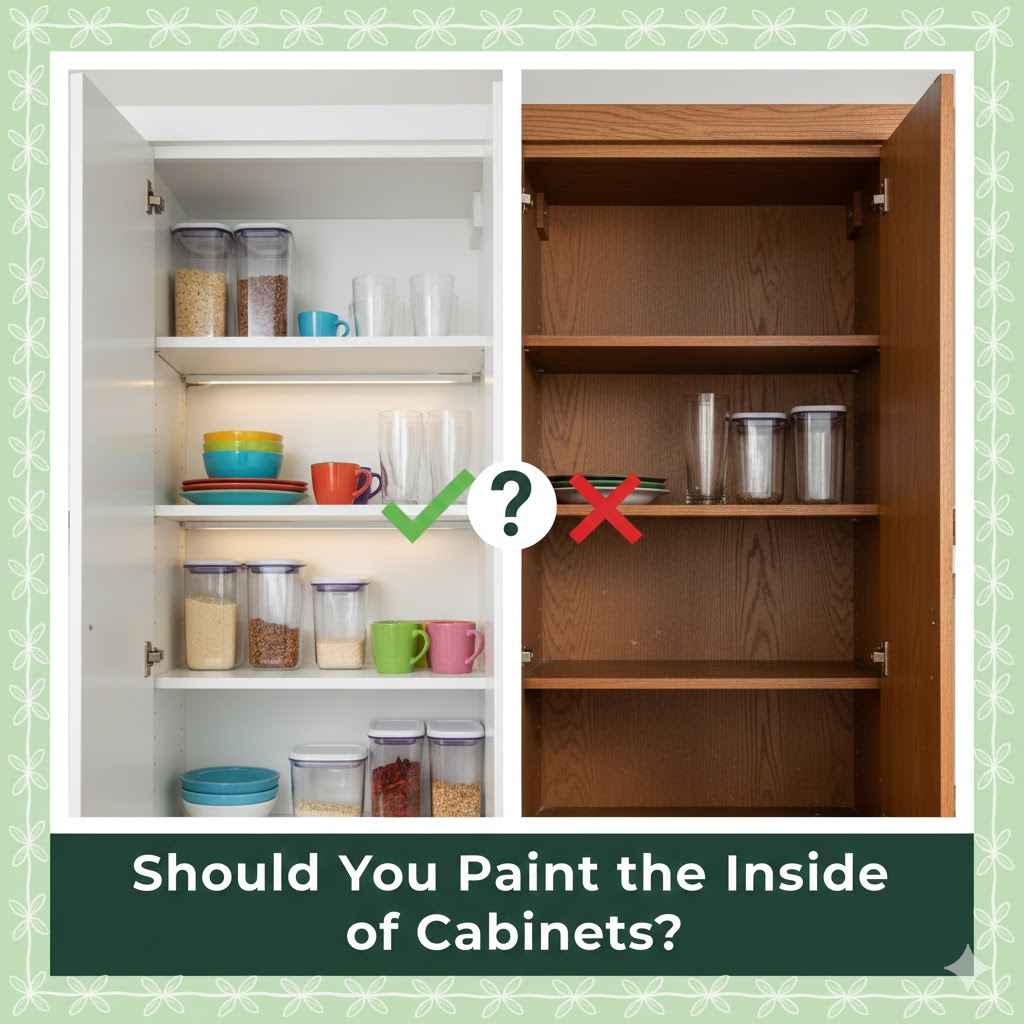
A lighter color painted inside cabinets can make the space feel larger and brighter. If you have dark wood cabinets, the interior might also be dark. Painting the inside a lighter color, like white or a soft gray, can reflect light.
This makes it easier to see what’s inside. It can also make your dishes or stored items stand out more.
This is a great trick for smaller kitchens or bathrooms. It can create the illusion of more space. It also makes finding things much easier.
No more digging around in dark corners!
Personalization and Style
Painting the inside of cabinets offers a chance for more personalization. You can choose a bold color for the interior that contrasts with the exterior. This can be a fun design element.
It’s like a hidden surprise when you open the doors. For example, you might have white cabinets outside and a deep blue or vibrant green inside.
This is a way to express your style without making a huge statement on the exterior. It’s a more subtle way to add personality to your space. It can be a conversation starter when guests notice the detail.
Should You Paint the Inside of Cabinets Too? Weighing the Pros and Cons
Now that we’ve explored why people paint cabinet interiors, let’s look at the practical side. Every project has advantages and disadvantages. Understanding these will help you make the best decision for your situation.
The question of Should You Paint the Inside of Cabinets Too? really comes down to your goals and effort level.
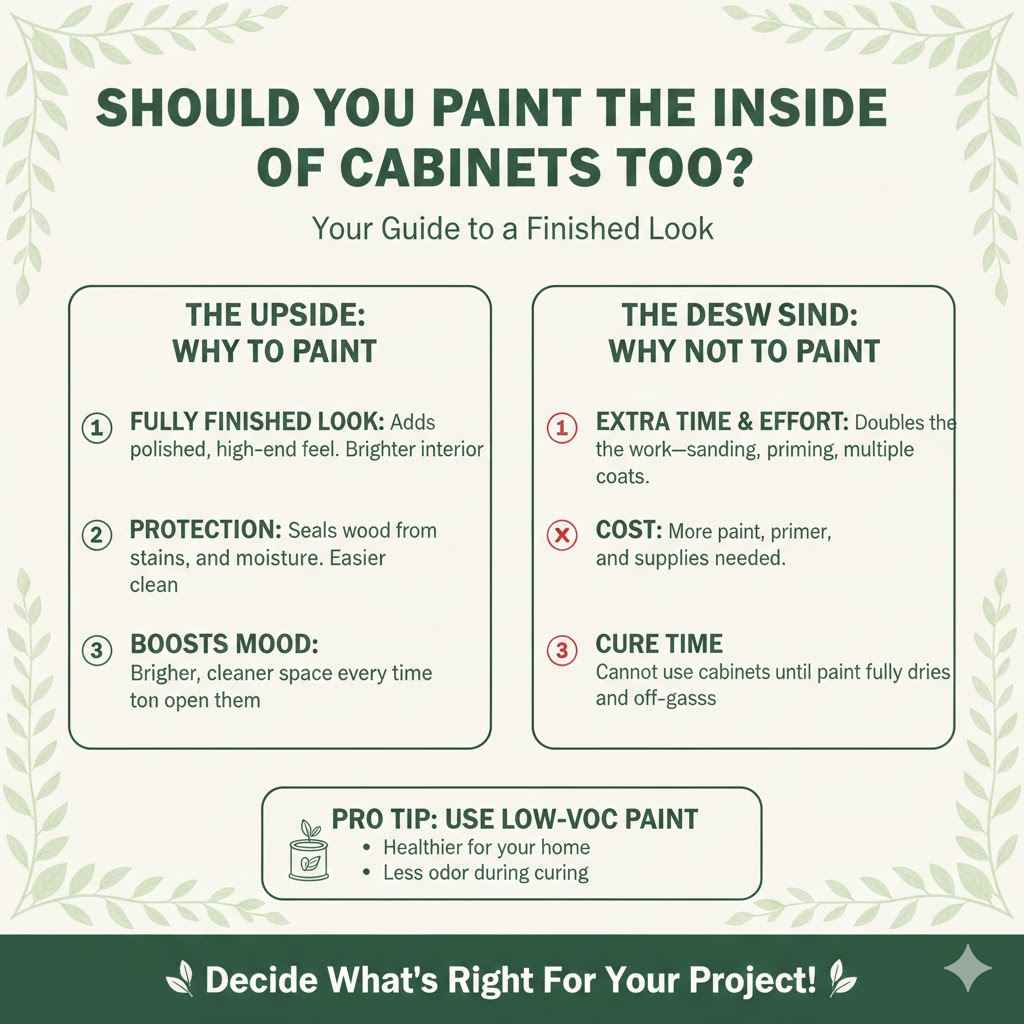
Pros of Painting Cabinet Interiors
- Enhanced Aesthetics: Creates a fully finished and cohesive look.
- Improved Durability: Offers protection against wear, stains, and moisture.
- Easier Cleaning: Painted surfaces are simpler to wipe down.
- Brighter Space: Lighter interior colors can make the cabinet appear larger and more illuminated.
- Personal Expression: Allows for unique color combinations and personal style.
- Increased Value: A well-executed cabinet renovation can add to your home’s appeal.
Cons of Painting Cabinet Interiors
- Increased Labor Time: Painting interiors takes significantly more time and effort.
- Higher Material Costs: You’ll need more paint and supplies.
- Potential for Drips and Mess: It can be challenging to paint tight corners without drips.
- Durability Concerns: If not done properly, the paint can chip or wear quickly inside the cabinets.
- Limited Color Choices: Some homeowners prefer the natural look of wood inside.
- Reverting to Original State: Painting is a permanent change, unlike simply cleaning.
When It Makes Sense to Paint Cabinet Interiors
There are specific scenarios where painting the inside of your cabinets is a great idea. Consider these situations:
- Full Cabinet Makeover: If you are already repainting the entire exterior, completing the interior offers a truly professional finish.
- Old or Worn Cabinets: If the inside of your cabinets is stained, scratched, or discolored, paint can hide these imperfections.
- Light and Bright Kitchen Goals: If you desire a very light and airy feel, painting the interior a pale shade is effective.
- Unique Design Statement: If you want to add a pop of color or a distinctive touch to your kitchen or bathroom.
- Budget for a Full Refresh: If your budget allows for the extra time and materials involved in a complete interior paint job.
When to Skip Painting Cabinet Interiors
Sometimes, it’s perfectly fine, and even better, to leave the insides of your cabinets unpainted. Think about these reasons:
- Time and Budget Constraints: If you are short on time or budget, focus on the exterior.
- Good Condition of Interiors: If the inside of your cabinets is already in great shape, there’s no need to paint.
- Preference for Natural Wood: Some people love the look and feel of natural wood inside their cabinets.
- High-Traffic Interiors: If you tend to stuff items into cabinets, the paint might chip more easily.
- Rental Properties: For rental units, a simpler exterior paint job is often sufficient.
How to Paint the Inside of Cabinets If You Choose To
If you’ve decided to paint the inside of your cabinets, here’s a straightforward way to do it. The process is similar to painting the outside, but it requires more care.
Gather Your Supplies
Before you start, make sure you have everything you need:
- Painter’s Tape: For covering areas you don’t want to paint.
- Drop Cloths: To protect your floors and countertops.
- Screwdriver: To remove cabinet doors and hardware.
- Cleaner/Degreaser: To thoroughly clean the interior surfaces.
- Sanding Blocks or Sandpaper: (120-220 grit) for light sanding.
- Primer: A good quality interior primer.
- Paint: High-quality enamel paint designed for cabinets.
- Brushes: Small, angled brushes for corners and edges.
- Rollers: Small foam rollers for smooth surfaces.
- Stir Sticks: For mixing paint.
- Gloves and Safety Glasses: For protection.
Step-by-Step Process
- Empty Cabinets: Remove everything from inside the cabinets.
- Remove Doors and Drawers: Take off all cabinet doors and drawer fronts. If possible, remove the drawers from their glides too.
- Clean Thoroughly: Clean the inside of the cabinets and the doors/drawers. Use a degreaser to remove any grease, grime, or residue. Let them dry completely.
- Sand Lightly: Lightly sand all interior surfaces. This helps the primer and paint stick better. Wipe away all dust with a damp cloth or tack cloth.
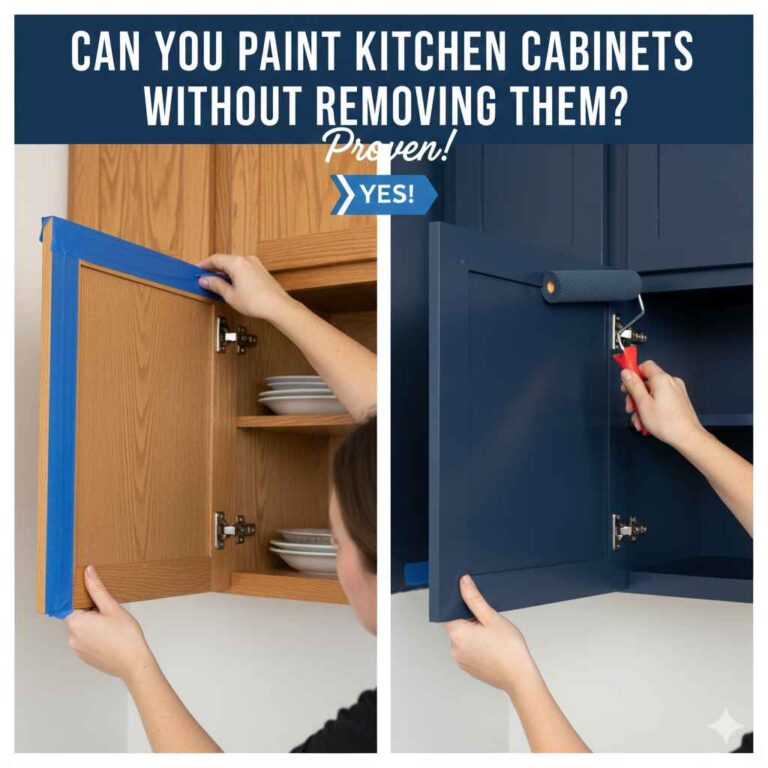
- Tape Off Areas: Use painter’s tape to protect any parts of the cabinet frame or interior you don’t want painted.
- Apply Primer: Apply one or two thin coats of primer to the interior surfaces. Let each coat dry completely according to the product’s instructions.
- Paint the Interior First: Once the primer is dry, start painting the inside. Use a small brush for corners and edges. Use a small roller for flat surfaces. Work in sections. Apply thin, even coats. Avoid applying too much paint, which can cause drips.
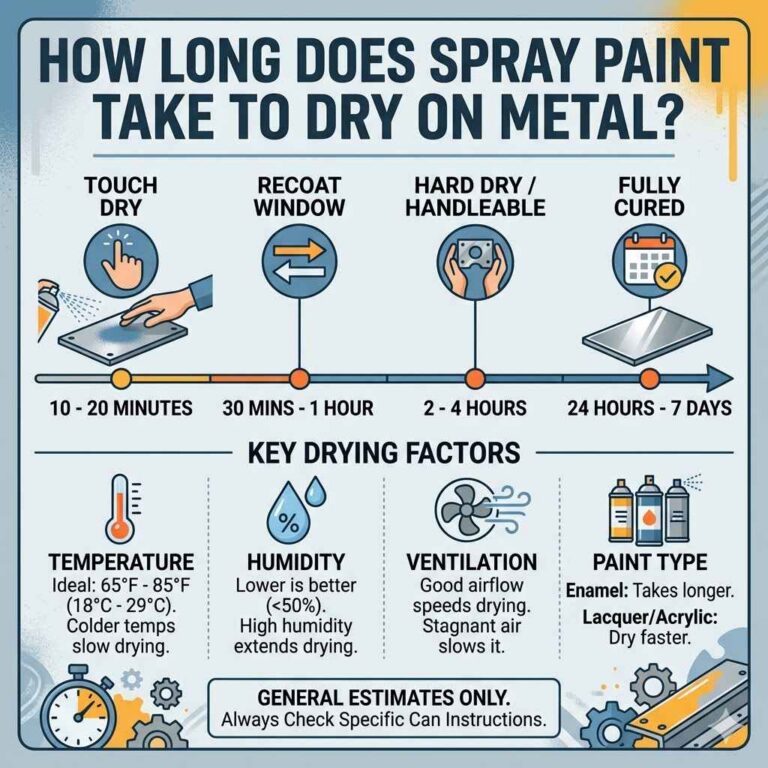
- Allow Drying Time: Let the first coat dry completely. This is very important for durability.
- Apply Second Coat (and Third if Needed): Apply a second thin coat of paint. Allow it to dry fully. For some colors or finishes, a third coat might be necessary.
- Paint the Doors and Drawer Fronts: Once the cabinet frames are done and dry, paint the doors and drawer fronts. Follow the same priming and painting steps.
- Reassemble: After all painted parts are completely dry and cured (this can take several days to a week), reattach the hardware and hang the doors and drawers.
Important Note: Drying time is crucial. Rushing this step can lead to paint peeling or chipping, especially in the high-friction areas inside cabinets.
Tips for a Smooth Finish
Getting a professional-looking finish inside your cabinets requires a little attention to detail.
- Use the Right Tools: Small, high-density foam rollers and quality brushes are key for smooth application.
- Thin Coats are Best: Avoid thick, gloppy coats. Multiple thin coats will always look better and last longer than one thick coat.
- Work in Good Light: Ensure you have plenty of light to see what you’re doing and catch any missed spots or drips.
- Follow Paint Manufacturer’s Instructions: Always check the paint can for specific drying and recoating times.
- Consider the Paint Type: Use a durable enamel paint. These are designed to withstand wear and tear and are easy to clean.

Frequently Asked Questions
Question: Is it necessary to paint the inside of cabinets?
Answer: No, it is not strictly necessary. It’s an optional step that adds to the overall finish and protection but is not required for functionality.
Question: What type of paint should I use for the inside of cabinets?
Answer: Use a high-quality enamel paint. These are durable, washable, and resist chipping and wear, making them ideal for interior cabinet surfaces.
Question: How long does it take to paint the inside of cabinets?
Answer: Painting the inside of cabinets takes significantly longer than just the exterior. It can add many extra hours to your project, depending on the number of cabinets and your pace.
Question: Will painting the inside make my cabinets look bigger?
Answer: Yes, painting the interior a lighter color can make the cabinet space appear brighter and larger by reflecting more light.
Question: Can I use spray paint for the inside of cabinets?
Answer: While spray paint can offer a smooth finish, it’s often difficult to control in tight cabinet interiors without overspray or drips. Brush and roller application is generally recommended for more control.
Final Thoughts
Deciding whether to paint the inside of cabinets is a personal choice. It’s a great way to add a polished look and extra protection. If you want a fully finished appearance and don’t mind the extra work, go for it.
For a brighter, cleaner feel and a touch of style, painting the interiors is a rewarding step. Focus on good prep and thin coats for the best results.