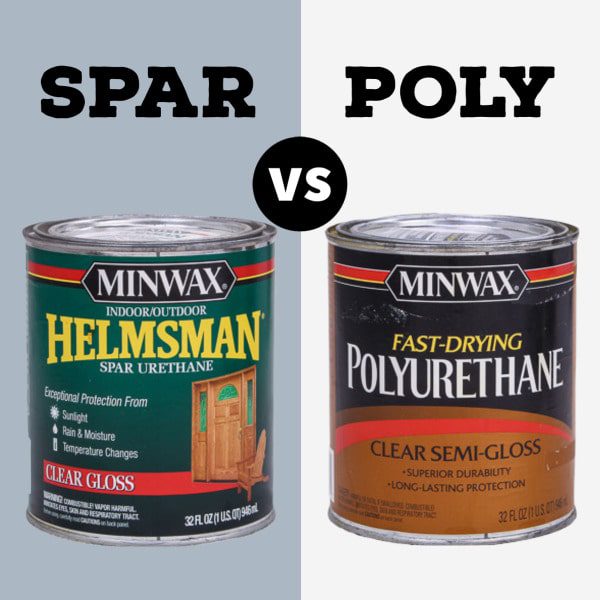
Spray Vs Brush Polyurethane: Ultimate Finish Guide
When it comes to finishing wood surfaces, choosing the right application method for polyurethane can make all the difference in achieving that perfect look and durability. Have you ever stood in the hardware store, staring at the shelves, wondering whether spray or brush polyurethane is the better option for your project?
You’re not alone. The decision can be overwhelming, especially if you’re aiming for a flawless finish. But don’t worry—this article is here to help you make an informed choice. Imagine saving time, effort, and money while ensuring your wood surfaces look professionally finished.
Intrigued? Keep reading to discover how the right choice can transform your woodworking projects from ordinary to extraordinary.
Comparison Of Spray And Brush Polyurethane
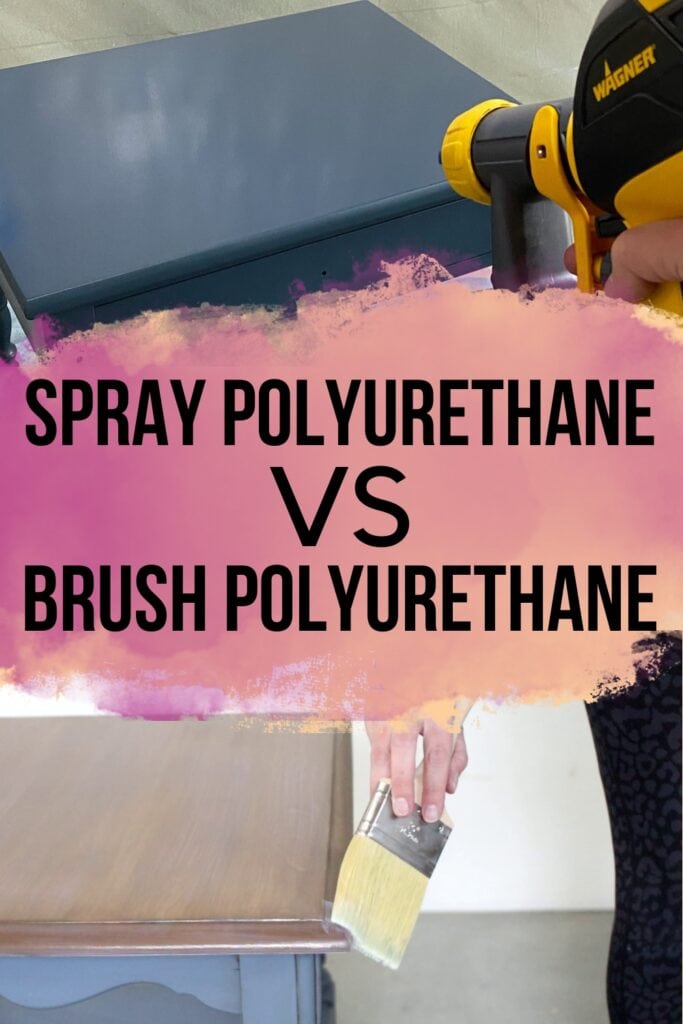
Choosing between sprayand brush polyurethanecan be tricky. Each has its pros and cons. Spray polyurethane is fast. It covers large areas quickly. No brush strokes appear. The finish is smooth and even. But, it needs careful handling. Protect surroundings from spray mist.
Brush polyurethane is more controlled. It works well for small areas. Easy to use without special tools. Brush strokes can show, though. It takes longer to dry. More coats may be needed for a smooth finish.
Sprayis best for large surfaces. Choose brush for detailed work. Both give a durable finish. It’s important to pick the right one. Consider your project needs.
Advantages Of Spray Polyurethane
Efficient applicationis a key benefit of spray polyurethane. It covers large areas fast. Less effort is needed. The spray reaches corners easily. It saves time compared to brushing.
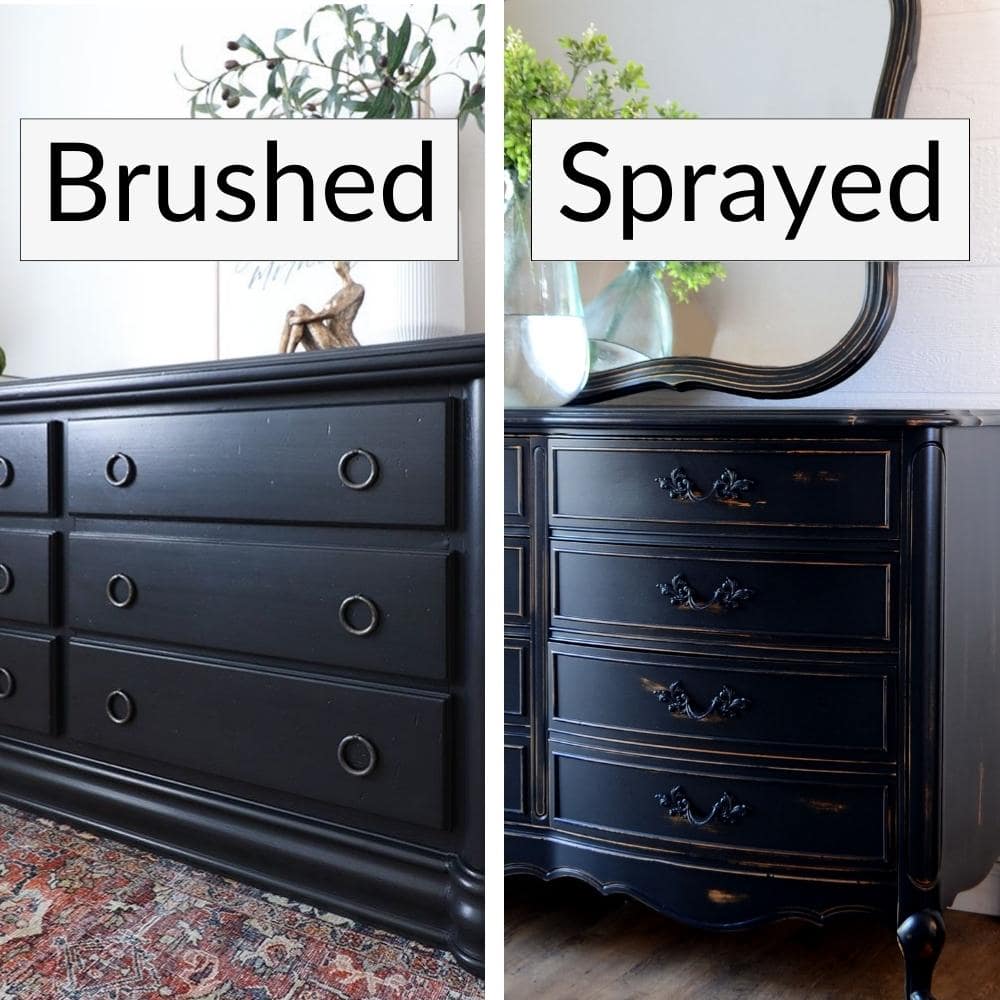
Spray polyurethane gives a smooth finish. No brush marks are left behind. The surface looks even and clean. It enhances the beauty of the final product.
Another advantage is the quick drying time. Spray polyurethane dries faster than brush. Work can continue without long waits. Projects finish sooner, saving valuable time.
Advantages Of Brush Polyurethane
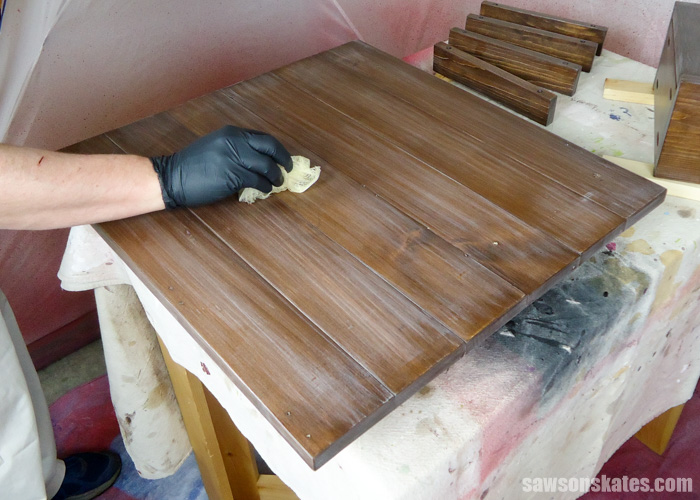
Brush polyurethaneallows more controland precisionduring application. You can easily reach corners and edges. This ensures every spot is covered well. It is easier to manage the amount of finish applied. This is great for beginners who want a neat job.
Using a brush can create a thicker coating. This provides extra protection. The surface becomes more durable. It can handle more wear and tear. This is important for high-traffic areas. More layers mean more strength.
Brush polyurethane is often more cost-effective. Brushes are cheaper than spray equipment. You do not need special tools. This saves money. You can buy only what you need. No need for extra expenses.
Challenges With Spray Polyurethane
Spraying polyurethane can lead to overspray. This means extra spray lands where it should not. It can be messy. It might ruin nearby surfaces. Cleaning overspray takes time. It might cost more money.
Spray polyurethane needs special equipment. A spray gun is essential. Some tools can be costly. Maintenance is also important. Without proper care, tools might break. This can delay projects.
Good ventilationis crucial. Spraying can release fumes. These fumes might be harmful. A well-ventilated area is safer. It helps clear the air. This keeps people healthy. It also ensures a better finish.
Challenges With Brush Polyurethane
Potential for Brush Markscan be a problem. Brush strokes may leave lines. These lines can make the surface look uneven. Smooth surfaces are hard to achieve with brushes. It often requires extra sanding to fix.
Longer Application Timeis another issue. Using a brush takes more time. You have to be careful and slow. This can make the job feel longer and tiring. Spray application is usually faster.
Drying and Curing Timeis also longer. Brush applications take more time to dry. This means waiting before using the item. It can delay your project. Spray dries quicker, saving time.
Credit: sawsonskates.com
Choosing The Right Method For Your Project
For big projects, spray polyurethane works well. It covers large areas fast. Small projects may need a brush. It offers more control and detail. Both methods have pros. Choose based on your project size.
Spray gives a smooth and even finish. Ideal for furniture or cabinets. The brush may leave streaks. But some prefer the texture it creates. Decide based on the look you want. A shiny surface or a rustic feel.
Spraying needs practice. It can be tricky for beginners. Brushing is easier for most people. It gives more control. Choose a method that matches your skills. Learn and improve as you go.
Tips For Applying Polyurethane
Clean the surface well. Remove dust and dirt. Sand the wood gently. Use fine-grit sandpaper. This makes the surface smooth. Wipe with a damp cloth. Let it dry completely. A clean surface helps polyurethane
Use a brush for small areas. It is good for control. Spray is faster for big areas. Keep the spray moving. Do not stop in one spot. Hold the spray can 6 inches away. This helps avoid drips. Brush or spray in thin layers. Let each layer dry before adding more. This gives a smooth finish.
Wear gloves to protect hands. Use goggles to keep eyes safe. Work in a well-ventilated area. Open windows or use fans. Polyurethane fumes can be strong. Keep children and pets away. Store materials safely after use. Follow safety rules for a safe work environment.

Credit: www.youtube.com
Maintenance And Durability
Keeping polyurethane surfaces clean is easy. Use a soft cloth for dusting. For sticky spots, use a damp cloth. Avoid harsh chemicals; they can damage the finish. A gentle soap is a safe choice. Dry the surface well after cleaning. This keeps it looking shiny and new.
Small scratches can appear over time. Use a repair kit for minor fixes. Kits usually have a filler and a finish coat. Apply the filler first. Let it dry, then apply the finish. This helps to keep surfaces smooth. For larger damage, you might need a professional.
Polyurethane lasts a long time if cared for well. Avoid dragging heavy items on it. Use furniture pads under chairs. This reduces wear and tear. Check surfaces regularly for damage. Fix issues quickly to prevent more problems. With care, polyurethane can last for many years.
Credit: arayofsunlight.com
Frequently Asked Questions
Is Spray Polyurethane Better Than Brush Application?
Spray polyurethane offers a smoother finish and faster application. It is ideal for large surfaces and detailed work. Brush application provides more control and is better for smaller projects. Both methods have their advantages, depending on the project’s requirements and your skill level.
What Are The Advantages Of Using Brush Polyurethane?
Brush polyurethane allows for precise application and control. It is suitable for small surfaces and edges. Brushes can reach tight corners and crevices effectively. This method reduces waste and is less messy, making it ideal for detailed woodworking projects.
Can I Use Spray Polyurethane Indoors?
Yes, spray polyurethane can be used indoors with proper ventilation. Ensure the area is well-ventilated to avoid inhaling fumes. Use protective gear like masks and goggles for safety. Consider using spray polyurethane outdoors or in a workshop with exhaust fans for safer application.
How Do I Avoid Brush Marks With Polyurethane?
To avoid brush marks, use high-quality brushes and apply thin coats. Sand between coats for a smooth finish. Work in a dust-free environment. Follow the grain of the wood, and maintain a steady hand for even application.
Conclusion
Choosing between spray and brush polyurethane depends on your project needs. Spray offers quick application and even finish. Brush provides control and depth. Consider the size of your project. Smaller items benefit from brushing. Large surfaces shine with spray. Think about the environment too.
Ventilation is key for spraying. Budget might influence your choice. Sprays can cost more. Brushes are affordable but require skill. Ultimately, both methods protect your wood. Decide based on your comfort and requirements. Each approach has unique benefits. Your decision shapes the outcome.
Pick what suits your style and project best.