What Are the Lights Called That Are in the Ceiling?
Hey there! Have you ever looked up at your ceiling and wondered what those sleek, modern lights embedded up there are called? I’ve been there too, standing in my living room, squinting at the soft glow coming from above, trying to figure out what makes my space feel so cozy yet stylish. Those lights are more than just bulbs—they’re a key part of home design, and they have a name! In this article, I’m diving deep into the world of ceiling lights, specifically those that sit flush or recessed into your ceiling.
I’ve spent years exploring home improvement projects, and I’m excited to share everything I’ve learned about these lights with you. Whether you’re renovating your home or just curious, let’s uncover the magic of ceiling lights together!
What Are Recessed Lights?
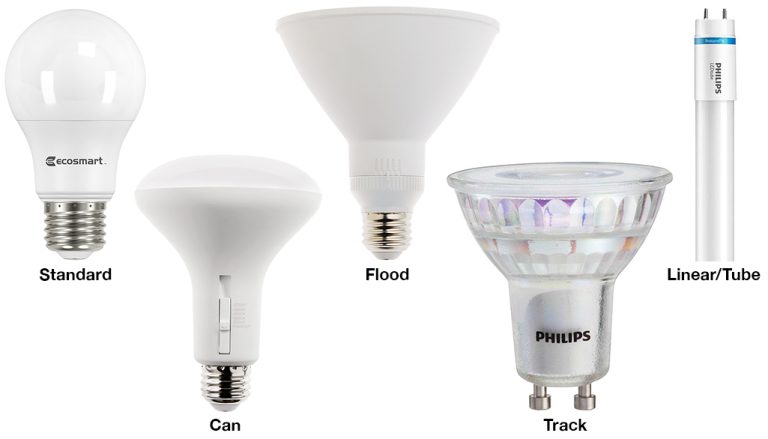
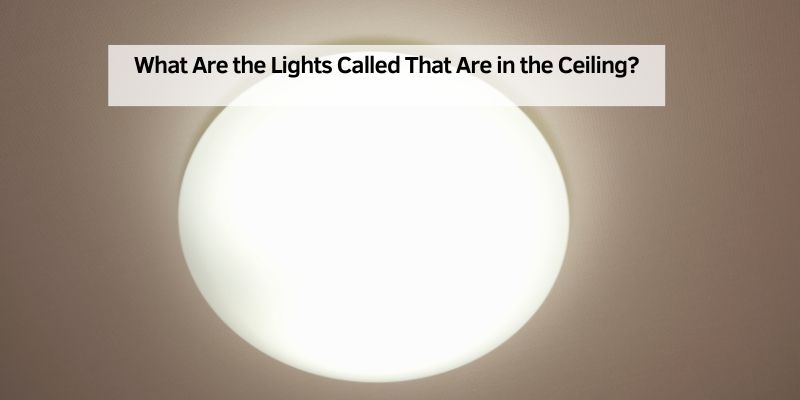
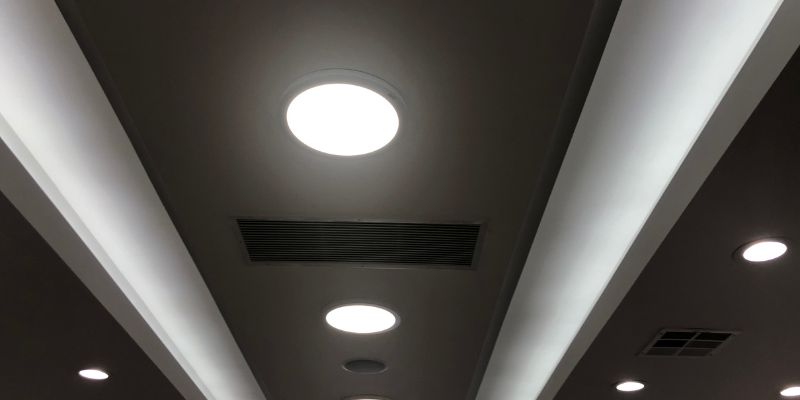
So, those lights tucked neatly into your ceiling? They’re most likely recessed lights. I remember the first time I noticed them in a friend’s newly renovated kitchen—they looked so clean and modern, almost like they were part of the ceiling itself. Recessed lights, also called can lights, downlights, or pot lights, are fixtures installed into a hollow opening in the ceiling. They sit flush, meaning they don’t hang down like a chandelier or pendant light. Instead, they’re embedded, giving your room a sleek, uncluttered look.
These lights work by directing light downward in a focused beam, which makes them perfect for task lighting (like over a kitchen counter) or general ambiance. I love how they blend into the ceiling, making the room feel bigger and less crowded. They’re super popular in modern homes because they’re versatile and don’t steal the show from your decor. Plus, they come in all sorts of sizes and styles, so you can customize them to fit any room.
Types of Ceiling Lights You Might Find
Now, recessed lights aren’t the only type of lights you’ll find in ceilings. When I was redoing my dining room, I got curious about all the options out there. Here’s a breakdown of the main types of ceiling lights you might come across:
- Recessed Lights: As I mentioned, these are the ones that sit flush with the ceiling. They’re great for kitchens, bathrooms, or living rooms where you want a clean look.
- Flush Mount Lights: These are flat fixtures that hug the ceiling but aren’t embedded like recessed lights. I have one in my hallway, and it’s perfect for low ceilings.
- Semi-Flush Mount Lights: These hang down just a bit, usually by a short stem or chain. They add a touch of elegance without being as dramatic as a chandelier.
- Chandeliers: Okay, these are more decorative and hang lower, but they’re still ceiling lights! I’ve seen stunning chandeliers in dining rooms that completely transform the space.
- Track Lights: These are mounted on a track, so you can adjust where the light points. I installed track lighting in my home office, and it’s a game-changer for focusing light on my desk or bookshelves.
Each type has its own vibe, and choosing the right one depends on your room’s style and purpose. For example, recessed lights are my go-to for a minimalist look, but a flush mount might work better in a cozy bedroom.
Why Choose Recessed Lights for Your Home?
I’ll be honest—when I first started researching ceiling lights, I wasn’t sure why recessed lights were so popular. But after installing them in my living room, I totally get it. Here’s why they’re such a great choice:
- Space-Saving Design: Since they’re flush with the ceiling, they don’t take up any visual space. This is a lifesaver in small rooms or homes with low ceilings, like my old apartment.
- Versatile Lighting: You can use them for general lighting, accent lighting, or task lighting. In my kitchen, I have recessed lights over the counter for chopping veggies, and they’re perfect.
- Modern Aesthetic: They give your home a clean, contemporary feel. I’ve noticed that homes with recessed lights always look polished and updated.
- Energy Efficiency: Most recessed lights work with LED bulbs, which save energy and last forever. I haven’t had to change a bulb in my living room in years!
- Customizable: You can choose different trim styles, sizes, and even beam angles to get the exact look and light spread you want.
One thing to keep in mind, though, is that installing recessed lights requires cutting holes in your ceiling, so it’s not a quick weekend project unless you’re handy or hire a pro. I learned this the hard way when I tried to DIY it and ended up calling an electrician!
How Do Recessed Lights Work?
Okay, let’s get a little technical (but not too much, I promise). When I was figuring out how to install recessed lights in my home, I wanted to understand how they actually work. Here’s the simple version:
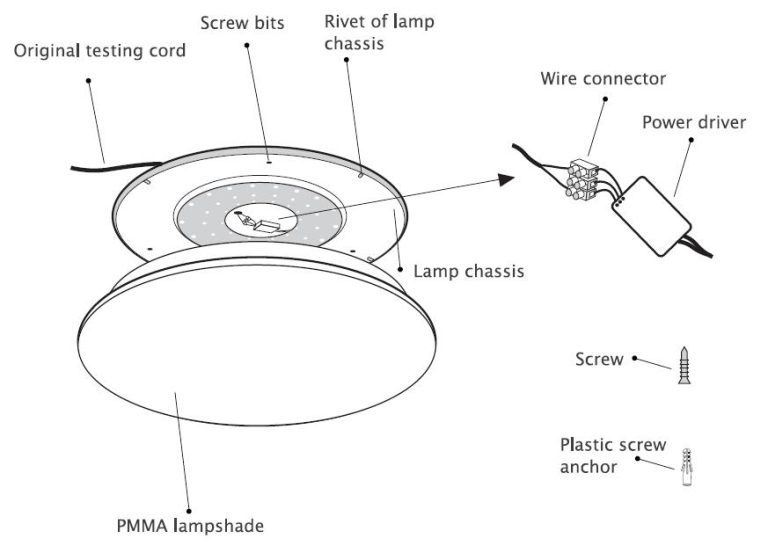
Recessed lights have three main parts: the housing, the trim, and the bulb. The housing is the part that sits inside the ceiling—it’s like a metal can that holds everything together. The trim is the visible part you see from below, and it can be decorative or super simple. The bulb is, well, the light source! Most modern recessed lights use LED bulbs, but you can also find ones that work with halogen or incandescent bulbs.
The housing is wired into your home’s electrical system, and the light shines downward in a focused beam. You can choose different beam angles—narrow for spotlighting a piece of art, or wide for general room lighting. I went with a wide beam in my living room to make the space feel bright and welcoming.
One cool thing I learned is that recessed lights come in different sizes, usually 4 to 6 inches in diameter. Smaller ones are great for tight spaces, while larger ones make a bigger statement. I mixed both sizes in my kitchen to create a balanced look.
Choosing the Right Recessed Lights for Your Space
Picking the right recessed lights can feel overwhelming because there are so many options. When I was shopping for mine, I spent hours comparing styles and features. Here’s what I learned to help you choose:
- Size: The diameter of the light matters. I used 4-inch lights in my bathroom for a subtle look and 6-inch lights in my living room for more coverage.
- Color Temperature: This is about how warm or cool the light looks. Warm white (around 2700K) feels cozy, like a candlelit glow, while cool white (4000K or higher) is crisp and modern. I went with warm white in my bedroom for a relaxing vibe.
- Dimmable Options: If you want to control the brightness, make sure the lights are dimmable. I love dimming my living room lights for movie nights.
- Trim Style: The trim is what you see, so pick one that matches your decor. I chose a white baffle trim for my kitchen to reduce glare, but you can also get sleek metallic or even decorative trims.
- Insulation Rating: If your ceiling is insulated (like in an attic), you’ll need IC-rated (insulation contact) lights to prevent fire hazards. I didn’t know this at first and had to swap out my lights—don’t make my mistake!
Here’s a quick table to help you compare some key factors when choosing recessed lights:
| Feature | Description | Best For |
|---|---|---|
| 4-Inch Lights | Smaller, discreet, less light output | Small rooms, accent lighting |
| 6-Inch Lights | Larger, more light output | Larger rooms, general lighting |
| Warm White (2700K) | Cozy, yellowish light | Bedrooms, living rooms |
| Cool White (4000K+) | Bright, crisp light | Kitchens, offices |
| Dimmable | Adjustable brightness | Mood lighting, versatile spaces |
| IC-Rated | Safe for insulated ceilings | Attics, insulated homes |
Where to Use Recessed Lights in Your Home
One of the best things about recessed lights is how versatile they are. I’ve used them in almost every room of my house, and they work beautifully. Here are some ideas for where to put them:
- Kitchen: Place them over countertops or islands for task lighting. I have four recessed lights in my kitchen, and they make food prep so much easier.
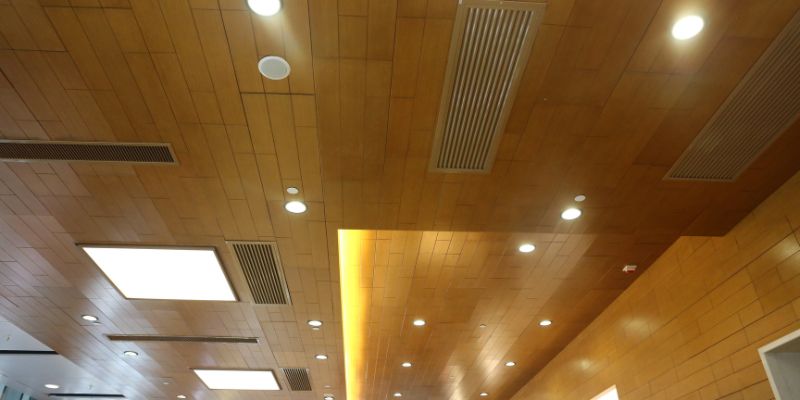
- Living Room: Use them for general lighting or to highlight a fireplace or artwork. I spaced mine evenly in my living room to create a soft, even glow.
- Bathroom: They’re great over vanities or in showers (just make sure to get wet-rated ones for showers). My bathroom feels like a spa with recessed lights!
- Hallways: Recessed lights keep hallways bright without taking up space. I added them to my narrow hallway, and it feels so much more open now.
- Bedroom: They’re perfect for creating a calming atmosphere, especially if you use dimmable lights. I paired mine with a bedside lamp for a cozy setup.
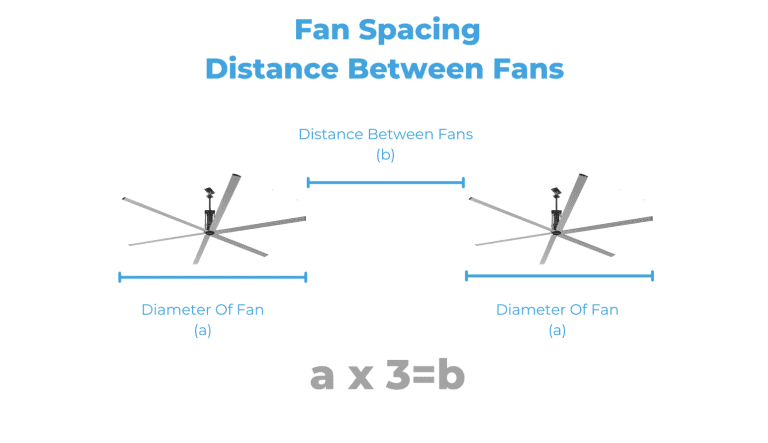
Pro tip: Plan your layout carefully. I learned that spacing recessed lights about 4 to 6 feet apart gives even lighting without looking like a runway.
Installation Tips for Recessed Lights
Installing recessed lights isn’t a walk in the park, but it’s doable with the right prep. When I tackled this in my home, I made some rookie mistakes, so let me save you some trouble. Here’s what you need to know:
- Hire a Professional (or Not): If you’re not comfortable with electrical work, call an electrician. I tried to DIY my first installation and ended up with a wonky setup until a pro fixed it.
- Check Your Ceiling: Make sure there’s enough space above your ceiling for the housing. I had to double-check my attic space before starting.
- Plan the Layout: Measure twice, cut once! I marked my ceiling with painter’s tape to visualize where each light would go.
- Choose the Right Housing: New construction? Remodel? There are different housings for each. I used remodel housings since my home was already built.
- Safety First: Turn off the power at the breaker before you start. I learned this the hard way when I got a little zap (don’t worry, I’m fine!).
If you’re not sure where to start, talk to a professional. It’s worth the investment for safety and a polished look.
Maintaining Your Recessed Lights
Once your recessed lights are installed, they’re pretty low-maintenance, which is why I love them. Still, a little care goes a long way. Here’s what I do to keep mine in tip-top shape:
- Clean the Trim: Dust can build up on the trim, especially in kitchens. I wipe mine down with a damp cloth every few months.
- Check the Bulbs: LED bulbs last a long time, but they do burn out eventually. I keep spare bulbs on hand so I’m not left in the dark.
- Inspect the Housing: If you have access to your attic, check the housing for any loose connections. I had a light flicker once, and tightening a wire fixed it.
- Update as Needed: If your style changes, you can swap out the trim for a new look without replacing the whole fixture. I did this in my dining room to match a new color scheme.
Cost of Recessed Lights
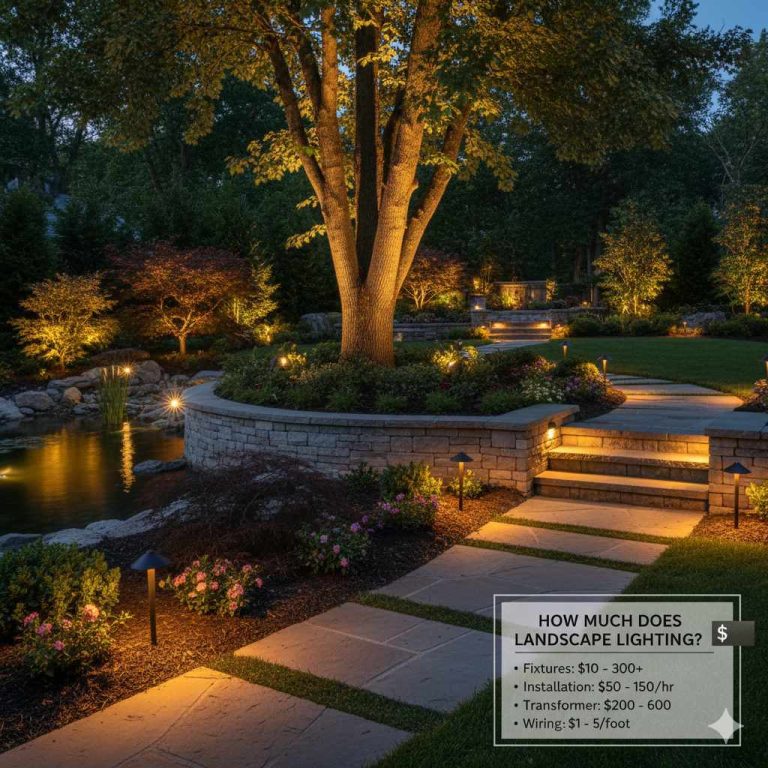
I get it—budget matters. When I was planning my home lighting, I wanted to know how much this would set me back. The cost of recessed lights varies, but here’s a rough breakdown based on my experience:
- Fixtures: Basic recessed light fixtures cost $20–$50 each. Fancier ones with smart features can go up to $100 or more.
- Bulbs: LED bulbs are $5–$15 each, but they last for years, so it’s worth it.
- Installation: If you hire a pro, expect to pay $100–$200 per light, including labor and materials. I paid about $800 to install six lights in my living room.
- DIY Costs: If you go the DIY route, you’ll just need the fixtures, bulbs, and some tools, so maybe $150–$300 for a small project.
Shop around for deals, and don’t skimp on quality—cheap fixtures can lead to headaches down the road.
Common Mistakes to Avoid
I’ve made my fair share of mistakes with recessed lights, so let me share some lessons learned:
- Wrong Spacing: Too many lights can make your ceiling look like Swiss cheese. Too few, and you’ll have dark spots. I had to reposition a light in my kitchen because I didn’t measure properly.
- Ignoring Insulation: Non-IC-rated lights in an insulated ceiling can be a fire hazard. Always check your ceiling type.
- Skipping Dimmers: Non-dimmable lights limit your options. I wish I’d gone dimmable in every room from the start.
- Poor Bulb Choice: Choosing the wrong color temperature can make a room feel off. My first bedroom lights were too cool, and it felt like a hospital!
Conclusion
Wow, we’ve covered a lot about those mysterious lights in the ceiling! Recessed lights, or whatever you call them—can lights, downlights, or pot lights—are such a fantastic way to brighten up your home while keeping things sleek and modern. I’ve loved sharing my journey with you, from picking the perfect lights for my kitchen to learning the hard way about proper installation. These lights are versatile, energy-efficient, and oh-so-stylish, making them a go-to for any home improvement project.
Whether you’re sprucing up a single room or giving your whole house a glow-up, recessed lights can transform your space. So, grab a measuring tape, dream up your lighting layout, and let those ceiling lights shine! If you’re ready to dive in, I’d love to hear about your plans—what room are you lighting up next?
FAQs
What’s the difference between recessed lights and flush mount lights?
Recessed lights are embedded into the ceiling, sitting flush with the surface, while flush mount lights are attached to the ceiling but stick out slightly. I find recessed lights look sleeker, but flush mounts are easier to install in some cases, especially if you don’t want to cut into your ceiling.
Can I install recessed lights myself?
You can, but it’s tricky if you’re not handy with electrical work. I tried DIY-ing mine and ended up calling an electrician to fix my mistakes. If you’re confident, go for it—just make sure to turn off the power and follow safety guidelines.
Are recessed lights expensive?
They can be affordable, with fixtures costing $20–$50 each and LED bulbs around $5–$15. Installation is the big cost if you hire a pro—expect $100–$200 per light. I budgeted about $800 for six lights in my living room, and it was worth every penny.
What’s the best room for recessed lights?
They work almost anywhere! I love them in kitchens for task lighting, living rooms for ambiance, and bathrooms for a spa-like feel. Just make sure to space them evenly and choose the right bulb color for the mood you want.
Do recessed lights use a lot of energy?
Not if you use LED bulbs! They’re super energy-efficient and last for years. I’ve had the same LED bulbs in my living room for three years now, and they’re still going strong.