What is a Dummy Door Knob? Unlocking Design Secrets
Have you ever encountered a door that seems to have a handle, but when you try to turn it, nothing happens? It might leave you puzzled and wondering about its purpose.
Welcome to the world of dummy door knobs. These intriguing fixtures are more common than you might think, and they serve a unique function that often goes unnoticed. You’ll discover why dummy door knobs exist, where they’re used, and how they can enhance the aesthetic of your home.
Uncover the secrets of these seemingly simple objects and find out why they might just be the perfect touch for your space. Keep reading to learn more about how dummy door knobs can be both practical and decorative, transforming the way you think about door hardware.

Credit: www.lowes.com
Dummy Door Knob Basics
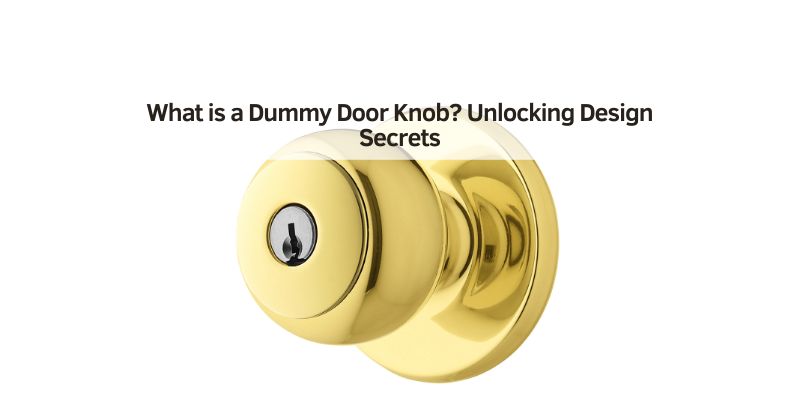
A dummy door knob is a non-functional handle. It does not turn. It does not lock or latch. It serves a decorative purpose. Often used on closet doors or cabinets. It is also found on double doors. They provide a balanced look. Easy to install without any internal parts.
Dummy knobs are popular in interior design. They add style to doors. Useful for pantry doors and French doors. Often used in places where doors do not need to lock. They are available in many styles. You can match them with other door hardware. They make rooms look complete and elegant.

Credit: www.youtube.com
Types Of Dummy Door Knobs
Single dummy knobs are used for decoration. They do not turn or latch. These knobs are mounted on one side of the door. They are perfect for closet doors or pantry doors. Easy to install. No drilling needed. Just screw them in place. They come in many styles and colors. You can find one to match any decor.
Double dummy knobs are for double-sided doors. They look the same on both sides. These knobs are also non-turning. Used mostly on French doors or closet doors. They add a symmetrical look to your doors. Installation is simple. No special tools needed. Just attach with screws. Available in various designs and finishes. You can easily coordinate with other hardware.
Materials And Finishes
Dummy door knobs serve a decorative purpose. They don’t have any locking mechanism or latch. Ideal for closet or pantry doors, these knobs add style without functionality, enhancing the room’s aesthetic appeal.
Popular Material Choices
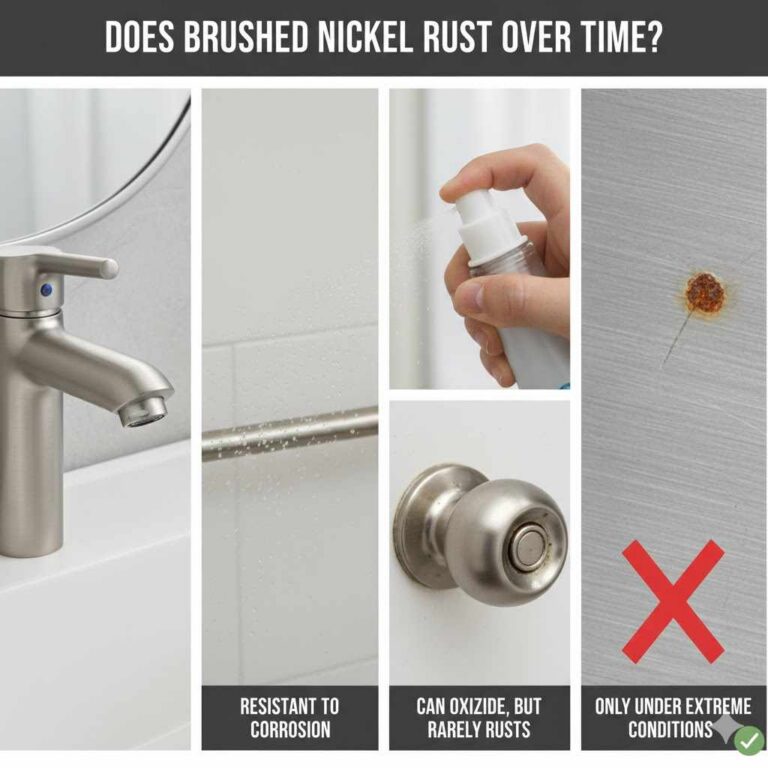
Dummy door knobs come in different materials. Brass is a common choice. It is shiny and strong. Stainless steel is another option. It does not rust easily. Glass knobs look fancy. They add style to doors. Ceramic knobs are colorful. They add a unique touch. Each material has its own look. Choose one that fits your home.
Finish Options For Style
Finishes change how knobs look. Polished finishes are shiny and bright. They catch the eye. Satin finishes are smooth but not shiny. They look sleek. Matte finishes are dull and soft. They suit modern homes. Antique finishes give a vintage look. They suit old-style homes. Finishes give knobs character. Pick one that matches your taste.
Installation Techniques
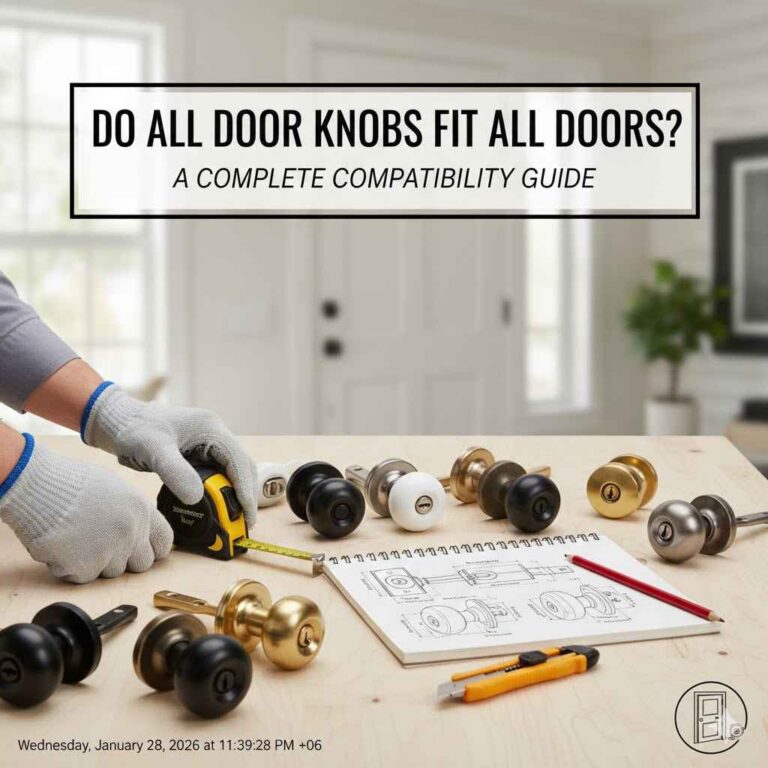
To install a dummy door knob, you need some basic tools. A screwdriver is essential for this task. You will also need a drill. Make sure you have a measuring tape. This helps in placing the knob correctly. A pencil is useful to mark spots. Use a level to ensure straight placement. These tools make the job easy and quick.
Start by marking the spot for the knob. Use your pencil for this. Check the mark with your level. It should be straight. Drill a hole on the marked spot. This is where the knob goes. Insert the knob into the hole. Secure it with screws using your screwdriver. Tighten the screws well. Now, test the knob. It should stay in place. If loose, tighten it more.
Design Benefits
Dummy door knobs add charm to any room. They are not just for opening doors. These knobs come in many styles and finishes. They match any home decor. A shiny knob can make a door look fancy. A simple knob can give a classic touch. Choose a style that fits your home. They act like jewelry for your doors. Make your room look complete and polished.
Dummy knobs are easy to install. They need no special tools. They work well for closet doors. Also, perfect for pantry doors. They do not turn or lock. This makes them safe for kids. They are strong and last a long time. Use them where a lock is not needed. They are great for many spaces. Enjoy their practical use in your home.
Choosing The Right Dummy Knob
Color and finish matter when picking a dummy door knob. You want it to match your home decor. A shiny knob might look good in modern homes. But, a rustic knob fits better in vintage-style homes.
Size and shape are also important. Big knobs can be hard for small hands. Small knobs might not suit large doors. Shape should be easy to grip.
Material affects how long the knob lasts. Metal knobs can last many years. Plastic knobs might break sooner.
Think about the room’s style. A bright knob can be fun for kids’ rooms. For formal rooms, choose elegant designs. Find the right balance for your home.
Care And Maintenance
Regular cleaning keeps dummy door knobs shiny. Use a soft cloth with mild soap. Avoid harsh chemicals. They can damage the surface. Make sure to dry the knob well. This prevents rust and keeps it looking new.
Check the screws often. Tighten them if needed. Loose screws make knobs wobbly. This can cause wear. Use gentle pressure when turning knobs. Rough handling shortens their life.

Credit: www.youtube.com
Frequently Asked Questions
What Does A Dummy Door Knob Do?
A dummy door knob provides decoration or symmetry without function. It’s used on doors that don’t require latching, like closets or pantries.
What Is The Difference Between Dummy And Passage Door Knobs?
Dummy door knobs are decorative and non-functional, used for aesthetics. Passage door knobs are functional, allowing doors to open and close without locking.
How Does A Dummy Door Knob Stay Closed?
A dummy door knob doesn’t latch or lock. It stays closed with magnetic catches or friction catches installed separately. These mechanisms hold the door in place without needing a traditional latch system.
Can You Put A Dummy Knob On Both Sides Of A Door?
Yes, you can install dummy knobs on both sides of a door. Dummy knobs are decorative and don’t function. Ensure compatibility with door thickness and design before installation for a seamless look.
Conclusion
Dummy door knobs serve decorative and functional purposes in your home. They enhance aesthetics without the need for full functionality. Ideal for closet doors, they provide a seamless look. Choose them for rooms where a latch isn’t necessary. Installing them is quick and simple.
Plus, they come in various styles and finishes. This allows for easy matching with your decor. Consider these knobs as a practical design choice. They offer style without complexity. Perfect for spaces needing only a handle. Upgrade your interiors with dummy door knobs.
Simple, yet effective.