What Is a Deadbolt? ANSI Grades, UL 437 and Types Explained
A deadbolt is a door lock with a solid metal bolt that slides into the frame with no spring, rated by ANSI grade (1-3) for strength and separately by UL 437 for bump and pick resistance – two different specs that get confused constantly. A Grade 1 deadbolt that isn’t UL 437-listed can still get bumped open in seconds. This guide covers the real difference between those ratings, actual types (keyless vs. smart), install steps, and costs.
I’ve installed dozens of these as a locksmith – the first one I did with my neighbor taught me more than the clean installs since.
What Is a Deadbolt?
A deadbolt is a strong lock for doors. It uses a metal bolt that slides into the door frame. Unlike regular locks, deadbolts don’t have springs, so they’re harder to pick. I’ve seen deadbolts stop break-ins when weaker locks failed. They’re a top choice for home security.
Why Deadbolts Matter
Deadbolts make your home safer. They’re tough and resist force, like someone trying to kick in your door. In my years as a locksmith, I’ve noticed homes with deadbolts feel more secure. They’re simple to use and give peace of mind.
Types of Deadbolts
There are a few types of deadbolts. Each works a bit differently. Here’s a quick look:
- Single-cylinder: Uses a key outside and a thumb-turn inside. It’s the most common.
- Double-cylinder: Needs a key on both sides. Great for doors with glass.
-
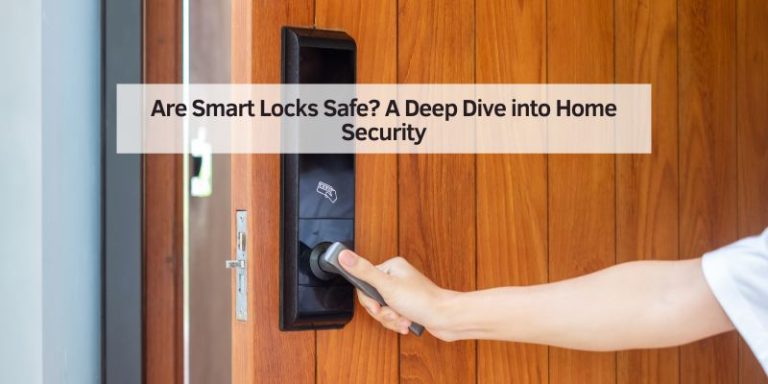
Electronic keypad (“keyless”): Unlocks with a PIN code, entirely local – no app, no WiFi, no network to hack. Different from a “smart” deadbolt, which adds app/Bluetooth/WiFi control and remote access (and a real attack surface if the WiFi or app account is weak).
I once installed a keyless keypad deadbolt for a family who loved not carrying keys – it’s still just a mechanical lock with an electronic latch, nothing connects to the internet.
Table 1: Comparing Deadbolt Types
| Type | How It Works | Best For | Cost Range |
|---|---|---|---|
| Single-cylinder | Key outside, thumb-turn inside | Most homes | $20-$50 |
| Double-cylinder | Key on both sides | Doors with glass near the lock | $30-$70 |
| Electronic keypad (“keyless”) | PIN code, no network connection | No spare keys to lose | $60-$150 |
| Smart deadbolt | App/WiFi/Bluetooth control, remote access | Remote guest access, activity logs | $100-$250 |
How to Install a Deadbolt
Installing a deadbolt is easier than you think. I’ve done it many times, and beginners can too. Here’s a simple guide:
- Measure the door: Check the thickness (usually 1.75 inches).
- Mark the spot: Use the template from the deadbolt kit.
- Drill holes: Make a hole for the bolt and lock.
- Install the bolt: Screw it into the door edge.
- Add the lock: Attach the cylinder and thumb-turn.
-
Test it: Lock and unlock to ensure it works.
Always follow the kit’s instructions. Safety tip: Wear goggles when drilling.
Tools You Need
You don’t need fancy tools. Here’s what I use:
- Drill: For making holes.
- Screwdriver: To secure screws.
- Tape measure: To measure the door.
-
Pencil: For marking spots.
A basic drill costs about $30 and works great. Check trusted brands like DeWalt or Makita.
Table 2: Tools for Deadbolt Installation
| Tool | Purpose | Cost Range | Where to Buy |
|---|---|---|---|
| Drill | Makes holes | $30-$100 | Hardware stores |
| Screwdriver | Secures screws | $5-$15 | Home Depot, Lowe’s |
| Tape Measure | Measures door | $5-$10 | Any hardware store |
Benefits of Deadbolts
Deadbolts are strong and reliable. They resist picking and force better than spring locks. They’re also easy to use—turn a key or thumb-turn, and you’re secure. I’ve seen families sleep better knowing their deadbolt is locked. Plus, they can lower home insurance costs.
Drawbacks to Know
Deadbolts aren’t perfect. Double-cylinder deadbolts need a key inside, which can slow you down in an emergency – some local fire codes actually restrict or ban them on doors that serve as a fire exit, since a resident without the key nearby can’t get out fast. Electronic keypad models need batteries, which can die (most have a mechanical key override for exactly that reason – check before buying). I once helped a client who forgot their code – always keep a backup key!
Deadbolts vs. Other Locks
Deadbolts are stronger than knob locks or chain locks. Knob locks use springs and are easier to break. Chains can snap under pressure. Deadbolts slide deep into the frame, making them tougher. For extra security, pair a deadbolt with a smart lock.
Tips for Choosing a Deadbolt
Here are my top tips for picking a deadbolt:
- Check the grade: Look for ANSI Grade 1 or 2 for strength.
- Match your door: Ensure the deadbolt fits your door’s thickness.
-
Consider style: Pick a finish (like brass or nickel) that matches your door.
I always check the ANSI grade to ensure quality. Visit UL Solutions for lock standards.
Table 3: ANSI Deadbolt Grades
| Grade | Cycle Test | Bolt Throw | Best For |
|---|---|---|---|
| Grade 1 | 250,000 cycles | 1 inch minimum | Homes needing top security, insurance discount eligible |
| Grade 2 | 150,000 cycles | 1 inch minimum | Most homes – the common residential sweet spot |
| Grade 3 | 100,000 cycles | Shorter, thinner | Temporary or low-risk doors |
ANSI Grade vs. UL 437: Two Different Ratings
An ANSI/BHMA grade measures strength and durability – how many open/close cycles it survives, how much force it resists at the strike plate. It says nothing about pick or bump resistance. UL 437 is the separate certification for that – it tests against lock bumping, picking, drilling, and prying with a specified toolset. A Grade 1 deadbolt with no UL 437 listing can still be strong against a kick and vulnerable to a $10 bump key. Security pins (small spring-loaded pins that bind falsely when picked, used in locks like the Schlage B60N) are what actually stop bumping – the ANSI grade alone doesn’t tell you if they’re there.
Best Grade 1 Deadbolt Pick
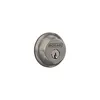
Schlage B60N Grade 1 Deadbolt
Highest residential security grade, and the factory-installed security pins bind falsely when picked or bumped – the actual mechanism this article’s UL 437 section describes.
- Best for: front doors where security matters most
- Why we picked it: ANSI Grade 1 rating plus real anti-pick pin construction, not just a strength claim
- Main drawback: costs more than a basic Grade 2/3 deadbolt
Compare more deadbolt options
 Option 1 Budget Single-Cylinder
|
 Option 2 Electronic Keypad Deadbolt
|
 Option 3 Knob and Deadbolt Combo
|
As an Amazon Associate we earn from qualifying purchases.
Common Mistakes to Avoid
Beginners make simple errors. Here’s what to watch out for:
- Wrong size: Measure your door to avoid a bad fit.
- Loose screws: Tighten them well to keep the lock secure.
-
Skipping the strike plate: This metal piece strengthens the frame.
I once saw a loose deadbolt fail because the screws weren’t tight. Double-check everything.
📊 In 2013, security researchers opened a “bump-proof” Kwikset SmartKey deadbolt in about 15 seconds using only a screwdriver and a bent paper clip. A strength grade (ANSI 1-3) and a bump/pick-resistance certification (UL 437) are two separate claims – a lock marketed as secure isn’t automatically both. Source: Locks and Security News, 2013
Why a Grade 1 Deadbolt Still Isn’t Bump-Proof
Even a name-brand, Grade 1-rated deadbolt got a real security black eye in 2013: researchers Marc Weber Tobias and Toby Bluzmanis showed that Kwikset SmartKey locks – marketed at the time as bump-and-pick “invulnerable” – could be opened in about 15 seconds with a screwdriver and a bent paper clip, using a fraction of the force the certification was supposed to require. Kwikset redesigned the mechanism afterward, but the case is a good reminder: a strength grade and a security certification are not the same claim, and marketing language isn’t a substitute for checking both.
Cost-Saving Ideas
Deadbolts don’t have to be expensive. Buy Grade 2 deadbolts for a good balance of cost and strength. Shop at stores like Home Depot for deals. Install it yourself to save on labor costs, which can be $50-$100.
My Locksmithing Insight
As a locksmith, I’ve learned deadbolts are about trust. A good deadbolt makes you feel safe. I always tell clients to test their lock weekly. If it feels loose or sticky, call a pro. Check Locksmith Ledger for more tips.
“Deadbolts are about trust more than hardware. I tell every client to test their lock weekly – lock and unlock it, feel for grinding or sticking. If it feels loose or the bolt doesn’t seat fully into the strike plate, that’s a call-a-pro moment, not a WD-40 moment.”
— from my years working as a locksmith
Conclusion
Deadbolts are strong, simple locks that keep your home safe. They’re easy to install and use, with types for every need. From single-cylinder to keyless, there’s a deadbolt for you. Try checking your door’s lock today or install a new one. It’s a small step for big security. Share your deadbolt tips in the comments—I’d love to hear them!
Frequently Asked Questions
Is a Double-Cylinder Deadbolt Legal for a Fire Exit Door?
Check local fire code before installing one on any door that serves as an exit route. Many jurisdictions restrict or ban double-cylinder deadbolts on those doors because a resident without the interior key handy can’t get out fast during a fire.
Is an ANSI Grade 1 Deadbolt the Same as a Bump-Proof Deadbolt?
No. ANSI/BHMA grade measures strength and durability, not bump or pick resistance. UL 437 is the separate certification that specifically tests bumping, picking, drilling, and prying. Look for both ratings if bump-resistance matters to you, not just the ANSI grade alone.
What Are Deadbolts?
Deadbolts are locks with a metal bolt that slides into the door frame. They’re stronger than regular locks because they don’t use springs. They keep your home safe from break-ins. I recommend them for every front door.
Are Deadbolts Safe?
Yes, deadbolts are very safe. They resist picking and force better than knob locks. Choose a Grade 1 or 2 deadbolt for the best protection. Always lock it at night for extra safety.
Can I Install a Deadbolt Myself?
Yes, you can! Use a drill, screwdriver, and tape measure. Follow the kit’s instructions and wear safety goggles. It takes about 30 minutes. I’ve taught beginners, and they do great.
What’s the Best Deadbolt Type?
Single-cylinder deadbolts are best for most homes. They’re easy to use with a key outside and thumb-turn inside. For glass doors, try a double-cylinder. Check ANSI standards for quality.
How Much Do Deadbolts Cost?
Deadbolts cost $20-$250, depending on the type. Single-cylinder ones are $20-$50, while keyless models are $100-$250. Shop at hardware stores for deals. Installing yourself saves money.
Do Deadbolts Need Maintenance?
Yes, check your deadbolt monthly. Make sure screws are tight and the bolt moves smoothly. Clean it with a damp cloth. If it sticks, call a locksmith to avoid damage – or see our guide on removing a deadbolt stuck in the locked position first. Browse more door hardware and lock guides for related fixes.
Can Deadbolts Be Picked?
Deadbolts are harder to pick than spring locks. Grade 1 deadbolts are the toughest. Add a smart lock for extra security. I’ve seen deadbolts stop amateur thieves easily.
Sponsored / affiliate links. As an Amazon Associate I earn from qualifying purchases. I may earn additional commission from eligible campaigns.