What Is a Light Globe? Your Complete Guide to Automotive Lighting
Hey there, friend! Have you ever found yourself squinting at the road at night, wondering why your car’s headlights seem a bit dim? Or maybe you’ve stood in the auto parts store, staring at a wall of bulbs, completely confused about what a “light globe” even is. Don’t worry—I’ve been there too! As someone who’s spent years tinkering with cars and learning the ins and outs of automotive lighting, I’m excited to break it all down for you.
A light globe might sound like a fancy term, but it’s just another name for the bulbs that keep your car shining bright. In this guide, I’ll explain what light globes are, how they work, and everything you need to know to keep your vehicle safe and well-lit. Let’s get started and light up this topic together!
What Exactly Is a Light Globe?
So, what is a light globe? In simple terms, it’s the bulb that powers your car’s lights—think headlights, taillights, brake lights, or even those tiny bulbs in your dashboard. The term “globe” comes from the bulb’s rounded shape, which looks a bit like a miniature glass ball. These little guys are the unsung heroes of your car, helping you see the road and making sure other drivers see you.
I remember the first time I had to replace a light globe in my old pickup truck. I thought it would be a quick fix, but I ended up buying the wrong bulb because I didn’t know what I was looking for. That’s when I learned that light globes come in all shapes, sizes, and types, each designed for a specific job. Some are filled with gas, like halogen or xenon, to produce bright light. Others, like LEDs, use modern tech to save energy and last longer. No matter the type, they all have one goal: keeping your car safe and visible.
Types of Light Globes in Cars
Not all light globes are created equal. Your car uses different types depending on the light’s purpose and your vehicle’s make and model. Let’s go over the main types you’ll find in cars today. I’ve included a table below to make it easy to compare.
| Type | Description | Common Uses | Pros | Cons |
|---|---|---|---|---|
| Halogen | Gas-filled bulb with a filament | Headlights, taillights, fog lights | Affordable, bright, easy to replace | Shorter lifespan, gets hot |
| Xenon (HID) | Gas-discharge bulb, no filament | Headlights, fog lights | Very bright, long-lasting | Expensive, requires ballast |
| LED | Light-emitting diode | Headlights, taillights, interior lights | Energy-efficient, long lifespan, cool to touch | Higher upfront cost |
| Incandescent | Traditional bulb with a filament | Older cars, dashboard lights | Cheap, simple | Dim, short lifespan, fragile |
Halogen Light Globes
Halogen globes are the most common type you’ll find in cars. They work by heating a tungsten filament inside a glass bulb filled with halogen gas. This creates a bright, white light that’s perfect for headlights and taillights. I’ve used halogen bulbs in most of my cars because they’re affordable and do the job well.
The first time I replaced a halogen headlight, I made the mistake of touching the glass with my fingers. Big no-no! The oils from your skin can cause the bulb to burn out faster. Now, I always use gloves or a clean cloth when handling them. Halogen bulbs usually cost $10-$30 and last about 500-1,000 hours. They’re a solid choice, but they do get hot and don’t last as long as newer options.
Xenon (HID) Light Globes
Xenon globes, also called high-intensity discharge (HID) bulbs, are the ones that give off that intense, bluish-white light you see on some cars. They don’t have a filament like halogen bulbs. Instead, they use an electric arc between two electrodes in a gas-filled tube. I remember driving behind a car with HID headlights and being amazed at how bright they were—almost like daylight!
HIDs are often found in higher-end cars or as an upgrade for headlights and fog lights. They’re super bright and last up to 2,000 hours, but they’re pricey—$50-$150 per bulb. They also need a ballast to control the electric current, which can make replacement trickier. If you want that premium look and don’t mind the cost, HIDs are a great option.
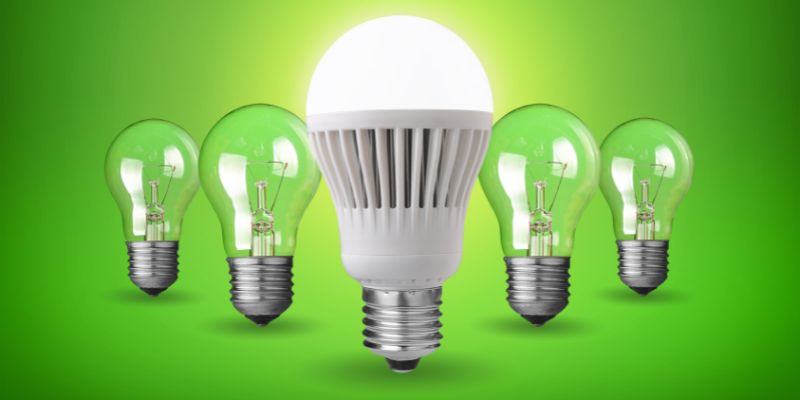
LED Light Globes
LEDs are the new kids on the block, and they’re taking over fast. These globes use light-emitting diodes to produce light, and they’re incredibly efficient. I recently upgraded my car’s taillights to LEDs, and I love how crisp and bright they are. Plus, they barely use any power, which is great for your car’s battery.
LEDs are used for everything from headlights to interior lights. They can last up to 25,000 hours—way longer than halogen or HID bulbs. The downside? They cost more upfront, often $30-$100 per bulb. But in my experience, they’re worth it because you won’t have to replace them as often. Just make sure your car’s wiring is compatible, as some older models need adapters for LEDs.
Incandescent Light Globes
Incandescent globes are the old-school bulbs you might find in vintage cars or dashboard lights. They work like the bulbs in your grandma’s table lamp, with a filament that glows when heated. I had an old classic car that used incandescent bulbs, and while they had a warm, nostalgic glow, they were dim and burned out quickly.
These bulbs are cheap—usually $5-$10—but they only last about 100-200 hours. They’re not as common in modern cars because they’re less efficient and fragile. If you’re restoring a classic car, you might still use them, but for everyday driving, you’re better off with halogen, HID, or LED.
Where Are Light Globes Used in Your Car?
Light globes are everywhere in your car, each one doing a specific job to keep you safe and comfortable. Here’s a quick rundown of where you’ll find them and why they matter.
- Headlights: These are the big ones up front, helping you see at night or in bad weather. I’ve driven through foggy mornings where good headlights made all the difference.
- Taillights: These light up when your headlights are on, letting drivers behind you know you’re there. They also include your brake lights and turn signals.
- Fog Lights: Lower on the bumper, these cut through fog, rain, or snow. I added fog lights to my SUV, and they’re a lifesaver in stormy weather.
- Interior Lights: These are the dome lights or map lights inside your car. I always appreciate a bright interior light when I’m searching for my keys at night.
- Dashboard Lights: Tiny bulbs that light up your speedometer or warning icons. When one burned out in my car, I realized how hard it is to drive without seeing your gauges!
- License Plate Lights: These keep your plate visible, which is important for legal reasons. I got pulled over once because mine was out—lesson learned.
Each light globe is designed for its specific role, so you can’t just swap them around. Always check your owner’s manual to find the right bulb type for each spot.
How to Choose the Right Light Globe for Your Car
Picking the right light globe can feel overwhelming, but I’ve got a simple system that works every time. Here’s what I do when I need to replace a bulb:
- Check Your Owner’s Manual: It lists the exact bulb types for your car’s make, model, and year. For example, my sedan uses an H11 bulb for low-beam headlights.
- Know the Bulb Size: Bulbs have codes like H4, 9005, or T10. These tell you the size and shape. You can also take the old bulb to the store to match it.
- Consider Your Driving Needs: If you drive a lot at night, go for brighter bulbs like HIDs or LEDs. For city driving, halogen might be fine.
- Think About Budget: Halogen is the cheapest, while LEDs and HIDs cost more but last longer. I weigh the upfront cost against how often I’ll need to replace them.
- Check Legality: Some states have rules about headlight brightness or color. In the USA, headlights should be white or amber, not blue or purple, to avoid dazzling other drivers.
I always buy from trusted brands like Philips, Sylvania, or GE. Cheap no-name bulbs might save you a few bucks, but they burn out faster and can be unreliable. A good bulb is an investment in your safety.
How to Replace a Light Globe
Replacing a light globe is easier than you might think, and it’s a great way to save money. I’ve done this dozens of times, and it usually takes me 10-15 minutes. Here’s my step-by-step guide:
- Turn Off the Car: Make sure the engine and lights are off to avoid shocks or burns.
- Pop the Hood: For headlights, you’ll need access to the back of the light housing. For taillights, you might need to open the trunk.
- Find the Bulb: Look for the socket holding the bulb. It’s usually a twist-and-pull setup.
- Remove the Old Bulb: Twist the socket counterclockwise to release it. Gently pull out the bulb. Don’t touch the glass on halogen bulbs—use gloves or a cloth.
- Install the New Bulb: Plug in the new bulb, making sure it’s secure. Twist the socket back into place.
- Test the Light: Turn on your car’s lights to make sure the new bulb works.
- Close Up: Secure the housing and close the hood or trunk.
If you’re replacing a dashboard or interior light, you might need a small screwdriver to pry off the cover. Always double-check your manual for specific instructions, as some cars have tricky setups. If you’re not comfortable doing it yourself, a mechanic can replace a bulb for $20-$50.
Maintaining Your Light Globes
Taking care of your light globes can make them last longer and keep your car looking sharp. Here are some tips I’ve picked up over the years:
- Clean Your Headlights: Cloudy or yellowed headlight lenses can dim your bulbs. I use a headlight restoration kit every year to keep mine crystal clear.
- Check Bulbs Regularly: Once a month, walk around your car at night to make sure all lights are working. It takes two minutes and can save you a ticket.
- Replace in Pairs: If one headlight or taillight burns out, replace both. Bulbs tend to die around the same time, and matching bulbs look better.
- Keep Spares Handy: I always keep a spare headlight and taillight bulb in my glovebox. You never know when you’ll need one on a road trip.
- Avoid Overloading Circuits: If you’re upgrading to brighter bulbs like LEDs, make sure your car’s wiring can handle them. Some older cars need a relay or adapter.
A little maintenance goes a long way. I’ve avoided plenty of headaches by staying on top of my car’s lighting system.
Why Light Globes Matter for Safety
Light globes aren’t just about looking good—they’re critical for safety. Good lighting helps you see obstacles, read signs, and react to hazards. It also makes sure other drivers, pedestrians, and cyclists can see you. I’ll never forget driving through a stormy night when my headlights were the only thing keeping me on the right path.
Burned-out or dim bulbs can lead to accidents or tickets. In the USA, police can pull you over for a broken taillight or headlight, and fines can range from $50-$200. More importantly, poor lighting puts you and others at risk. Investing in quality light globes and keeping them in good shape is one of the easiest ways to stay safe on the road.
Upgrading Your Light Globes
If you’re happy with your car’s lighting but want a little extra pizzazz, you can upgrade your light globes. I upgraded my headlights to LEDs last year, and the difference is night and day (pun intended). Here are some upgrade options:
- Brighter Halogen Bulbs: Some halogen bulbs, like “plus” or “ultra” versions, are designed to be brighter than standard ones. They’re a budget-friendly upgrade.
- HID Conversion Kits: You can swap halogen headlights for HIDs, but you’ll need a kit with a ballast. This can cost $100-$300 and might require professional installation.
- LED Headlights: LED kits are plug-and-play for many cars. They’re bright, efficient, and give a modern look. Expect to pay $50-$200.
- Custom Colors: Some bulbs offer a slight tint, like blue or yellow, for style. Just make sure they’re street-legal in your state.
Before upgrading, check your car’s compatibility and local laws. Upgrades can improve visibility and style, but done wrong, they can blind other drivers or cause electrical issues.
Conclusion
Light globes might seem like a small part of your car, but they play a huge role in keeping you safe and making every drive enjoyable. From the bright glow of your headlights to the subtle twinkle of your dashboard lights, these little bulbs are always working hard. After years of replacing, upgrading, and maintaining light globes, I’ve learned that a little knowledge and care can go a long way.
Whether you’re sticking with trusty halogen bulbs or splashing out on LEDs, understanding what a light globe is and how to choose the right one will keep your car shining bright. So, next time a bulb burns out, don’t stress—just grab your owner’s manual, pick the right globe, and hit the road with confidence. Here’s to safe, well-lit drives wherever you go!
FAQs
What is a light globe in a car?
A light globe is another name for the bulb used in your car’s lights, like headlights, taillights, or interior lights. It’s a small glass or plastic bulb that produces light to help you see and be seen.
How do I know which light globe my car needs?
Check your car’s owner’s manual for the bulb type, like H11 or 9005. You can also take the old bulb to an auto parts store to match it or look up your car’s make, model, and year online.
How long do light globes last?
It depends on the type. Halogen bulbs last 500-1,000 hours, HIDs last up to 2,000 hours, LEDs can last 25,000 hours, and incandescent bulbs last 100-200 hours.
Can I replace a light globe myself?
Yes, most light globes are easy to replace in 10-15 minutes. Check your owner’s manual for instructions, and don’t touch the glass on halogen bulbs to avoid shortening their lifespan.
Are LED light globes worth the cost?
LEDs cost more upfront ($30-$100 per bulb) but last longer and use less power. They’re a great choice if you want bright, efficient lights and don’t mind the initial investment.