What Is a Torpedo Level and When Should You Use One?
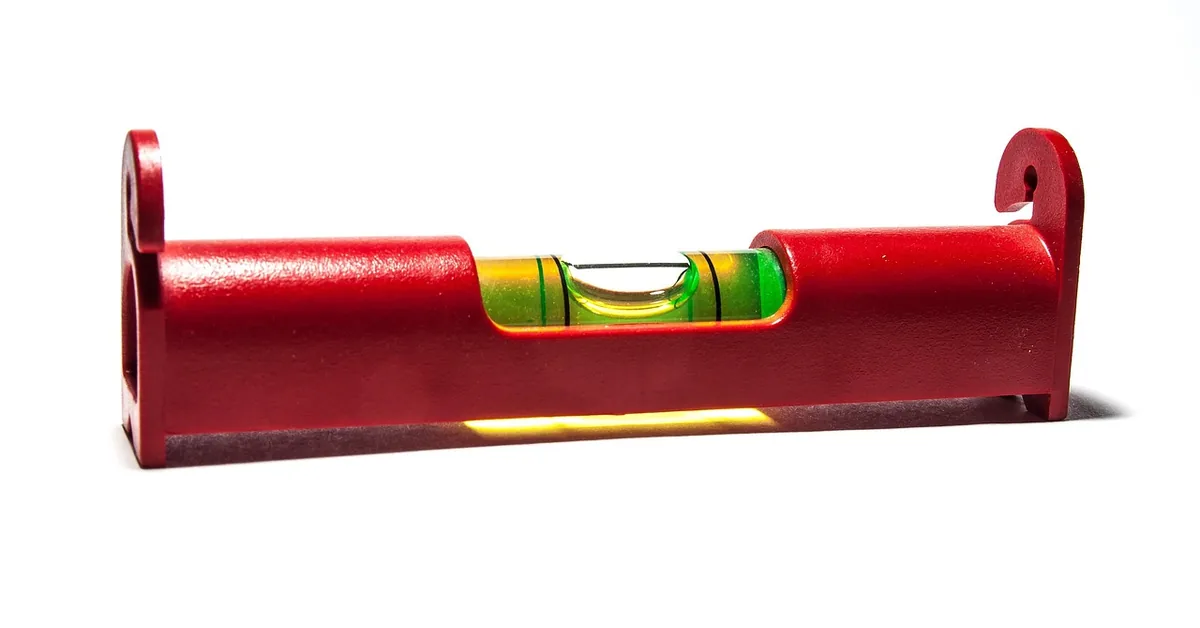
A torpedo level is a short (usually 9 inches) level with a compact, tapered body, made to check plumb, level, and often 45-degree angles in tight spots a full-size level cannot reach. Its size is the entire point: it fits inside cabinets, along pipe runs, on window sills, and in other narrow spaces where a 2 or 4-foot level simply will not sit flat. This guide covers what a torpedo level does well, where it falls short on accuracy, and when to reach for one instead of a longer level.
What the three vials actually check
Most torpedo levels have three bubble vials: one for level (horizontal), one for plumb (vertical), and one set at 45 degrees for checking pipe fittings, stair stringers, and angled bracing. Some also include a magnetic edge or back strip, which is one of the format’s biggest advantages: it lets the level stick to a steel pipe, an HVAC duct, or a metal stud while your hands stay free to mark or adjust. Checking the reading against a second, independent method (like a plumb bob or another level) the first time you use a new one is worth doing, since vial calibration can shift if the level is dropped.
Where a torpedo level genuinely earns its place
Leveling a window air conditioner, checking a cabinet or shelf bracket before driving screws, confirming a washing machine or refrigerator sits level on its feet, setting a single paver or step, and checking pipe slope on a short run are all tasks where a full-size level either will not fit or is unnecessary overkill. The magnetic back is particularly useful for plumbing and electrical work, where you often need both hands to hold a fitting in place while checking its angle.
Why accuracy drops over longer distances
Any level’s precision is a function of its length: a small bubble deviation on a 9-inch level represents a much smaller absolute error over that short span than the same bubble deviation would represent if extrapolated across a longer surface. Using a torpedo level to check something like a long countertop or a wall stud run means any minor tilt gets magnified as you move the level along the surface in sections, compounding small errors each time you reposition it. For anything longer than about 2 feet, a full-size level or a laser level gives a far more reliable reading in a single pass. If you are unsure whether your readings are trustworthy at all, it is worth checking whether digital levels are accurate enough for the tolerance your project actually needs.
Choosing one
Look for a milled aluminum or cast body rather than plastic, since a warped body throws off every reading regardless of vial quality. A magnetic edge is worth paying extra for if you do any plumbing, HVAC, or metal-stud framing work. Some torpedo levels add a digital readout with a numeric angle display, which helps for anything beyond simple level and plumb checks, like setting a specific roof pitch or ramp slope.
Frequently Asked Questions
Is a torpedo level accurate enough for hanging cabinets?
Yes for checking an individual cabinet is level and plumb on its own. For aligning a full run of cabinets across a wall, use a longer level or a laser line so all the cabinets reference the same plane rather than being checked independently.
Why does my torpedo level show different readings when flipped end to end?
This is the standard way to test a level’s calibration. If the bubble reads level in one direction but off in the reversed direction, the vial is out of calibration by half the difference between the two readings, and the level should be replaced or recalibrated if possible.
Can a torpedo level replace a longer level for most jobs?
No, they serve different purposes. A torpedo level is for short, close checks in tight spaces, while a 2 to 4-foot level is needed for framing, shelving runs, and anything where you need to confirm level or plumb across a longer span in one reading.
Sponsored / affiliate links. As an Amazon Associate I earn from qualifying purchases. I may earn additional commission from eligible campaigns.