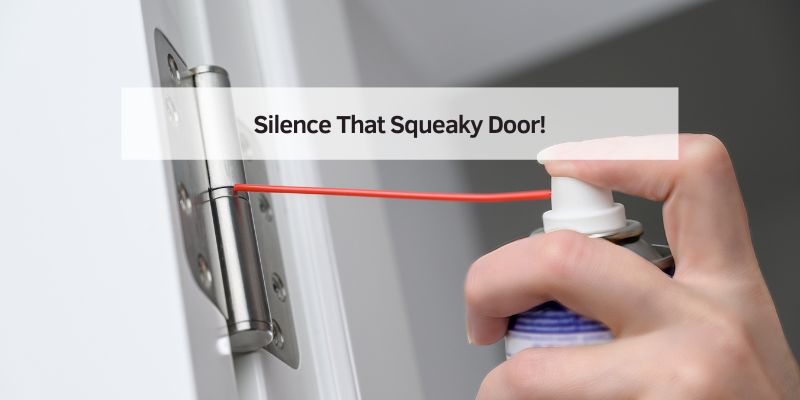
Silence That Squeaky Door!
My bedroom door used to squeak like a scene from a haunted house movie. Every night, that creak woke my dog, and I’d jump! I decided to find what is the best lubricant for door hinges and fix it. This article shares easy tips to stop squeaky hinges, pick the right lubricant, and keep your doors quiet. Whether you’re a beginner or a DIY pro, I’ve got simple steps, fun examples, and cost-saving tricks to make your doors glide smoothly.
What Is a Door Hinge Lubricant?
A door hinge lubricant is a product that reduces friction in hinges, stopping squeaks and making doors swing easily. It’s like oiling a bike chain to keep it moving smoothly. Lubricants matter because squeaky hinges are annoying and can wear out over time. Using the right one saves you from replacing hinges, which can cost $20 or more per door.
Why Do Hinges Squeak?
Hinges squeak when metal rubs against metal without enough lubrication. Dirt, rust, or old paint can make it worse. For example, my old apartment had hinges caked with dust, making them scream every time I opened the door. Cleaning and lubing them fixed it in minutes!
Types of Lubricants for Door Hinges
There are many lubricants, but not all are great for hinges. Here’s a simple breakdown of the best options, based on my trial-and-error fixes around the house.
White Lithium Grease
This thick grease sticks to hinges for long-lasting quiet. It’s perfect for outdoor or heavy doors. I used it on my garage door, and it’s been silent for over a year!
- Pros: Long-lasting, rust protection, great for heavy use.
- Cons: Can be messy if over-applied.
Silicone Spray
Silicone spray is easy to apply and works on indoor and outdoor hinges. It’s less messy than grease but may need reapplication every few months. I tried it on my kitchen door, and it worked like a charm.
- Pros: Clean application, safe for plastic or rubber parts.
- Cons: Attracts dust over time.
Graphite Powder
This dry lubricant is great for indoor hinges where you want no mess. It’s like pencil lead and doesn’t attract dust. I used it on my office door, and it’s still quiet after six months.
- Pros: No sticky residue, low maintenance.
- Cons: Tricky to apply, not ideal for heavy doors.
Household Alternatives
No lubricant? Try these quick fixes from your home:
- Olive oil: Works temporarily but gets sticky.
- Petroleum jelly: Decent for light use but attracts dust.
-
Bar soap: Rub it on hinges for a short-term fix.
Note: These aren’t long-term solutions and can gunk up hinges over time.
Comparison of Lubricants
Here’s a table comparing the top lubricants to help you choose:
| Lubricant | Best For | Duration | Cost | Mess Level |
|---|---|---|---|---|
| White Lithium Grease | Heavy/outdoor doors | 1-2 years | $5-10 | Medium |
| Silicone Spray | Indoor/outdoor hinges | 6-12 months | $4-8 | Low |
| Graphite Powder | Indoor light doors | 6-12 months | $3-7 | Low |
| Olive Oil | Temporary fix | 1-2 weeks | ~$0 (pantry) | High |
Caption: Compare lubricants to find the best fit for your door hinges.
Step-by-Step Guide to Lubricate Door Hinges
Lubricating hinges is easy, even for beginners. Here’s how I fixed my squeaky bedroom door in 10 minutes.
What You’ll Need
- Lubricant (white lithium grease, silicone spray, or graphite powder).
- Rag or paper towel.
- Screwdriver and hammer (for removable pins).
- Optional: Steel wool for rusty hinges.
Steps for Removable Hinge Pins
- Find the squeak: Open and close the door to locate noisy hinges.
- Clean the hinge: Wipe away dust or rust with a rag or steel wool.
- Remove the pin: Tap the pin up with a screwdriver and hammer.
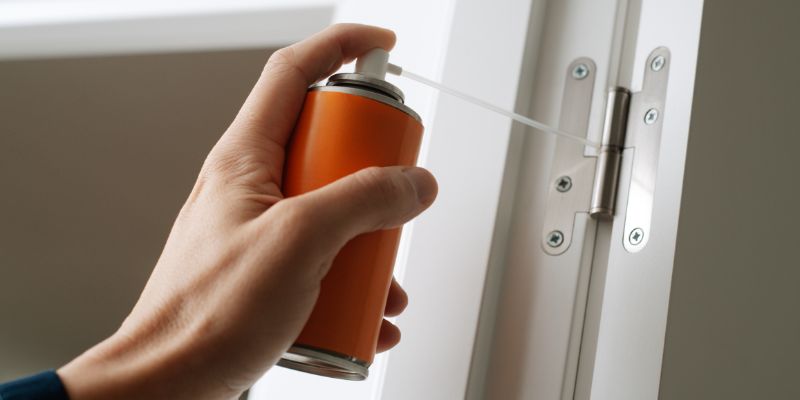
- Apply lubricant: Rub or spray a thin layer on the pin and inside the hinge.
- Reinsert the pin: Push it back in and move the door to spread the lube.
- Wipe excess: Clean any drips to avoid dust buildup.
Steps for Non-Removable Hinge Pins
- Clean the hinge: Wipe off dirt or rust.
- Apply lubricant: Spray or dab lubricant into the hinge’s top and sides.
- Work it in: Open and close the door several times.
- Clean up: Wipe away excess with a rag.
Visual Idea: A diagram showing a hinge pin being removed and lubricated would make this clearer.
Benefits and Drawbacks of Lubricating Hinges
Lubricating hinges keeps doors quiet and smooth, saving you from costly replacements. It also prevents rust, especially on outdoor doors. However, some lubricants (like olive oil) can attract dust, making hinges sticky over time. Reapplying every 6-12 months keeps them in top shape.
Common Mistakes to Avoid
- Using WD-40 as a lubricant: It’s a degreaser, not a long-term fix. It can dry out hinges.
- Over-applying: Too much lube attracts dust and makes a mess.
- Skipping cleaning: Dirt blocks lubricant from working well.
My Top Tips for Door Hinge Maintenance
After fixing dozens of squeaky doors, here are my go-to tips:
- Start small: Use a little lubricant and add more if needed.
- Check alignment: If squeaks return quickly, hinges may be misaligned. Tighten screws or call a pro.
- Go dry for indoors: Graphite powder is perfect for low-traffic indoor doors.
- Save money: Household items like petroleum jelly work in a pinch but reapply often.
Cost-Saving Ideas
- Buy a small can of silicone spray ($4-8) for multiple doors.
- Use pantry items like olive oil for temporary fixes to avoid a store trip.
- Clean hinges first to make lubricant last longer, saving on reapplication.
Here’s a cost comparison table for budget-conscious readers:
| Option | Cost | Duration | Best Use |
|---|---|---|---|
| Silicone Spray | $4-8 | 6-12 months | General use |
| White Lithium Grease | $5-10 | 1-2 years | Heavy/outdoor doors |
| Petroleum Jelly | ~$0 (pantry) | 1-2 months | Temporary fix |
Caption: Save money by choosing the right lubricant for your needs.
Safety Tips
- Keep lubricants away from kids and pets.
- Use gloves when applying grease to avoid skin irritation.
- Place a rag under hinges to catch drips and protect floors.
Visual Idea: A labeled diagram of a hinge showing where to apply lubricant would help beginners.
Alternatives to Lubrication
If lubrication doesn’t work, try these:
- Tighten screws: Loose hinges can squeak. Use a screwdriver to fix them.
- Replace hinges: For old or rusty hinges, new ones cost $10-20. Stainless steel ball-bearing hinges last longer.
- Adjust alignment: A pro can realign hinges for smooth operation.
My First Squeaky Door Disaster
My first attempt at fixing a squeaky door was a flop! I grabbed cooking spray (yep, Pam!) and sprayed it everywhere. The door was quiet for a day, then got sticky and worse. Lesson learned: stick to proper lubricants like silicone or grease. It’s a funny story now, but it taught me to research first!
Frequently Asked Questions
What Is The Best Lubricant For Door Hinges?
White lithium grease is best for long-lasting results, especially for heavy or outdoor doors. Silicone spray is great for easy application and indoor use. Both reduce friction and prevent rust effectively.
Can I Use WD-40 on Door Hinges?
WD-40 is a degreaser, not a long-term lubricant. It may stop squeaks briefly but can dry out hinges or attract dust. Use silicone spray or white lithium grease instead.
How Often Should I Lubricate Hinges?
Lubricate hinges every 6-12 months, depending on use. Outdoor hinges may need more frequent lubing due to weather exposure. Check them yearly to stay squeak-free.
Can Household Items Work as Lubricants?
Yes, olive oil, petroleum jelly, or bar soap can work temporarily. They’re not ideal, as they attract dust or get sticky, so use proper lubricants for lasting results.
What If My Hinges Keep Squeaking?
If lubrication doesn’t help, check for loose screws or misalignment. Tighten screws or consider replacing old hinges. A pro can help with alignment issues.
Is Graphite Powder Good for Hinges?
Graphite powder is great for indoor, light-use hinges. It’s clean and long-lasting but may not hold up on heavy doors. Apply carefully to avoid mess.
How Do I Clean Hinges Before Lubricating?
Wipe hinges with a rag and mild cleaner to remove dirt or rust. For tough rust, use steel wool. Clean hinges ensure the lubricant works better.
Conclusion
Fixing squeaky hinges is a quick, fun project anyone can do. With the right lubricant like white lithium grease or silicone spray, your doors will glide silently. Try lubing a door this weekend—it’s a piece of cake! Share your results or tips in the comments on sites like This Old House or Bob Vila. Got a squeaky door story? I’d love to hear it!