What Is The Best Toilet For Flushing: Genius Choice
Quick Summary: The best toilet for flushing is one that efficiently removes waste with a single flush, conserves water, and is durable. Look for modern, high-efficiency toilets (HETs) with a WaterSense label, dual-flush options, and a well-designed trapway for reliable performance.
Choosing a new toilet might seem like a simple task, but when it comes to flushing power and efficiency, there’s more to consider than you might think! We’ve all experienced the frustration of a toilet that doesn’t quite get the job done, leaving you worried about clogs or needing a second flush. That’s not just annoying; it can waste water and time. Don’t let toilet troubles get you down. This guide will walk you through exactly what makes a toilet a “genius choice” for flushing, helping you pick one that’s reliable, water-saving, and easy to live with. Get ready to say goodbye to flushing worries!
Understanding Toilet Flushing Mechanics: What Makes a Flush “Good”?
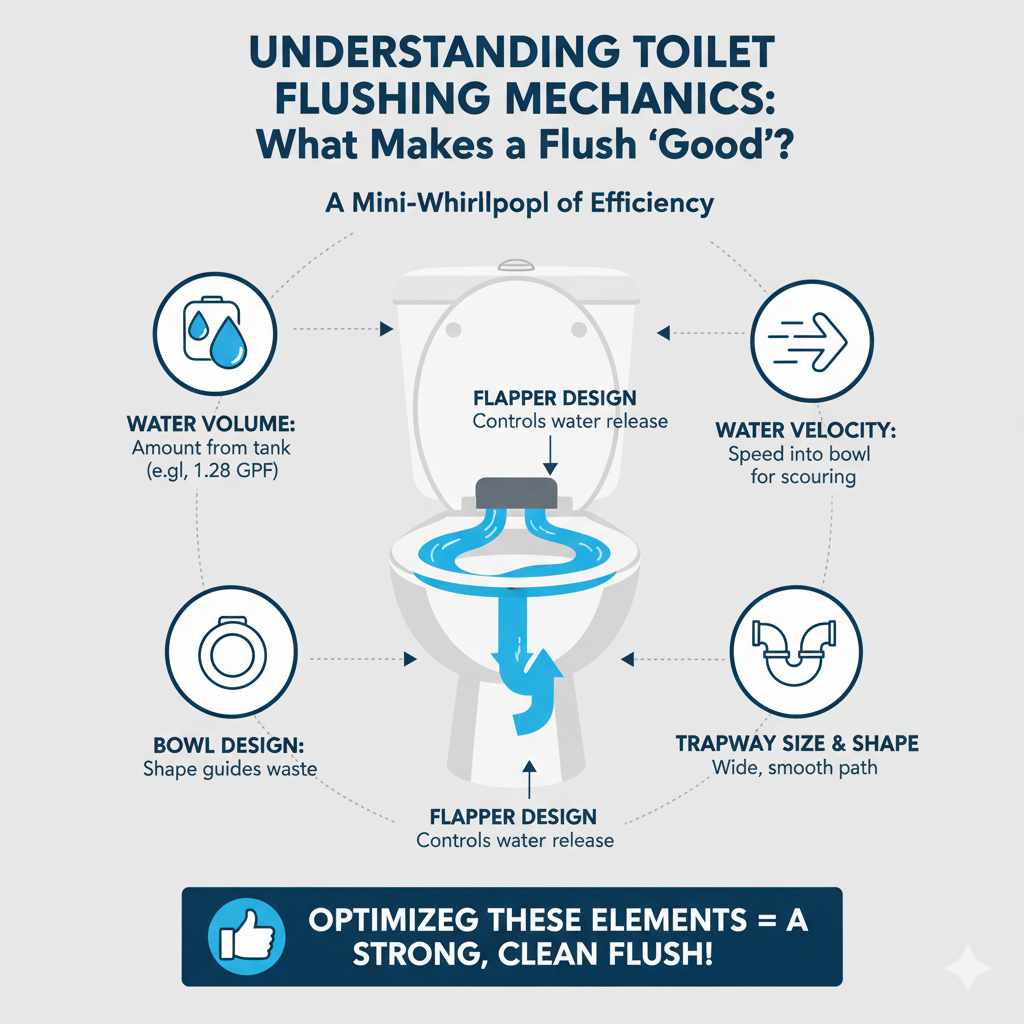
Before we dive into the “best,” let’s quickly understand how toilets work and what makes a flush effective. A toilet’s primary job is to clear waste from the bowl into the sewer line. This is achieved through a combination of water volume, water speed, and the design of the toilet’s bowl and trapway.
Think of it like a mini-whirlpool. When you flush, a valve opens, and a significant amount of water rushes from the tank into the bowl. This water pushes the waste over the trapway’s edge and into the drainpipe. A “good” flush means this process happens cleanly and completely with just one push of the handle.
Several factors contribute to a powerful and efficient flush:
- Water Volume: The amount of water released from the tank. Older toilets might use 3.5 gallons per flush (gpf), while modern ones use much less.
- Water Velocity: How quickly the water enters the bowl. A faster flow helps to scour the bowl and push waste more effectively.
- Bowl Design: The shape and slope of the bowl can influence how well waste is guided towards the trapway.
- Trapway Size and Shape: This is the S-shaped or P-shaped pipe that carries waste away. A larger, smoother trapway is less likely to clog.
- Flapper Design: The rubber seal at the bottom of the tank that holds water. Its seal and how it opens affect the flush’s power and duration.
When you’re looking for the “best toilet for flushing,” you’re essentially looking for a toilet that optimizes these elements to deliver a strong, consistent performance while being mindful of water usage.
Key Features of a “Genius Choice” Flushing Toilet
A toilet that truly excels at flushing isn’t just about raw power; it’s about smart design and efficiency. Here are the features that mark a toilet as a “genius choice”:
1. High-Efficiency Flushing (HET) and WaterSense Label
This is perhaps the most important indicator. A toilet labeled as a High-Efficiency Toilet (HET) uses 1.28 gallons per flush (gpf) or less. This is a significant improvement over older toilets that might use 1.6 gpf or even 3.5 gpf. The U.S. Environmental Protection Agency’s (EPA) WaterSense program certifies toilets that meet strict performance and efficiency standards. To earn the WaterSense label, a toilet must:
- Use 1.28 gpf or less.
- Perform as well as or better than the best-selling flushing toilets in consumer tests.
- Meet a minimum flushing performance standard.
- Be at least 20% more water-efficient than the current federal standard.
Choosing a WaterSense-labeled toilet is a smart move for both your wallet and the environment. You’ll see a noticeable difference in your water bill, and you’ll be contributing to water conservation efforts.
2. Dual-Flush Technology
Dual-flush toilets offer two flushing options: a lighter flush for liquid waste and a more powerful flush for solid waste. This feature provides exceptional control over water usage. Typically, the lighter flush uses around 0.8 to 1.1 gallons, while the full flush uses the standard 1.28 gpf or a bit more.
Benefits of Dual-Flush:
- Maximum Water Savings: By using less water for most flushes, you can significantly reduce your overall water consumption.
- Versatility: Caters to different needs, ensuring enough power when required.
- Environmental Friendliness: A clear win for sustainability.
The mechanism usually involves two buttons on top of the tank or a lever that can be pulled up or pushed down for different flush strengths.
3. Trapway Design and Size
The trapway is the internal channel that carries waste away. A larger trapway (typically 2 inches or more in diameter) is much less prone to clogs than smaller ones. Look for toilets with a fully glazed trapway, meaning the inside of the pipe is coated with a smooth enamel. This smooth surface reduces friction, allowing waste to pass through more easily and preventing buildup.
A well-designed trapway, combined with sufficient water volume and velocity, is crucial for a powerful, clog-free flush.
4. Siphon Jet vs. Washdown vs. Gravity Flush
Toilets use different flushing technologies. Understanding these can help you choose:
- Gravity Flush: The most common type. It relies on the weight of the water in the tank to create a siphon effect. Simple and reliable, but can be less efficient if not designed well.
- Siphon Jet: These toilets have an extra jet hole at the bottom of the bowl that shoots water into the trapway, helping to create a stronger siphon and clear the bowl more effectively. They are generally very good at powerful flushing.
- Washdown: These toilets use a direct flow of water to push waste out of the bowl quickly. They are often very water-efficient but might not scour the bowl as thoroughly as siphon-jet models.
For a “genius choice” in flushing power, a well-engineered siphon-jet or a high-performance gravity flush with a good bowl design is often preferred.
5. Flush Valve Size
The flush valve is the opening at the bottom of the tank that allows water to enter the bowl. A larger flush valve (typically 3 inches) allows water to enter the bowl faster, creating a more powerful flush. Many modern, efficient toilets feature a 3-inch flush valve.
Comparing Flushing Technologies: A Deeper Look
To make an informed decision, let’s compare some common flushing technologies and their impact on performance.
Table: Flushing Technology Comparison
| Technology | Water Usage (Typical) | Pros | Cons | Best For |
|---|---|---|---|---|
| Gravity Flush (Standard) | 1.6 – 3.5 gpf | Simple, reliable, widely available, affordable | Can be less water-efficient, may require multiple flushes if not well-designed | Budget-conscious buyers, basic needs |
| High-Efficiency Gravity Flush (WaterSense) | 1.28 gpf | Water-saving, environmentally friendly, good performance | May be slightly more expensive than basic models | Most homeowners seeking efficiency and performance |
| Siphon Jet | 1.28 – 1.6 gpf | Powerful, efficient flushing, excellent waste removal, less prone to clogs | Can be noisier than gravity flush, slightly higher water usage than HETs | Homes prone to clogs, those prioritizing power |
| Dual-Flush (HET) | 0.8 – 1.28 gpf (variable) | Maximum water savings, flexible flushing options, environmentally superior | More complex mechanism, can be pricier, requires understanding of two buttons/levers | Eco-conscious homeowners, significant water bill reduction |
| Washdown | 1.28 gpf | Quick flush action, good for clearing bowl rapidly, water-efficient | May not scour bowl as well, can be less quiet | Situations needing rapid clearing, water efficiency focus |
As you can see, the “best toilet for flushing” often leans towards technologies that combine efficiency with power. High-efficiency toilets with a good trapway design and potentially a siphon jet or advanced gravity system are usually top contenders.
How to Choose Your “Genius Choice” Toilet: A Step-by-Step Guide
Ready to find the perfect flushing toilet for your home? Follow these simple steps:
Step 1: Assess Your Needs and Priorities
Before you even look at toilets, consider:
- Budget: How much are you willing to spend?
- Water Savings: Is reducing your water bill a top priority?
- Flushing Power: Do you have frequent clogging issues, or do you need a robust system?
- Bathroom Size: Some toilets are more compact than others.
- Style: While not directly related to flushing, aesthetics matter!
Step 2: Look for the WaterSense Label
As mentioned, the WaterSense label is your first and best indicator of efficiency and performance. Aim for toilets that use 1.28 gpf or less.
Step 3: Consider Dual-Flush Technology
If water savings are paramount, dual-flush is an excellent option. It offers the flexibility to use minimal water for lighter needs.
Step 4: Examine Trapway Size and Glazing
Look for specifications that mention a 2-inch or larger trapway. Also, check if the trapway is fully glazed. This information is often available in product descriptions or manuals.
Step 5: Read Reviews and Check Performance Ratings
Don’t just take the manufacturer’s word for it. Read online reviews from other homeowners. Many plumbing fixture review sites and consumer reports also conduct MaP (Maximum Performance) testing, which rates how well a toilet can remove waste. A MaP score of 1,000 grams or higher is generally considered excellent for flushing power.
For example, the MaP testing program is a great resource for understanding real-world flushing performance. You can find their results and learn more about their testing methods on their official website.
Step 6: Consider the Flush Mechanism
While advanced gravity flush systems are very good, toilets with a siphon jet can offer that extra boost in flushing power if you suspect you might need it.
Step 7: Check Toilet Height (Comfort Height)
While not directly related to flushing power, many modern toilets come in “Comfort Height” or “Right Height” options (around 17-19 inches from floor to seat rim). This is taller than standard toilets and can make sitting and standing easier, especially for taller individuals or those with mobility issues. This is a comfortable addition to a “genius choice” toilet.
Top Features to Avoid
While focusing on the best, it’s also good to know what to steer clear of:
- Excessively old toilets: Those using 3.5 gpf or more are highly inefficient.
- Small, unglazed trapways: These are prone to clogs.
- Toilets with poor reviews regarding flushing: If many people complain about weak flushes or clogs, avoid it.
- Toilets without clear specifications: If you can’t find information on water usage, trapway size, or performance, it might be a sign of a less reputable product.
Maintenance Tips for Optimal Flushing
Even the best toilet needs a little care to keep flushing like a champ. Here are some simple maintenance tips:
- Regular Cleaning: Keep the bowl clean. Mineral deposits or debris can sometimes affect the water flow. Use a toilet brush and appropriate cleaner regularly.
- Check the Flapper: Over time, the flapper at the bottom of the tank can wear out, leak, or not seal properly, leading to weak flushes or constant running. If you notice issues, replacing a flapper is a relatively easy DIY task.
- Inspect the Flush Valve Seat: The area where the flapper seals should be clean and free of debris.
- Avoid Harsh Chemicals: Overuse of harsh chemical drain cleaners can damage internal toilet components over time.
- Address Clogs Promptly: If a clog does occur, use a plunger or a toilet auger (snake) rather than chemical drain cleaners, which can be harsh.
A well-maintained toilet will continue to provide a “genius” flush for years to come.
Frequently Asked Questions (FAQ)
Q1: What does “gpf” mean?
A1: “gpf” stands for gallons per flush. It’s the standard measurement for how much water a toilet uses with each flush. Modern, efficient toilets use 1.28 gpf or less.
Q2: How do I know if a toilet is really powerful?
A2: Look for toilets with a MaP score of 1,000 grams or higher. Also, consider toilets with a 2-inch or larger trapway and those using siphon jet technology. Reading user reviews that specifically mention flushing power is also helpful.
Q3: Are dual-flush toilets worth the extra cost?
A3: For most people, yes. The water savings over the lifetime of the toilet can easily offset the initial higher cost, and they are significantly better for the environment.
Q4: Can I upgrade my old toilet to be more efficient?
A4: While you can sometimes find upgrade kits for older tanks, the most effective way to improve flushing efficiency and water savings is to replace the entire toilet with a modern, WaterSense-certified model.
Q5: What’s the difference between a standard toilet and a “comfort height” toilet?
A5: A comfort height toilet is taller, typically with the seat rim measuring 17-19 inches from the floor. Standard toilets are usually around 15 inches. Comfort height makes it easier for many people to sit down and stand up.
Q6: How often should I replace my toilet?
A6: Toilets can last for decades, often 20-50 years or more. You should consider replacing your toilet if it’s constantly clogging, leaking, uses excessive water (over 1.6 gpf), or if you simply want to upgrade to a more water-efficient and modern model.
Conclusion
Choosing the “best toilet for flushing” doesn’t have to be complicated. By focusing on key features like WaterSense certification, dual-flush options, a well-designed trapway, and proven performance ratings, you can confidently select a toilet that will reliably clear your bowl with every flush while saving water and contributing to a greener home. Remember, a genius choice in a toilet is one that works perfectly, efficiently, and lasts for years. Happy flushing!