What Makes a Good Deck Sealer? Match It to Wood and Exposure
A good deck sealer matches its formula to the wood species underneath it and the amount of direct sun the deck gets, since a sealer that works perfectly on shaded cedar can fail within a year on a south-facing pressure-treated deck. This guide covers penetrating versus film-forming sealers, how to match one to your specific wood, and why sun exposure changes what you should actually buy.
Penetrating Sealers vs. Film-Forming Stains
A penetrating sealer, whether clear, semi-transparent oil-based, or a water-based formula, soaks into the wood’s surface fibers and cures there rather than sitting on top, so it can flex with the wood’s natural seasonal movement without cracking or peeling. A film-forming solid or semi-solid stain instead builds a coating on the surface, which hides more of the wood grain and color but is far more prone to peeling and flaking on decking that expands, contracts, and takes foot traffic, unlike vertical siding where film coatings hold up much better.
Matching Sealer to Wood Species
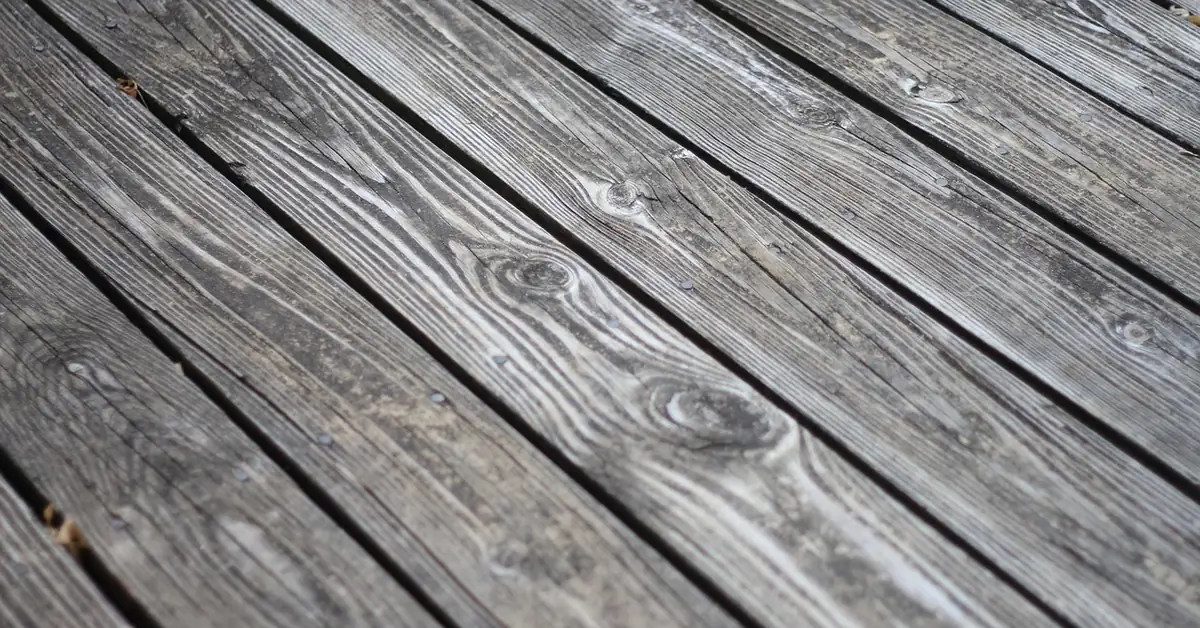
Pressure-treated pine, the most common decking material, moves significantly with humidity and generally does best with a penetrating semi-transparent sealer carrying UV-blocking pigment, since a clear film coating tends to crack along the boards’ grain within a season or two. Cedar and redwood have natural oils and tannins that already resist rot, so a clear or lightly tinted penetrating sealer with UV inhibitors is usually enough to preserve their natural color and prevent the gray “silvering” that happens with sun exposure. Dense exotic hardwoods like ipe or cumaru are so tight-grained and naturally oily that standard sealers barely penetrate at all; these need a dedicated low-viscosity hardwood oil formulated specifically to soak into that tighter wood structure.
Why Sun Exposure Changes What You Should Buy
UV radiation is what actually breaks down wood fibers and degrades sealers over time, not moisture alone. A deck facing south or west in full sun needs a sealer with a higher concentration of UV-blocking pigment and should be expected to need reapplication annually, while a shaded or covered deck can often go two to three years between coats using the same product. Clear, unpigmented sealers offer the least UV protection of any option and typically need the most frequent reapplication regardless of exposure.
Reading the Can: Water Repellency, UV Level, and Mildewcide
Look for a product that specifically states a water repellency or “water beading” performance claim, since that’s the sealer’s main job on horizontal decking exposed to rain and sprinklers. In humid climates or shaded, damp areas, choose a sealer with a mildewcide additive built in, since standing moisture under a deck without one leads to visible mold and algae staining within a season. Water-based sealers generally have lower VOC content and dry faster, but oil-based formulas typically penetrate deeper and last longer between recoats.
Frequently Asked Questions
How often should I reseal a deck?
Most decks need resealing every one to three years depending on sun exposure, foot traffic, and the sealer’s UV pigment level. A simple test is to splash water on the deck boards; if it no longer beads up and instead soaks in, it’s time to reapply.
Can I put a clear sealer over an old stained deck?
Generally no, not without fully stripping and sanding the old film coating first. A penetrating clear sealer can’t soak into wood that’s still covered by a solid or semi-solid stain film, so it will just sit on top and wear unevenly.
Does a more expensive sealer really last longer?
Often yes, since higher-end formulas typically pack in more UV-blocking pigment and higher-quality resins that penetrate deeper, both of which directly extend the time before you need to reapply. That said, matching the formula to your wood and sun exposure matters more than price alone.
Sponsored / affiliate links. As an Amazon Associate I earn from qualifying purchases. I may earn additional commission from eligible campaigns.