What Size Faucet for Kitchen Sink: A Complete Guide to Choosing the Perfect Fit
Hey there! So, you’re looking to upgrade your kitchen sink faucet, but you’re wondering, “What size faucet for a kitchen sink is the right one?” I get it. A few years back, I decided to replace the old, leaky faucet in my kitchen, thinking it’d be a quick swap. Boy, was I wrong! I ended up with a faucet that was too big for my sink, spraying water everywhere and looking out of place. After some trial and error, I’ve learned how to pick the perfect faucet size for any kitchen, whether it’s a cozy home setup, an RV sink for road trips, or even a fancy sink in a car showroom break room. In this guide,
I’m sharing everything I’ve figured out about choosing the right faucet size, so you can avoid my mistakes and get a faucet that fits like a dream. Let’s dive in and find the perfect faucet for your sink, like we’re chatting over a coffee in your kitchen!
Why Faucet Size Matters
Picking the right faucet size isn’t just about looks—it’s about function too. A faucet that’s too big can overwhelm a small sink, causing splashes and making your kitchen feel cramped. One that’s too small might not reach far enough, leaving you struggling to wash dishes. I learned this when my oversized faucet turned my sink into a splash zone. The right size ensures water flows where you need it, keeps your counter dry, and makes your kitchen look polished. Whether you’re cooking at home, prepping in an RV, or setting up a sink for a car-related space, a well-sized faucet saves time and hassle.
Understanding Kitchen Sink Faucet Sizes
Faucets come in all shapes and sizes, but they’re not one-size-fits-all. I’ve found that faucet size is determined by a few key measurements: height, spout reach, and the number of mounting holes. Most standard kitchen faucets in the USA are designed to fit sinks with 1 to 4 holes, but the size of the sink and counter space also play a big role. For example, my home sink is a double-bowl model, so I needed a faucet with enough reach to cover both sides. In my RV, I went with a smaller faucet to save space. Knowing your sink’s setup is the first step to finding a faucet that fits perfectly.
Key Measurements to Consider
To choose the right faucet, you need to measure a few things. Here’s what I focus on when sizing a faucet for a kitchen sink.
Sink Dimensions
Start with your sink. Measure the width and depth of the bowl (or bowls if it’s a double sink). My single-bowl sink is 22 inches wide and 18 inches deep, so I needed a faucet with enough reach to cover the whole area. For double sinks, the faucet should reach the center of both bowls. I also check the sink’s depth—shallow sinks (6–8 inches) need shorter faucets to avoid splashing, while deeper sinks (9–12 inches) can handle taller ones.
Faucet Height
Faucet height is the distance from the base to the top of the spout. I’ve used faucets ranging from 8 inches (low-profile) to 16 inches (high-arc). High-arc faucets are great for filling tall pots, but they can splash in shallow sinks. My deep sink works well with a 12-inch faucet, giving me room to maneuver without making a mess.
Spout Reach
Spout reach is how far the faucet extends over the sink. I measure from the center of the faucet’s base to the end of the spout. Most kitchen faucets have a reach of 8–10 inches. My double sink needed a 9-inch reach to cover both bowls. Too short, and you can’t reach the far side; too long, and water spills onto the counter.
Mounting Holes
Check how many holes your sink has for mounting the faucet. I’ve seen sinks with 1, 2, 3, or 4 holes. My old sink had 3 holes—one for the faucet and two for handles. Single-hole faucets are sleek and modern, but you might need a deck plate to cover extra holes. I used a deck plate when I switched to a single-hole faucet, and it looked seamless.
Counter Space
Don’t forget the space behind the sink. I once installed a tall faucet that hit my backsplash, making it hard to clean. Measure the distance from the sink to the wall or backsplash. My sink has 4 inches of counter space, so I chose a faucet that didn’t extend too far back.
Here’s a table to summarize the key measurements:
| Measurement | What to Measure | Typical Range | Why It Matters |
|---|---|---|---|
| Sink Width/Depth | Width and depth of sink bowl(s) | 18–36 inches wide, 6–12 inches deep | Ensures faucet reach covers the sink |
| Faucet Height | Ensures the faucet reach covers the sink | 8–16 inches | Affects clearance for pots and splashing |
| Spout Reach | From base center to spout end | 8–10 inches | Ensures water hits the sink’s center |
| Mounting Holes | Number of holes in sink | 1–4 holes | Determines faucet compatibility |
| Counter Space | Space behind sink to wall/backsplash | 2–6 inches | Prevents faucet from hitting obstacles |
Tools You’ll Need to Measure
You don’t need fancy tools to size a faucet. Here’s what I use:
- Tape measure: For sink and faucet dimensions.
- Paper and pen: To jot down measurements.
- Screwdriver: To remove the old faucet, if needed.
- Camera (optional): I snap a photo of the sink to reference when shopping.
I keep these in my toolbox, so I’m ready to measure anytime. Simple tools make the job quick and easy.
How to Choose the Right Faucet Size
Once you’ve got your measurements, picking the right faucet is straightforward. Here’s how I do it.
Match the Sink Size
The faucet should fit the sink’s scale. For small sinks (18–22 inches wide), I go for a low-profile faucet with an 8-inch reach. Larger sinks (24–36 inches) can handle high-arc faucets with a 9–10-inch reach. My double sink needed a 9-inch reach to cover both bowls without splashing the counter.
Consider Sink Depth
Shallow sinks need shorter faucets to prevent water from bouncing out. My shallow RV sink works best with a 10-inch-high faucet. Deep sinks, like my home’s 10-inch bowl, pair well with taller faucets (12–16 inches) for filling large pots.
Check Mounting Compatibility
Make sure the faucet matches your sink’s hole configuration. I switched to a single-hole faucet for my modern kitchen, using a deck plate to cover the extra holes. If your sink has multiple holes, you can choose a faucet with separate handles or a sprayer. My old 3-hole sink had a separate sprayer, which I loved for rinsing dishes.
Think About Functionality
Consider how you use your sink. I cook a lot, so a high-arc faucet with a pull-down sprayer is a game-changer for filling pots and cleaning. For an RV, I chose a compact faucet with a single handle to save space. In a car showroom break room, a sleek single-hole faucet adds a professional touch.
Types of Kitchen Faucets and Their Sizes
Faucets come in different styles, and size varies by type. Here’s what I’ve learned about the most common ones.
Single-Handle Faucets
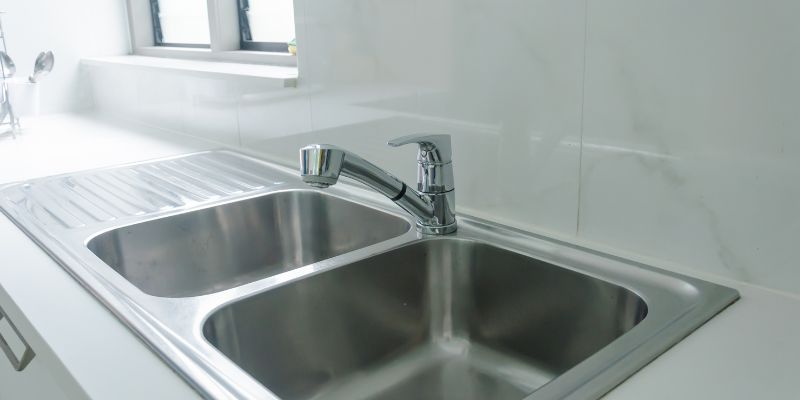
These have one lever for hot and cold water. I have one in my kitchen—it’s about 12 inches high with an 8-inch reach. They’re great for small sinks or modern designs. Single-handle faucets usually fit single-hole or 3-hole sinks with a deck plate.
Double-Handle Faucets
Double-handle faucets have separate hot and cold handles. My old kitchen had one, with a 10-inch height and 9-inch reach. They need 3 or 4 holes and work well for larger sinks. I find them a bit clunky but great for precise temperature control.
Pull-Down/Pull-Out Faucets
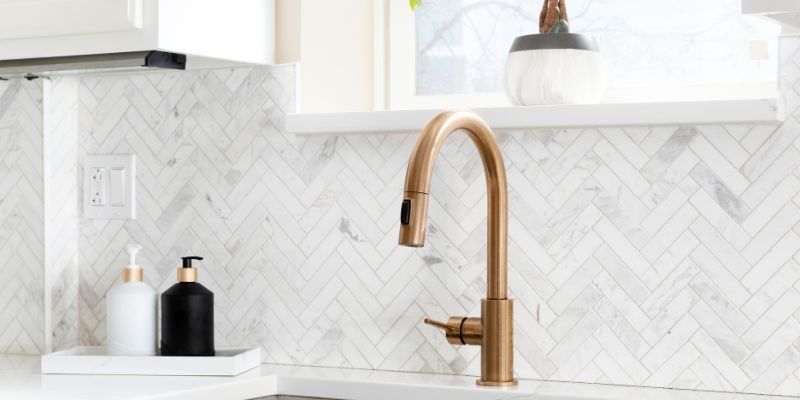
These have a detachable spout for spraying. My current faucet is a pull-down model, 14 inches high with a 9-inch reach. They’re perfect for deep sinks or heavy-duty cleaning. I use mine to rinse dishes and fill buckets easily.
Wall-Mounted Faucets
Wall-mounted faucets attach to the wall above the sink. I saw one in a friend’s industrial-style kitchen, with a 10-inch reach extending over the sink. They’re great for unique setups but need enough wall clearance. Measure the distance from the wall to the sink’s center to ensure a good fit.
Installing a New Kitchen Faucet
Installing a faucet is easier than it looks. I’ve done it a few times, and here’s my process:
Step 1: Remove the Old Faucet
Turn off the water supply under the sink. I use a wrench to loosen the nuts holding the old faucet. Clean the sink surface to remove grime or old sealant before installing the new one.
Step 2: Check the Fit
Place the new faucet in the sink holes to test the fit. I make sure the spout reaches the sink’s center and doesn’t hit the backsplash. If you’re using a deck plate, align it over the extra holes.
Step 3: Secure the Faucet
Follow the faucet’s instructions to attach it. I tighten the nuts under the sink by hand first, then use a wrench for a snug fit. Don’t over-tighten—it can damage the sink or faucet.
Step 4: Connect the Water Lines
Attach the water supply lines to the faucet. I double-check for leaks by turning the water back on slowly. If there’s a sprayer, connect it according to the manual.
Step 5: Test the Faucet
Turn on the faucet and check for leaks or drips. I run it for a minute to make sure the water flows smoothly and the sprayer works. Adjust the alignment if needed.
Common Mistakes to Avoid
I’ve made plenty of mistakes picking faucets, so let me save you some trouble. Don’t assume all faucets fit all sinks—always measure. Don’t forget to check the number of holes; a single-hole faucet won’t work on a 4-hole sink without a deck plate. Don’t ignore sink depth—a tall faucet in a shallow sink is a splash disaster. And don’t skip testing the faucet after installation; I once missed a small leak that caused a mess under the sink.
Special Considerations for Different Settings
Faucets aren’t just for home kitchens. Here’s what I’ve learned about sizing for unique spaces:
RV Kitchens
RV sinks are small, so I use a compact single-handle faucet, about 8 inches high with a 7-inch reach. It saves space and handles road vibrations. Make sure the faucet is lightweight and secure to avoid loosening on bumpy drives.
Car Showroom or Garage Break Rooms
In a car showroom, a sleek, modern faucet adds a professional touch. I helped a friend pick a single-hole, high-arc faucet for their dealership’s break room sink. It was 14 inches high with a 9-inch reach, perfect for a medium-sized sink. Choose durable materials like stainless steel for heavy use.
Portable or Temporary Sinks
For car shows or outdoor events, portable sinks might need compact faucets. I used a small single-handle faucet with an 8-inch reach for a temporary sink at a car meet. Measure the sink carefully, as portable setups can vary.
Maintaining Your Kitchen Faucet
A good faucet lasts years with proper care. I clean mine weekly with mild soap and a soft cloth to prevent water spots. Avoid harsh chemicals like bleach—they can damage the finish. I check the aerator (the little screen at the spout) monthly and clean it to maintain water flow. For hard water areas, like my Ohio home, I soak the aerator in vinegar to remove buildup. Tighten any loose connections under the sink to prevent leaks.
Where to Shop for Kitchen Faucets
Finding the right faucet is easy with your measurements. I shop at home improvement stores like Home Depot or Lowe’s for a wide selection. Online retailers like Amazon or Wayfair have tons of options, and you can filter by size and style. For high-end or specialty faucets, check brands like Moen or Delta. I found a great pull-down faucet on sale at a local plumbing store, so keep an eye out for deals.
My Personal Experience: Lessons Learned
When I started replacing faucets, I thought it was just a matter of picking a pretty one. Nope! My first faucet was too tall, turning my sink into a waterpark. My second didn’t match the sink’s holes, leaving me with a clunky deck plate. After measuring every sink in my house and RV, I got the hang of it. My favorite upgrade was a pull-down faucet for my kitchen—it makes dishwashing a breeze.
I also helped a friend pick a faucet for their car showroom sink, and we nailed the modern look. Each experience taught me to measure carefully, check compatibility, and test the fit. Now, I’m confident picking faucets for any sink, and I want you to feel that way too.
Choosing Faucets for Style and Function
Style matters as much as size. I love stainless steel faucets for a clean, modern look, but matte black or brushed nickel can add a bold touch to a car-themed kitchen. For function, I swear by pull-down sprayers—they’re great for cleaning or filling pots. In an RV, a single-handle faucet saves space and is easy to use. Think about your kitchen’s vibe and how you’ll use the faucet to pick the perfect one.
Dealing with Non-Standard Sinks
If your sink isn’t standard, don’t worry. I dealt with an odd-sized sink in an old house that needed a custom faucet. I measured carefully and ordered a single-hole model with a 10-inch reach from a plumbing supplier. For portable or specialty sinks, check with the manufacturer—they often have specific faucets or adapters. It’s a bit more work, but the right fit is worth it.
Conclusion: Find the Perfect Faucet for Your Sink
Choosing the right size faucet for your kitchen sink doesn’t have to be a headache. With a few measurements and some know-how, you can find a faucet that fits perfectly and makes your kitchen shine. I’ve shared my journey—from splashy mistakes to spot-on installs—so you can skip the guesswork and get it right the first time. Whether you’re upgrading your home, RV, or a car-related space, the right faucet makes all the difference. So, grab your tape measure, check those dimensions, and pick a faucet that’s functional, stylish, and just right. Here’s to a kitchen that works as good as it looks!
Frequently Asked Questions
How do I know what size faucet my kitchen sink needs?
Measure the sink’s width, depth, and number of holes. I also check the spout reach and height to make sure it covers the sink without splashing.
Can I use a high-arc faucet with a shallow sink?
It’s tricky. I tried it once, and water splashed everywhere. For shallow sinks, I stick to low-profile faucets, around 8–10 inches high.
What if my sink has extra holes?
Use a deck plate to cover them. I did this with a single-hole faucet on a 3-hole sink, and it looked seamless.
Are RV kitchen faucets different?
Yes, they’re smaller to save space. My RV faucet is 8 inches high with a 7-inch reach, perfect for a compact sink.
How often should I clean my faucet?
I clean mine weekly with soap and water to prevent spots. For hard water, I soak the aerator in vinegar monthly to keep the flow strong.
Can I install a faucet myself?
Absolutely. I’ve done it with just a wrench and a screwdriver. Follow the instructions, tighten carefully, and check for leaks after installation.