What Type of Wood Is Best For Hardwood Floors? Local Guide
Choosing the right wood for your hardwood floors can feel like a big decision, especially when you’re new to it. You want floors that look great, last a long time, and fit your style. But with so many types of wood out there, it’s easy to get confused.
What type of wood is best for hardwood floors? This guide makes it simple. We’ll walk you through everything step by step so you can pick the perfect wood for your home.
Get ready to learn what makes each wood special.
Choosing Your Hardwood Floor Wood Type
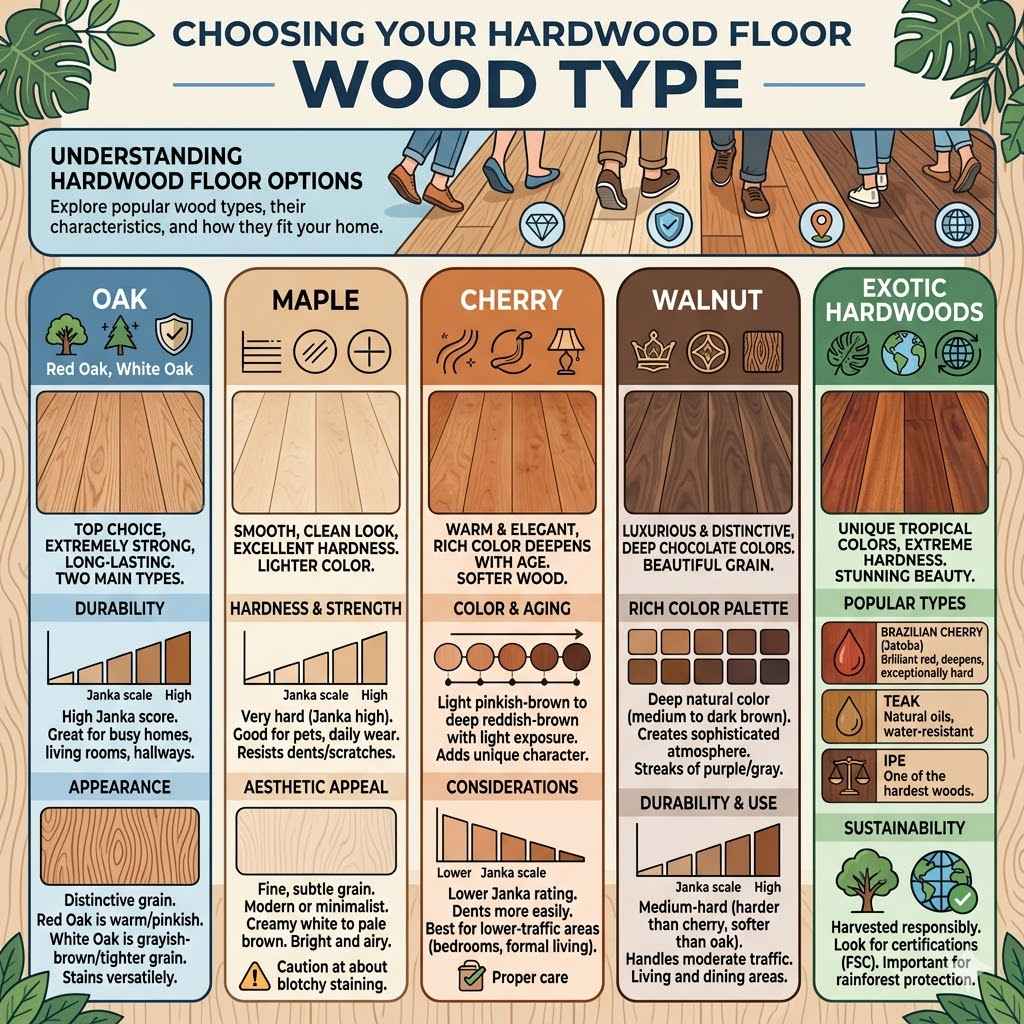
This section helps you understand the many kinds of wood used for floors. We will look at popular choices and explain what makes each one good. You’ll learn about their looks, how tough they are, and where they come from.
This knowledge will help you decide which wood fits your needs best. It’s all about finding a balance between beauty and how well the floor holds up over time.
Oak Wood Floors Explained
Oak is a top choice for hardwood floors, and for good reason. It’s super strong and lasts a very long time. Oak also has a beautiful grain pattern that many people love.
It comes in two main types: red oak and white oak.
Red oak has a warmer, pinkish tone. Its grain is a bit more open. White oak is more of a grayish-brown color and has a tighter, more closed grain.
Both types are very durable. They resist scratches and dents well, making them great for busy homes. Oak floors can be stained in many different colors, so you can get almost any look you want.
Durability of Oak
Oak is a very hard wood. This means it’s tough to scratch or dent. It’s ranked high on the Janka hardness scale, which measures how resistant wood is to denting.
This makes oak floors a smart choice for areas with a lot of foot traffic, like living rooms or hallways. Your floors will look good for many years.
Appearance of Oak
Oak floors have a natural beauty. The grain patterns are distinctive and add character to any room. You can choose finishes that make the grain pop or look more subtle.
The color can range from light and natural to dark and rich, depending on the stain used.
Maple Wood Floors Explored
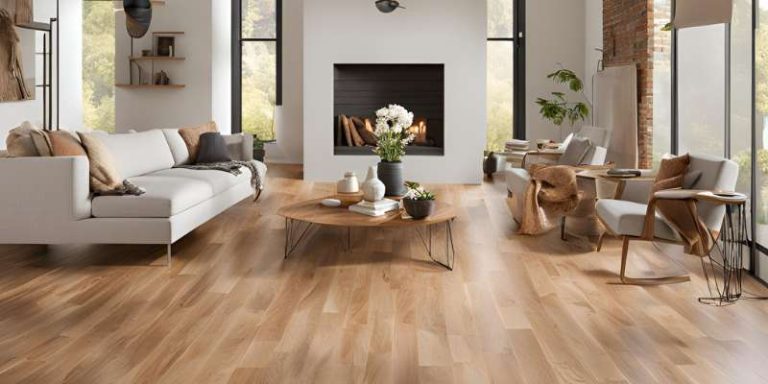
Maple is another excellent choice for hardwood floors. It’s known for its smooth, clean look and its hardness. Maple is often lighter in color than oak, giving rooms a bright and airy feel.
There are different types of maple, but hard maple is the most common for floors. It’s very strong and stands up well to wear and tear.
Maple’s fine grain means it doesn’t have very strong patterns. This can be a good thing if you like a more modern or minimalist style. It takes stains well, but it can sometimes look blotchy if not prepared perfectly.
It’s often left in its natural light color.
Hardness and Strength of Maple
Hard maple is very hard, ranking high on the Janka scale. This makes it a great option for homes with pets or children. It can handle daily use without showing a lot of wear.
Its hardness means it’s less likely to get dents or scratches compared to softer woods. This is a big plus for floor longevity.
Aesthetic Appeal of Maple
Maple wood is typically light in color, often creamy white to pale brown. This light tone can make a room feel larger and more open. The grain is usually very fine and subtle, offering a smooth, even surface.
This subtle grain makes it a great canvas for different design styles. It pairs well with modern, Scandinavian, or even traditional decors.
Cherry Wood Floors Elegance
Cherry wood floors bring a touch of warmth and elegance to a home. They are known for their rich color that deepens over time. Cherry is a softer wood than oak or maple, which means it can be more prone to dents and scratches.
However, its beautiful color transformation makes it a favorite for many. The color starts as a light pinkish-brown and slowly darkens to a deep reddish-brown with exposure to light.
Because it’s softer, cherry is often used in areas of the home that don’t see as much heavy traffic, like bedrooms or formal living rooms.
Color and Aging of Cherry
Cherry wood’s most unique feature is its color change. Freshly installed cherry floors are a light, warm color. Over time, as they are exposed to sunlight, they mature into a rich, deep reddish-brown.
This aging process adds a unique character and depth to the floor that is highly sought after. It gives the floor a vintage feel.
Considerations for Cherry
While beautiful, cherry is not as hard as oak or maple. It ranks lower on the Janka scale. This means it can dent more easily.
It’s best suited for rooms with less foot traffic. This helps keep the floors looking pristine for longer. Proper care is important with cherry wood floors.
Walnut Wood Floors Luxury
Walnut wood floors offer a luxurious and distinctive look. They are known for their rich, dark chocolate colors and beautiful grain patterns. Walnut is a medium-hard wood, offering a good balance between beauty and durability.
This wood type can range from lighter browns to deep, dark browns, sometimes with streaks of purple or gray. The grain can be straight or wavy, adding visual interest.
Walnut floors are a great choice for creating a sophisticated and warm atmosphere. They work well in many different interior design styles.
Rich Color Palette of Walnut
Walnut is prized for its deep, natural color. It typically ranges from a medium brown to a very dark chocolate brown. This rich hue provides a sense of warmth and luxury.
The color can also have interesting variations, including lighter streaks or hints of purple and gray. These natural variations make each floor unique.
Durability and Use of Walnut
Walnut has a good Janka hardness rating, making it durable enough for most home environments. It is harder than cherry but softer than oak or maple.
It can handle moderate foot traffic well. However, like most hardwoods, it can be susceptible to dents from very heavy furniture or sharp objects. It’s a good choice for living areas and dining rooms.
Exotic Hardwoods for Floors
Beyond the common domestic woods, there are exotic hardwood options. These woods come from tropical regions and often have unique colors and extreme hardness. Examples include Brazilian Cherry (Jatoba), Teak, and Ipe.
Exotic hardwoods can offer stunning beauty and exceptional durability. Many are very dense and resistant to scratches and wear. However, they can also be more expensive and raise questions about sustainability.
When considering exotic woods, it’s important to look for sustainably sourced options. Certifications can help ensure responsible harvesting practices.
Popular Exotic Wood Types
Brazilian Cherry, also known as Jatoba, is very popular. It has a brilliant red color that deepens over time and is exceptionally hard. Teak is famous for its natural oils, which make it very durable and water-resistant.
Ipe is one of the hardest woods available, making it extremely resistant to damage.
Sustainability Concerns
Many exotic hardwoods are harvested from rainforests. It’s important to choose suppliers who practice sustainable forestry. This means they harvest wood in a way that protects the environment and allows forests to regrow.
Look for certifications like FSC (Forest Stewardship Council) to ensure the wood comes from responsible sources. This helps protect natural resources for the future.
What Type of Wood is Best for Hardwood Floors Local Guide Factors
Now that you know about different wood types, let’s talk about what makes a wood “best” for your home. The best wood isn’t just about hardness; it’s about fitting your lifestyle and local environment. We will explore factors like traffic, pets, and even your local climate.
Foot Traffic and Durability Needs
Think about how much your floors will be used. High-traffic areas like entryways, living rooms, and busy hallways need very durable wood. Woods like oak and maple are excellent choices here because they resist dents and scratches well.
Softer woods, like pine or even cherry, might be better for bedrooms or formal spaces where foot traffic is lighter. Choosing the right durability means your floors will look great for longer without needing frequent repairs.
Janka Hardness Scale Explained
The Janka hardness scale is a way to measure the resistance of wood species to denting and wear. It works by measuring the force needed to embed a steel ball halfway into a piece of wood. A higher number means the wood is harder and more resistant to damage.
For example, White Oak typically scores around 1,360 on the Janka scale, while Soft Maple scores around 950. This difference is significant in terms of how well the floor will hold up to daily life.
When choosing a wood, look up its Janka rating. This number is a key indicator of its toughness.
Matching Wood to Your Lifestyle
If you have pets, especially dogs, you’ll want a very hard wood. They can scratch floors with their nails. If you have kids who love to play and drop toys, durability is also key.
If your home is mostly quiet, you might have more freedom to choose woods that are more about beauty than extreme hardness. Consider how your daily life will interact with your floors.
Appearance and Style Considerations
The look of your floors is a major part of your home’s style. Different woods have different colors, grain patterns, and textures. You’ll want to pick a wood that complements your furniture and overall decor.
Think about whether you prefer a light and airy feel or a dark and cozy atmosphere. The grain pattern can also make a big difference, from subtle and smooth to bold and prominent.
Grain Patterns and Visual Texture
Wood grain refers to the lines and patterns that appear on the surface of the wood. These patterns are created by the tree’s growth rings and how the wood is cut.
Oak has a distinct, often open grain. Maple has a very fine, subtle grain. Walnut can have a range of grain patterns, from straight to wavy.
The grain adds natural beauty and character to your floors. Some people love a strong, visible grain, while others prefer a smoother, more uniform look.
Color Options and Staining
Most hardwood floors can be stained to achieve a wide variety of colors. Natural wood colors can range from very light, like maple, to very dark, like walnut.
Staining allows you to customize the look. You can go for a natural look, a rich dark brown, a gray wash, or even a trendy white or black.
Keep in mind that some woods take stain more evenly than others. Maple, for instance, can sometimes be blotchy if not properly prepared. Oak tends to take stain very well.
Local Climate and Environmental Factors
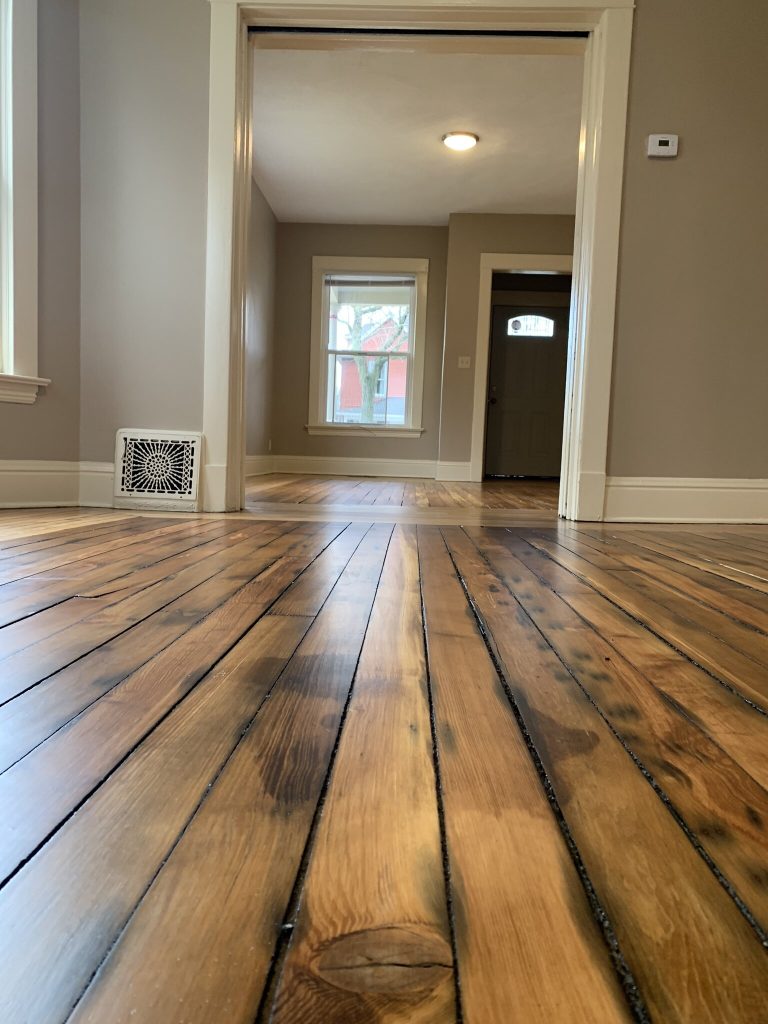
Your local climate can play a role in how your hardwood floors perform. Extremely dry or humid environments can cause wood to expand or contract. This can lead to gaps between planks or cupping (where the edges of the planks lift).
Choosing a stable wood and maintaining proper humidity levels in your home are important, especially if you live in an area with significant climate changes.
Humidity Control for Floors
Wood naturally absorbs and releases moisture from the air. In dry climates, wood loses moisture and shrinks. In humid climates, it absorbs moisture and expands.
Maintaining a consistent indoor humidity level, usually between 30-50%, is vital. A humidifier in dry seasons and a dehumidifier in wet seasons can help protect your floors.
This stability helps prevent issues like gapping or buckling.
Wood Stability and Climate
Some wood species are more stable than others. For instance, White Oak is known for its stability compared to Red Oak, making it a better choice in areas with fluctuating humidity. Tropical hardwoods are often very dense and can be less affected by moisture changes.
However, even the most stable woods need a controlled environment. Always consider your local climate when making a wood choice for your flooring.
Budget and Cost Considerations
The cost of hardwood flooring varies widely depending on the type of wood, its origin, and the plank size. Some woods are naturally more expensive due to rarity or the difficulty of harvesting them.
It’s important to set a budget and research the costs of different wood species. Remember to factor in installation costs, which can also vary.
Price Ranges of Wood Types
Domestic hardwoods like Oak and Maple are generally mid-range in price. They offer good value for their durability and appearance.
Exotic hardwoods like Teak or Ipe are typically at the higher end of the price spectrum due to their rarity and import costs. Cherry and Walnut fall somewhere in the middle, with Walnut often being pricier than Cherry.
Installation and Ongoing Costs
Installation is a significant part of the total cost. Professional installation is recommended for a flawless finish and to ensure the warranty is valid. The complexity of the subfloor and the layout of the room can affect labor costs.
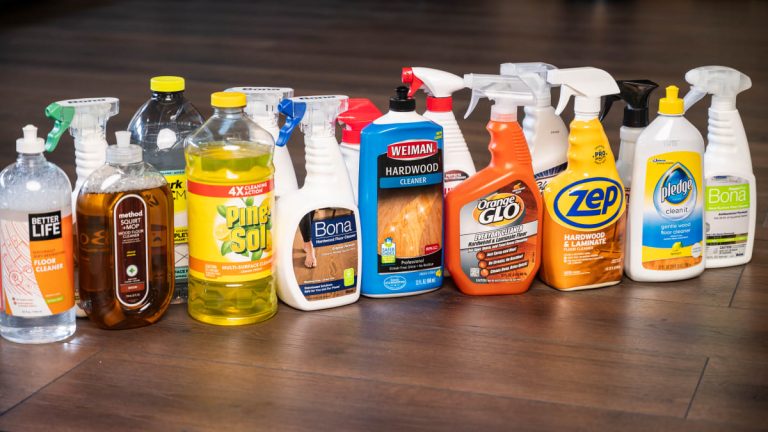
Ongoing costs include cleaning and maintenance. Most hardwood floors require regular sweeping or vacuuming and occasional damp mopping with a wood-specific cleaner. Refinishing may be needed every 10-20 years, which adds to the long-term cost.
What Type of Wood is Best for Hardwood Floors? Local Guide Tips
To make the best choice for your home, consider these practical tips. They help you apply the information about wood types and factors to your specific situation. This guide aims to make the process straightforward.
Visit Local Showrooms
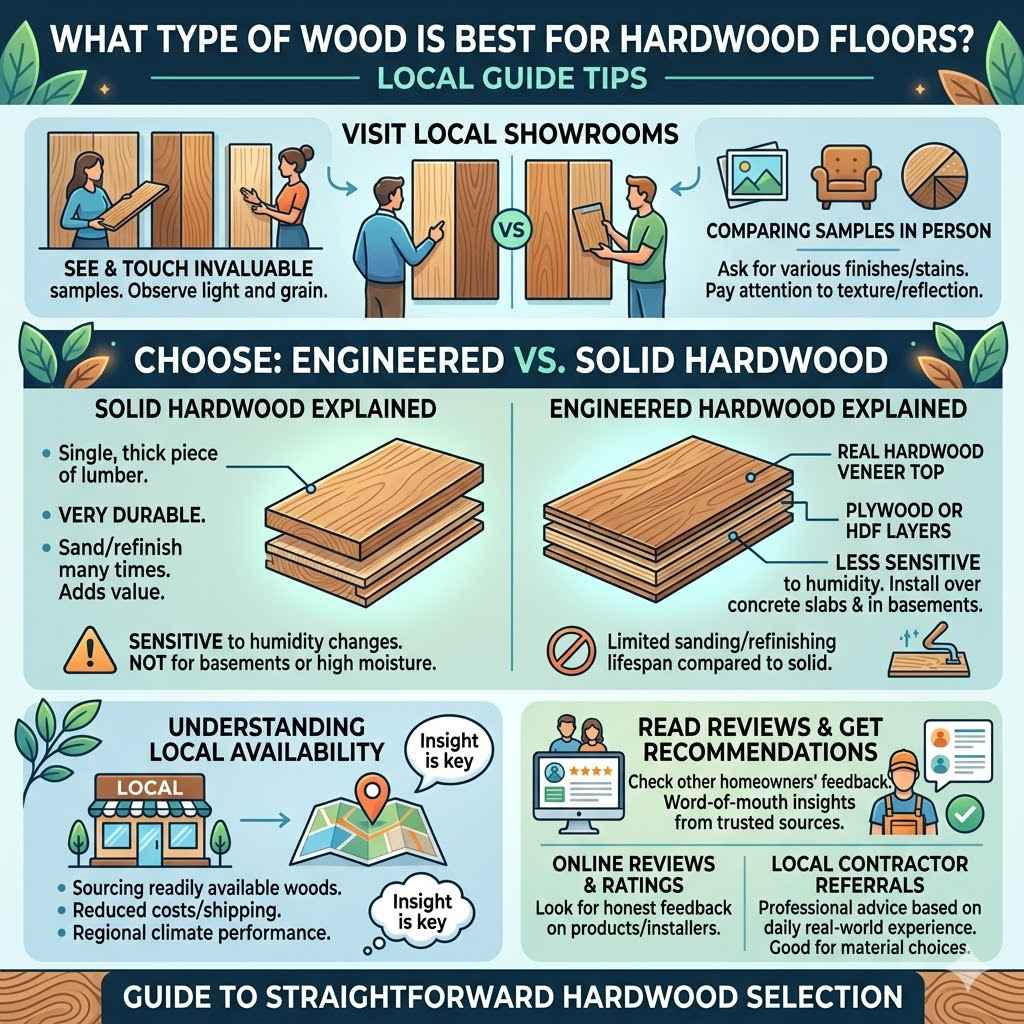
Seeing and touching wood samples in person is invaluable. Local flooring showrooms allow you to compare different wood species side-by-side. You can see how the light affects the color and how the grain looks up close.
Many showrooms also have full-size room displays, which give you a better idea of how the floors will look in a larger space. This is where you can truly get a feel for the materials.
Comparing Samples In Person
When you visit a showroom, bring pictures of your home and furniture. This helps you visualize how the wood will fit in. Ask to see samples of the same wood species in different finishes and stains.
Pay attention to the texture and the way light reflects off the surface. This is something you can’t fully get from online pictures.
Understanding Local Availability
Local flooring stores can tell you what woods are readily available in your area. Some species might be easier to source locally, which can sometimes reduce costs and shipping times. They can also advise on what performs well in your specific regional climate.
This local insight is crucial for a smooth buying and installation process.
Consider Engineered vs. Solid Hardwood
When choosing hardwood, you’ll encounter two main types: solid and engineered. Understanding the difference is key to selecting the right floor for your needs and budget.
Solid Hardwood Explained
Solid hardwood floors are made from a single, thick piece of wood. Each plank is milled from a solid piece of lumber. This makes them very durable and they can be sanded and refinished many times over their lifespan.
Solid wood floors are a classic choice and add significant value to a home. However, they are generally more expensive and can be sensitive to changes in humidity, making them less suitable for basements or areas with high moisture.
Engineered Hardwood Explained
Engineered hardwood floors are made of multiple layers of wood. The top layer is a thin veneer of real hardwood. Beneath that are layers of plywood or high-density fiberboard (HDF).
This construction makes engineered wood more stable and less prone to expanding or contracting with humidity changes. It can be installed in more places than solid wood, including basements and over concrete slabs.
While the top layer can be sanded, it cannot be refinished as many times as solid hardwood.
Reading Reviews and Getting Recommendations
Before making a final decision, read reviews from other homeowners. Look for feedback on the specific wood species you are considering, as well as on the brands and installers.
Word-of-mouth recommendations from friends, family, or neighbors can also be very helpful. People who have recently installed floors can offer valuable insights into their experience.
Online Reviews and Ratings
Websites dedicated to home improvement and flooring often have extensive review sections. These can offer honest feedback on product durability, ease of installation, and customer satisfaction.
Look for patterns in reviews; a few negative comments might not be a deal-breaker, but a trend of complaints about a particular product or installer warrants caution.
Local Contractor Referrals
Ask local flooring contractors for their professional opinions. They work with various wood types every day and know which ones hold up best in your specific region.
They can provide honest advice based on their real-world experience and customer feedback. A good contractor will guide you toward the best materials for your project.
Frequently Asked Questions
Question: What is the most durable hardwood floor wood type
Answer: The most durable hardwood floor wood types are typically those with high Janka hardness ratings. Examples include White Oak, Maple, and exotic hardwoods like Ipe or Brazilian Walnut. These woods resist dents and scratches very well.
Question: Can I install hardwood floors in a bathroom
Answer: It is generally not recommended to install solid hardwood floors in bathrooms due to high moisture levels. Engineered hardwood might be a more suitable option in bathrooms with good ventilation and careful moisture management, but it’s still risky.
Question: How often should hardwood floors be refinished
Answer: Hardwood floors typically need refinishing every 10 to 20 years, depending on the amount of wear and tear they experience. Light scratches can sometimes be addressed with screen and recoat applications.
Question: Is it okay to mix different wood species for flooring
Answer: Mixing different wood species for flooring is generally not advisable. Each wood type has different hardness, expansion rates, and color. This can lead to uneven wear, gapping, or visual discrepancies over time.
Question: What is the easiest hardwood floor to maintain
Answer: Hardwood floors made from very hard woods like Oak or Maple with a durable finish are generally the easiest to maintain. Regular sweeping or vacuuming and occasional damp mopping with a wood-specific cleaner are usually sufficient.
Conclusion
Choosing the right wood for your hardwood floors involves balancing looks, durability, and your budget. Oak and Maple offer proven strength and versatility. Walnut provides a luxurious dark tone.
Consider your home’s traffic, pets, and your desired style. Exploring local options and understanding the differences between solid and engineered wood will guide your perfect choice for beautiful, lasting floors.