When Will Venice Sink: Exploring the Future of the Floating City
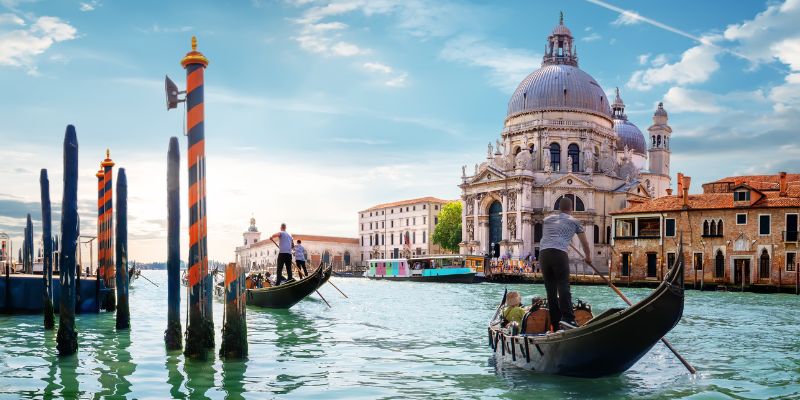
Hey there! You’ve probably heard someone ask, “When will Venice sink?” and it’s a question that sparks both curiosity and concern. I’ll admit, when I first visited Venice, Italy, I was captivated by its stunning canals and historic charm, but I couldn’t help wondering about its future. The idea of this magical city disappearing under water feels like something out of a movie. As someone who’s dug into the science, history, and efforts to save Venice, I’m excited to share what I’ve learned.
Whether you’re planning a trip, love history, or just want to understand what’s happening to this iconic city, I’m here to break it all down for you. Let’s dive into why Venice is sinking, when it might face serious trouble, and what’s being done to save it. Grab a coffee, and let’s chat about the future of the Floating City!
Why Venice Is Sinking
When I first heard Venice was sinking, I pictured the whole city slipping underwater overnight. But it’s not that dramatic—yet. Venice is sinking because of a mix of natural and human-made problems. The city sits on a lagoon, built across 126 small islands on wooden piles driven into the muddy ground centuries ago. Those piles are still holding up, but the ground beneath them is slowly sinking. This process, called subsidence, happens naturally as the soil compacts over time.
I learned that Venice has sunk about 10 inches over the past 100 years. That’s roughly 1 to 2 millimeters a year. But it’s not just the land sinking—sea levels are rising too, thanks to climate change. Melting ice caps and warming oceans are pushing water higher, and Venice feels the impact more than most places because it’s so low-lying. When I walked through St. Mark’s Square, I noticed it’s only a few feet above sea level, so even small changes make a big difference.
Human activity has made things worse. In the 20th century, pumping groundwater from beneath Venice caused the city to sink faster. Thankfully, that practice stopped in the 1970s, but the damage was done. Now, Venice faces a double threat: sinking land and rising seas. It’s like the city is caught in a slow-motion squeeze.
How Fast Is Venice Sinking?
I was curious about the numbers, so I dug into some research. Studies say Venice is sinking at a rate of about 1 to 2 millimeters per year. That doesn’t sound like much, but over decades, it adds up. For example, in the last 100 years, the city has dropped nearly 10 inches. Meanwhile, sea levels around Venice have risen about 12 inches since the late 1800s. Together, these changes make the city’s relative sea level rise closer to 22 inches over a century.
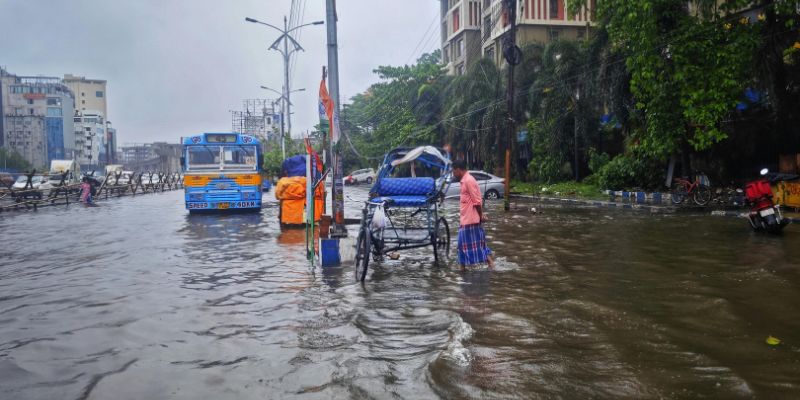
When I visited, I saw signs of this sinking firsthand. Some buildings had watermarks on their walls, and doorways were closer to the water than they should be. During high tides, called “acqua alta,” parts of the city flood. These floods happen more often now, especially between October and January. I remember splashing through ankle-deep water in St. Mark’s Square, and locals told me it’s become a regular occurrence.
When Could Venice Be Underwater?
Here’s the big question: When will Venice sink completely? I’ll be honest—it’s hard to pin down an exact date. Some studies suggest parts of Venice could be permanently underwater by 2150, while others point to 2100 in a worst-case scenario. The difference comes down to how fast sea levels rise and whether efforts to protect the city work.
If climate change continues unchecked, sea levels could rise 12 to 71 inches by 2100, depending on global warming scenarios. Combine that with Venice’s sinking rate, and low-lying areas like St. Mark’s Square could be flooded regularly within decades. I read that a 2°C global temperature rise could mean a 12-inch sea level increase by 2100, while a 4°C rise could push it to 71 inches. That’s scary for a city already so close to the water.
But it’s not all doom and gloom. Venice has survived floods for centuries, and people are working hard to save it. When I talked to a local guide, he said, “Venice has always adapted. We’re not giving up yet.” Let’s look at what’s being done to keep the city above water.
Efforts to Save Venice
When I learned about Venice’s flooding, I was amazed at the creative solutions people are trying. The biggest project is MOSE, a system of mobile floodgates that cost about $6 billion. I saw these massive yellow barriers at the lagoon’s entrances during a boat tour. They rise during high tides to block seawater from flooding the city. MOSE started operating in 2020, and it’s already reduced flooding during major storms.
But MOSE isn’t perfect. I read that it’s designed for tides up to about 10 feet, and if sea levels rise too much, it might not be enough. Plus, it’s expensive to maintain. Some locals I met were skeptical, saying it’s a short-term fix. Others are more hopeful, pointing out that it’s bought Venice time.
Another wild idea I came across is lifting the entire city. Scientists have proposed injecting seawater or carbon dioxide into the ground beneath Venice to raise it a few inches. It sounds like science fiction, but it’s been tested on a small scale. Over a century, Venice has sunk about 10 inches, so lifting it even a little could help. I’m no engineer, but the idea of pumping up a city like a car jack blew my mind!
Smaller efforts are helping too. Wooden walkways, called “passerelle,” are set up during floods so people can walk above the water. I used them during my visit, and they’re a lifesaver. Buildings are also being waterproofed, and some are raised where possible. These fixes don’t stop the sinking, but they make life easier for residents.
The Role of Climate Change
Climate change is a big player in Venice’s sinking story. When I started researching, I was shocked by how much it’s speeding things up. Rising sea levels, driven by melting ice and warming oceans, are making floods more frequent and severe. Storms are also stronger, pushing water into the lagoon with more force.
I found that Venice’s floods, or acqua alta, used to be rare. In the 1920s, the city might flood a few times a year. By the 1990s, it was happening 40–100 times annually. When I was there in November, I saw water in the streets almost daily. Data shows a 2°C global temperature rise could add 12 inches to sea levels by 2100, while a worst-case 4°C rise could mean up to 71 inches. For a city like Venice, that’s catastrophic.
Reducing global emissions could slow this down. I talked to an environmentalist in Venice who said, “Every little bit helps. If the world cuts carbon, Venice has a better shot.” It’s a reminder that what we do in the USA—driving less, using renewable energy—can impact places like Venice.
How Venice Adapts to Flooding
Venetians are pros at dealing with floods. During my trip, I saw how life goes on even when water laps at doorsteps. Shops and homes have removable barriers to keep water out. I watched a café owner set up a metal gate in minutes, like it was no big deal. Locals wear knee-high boots and carry on with their day.
The city also uses elevated walkways during acqua alta. I felt like I was on a boardwalk at the beach, but it was right in the middle of Venice! These walkways are stored nearby and set up quickly when floods hit. Tourists like me stumble a bit, but locals navigate them like champs.
I also learned about tide forecasts. Venice has a system that predicts high tides, so people know when to prepare. Apps and signs around the city warn about flooding, and I checked one daily during my stay. It’s not a perfect solution, but it shows how Venetians adapt to their watery world.
The Impact on Venice’s Culture and Tourism
Venice’s sinking affects more than just buildings—it’s a threat to its culture. I strolled through museums and churches, marveling at art and architecture that could be lost to floods. St. Mark’s Basilica, with its stunning mosaics, often floods and saltwater damages the floors. I saw workers mopping up water, but long-term exposure is a problem.
Tourism is huge in Venice, with millions visiting each year. I was one of them, snapping photos of the canals. But flooding can scare tourists away. When St. Mark’s Square is underwater, it’s less charming to wade through. Locals told me tourism drops during flood season (October to January), which hurts businesses. Yet, some tourists come just to see acqua alta, which I found surprising!
I worry about Venice’s future as a living city. About 50,000 people live in the historic center, down from 175,000 in the 1950s. Flooding and high living costs are pushing people out. I met a shopkeeper who said, “If the floods get worse, more of us will leave.” It’s heartbreaking to think of Venice as a museum instead of a vibrant community.
What Can Be Done to Save Venice?
Saving Venice is a global effort. I learned that engineers, scientists, and governments are all pitching in. Besides MOSE and the city-lifting idea, there are other plans. Restoring salt marshes around the lagoon could act as a natural barrier against floods. I saw some of these marshes on a boat tour, and they’re teeming with wildlife.
International help is key. UNESCO and other groups fund conservation projects to protect Venice’s heritage. I read about efforts to restore buildings and artworks damaged by floods. Individuals can help too. When I visited, I donated to a local group working on flood prevention. Even small contributions add up.
On a bigger scale, fighting climate change is critical. I started thinking about my own habits—driving less, recycling more. If we all do our part, it could slow sea level rise and give Venice a fighting chance.
What Would Happen If Venice Sinks?
If Venice were to sink completely, it would be a tragedy. I try to imagine those beautiful canals gone, replaced by open water. Historic sites like the Doge’s Palace and Rialto Bridge could be submerged. The loss of art, architecture, and history would be devastating.
Residents would likely leave, turning Venice into a ghost town before it’s fully underwater. I talked to a local who said, “We’d lose our home, our identity.” Tourism would collapse, hurting Italy’s economy. Venice contributes billions to tourism, so the ripple effects would be huge.
Environmentally, the lagoon could suffer. Flooding could disrupt ecosystems, harming fish and birds. I saw herons and crabs in the lagoon, and it’s sad to think they’d lose their habitat. On a global scale, Venice’s loss would be a wake-up call about climate change, but I hope it never comes to that.
A Glimpse Into Venice’s Future
Predicting Venice’s future is tricky. Some experts say parts could be underwater by 2150, others say 2100. It depends on how fast the seas rise and whether solutions like MOSE hold up. I’m optimistic because Venetians are resilient. They’ve lived with water for centuries and keep finding ways to adapt.
Technology could be a game-changer. I read about new materials to waterproof buildings and drones to monitor floods. International cooperation is growing too. When I was in Venice, I saw scientists from different countries studying the lagoon. It’s a sign that the world cares about saving this city.
Still, the clock is ticking. Without action, low-lying areas could be flooded daily within decades. I left Venice feeling hopeful but urgent—we need to act now to protect this treasure.
Comparing Venice to Other Sinking Cities
Venice isn’t the only city at risk. I looked into other places facing similar problems, and it put Venice’s situation in perspective. Here’s a quick comparison:
| City | Sinking Rate | Main Threat | Solutions |
|---|---|---|---|
| Venice, Italy | 1–2 mm/year | Subsidence, rising sea levels | MOSE floodgates, city lifting |
| Jakarta, Indonesia | Up to 25 cm/year | Groundwater extraction, sea rise | Sea walls, relocation plans |
| Bangkok, Thailand | 1–2 cm/year | Subsidence, flooding | Flood barriers, urban planning |
| Miami, USA | Sea level rise only | Rising sea levels, hurricanes | Pumps, elevated infrastructure |
Jakarta is sinking faster than Venice, and I was shocked to learn it might be uninhabitable by 2050. Miami’s closer to home, and its sea level rise problems remind me of Venice’s challenges. It shows that Venice’s fight is part of a global battle against climate change.
How You Can Help Venice
When I left Venice, I wanted to do something to help. Here are ways we can all pitch in:
- Reduce Carbon Footprint: Drive less, use energy-efficient appliances, or support renewable energy. I started biking to work to cut emissions.
- Support Conservation: Donate to groups like Save Venice or UNESCO’s heritage programs. I gave $20 to a local fund, and it felt good to contribute.
- Visit Responsibly: Avoid peak flood season (October–January) to ease pressure on the city. I planned my trip for spring, and it was less crowded.
- Spread Awareness: Talk about Venice’s challenges. I shared my trip photos on social media with facts about the sinking, and friends were interested.
Every small action helps. I feel like we’re all part of Venice’s story, even from far away.
Conclusion
Talking about when Venice will sink is like trying to predict the weather in 100 years—it’s uncertain, but the stakes are high. My time in Venice showed me a city that’s both fragile and fierce, battling rising waters with ingenuity and heart. From the MOSE floodgates to plans to lift the city, there’s hope that Venice can stay above water for generations. But it’s up to all of us to fight climate change and support preservation efforts.
I left Venice with a deeper love for its beauty and a determination to help protect it. Whether you dream of visiting or just want to learn more, I hope this guide inspires you to care about the Floating City’s future. Check out the FAQs below for more answers!
FAQs
Why is Venice sinking?
Venice is sinking due to natural subsidence, where the ground compacts, and rising sea levels from climate change. Human activities like groundwater extraction in the past made it worse.
Will Venice be underwater soon?
Parts of Venice could be permanently flooded by 2100 or 2150, depending on sea level rise and efforts to protect the city. Floods are already more frequent.
What is MOSE, and does it work?
MOSE is a system of mobile floodgates that block high tides from flooding Venice. It’s been effective since 2020 but may not handle extreme sea level rise.
Can Venice be saved?
Yes, with projects like MOSE, city lifting, and global efforts to fight climate change, Venice has a chance. Restoration and conservation also help.
How can I help Venice from the USA?
Reduce your carbon footprint, donate to preservation groups, visit during non-flood seasons, and spread awareness about Venice’s challenges.