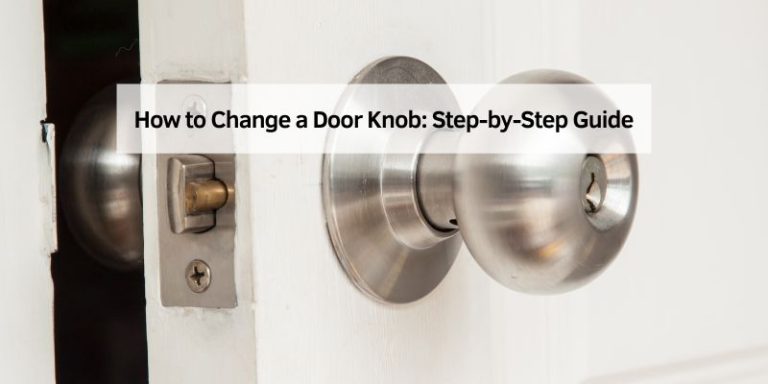
The Fascinating History of the Door Knob: Who Created It and How It Evolved
Hey there! I’ve always been curious about the little things we use every day without much thought, like the door knob. It’s such a simple object, yet it’s everywhere—your home, your office, even your favorite coffee shop. But have you ever stopped to wonder who created the door knob? I sure have, and let me tell you, diving into its history has been a real eye-opener. It’s not just about a piece of hardware; it’s about how a single invention changed the way we live. So, grab a cup of coffee, sit back, and let’s explore the story of the door knob together. I promise it’s more interesting than you might think!
The Humble Beginnings of Door Closures
Before we get to the door knob itself, let’s step back in time. Doors have been around for centuries, way back to ancient civilizations like Egypt and Rome. But how did people keep them closed? Well, it wasn’t with anything fancy. In ancient times, doors were often just heavy wooden slabs or animal hides. To secure them, people used crude methods like wooden bars, leather straps, or simple latches. Imagine lifting a heavy iron bar every time you wanted to lock your door! It worked, but it wasn’t exactly convenient.
By the Middle Ages, things got a bit more sophisticated. Castles and homes started using wrought-iron latches and basic locks. These were often thumb latches, where you pressed down with your thumb to lift a bar and open the door. They were sturdy but not user-friendly, especially if your hands were full. Plus, they weren’t great for privacy or security. I can just picture someone fumbling with a leather strap while trying to carry groceries—sound familiar?
This is where the story of the door knob starts to take shape. People needed something better—something that was easy to use and reliable. But it wasn’t until the 19th century that the modern door knob, as we know it, came into the picture.
Who Invented the Modern Door Knob?
Now, let’s get to the big question: who created the door knob? The name that pops up most often is Osbourn Dorsey, a young African American inventor. In 1878, at just 16 years old, Dorsey patented what’s considered the first modern door knob. His invention, described as a “door-holding device” in patent #210,764, was a game-changer. It wasn’t just a knob; it was a mechanism that could be easily attached to a door with screws, making it secure and practical.
I find it amazing to think about a teenager coming up with something so impactful. Dorsey’s design included a knob-like shape that connected to a latch, allowing the door to open and close smoothly with a simple twist. Before this, doors relied on less efficient methods, like those thumb latches or straps we talked about. Dorsey’s invention made doors easier to use and more secure, setting the stage for the door knobs we use today.
While Dorsey gets a lot of credit, the history of door knobs is a bit murky. Some sources suggest that earlier inventors, like Enoch Robinson in the 1830s, played a role in developing glass knobs. But Dorsey’s patent is widely recognized as the first for a modern, practical door knob. His work laid the foundation for the door hardware industry, and I can’t help but admire how such a young mind made such a lasting impact.
The Evolution of Door Knob Materials
One of the coolest things about door knobs is how they’ve changed over time. When I started researching this, I was surprised by the variety of materials used to make them. Early door knobs weren’t the shiny brass or sleek stainless steel we see today. Let’s break it down.
In the early 1800s, door knobs were often made of wood or cast iron. These were functional but not exactly pretty. Then, in the 1820s, something exciting happened: the invention of the glass-pressing machine. This allowed manufacturers to create affordable, mass-produced glass knobs. Suddenly, door knobs weren’t just practical—they were decorative too. These pressed glass knobs were a hit in America, especially from the 1820s to the 1850s. They had a kind of charm, with their sparkly, translucent look.
By the mid-1800s, other materials like porcelain, ceramic, and brass started showing up. Porcelain and ceramic knobs, often imported from Europe, were popular for their durability and elegant designs. Brass knobs, especially cast brass, became a favorite because they were sturdy and could be polished to a beautiful shine. During the Victorian era, door knobs became a way to show off style. Wealthy homeowners used ornate brass or cut-glass knobs to add a touch of luxury to their homes.
Fast forward to the 20th century, and door knobs got even more diverse. During the Great Depression, glass and porcelain knobs made a comeback because metal was scarce. Today, you can find door knobs in all sorts of materials—stainless steel, bronze, crystal, even plastic. Each material has its own vibe, from modern and sleek to vintage and ornate. It’s fun to think about how something as simple as a door knob can reflect the personality of a home.
Here’s a quick look at how door knob materials have evolved:
| Era | Popular Materials | Characteristics |
|---|---|---|
| Early 1800s | Wood, Cast Iron | Basic, functional, not very decorative |
| 1820s–1850s | Pressed Glass | Affordable, sparkly, mass-produced |
| Mid-1800s | Porcelain, Ceramic, Brass | Elegant, durable, often imported |
| Late 1800s–1900s | Cast Brass, Cut Glass | Ornate, luxurious, highly decorative |
| Great Depression | Glass, Porcelain | Affordable, metal-saving |
| Modern Day | Stainless Steel, Bronze, Crystal | Sleek, versatile, blends style and function |
How Door Knobs Changed Home Design
When I think about door knobs, I don’t just see a piece of hardware—I see something that shaped how we design our homes. Before door knobs, doors were clunky to use. You needed a free hand to lift a latch or pull a strap. But with Osbourn Dorsey’s invention, doors became easier to open and close, which meant people could design homes with more rooms and better privacy.
In the 19th century, as cities grew and houses got bigger, door knobs made it possible to have separate spaces for different purposes—like bedrooms, dining rooms, and parlors. This was a big deal for privacy, especially in crowded urban homes. Imagine trying to keep nosy neighbors out with just a leather strap! Door knobs, paired with locks, gave people a sense of security and control over their space.
Door knobs also became a design statement. During the Victorian era, homeowners went all out with decorative hardware. Knobs were crafted with intricate patterns, sometimes even featuring floral or geometric designs “‘Ode to a Doorknob’ – singing praise to such a simple everyday object, sounds bizarre and ridiculous, doesn’t it? Well, that is exactly what many old home magazines have been doing in the recent years.” I love this quote because it captures how door knobs became more than just tools—they became art. Antique collectors today still hunt for those Victorian-era knobs, and I can see why. They’re like little pieces of history you can hold in your hand.
In modern home design, door knobs are still a big deal. Designers like Barbara Schmidt suggest that swapping out old knobs for new ones is an easy way to refresh a room. It’s a small change that can make a big impact, whether you go for a sleek black lever or a vintage crystal knob. I’ve even tried this in my own home, and it’s amazing how a new set of knobs can make a space feel fresh and modern.
The Rise of Door Handles and Levers
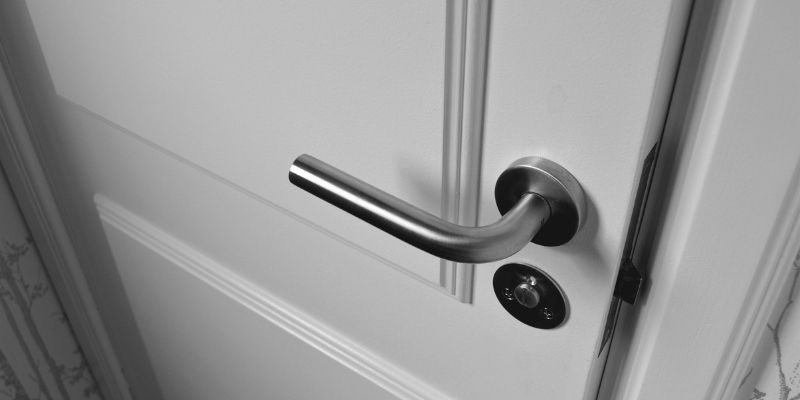
While door knobs are iconic, they’re not the only game in town. I was surprised to learn that in some parts of the world, like northern Europe, door handles and levers are more common. These are easier to use if your hands are full or if you have mobility issues. You can just nudge a lever with your elbow or knee, which isn’t so easy with a round knob.
In fact, some places, like Vancouver, have even banned round door knobs in new homes. Why? Because levers are more accessible, especially for older people or those with disabilities. I can see the logic—twisting a knob requires more grip strength than pushing a lever. But I have to admit, I’m a bit attached to the classic look of a round knob. Still, levers are gaining popularity in the U.S., especially in modern homes where clean lines and functionality are key.
This shift got me thinking about how door hardware reflects our changing needs. A century ago, a fancy brass knob was a status symbol. Today, accessibility and ease of use are just as important. It’s a reminder that even small inventions like the door knob evolve with society.
Modern Innovations in Door Knobs
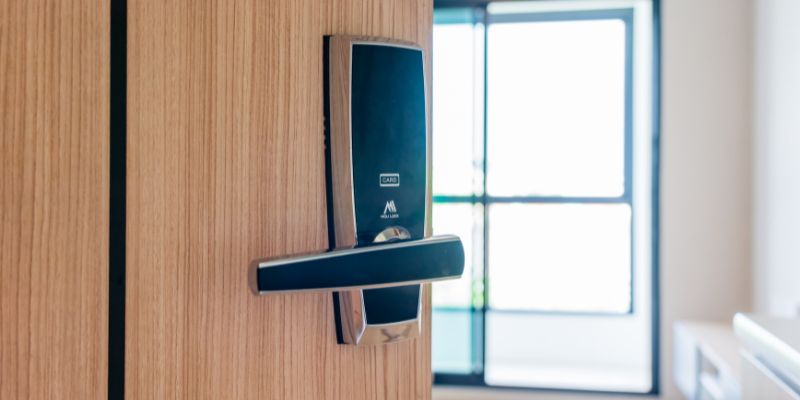
As I dug deeper into the world of door knobs, I was blown away by how far they’ve come. Today’s door knobs aren’t just about opening doors—they’re about security, style, and even technology. Smart door knobs, for example, are a huge trend. These high-tech knobs let you lock or unlock your door with a smartphone app or even a fingerprint. No more fumbling for keys when you’re carrying groceries!
Then there are keyless entry knobs, which use a code or a touchpad. I installed one of these on my front door, and it’s been a lifesaver. No more worrying about losing my keys or getting locked out. Plus, they’re great for rental properties or homes with lots of visitors.
Another cool innovation is the variety of finishes available. You can find door knobs in matte black, brushed nickel, or even oil-rubbed bronze. These finishes let you match your knobs to your home’s style, whether it’s modern, rustic, or traditional. I recently saw a crystal knob that looked like something out of a fairy tale—perfect for a vintage-inspired bedroom.
But it’s not just about looks. Modern door knobs are built to last. Forged brass, for example, is stronger than the old cast brass knobs. Manufacturers heat the metal to super high temperatures and shape it under pressure, making it tough enough to handle years of use. It’s amazing to think how much engineering goes into something we twist every day without a second thought.
Tips for Choosing the Right Door Knob for Your Home
If you’re thinking about upgrading your door knobs, I’ve got some tips to help you pick the perfect ones. I learned these the hard way after a few trial-and-error purchases for my own home!
First, think about function. There are different types of door knobs for different purposes. Passage knobs are great for closets or hallways because they don’t lock. Privacy knobs, with a simple push-button or twist lock, are perfect for bedrooms and bathrooms. Keyed entry knobs are best for exterior doors where security is a priority. And then there are dummy knobs, which don’t turn at all—they’re just for decoration, like on a pantry door.
Next, consider the style of your home. If you live in a modern condo, sleek stainless steel or matte black knobs might be the way to go. For a historic home, vintage-inspired brass or glass knobs can add charm. I made the mistake of putting ultra-modern knobs in my 1920s bungalow, and they looked so out of place! Matching your knobs to your home’s vibe makes a big difference.
Finally, don’t forget about comfort. If you or someone in your household has arthritis or limited hand strength, consider levers instead of round knobs. They’re easier to use and still come in tons of stylish designs.
Here’s a quick guide to help you choose:
| Type of Knob | Best For | Pros | Cons |
|---|---|---|---|
| Passage Knob | Hallways, Closets | Simple, no lock needed | Not secure for private rooms |
| Privacy Knob | Bedrooms, Bathrooms | Easy to lock for privacy | Not suitable for exterior doors |
| Keyed Entry Knob | Front Doors, Exterior Doors | High security, lockable with key | Can be pricey, keys can be lost |
| Dummy Knob | Decorative Doors, Pantry Doors | Affordable, purely decorative | No function, doesn’t turn |
How to Install or Replace a Door Knob
One of the things I love about door knobs is that installing or replacing them is a DIY project anyone can tackle. I’ve done it myself, and trust me, it’s easier than it looks. All you need is a new door knob set, a screwdriver, and maybe 20 minutes.
Start by removing the old knob. Look for a small slot or hole on the side of the knob or its cover plate. Insert a flat-head screwdriver to release the knob, then unscrew the plate from the door. Once the old knob is off, you’ll see the latch mechanism inside the door. Remove that too.
Next, insert the new latch into the hole on the edge of the door. Make sure it’s facing the right way—the slanted side should face the direction the door closes. Then, take the two halves of the new knob and align them with the latch. One side will have a square peg that fits through the latch. Push the halves together and screw them into place.
Finally, attach the strike plate to the door jamb. Test the knob to make sure it turns smoothly and the latch catches properly. If it feels loose, tighten the screws or adjust the alignment. I had to fiddle with mine a bit to get it just right, but it was worth it for that satisfying click when the door closes.
If your old knob left marks or scratches, you might need to touch up the area with paint or wood stain. It’s a small step that makes the whole project look polished.
Why Door Knobs Matter in Home Improvement
As a home improvement enthusiast, I’ve learned that the smallest details can make the biggest difference. Door knobs are a perfect example. They’re not just functional—they set the tone for a room. A sleek, modern knob can make a space feel fresh and contemporary, while an antique brass knob adds warmth and character.
Upgrading your door knobs is also one of the easiest and most affordable ways to refresh your home. It’s a project you can do in an afternoon, and it costs a lot less than painting a room or buying new furniture. Plus, it’s a chance to add your personal style to your space. I recently swapped out the boring builder-grade knobs in my kitchen for black levers, and it completely transformed the look.
Door knobs also play a role in accessibility and safety. Choosing the right knob or lever can make your home more comfortable for everyone, from kids to elderly family members. And with modern options like smart locks, you can boost your home’s security without sacrificing style.
Conclusion
As I sit here, twisting the knob on my office door, I can’t help but smile at how far this little invention has come. From crude wooden latches to Osbourn Dorsey’s game-changing design, door knobs have shaped the way we live. They’ve made our homes more secure, more private, and even more beautiful. Whether you’re a history buff, a DIY enthusiast, or just someone who loves a good story, the tale of the door knob is one worth knowing.
I hope this journey through the history of door knobs has been as fascinating for you as it was for me. Next time you turn a knob to open a door, take a moment to appreciate the ingenuity behind it. And if you’re feeling inspired, maybe it’s time to swap out those old knobs for something new. After all, sometimes the smallest changes make the biggest difference in a home.
Frequently Asked Questions
What is the difference between a door knob and a door handle?
A door knob is a round or spherical device you twist to open a door. A door handle, often called a lever, is a long, flat piece you push or pull. Knobs require more grip strength, while handles are easier to use, especially for people with limited mobility.
Are door knobs still popular today?
Yes, door knobs are still widely used, especially in the U.S. However, door levers are gaining popularity for their accessibility and modern look. It depends on your style and needs—knobs are classic, while levers are practical.
Can I install a door knob myself?
Absolutely! Installing a door knob is a simple DIY project. You’ll need a screwdriver and a new knob set. Remove the old knob, insert the new latch, align the knob halves, and screw everything in place. It usually takes less than 30 minutes.
What materials are best for door knobs?
It depends on your style and budget. Brass and stainless steel are durable and versatile. Glass or crystal knobs add a vintage or elegant touch. For a budget-friendly option, porcelain or plastic knobs work well but may not last as long.
Why are some places banning round door knobs?
Some cities, like Vancouver, have banned round knobs in new construction because they’re harder to use for people with mobility issues. Levers are more accessible since they can be operated with an elbow or knee, making them better for universal design.