Who Pays For Street Lights: Essential Guide
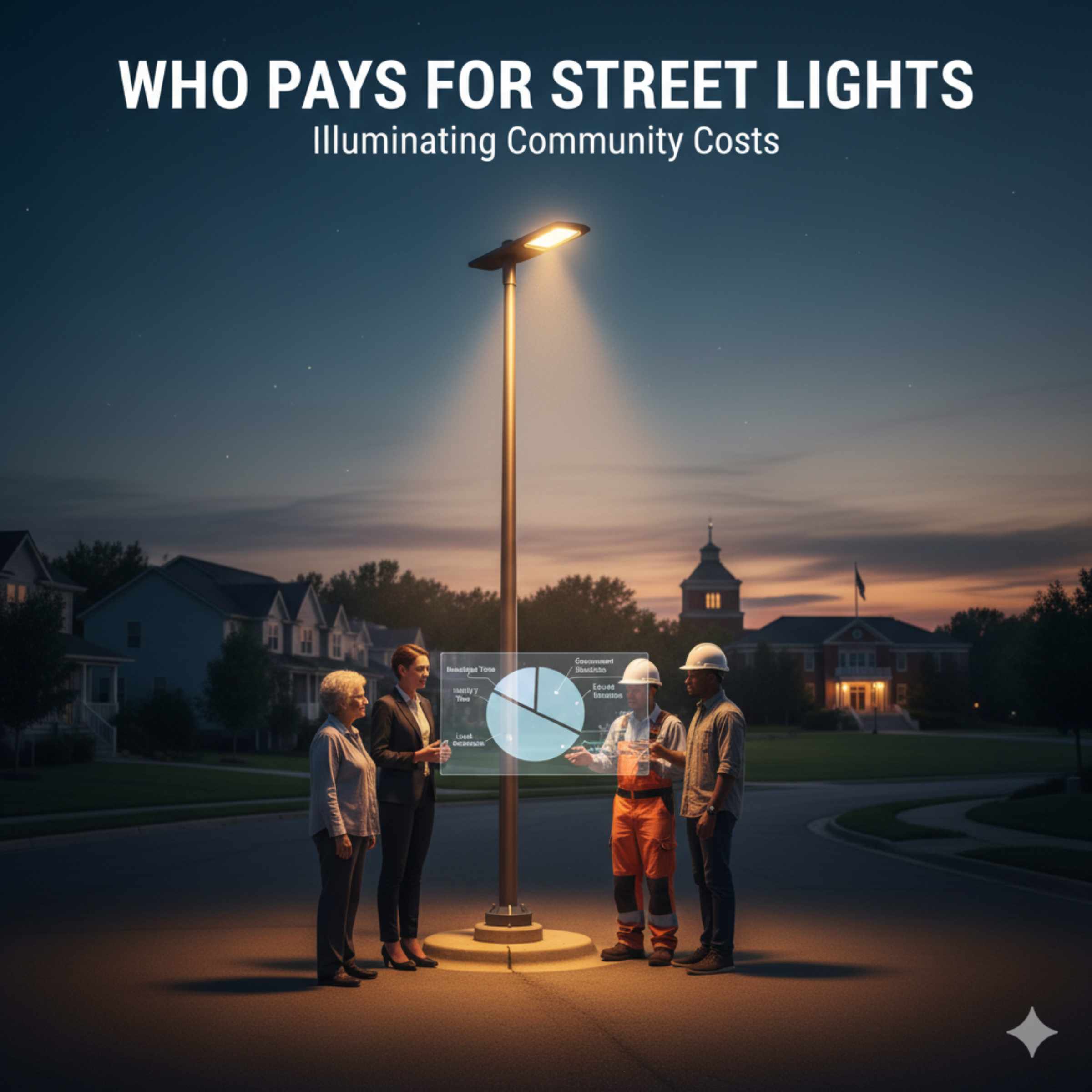
Quick Summary: Street lights are typically funded by local governments, using tax revenue from residents and businesses. This covers installation, electricity, maintenance, and upgrades, ensuring public safety and community well-being. Special assessments on properties benefiting directly can also contribute.
Ever wondered about those glowing sentinels that line our streets every night? You know, the ones that make it easier to get home, help us see where we’re walking, and add a touch of safety to our neighborhoods. It’s a question many homeowners ponder, especially when thinking about community services and where our money goes. You might be asking yourself, “Who actually foots the bill for all those street lights?” It’s a great question, and understanding it can shed light on how our local communities function. Don’t worry, it’s not as complicated as it might seem! We’ll break down exactly who pays for street lights in a way that’s easy to understand, just like figuring out the best way to join two pieces of wood.
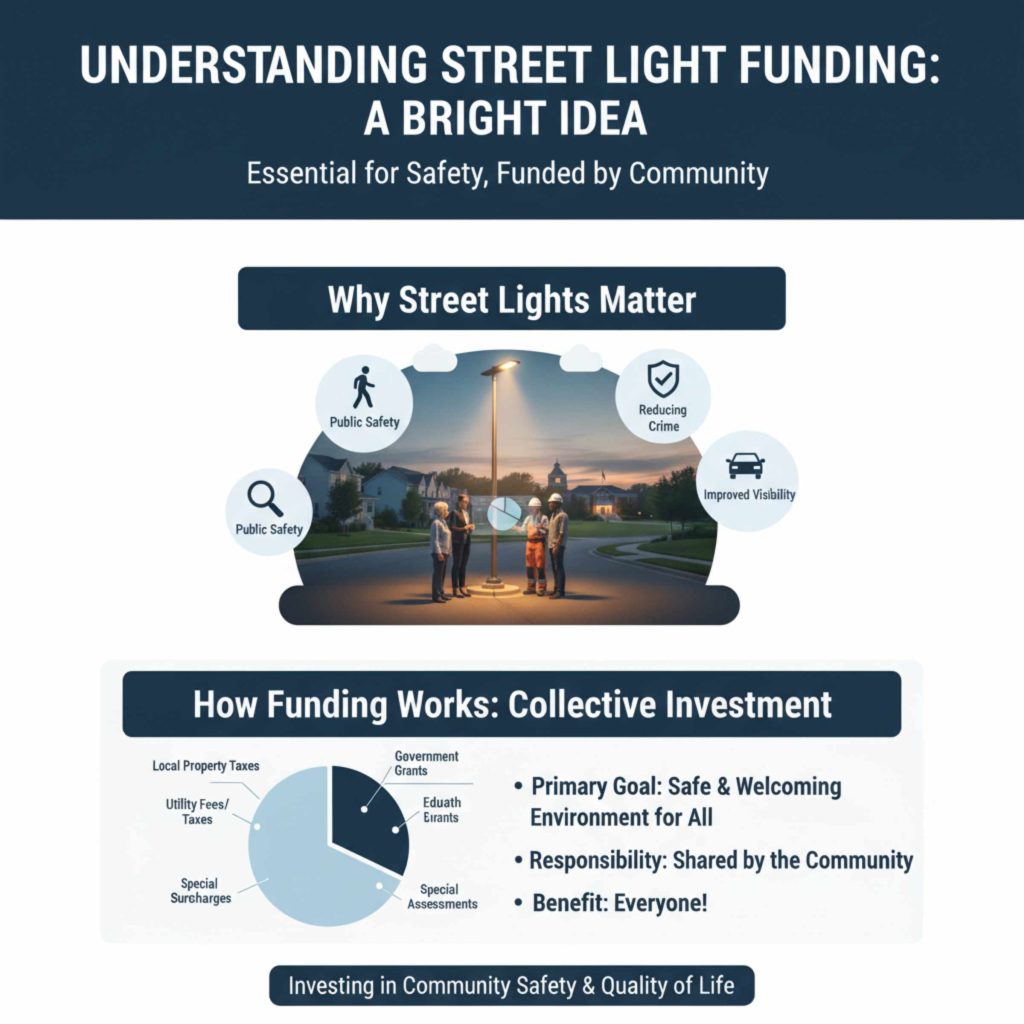
Understanding Street Light Funding: A Bright Idea
Street lights are a vital part of our urban and suburban landscape. They’re not just decorative; they play a crucial role in public safety, reducing crime, and improving visibility for drivers and pedestrians. Think of them as an essential service, much like clean water or waste collection. Because they benefit everyone in a community, their funding typically comes from collective sources. This ensures that the responsibility is shared and that these important lights can be maintained consistently.
The primary goal behind street light funding is to provide a safe and welcoming environment for all residents. This includes ensuring that roads are well-lit, pathways are visible, and that people feel secure when out after dark. Without them, our evenings would be considerably darker and potentially more hazardous. So, when we talk about who pays, we’re really talking about how communities invest in their own safety and quality of life.
The Main Players: Who Funds Street Lights?
When you look up at a street light, you’re seeing a service funded through a combination of public and sometimes private efforts. The most common scenario involves local government entities taking the lead. Let’s break down who these key players are:
1. Local Government (Municipalities, Counties)
This is the most common answer to “who pays for street lights.” Your city, town, or county government is usually responsible for the installation, operation, and maintenance of street lights. They use funds collected through various means to cover these costs. It’s a core service that falls under their purview, much like maintaining roads or public parks.
How they get the money:
- General Tax Revenue: A significant portion of street light funding comes from the general taxes you pay, such as property taxes and sales taxes. These funds are pooled and allocated to various municipal services, including street lighting.
- Specific Levies or Bonds: In some cases, local governments might pass specific levies or issue bonds to fund large-scale street light upgrades (like converting to LED) or to establish new lighting systems in developing areas.
2. Utility Companies
While not directly paying for the lights themselves in terms of purchase and installation, utility companies are deeply involved. They often own the poles and, critically, provide the electricity to power the street lights. Municipalities then pay the utility company for this electricity. In some older arrangements, utility companies might have had a more direct role in the funding and maintenance of street lights as part of their service agreements.
Their role:
- Electricity Supply: They are the backbone of street light operation, delivering the power needed for them to shine.
- Maintenance & Repair: Often, utility companies are contracted by the municipality to handle the physical maintenance and repair of the street light infrastructure they own or manage.
For more information on how utility services are managed, you can often find resources on your local government’s website or directly from your electricity provider.
3. Special Assessments and Business Improvement Districts (BIDs)
Sometimes, specific areas that receive direct benefits from street lighting might contribute extra through special assessments. This is common in downtown areas or commercial districts where enhanced lighting can attract more customers and improve the business environment.
How it works:
- Property Owner Contributions: Businesses and property owners within a designated district may pay an additional fee, levied based on property value or frontage, specifically to fund street lights and other improvements in their area.
- BIDs: Business Improvement Districts are often formed by property owners to fund services beyond what the municipality provides, and street lighting is frequently a priority.
4. Homeowners Associations (HOAs)
In some planned communities or subdivisions, the Homeowners Association might be responsible for street lighting within the private roads of the development. This funding usually comes from HOA dues paid by residents.
HOA responsibilities:
- Private Community Lighting: If your community has private roads, the HOA is often the entity that contracts for and pays for the street lights.
- Dues Allocation: A portion of your regular HOA dues will be allocated to cover the electricity, maintenance, and potential upgrades for these lights.
The Cost Breakdown: What Goes Into Street Light Expenses?
Understanding who pays is one thing, but knowing what they’re paying for provides a clearer picture. The costs associated with street lights aren’t just about flicking a switch. There are several components that contribute to the overall expense:
| Cost Component | Description | Example |
|---|---|---|
| Initial Installation | The cost of purchasing and installing the physical light poles, fixtures, and the necessary underground wiring or connections to the power grid. | A new neighborhood might have to pay $500 – $2,000 per pole for installation, depending on complexity. |
| Electricity Consumption | The ongoing cost of the power used by each street light, which varies based on wattage, hours of operation, and electricity rates. | A typical street light using 100 watts, on for 12 hours a night, at $0.15/kWh, costs about $1.64 per month per light. |
| Maintenance and Repairs | Regular upkeep, including cleaning fixtures, replacing bulbs or LED components, and repairing damage from weather, accidents, or vandalism. | Routine checks and bulb replacements might cost $50 – $150 per light annually. Major repairs can be significantly more. |
| Upgrades and Modernization | Costs associated with replacing older, inefficient lights with newer, more energy-efficient technologies like LEDs, which can have higher upfront costs but lower long-term operating expenses. | Switching an entire city to LED lights can cost millions but save significant energy costs over time. |
| Administrative Overhead | The costs associated with managing the street light system, including billing, contract management, and public inquiries. | This is usually a small percentage of the total budget. |
The Shift to LED: A Smart Investment
Many municipalities are in the process of upgrading their street lights to Light Emitting Diodes (LEDs). While the initial investment for LED fixtures can be higher, they offer substantial long-term savings. LEDs use significantly less energy, last much longer, and require less maintenance than traditional high-pressure sodium or metal halide lamps. This transition is often funded through municipal budgets, grants, or special financing initiatives, showing a commitment to efficiency and sustainability.
The U.S. Department of Energy provides extensive resources on the benefits and implementation of LED street lighting. You can explore their findings here: Energy.gov – LED Street Lighting.
How Street Light Funding Affects You
As a homeowner, understanding who pays for street lights can impact your local taxes and community services. Here’s how:
- Property Taxes: If your local government funds street lights through general revenue, your property taxes will indirectly contribute. An increase in street light costs could lead to a modest increase in your property tax bill.
- Utility Bills: While you don’t pay directly for street lights on your bill, the overall cost of electricity that your municipality pays the utility company is factored into the rates you might see.
- HOA Dues: If you live in a community with an HOA that manages street lights, a portion of your dues will be allocated to this service.
- Special Assessments: If you own property in a commercial district or area with a Business Improvement District, you might see a specific line item for street light assessments on your tax or property bill.
It’s always a good idea to stay informed about your local government’s budget and any proposed changes related to public services. Your voice matters in how community funds are allocated.
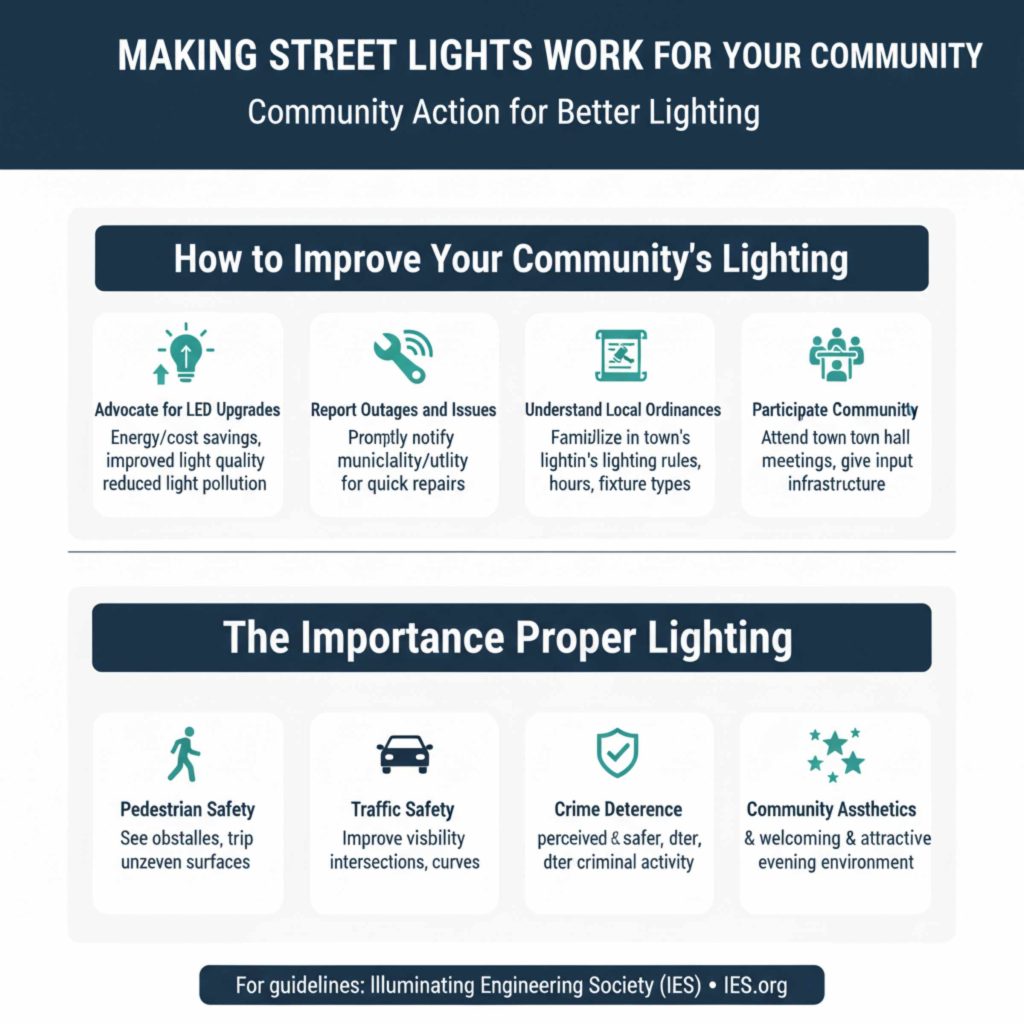
Making Street Lights Work for Your Community
The way street lights are managed can vary greatly from one town to another. Some communities have highly efficient, modern systems, while others might be struggling with older, less effective lighting. Here are a few ways communities and residents can work towards better street lighting:
- Advocate for LED Upgrades: Encourage your local government to invest in LED technology. Highlight the energy and cost savings, as well as the improved light quality and reduced light pollution.
- Report Outages and Issues: If you notice a street light that’s out, flickering, or damaged, report it promptly to your local municipality or the responsible utility company. Most have online portals or phone numbers for this purpose. Timely reporting helps ensure quick repairs and reduces potential safety hazards.
- Understand Local Ordinances: Familiarize yourself with your town’s lighting ordinances. These often dictate light levels, fixture types, and hours of operation.
- Participate in Community Planning: Attend town hall meetings or planning sessions where discussions about infrastructure, including street lighting, take place. Your input can influence future decisions.
The Importance of Proper Lighting
Well-maintained street lights are more than just a convenience; they are a critical component of a safe and functional community. They enhance:
- Pedestrian Safety: Making it easier to see obstacles, trip hazards, and uneven surfaces.
- Traffic Safety: Improving visibility for drivers, especially at intersections and curves.
- Crime Deterrence: Well-lit areas are generally perceived as safer and can deter criminal activity.
- Community Aesthetics: Creating a more welcoming and attractive environment in the evening.
For guidelines on effective street lighting design and implementation, the Illuminating Engineering Society (IES) is a leading authority. Their standards help ensure that lighting is both effective and efficient. You can learn more about their work at IES.org.
Frequently Asked Questions (FAQs)
Q1: Do I pay for street lights directly on my electricity bill?
Generally, no. You pay for the electricity that powers your home. The cost of street lights is typically covered by your local government through taxes or special assessments, and then they pay the utility company for the electricity used by those lights.
Q2: What if a street light in front of my house is out? Who do I call?
You should contact your local municipality (city or town hall) or the public works department. Many utility companies also have a dedicated number or online form for reporting street light outages. Check your local government’s website for the correct contact information.
Q3: Are street lights a part of property taxes?
Yes, often they are. The funds for street lights are typically drawn from the general revenue of your local government, which is largely funded by property taxes. So, indirectly, property taxes are a primary source of funding.
Q4: Why do some neighborhoods have brighter or more street lights than others?
This can be due to several factors: local ordinances that specify different lighting levels, the age of the infrastructure (older areas may have less advanced lighting), traffic volume, crime rates, or specific community initiatives to enhance lighting in certain areas.
Q5: Can HOAs charge extra for street lights?
Yes, if the HOA is responsible for maintaining street lights on private roads within the community, they can allocate funds from HOA dues or levy special assessments to cover these costs. This would be outlined in your HOA’s governing documents.
Q6: Who is responsible for the maintenance of street lights?
Typically, the entity that owns the street lights is responsible for their maintenance. This is usually the local municipality or, in some cases, the utility company if they own the poles and fixtures and have a contract for maintenance with the city.
Q7: How much does a street light cost to operate per year?
The annual operating cost can vary widely. A single, standard street light might cost anywhere from $50 to $200 per year for electricity and basic maintenance. However, a city with thousands of lights could spend millions annually on its street lighting system.
Conclusion: Illuminating Our Communities Together
So, when you’re driving home or taking an evening stroll, and you see those familiar street lights guiding your way, remember that they are a collective effort. The primary responsibility for funding street lights falls on our local governments, who use tax revenue and sometimes special assessments to keep our communities safe and visible. Utility companies play a crucial role in providing the power and often the maintenance, while HOAs can manage lighting in private communities. Understanding this system helps us appreciate the investment made in our public spaces and empowers us to be more engaged citizens. By staying informed and reporting issues, we all play a part in ensuring our streets are well-lit, safe, and welcoming for everyone. It’s a team effort, much like building a sturdy bookshelf – everyone contributes to the final, functional result.