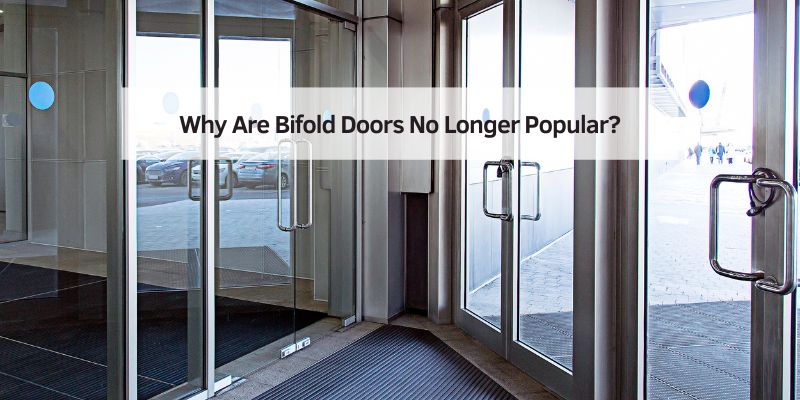
Why Are Bifold Doors No Longer Popular?
Hey there! If you’re sitting next to me, maybe sipping a coffee and wondering about home design trends, you might have noticed that bifold doors—those sleek, folding glass panels that once seemed to be everywhere—are not the talk of the town anymore. I’ve spent a lot of time exploring this topic, diving into woodworking forums, chatting with homeowners, and poking around design blogs. Bifold doors were once the star of modern homes, but something’s shifted.
Let’s figure out why they’re losing their shine and what’s taking their place. I’ll walk you through the reasons, share some insights, and maybe even spark a few ideas for your next woodworking project or home upgrade.
The Rise and Fall of Bifold Doors
Let’s start with a bit of history. Bifold doors burst onto the scene because they were a game-changer. They fold neatly to one side, opening up entire walls to let in light and air. I remember visiting a friend’s house a few years back, and their bifold doors made the living room feel like an extension of the backyard. It was magical! Homeowners loved them for their ability to blur the line between indoors and outdoors. They were perfect for entertaining, offering wide-open views and easy access to patios or gardens.
But trends change. I’ve noticed that what was once a must-have feature is now being questioned. People are starting to see the downsides, and other door options are stealing the spotlight. It’s not that bifold doors are bad—they’re still functional and beautiful in many cases. But there are practical, aesthetic, and even cultural reasons why they’re not as popular as they used to be. Let’s break it down.
Practical Challenges of Bifold Doors
One of the biggest reasons bifold doors are losing favor is the practical issues that come with them. I’ve talked to plenty of homeowners who loved the idea of bifold doors but found them less than perfect in everyday life. Here’s why.
First, maintenance can be a hassle. Bifold doors run on tracks, and those tracks need to stay clean and lubricated for smooth operation. Dust, dirt, or even pet hair can clog them up, making the doors sticky or hard to open. I once helped a neighbor clean out their bifold door track, and it was a tedious job. Over time, the hardware—like hinges or rollers—can wear out, especially if the doors are heavy or used frequently.
Then there’s the installation challenge. Bifold doors aren’t a simple DIY project. They require precise measurements and a sturdy frame to support the weight. If the installation isn’t perfect, the doors can sag or misalign, which is frustrating. I’ve seen woodworking forums where folks share horror stories about trying to install bifold doors themselves, only to end up calling a professional.
Another issue is space. While bifold doors fold neatly, they still need room to stack when open. If your patio or room is small, those stacked panels can get in the way. I remember visiting a small condo where the bifold doors took up too much space when open, making the area feel cramped instead of open.
Finally, there’s the cost. Bifold doors, especially high-quality ones made of timber or aluminum, can be expensive. The price tag includes not just the doors but also the installation and ongoing maintenance. For many homeowners, it’s hard to justify the cost when other options offer similar benefits for less.
Energy Efficiency Concerns
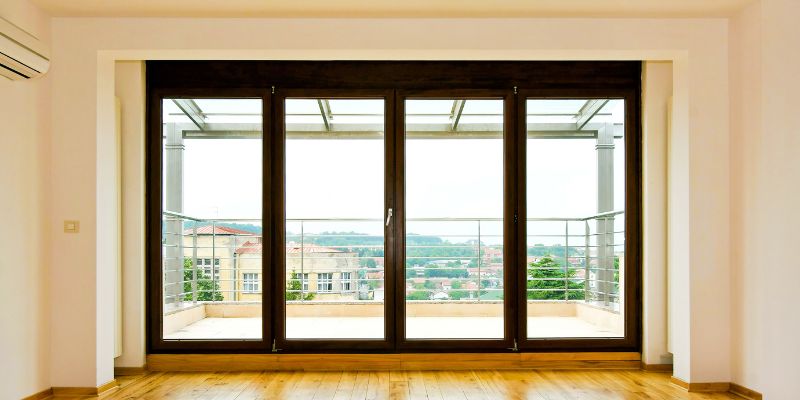
Energy efficiency is a big deal these days, and bifold doors aren’t always the best choice for keeping your home comfortable. I’ve read up on this, and it turns out that bifold doors can have issues with thermal bridging. That’s a fancy way of saying that heat or cold can sneak through the frames, especially if they’re made of metal without proper insulation. This can make your home too hot in summer or too cold in winter, driving up energy bills.
I talked to a contractor friend who mentioned that while modern bifold doors often have thermal breaks to improve insulation, they still don’t perform as well as some other door types. For example, sliding doors with fewer frames and better sealing can be more energy-efficient. Homeowners are starting to prioritize eco-friendly options, and bifold doors sometimes fall short in this area.
Security Worries
Security is another concern that’s turning people away from bifold doors. I used to think bifold doors were super secure because they often come with multi-point locking systems. But after digging deeper, I found that some homeowners worry about the large glass panels. Glass is beautiful, but it can feel like a weak point compared to solid doors. Even with laminated or reinforced glass, the perception of vulnerability is enough to make some people hesitate.
Also, the tracks can be a weak spot if not designed well. I read about cases where poorly installed bifold doors were easier for intruders to tamper with because the panels could be lifted off the track. While high-end bifold doors address these issues with enclosed tracks and robust locks, not everyone can afford the top-tier models.
Changing Design Trends
Let’s talk about aesthetics. Home design trends evolve, and bifold doors are starting to feel a bit dated to some. A few years ago, the modern, minimalist look was all the rage. Bifold doors fit that vibe perfectly with their clean lines and open feel. But now, I’m seeing a shift toward cozier, more traditional styles. Think rustic farmhouse vibes or industrial-chic designs with steel-framed windows or French doors.
I was browsing a design magazine recently, and it struck me how often sliding doors or pivot doors were featured instead of bifolds. Sliding doors, for example, have a sleek, modern look but don’t require the same amount of space to operate. Pivot doors, with their dramatic, rotating design, are becoming a statement piece in upscale homes. These alternatives are stealing the spotlight because they offer fresh, stylish options that feel more current.
The Rise of Alternatives
Speaking of alternatives, let’s dive into what’s replacing bifold doors. I’ve noticed that homeowners and designers are gravitating toward other options that offer similar benefits with fewer drawbacks. Here’s a quick rundown of the top contenders:
| Door Type | Key Features | Why It’s Gaining Popularity |
|---|---|---|
| Sliding Doors | Slide parallel to the wall, minimalistic design, no clearance space needed. | Space-saving, energy-efficient, easy to operate, modern aesthetic. |
| Pivot Doors | Rotate on a central axis, available in glass or timber, bold and contemporary. | Unique design, statement piece, works well in modern or luxury homes. |
| French Doors | Double doors that swing open, classic and elegant, often with glass panels. | Timeless appeal, fits traditional or farmhouse styles, secure. |
| Corner Bifold Doors | Fold around a corner at a 90-degree angle, seamless indoor-outdoor transition. | Maximizes views, ideal for unique layouts, less stacking space needed. |
| Industrial-Style Doors | Steel-framed, often with large glass panels, rugged and modern. | Trendy, durable, fits urban or industrial design trends. |
I’ve seen sliding doors pop up in a lot of home renovation shows lately. They’re super practical because they don’t need extra space to open, and they still let in tons of light. Pivot doors, on the other hand, are like the cool new kid on the block. They make a bold statement and work well in homes with unique layouts. French doors are making a comeback for those who want a classic, elegant look without the complexity of bifolds.
Climate and Lifestyle Shifts
Where you live matters, too. I’ve noticed that bifold doors are less practical in certain climates. If you’re in a place with extreme weather—like heavy rain, snow, or intense heat—bifold doors can be a challenge. The large glass panels and tracks aren’t always great at keeping out water or drafts. I spoke with a homeowner in a rainy part of the Pacific Northwest who said their bifold doors were a nightmare to maintain because water kept seeping in.
Lifestyle changes are also playing a role. As more people work from home, they want spaces that feel cozy and private, not wide-open and exposed. Bifold doors are great for entertaining, but if you’re spending most of your time in a home office or a quiet nook, you might not need that open-plan vibe. I’ve seen friends opt for solid wood doors or even frosted glass to create more defined spaces.
The Woodworking Perspective
As someone who loves woodworking, I can’t help but look at bifold doors from a craftsperson’s point of view. Building bifold doors is no small feat. They require precision to ensure the panels align perfectly and fold smoothly. I checked out some woodworking forums, and many DIYers find bifold doors intimidating because of the hardware and track systems. If you’re using solid wood, you need to account for weight and potential warping, especially for exterior doors exposed to the elements.
Timber bifold doors are beautiful, no doubt. They add warmth and character, especially in traditional homes. But they require regular maintenance, like painting or treating the wood to protect it from weather. I’ve worked on a few woodworking projects where clients chose simpler door designs, like sliding barn doors, because they were easier to build and maintain. Plus, barn doors have that rustic charm that’s so popular right now.
If you’re a woodworker thinking about tackling bifold doors, my advice is to invest in high-quality hardware and plan carefully. It’s not impossible, but it’s a project that demands skill and patience. For most homeowners, though, the complexity of bifold doors—both in installation and upkeep—is pushing them toward simpler alternatives.
Cost vs. Value
Let’s talk money. Bifold doors can be a big investment. High-end models made of timber or thermally broken aluminum can cost thousands of dollars, not including installation. I’ve seen quotes ranging from $2,000 to $10,000 depending on the size, material, and features like glazing or locks. For many people, that’s a lot to spend on a door, especially when sliding or French doors can achieve a similar look for less.
I was helping a friend shop for doors last year, and we compared bifold doors to sliding doors. The sliding doors were about 30% cheaper and easier to install. They still opened up the space and let in light, but without the extra hassle or cost. For budget-conscious homeowners, this is a big factor in why bifold doors are falling out of favor.
The Perception Problem
Sometimes, it’s not about the doors themselves but how people perceive them. Bifold doors became so popular that they started to feel overdone. I’ve heard designers say they’re “too trendy” or “overused” in modern homes. When something becomes a staple in every new build or renovation, it can start to lose its wow factor. People want their homes to feel unique, and bifold doors don’t always deliver that anymore.
There’s also the issue of practicality versus perception. Even though bifold doors can be secure and energy-efficient with the right features, some homeowners still see them as less practical than other options. It’s like how I used to think glass-top stoves were the best until I realized how hard they were to keep clean. Perception can be a powerful influence, and bifold doors are fighting an uphill battle in that department.
What’s Next for Home Design?
So, where do we go from here? If bifold doors aren’t the go-to choice anymore, what should you consider for your home? I’d say it depends on your needs and style. If you love the open-plan look but want something easier to maintain, sliding doors are a great option. They’re sleek, affordable, and work in almost any space. If you’re after something bold and unique, pivot doors could be your answer. For a classic or cozy vibe, French doors or even industrial-style steel doors are worth a look.
As a woodworking enthusiast, I’m excited to see where door design goes next. I’m already experimenting with some custom sliding door designs in my workshop, using reclaimed wood for that rustic touch. The beauty of woodworking is that you can adapt to trends and create something that’s both functional and beautiful.
Conclusion
Bifold doors had their moment, and I get why they were so loved. They brought light, air, and a sense of openness to homes in a way few other doors could. But as I’ve explored this topic, it’s clear that their popularity is fading for good reasons. From maintenance headaches and energy efficiency concerns to changing design trends and the rise of alternatives, bifold doors are no longer the automatic choice for homeowners. That’s not to say they’re gone forever—there’s still a place for them in the right home. But for many, simpler, more practical, or trendier options are taking over.
If you’re thinking about doors for your next project, take a step back and consider what matters most to you. Do you want low maintenance? Energy efficiency? A unique look? There’s a door out there that’s perfect for your space, and it might not be a bifold. I hope this deep dive has given you some ideas and maybe even inspired you to get creative with your next woodworking or home improvement project. Keep exploring, and let’s make our homes as beautiful and functional as they can be!
Frequently Asked Questions
Are bifold doors completely out of style?
No, bifold doors aren’t completely out of style, but they’re not as popular as they once were. Many homeowners are choosing alternatives like sliding or pivot doors for their modern look and practicality. Bifolds can still work in the right space, especially if you love their open, airy feel.
What are the best alternatives to bifold doors?
Sliding doors are a top choice because they’re space-saving and easy to maintain. Pivot doors are great for a bold, contemporary look. French doors offer a classic, elegant vibe, while industrial-style doors are perfect for trendy, urban designs. Corner bifold doors are also an option for unique layouts.
Why are bifold doors so expensive?
Bifold doors are expensive because of their complex design, high-quality materials like timber or aluminum, and the need for precise installation. The hardware, like tracks and locks, adds to the cost, as does any custom glazing or energy-efficient features.
Can I install bifold doors myself?
Installing bifold doors yourself is tough unless you’re an experienced woodworker or contractor. They require precise measurements, sturdy framing, and proper alignment to work smoothly. Most people hire a professional to avoid issues like sagging or misalignment.
Are bifold doors secure enough for exterior use?
Yes, modern bifold doors can be secure with multi-point locking systems and enclosed tracks. However, the large glass panels can feel less secure to some homeowners. Choosing laminated or reinforced glass can help improve security.
Do bifold doors work well in all climates?
Bifold doors can be tricky in extreme climates. They may let in drafts or water if not sealed properly, especially in rainy or snowy areas. In hot climates, they can struggle with energy efficiency unless they have thermal breaks and high-quality glazing.