Why Is My Urine Darker in the Morning? Causes and When to Worry
Dark urine in the morning is usually caused by overnight dehydration and a hormone called vasopressin, which concentrates urine while you sleep — but brown, cola-colored, or blood-tinged urine can signal a liver, kidney, or urinary tract problem. Ignoring persistent dark urine can delay treatment for these conditions. This guide covers the everyday causes, how much water actually helps, and the specific warning signs that mean it’s time to see a doctor.
Disclosure: This article contains Amazon affiliate links. We may earn a commission from qualifying purchases at no extra cost to you. This article is for general information only and is not a substitute for professional medical advice.
Dark urine is a change in urine’s normal pale-yellow color to a deeper amber, brown, or tea shade, most often caused by low fluid intake overnight. It does not always mean something is wrong — but color that stays dark all day, or comes with pain, fever, or blood, needs medical evaluation.
What Causes Darker Urine in the Morning?
During sleep, you go 6–8 hours without drinking any fluids while your body still loses water through breathing and skin. With less water going in, the kidneys have less water to dilute waste products with, so first-morning urine is naturally more concentrated and darker than urine later in the day.
A second reason is hormonal: at night your pituitary gland releases more antidiuretic hormone (ADH, also called vasopressin), which tells the kidneys to reabsorb more water and produce less urine. Less urine volume carrying the same amount of waste pigment means a darker color — this is a normal, protective process that keeps you from waking up repeatedly to urinate.

Diet, Medications, and Lifestyle Factors
Certain foods change urine color temporarily: beets, fava beans, blackberries, and rhubarb can turn urine pink, red, or dark brown, and dark sodas or heavy coffee intake the night before can also darken it. This is harmless and clears up within a day once the food is out of your system.
Some medications and supplements darken urine too. B-vitamin supplements commonly turn urine bright yellow, while certain antibiotics, muscle relaxants, and laxatives can shift it toward orange or brown. If a new medication or supplement lines up with the color change, that’s usually the explanation — check with a pharmacist or doctor if you’re unsure.
Exercise and sweating before bed have the same effect as skipping water overnight: less fluid in the body means more concentrated, darker urine the next morning. Rehydrating after a workout, not just before bed, helps keep morning urine color lighter.
When Dark Morning Urine Signals a Medical Problem
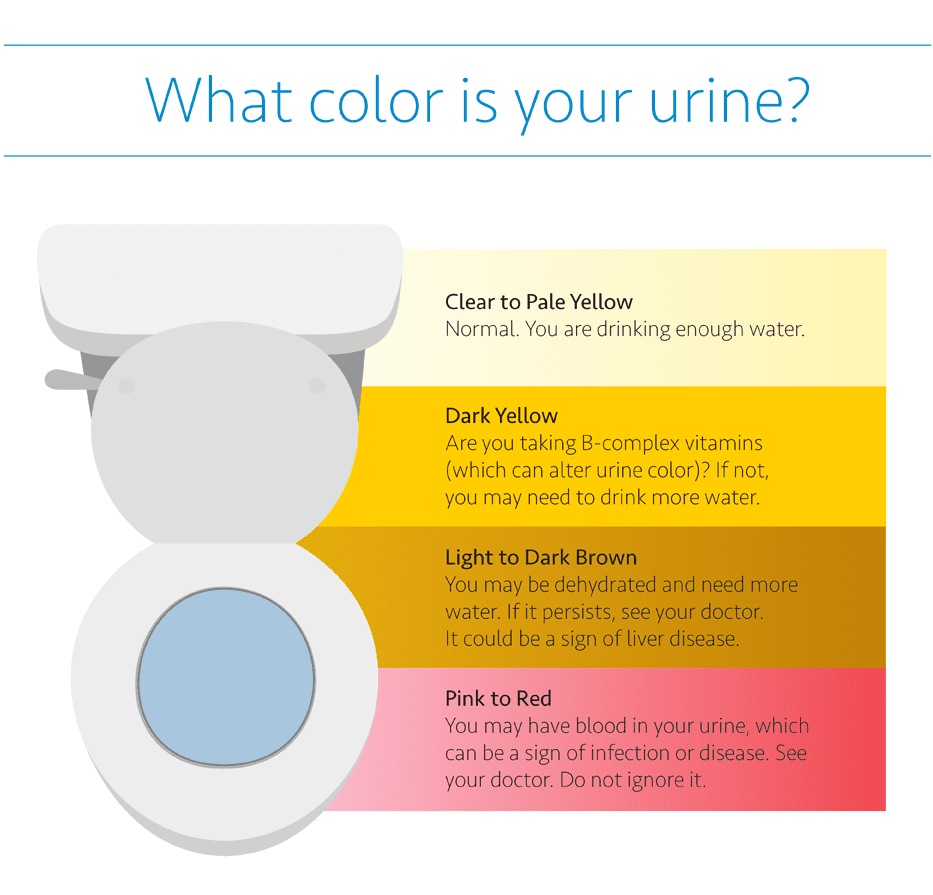
Most of the time, dark morning urine is just concentrated urine from a normal overnight water deficit — it should lighten to pale yellow within an hour or two of drinking fluids. According to Cleveland Clinic, cola- or tea-colored urine, or urine that smells strongly of ammonia, can be a sign of kidney or liver problems, and red-tinged urine can point to a urinary tract infection.
Liver conditions can prevent bilirubin (a yellow-brown waste pigment) from being processed normally, so it spills into urine and darkens it — often alongside pale stools or yellowing skin. Kidney problems can allow protein or blood into urine, giving it a cola or tea tint. Urinary tract infections irritate the bladder lining and can cause cloudy, dark, or blood-streaked urine along with a burning sensation when urinating.
“Cola- or tea-colored urine or urine that smells can be a sign of kidney disease. Dark brown pee or pee that smells like ammonia can be a sign of liver failure. Red-tinged pee (blood in your urine) can be a sign of a urinary tract infection (UTI).”
This is general information, not a diagnosis. See a doctor if dark urine lasts more than 2–3 days despite good hydration, if it’s accompanied by pain, fever, swelling, or yellowing skin, or if you notice any blood.
How Much Water You Actually Need (and Other Fixes)
Darker urine in the morning often results from dehydration during sleep, so drinking a full glass of water before bed and another right after waking helps. Reducing caffeine and alcohol in the evening also helps, since both increase how much fluid you lose overnight.
📊 Adults who stay adequately hydrated average about 2.7 liters (91 oz) of total water a day for women and 3.7 liters (125 oz) for men, counting water from food and all beverages — not just plain water. — Source: National Academies of Sciences, Engineering, and Medicine
- Hydration timing: A glass of water before bed and one right after waking helps offset the overnight water deficit that causes concentrated urine.
- Watch hidden dehydrators: Alcohol, heavy caffeine, and high-sodium meals in the evening all increase overnight fluid loss — cutting back on any of these can lighten morning urine within a few days.
- Track your color, not just your intake: Pale straw to light yellow is the target; if urine stays dark all day even with normal water intake, that’s the signal to see a doctor rather than just drinking more.
Best Hydration Tracker Bottle Pick
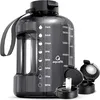
AQUAFIT Half Gallon Water Bottle with Time Marker – $16.99
Printed hour markers make it easy to hit the daily water total this article covers (roughly 91–125 oz) without guessing how much you’ve actually had.
- Best for: Building a consistent all-day hydration habit, not just a morning glass of water
- Why we picked it: Half-gallon capacity covers most of the daily target in one or two refills
- Main drawback: Bulky for a bag or car cup holder — better for a desk or gym bag
Compare more hydration bottle options
 Budget Pick Sahara Sailor 32oz Time Marker Bottle – $8.99
|
 Option 2 Motivational Straw Bottle 64oz – $14.99
|
 Premium Pick Hydracy Bottle with Fruit Infuser – $24.99
|
As an Amazon Associate we earn from qualifying purchases.
Simple Habits to Prevent Dark Morning Urine
Drink a full glass of water right after waking up, then carry a bottle and sip through the day rather than drinking a large amount all at once. Watching your bathroom fixtures each morning — the toilet bowl, in particular — is actually the easiest daily health check most people already have access to, since urine color changes are visible before you even leave the room.
If you share a bathroom or use a urinal at work, the same color check still applies — pale yellow is the target regardless of the fixture. Keep a mental note of your normal color so you notice a real change quickly.

Schedule a checkup if you’re tracking recurring changes — according to the National Kidney Foundation, urine color alone can’t confirm a kidney problem, but it’s a useful early prompt to get bloodwork or a urinalysis if changes persist.
Frequently Asked Questions
What color should your urine be in the morning?
Morning urine should be pale yellow to light amber — slightly darker than urine later in the day because it’s more concentrated after hours without fluids. It should lighten within an hour or two of drinking water. If it stays dark all day, that points to ongoing dehydration or, less commonly, a medical cause worth checking with a doctor.
Why is my urine so dark when I wake up?
Dark urine in the morning is normal and comes from going hours without fluids while your body still releases the hormone ADH overnight, which concentrates urine. Drinking a glass of water shortly after waking usually restores a lighter color within an hour. If it doesn’t, or if this happens alongside pain or fatigue, see a healthcare professional.
Is it normal to pee brown in the morning?
Occasionally, yes — brown-tinged urine can come from foods like fava beans or rhubarb, certain medications, or heavy dehydration, and usually clears up within a day. But true cola- or tea-colored urine that doesn’t lighten with water, especially with pale stools or yellowing skin, needs prompt medical evaluation for a possible liver issue.
Can medications cause dark urine in the morning?
Yes. B-vitamin supplements commonly turn urine bright yellow, and certain antibiotics, laxatives, and muscle relaxants can darken it toward orange or brown, according to Cleveland Clinic. If a new medication or supplement lines up with when the color change started, that’s the likely cause — confirm with your pharmacist or doctor rather than stopping medication on your own.
How much water should I drink to stop dark morning urine?
Adults who stay well hydrated average about 91 oz (2.7 liters) of total water a day for women and 125 oz (3.7 liters) for men, counting food and all beverages, per the National Academies of Sciences. Spreading intake through the day — not just before bed — keeps morning urine lighter than trying to catch up with one large glass.
What color is urine when there’s a kidney problem?
According to Cleveland Clinic, cola- or tea-colored urine, or urine that smells strongly, can be a sign of kidney disease, while dark brown urine with an ammonia smell can point to liver problems. Urine color alone cannot diagnose either condition — if you notice this pattern, ask a doctor for a urinalysis and bloodwork.
Conclusion
Dark urine in the morning is, in the vast majority of cases, simply concentrated urine from a normal overnight water deficit combined with the hormone ADH — it should lighten within an hour or two of drinking fluids. Track how quickly your color normalizes each morning, and treat persistent dark, brown, cola-colored, or blood-tinged urine as a reason to see a doctor rather than something to fix with water alone.
Sponsored / affiliate links. As an Amazon Associate I earn from qualifying purchases. I may earn additional commission from eligible campaigns.