Why Put Tinfoil on Door Knobs: A Simple Guide to a Quirky Trick
Putting tinfoil on door knobs means wrapping aluminum foil around the knob of a door. It’s a quirky idea that’s floated around online, often tied to home security or practical hacks. Some say it keeps burglars away when you’re alone, while others use it for painting or static shock fixes. It’s super easy to do and costs pennies since most of us have foil in the kitchen. But does it really work for safety? Let’s find out what’s true and what’s just internet hype.
Why Do People Think Tinfoil Helps with Security?
The idea of tinfoil as a security trick got big from viral ads and social media. People claim it can scare off burglars in a few ways. First, the foil makes a crinkly noise if someone touches it, like a cheap alarm. Second, it might make the knob slippery, so it’s harder to turn. Third, some say torn foil shows if someone tried to break in. Sounds neat, right? But I tried it, and let’s just say it’s not a superhero shield. Here’s why it’s not a perfect plan:
- Noise Isn’t Loud Enough: The crinkle is quiet. If you’re asleep or in another room, you won’t hear it. A dog barking is way better!
- Foil Is Easy to Remove: A burglar can peel it off in seconds. It’s not a lock.
- Torn Foil Isn’t Reliable: Wind or a pet could mess it up, not just a thief.
Still, it can give you a tiny bit of peace if you’re nervous at home alone. I felt a little safer the first night I tried it, even if it was just in my head.
Practical Uses for Tinfoil on Door Knobs
Tinfoil isn’t a security superstar, but it shines in other ways. Here are three real reasons to try it, based on my own experiments:
Protect Knobs When Painting
When I painted my bedroom door last summer, I got paint all over the knob. What a mess! Then I learned tinfoil is a game-changer. It’s easier than painter’s tape because it molds to the knob’s shape. No paint sneaks through, and you just rip it off when you’re done. It’s a total time-saver.
Stop Static Shocks
In winter, my metal door knobs zap me every time. Ouch! Wrapping them in tinfoil can help because aluminum conducts electricity and spreads out static charges. I tried it on my front door, and the shocks stopped. It’s not perfect, but it’s better than jumping every time you open a door.
Keep Pets from Scratching
My cat, Whiskers, loves scratching door knobs. Wrapping them in foil makes a weird texture and noise that she hates. It’s not foolproof—some pets don’t care—but it saved my knobs from claw marks. Plus, it’s cheaper than buying new hardware.
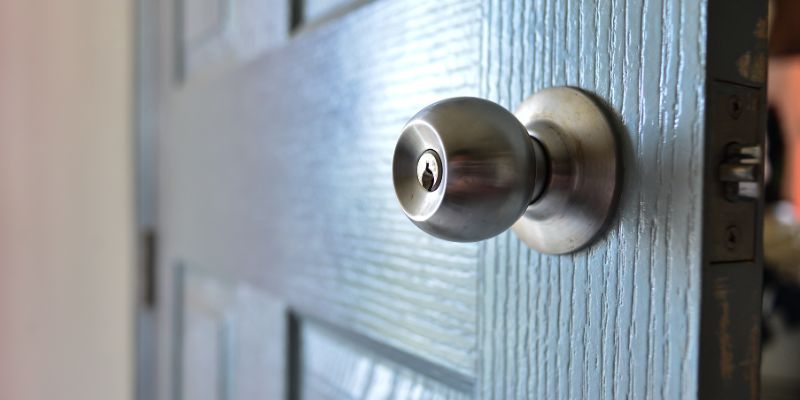
How to Wrap Tinfoil on a Door Knob: Step-by-Step
Ready to try it? Here’s a super simple guide to wrap your door knob like a pro. You don’t need fancy tools—just foil and a minute.
- Grab Your Foil: Tear off a piece of aluminum foil about 12 inches long. Standard kitchen foil works great.
- Cover the Knob: Wrap the foil around the knob, pressing it to fit snugly. Cover every bit of the knob.
- Tuck the Edges: Fold the extra foil around the base of the knob. No tape needed—it sticks on its own.
- Check It: Give the knob a gentle twist to make sure the foil stays put.
Tip: For extra strength, fold the foil in half before wrapping. It’s still easy to remove later.
Tools and Materials You’ll Need
You don’t need much to pull this off. Here’s a quick table comparing options:
| Item | Cost | Where to Get It | Why It’s Needed |
|---|---|---|---|
| Aluminum Foil | $2–$5 | Grocery store | Covers the knob |
| Scissors (Optional) | $1–$3 | Home or dollar store | Cuts foil neatly |
Caption: Basic supplies for wrapping tinfoil on door knobs. Keep it cheap and simple!
Benefits and Drawbacks of the Tinfoil Trick
Let’s break it down. Is this trick worth your time? Here’s what I found after trying it:
Benefits
- Super Cheap: Foil costs almost nothing, and you probably have some already.
- Quick to Do: Takes less than a minute per knob. No sweat!
- Versatile: Works for painting, static, or even pet protection.
Drawbacks
- Not a Security Fix: It won’t stop a determined burglar. Locks and cameras are better.
- Looks Weird: Your guests might think you’re a bit nutty.
- Temporary: Foil tears easily and needs replacing often.
Better Security Alternatives
If you’re wrapping foil for safety, I’ve got better ideas. After researching and trying stuff myself, here’s what actually works:
- Lock Your Doors: A sturdy deadbolt is your best friend. I added one to my front door, and it’s rock-solid.
- Get a Doorbell Camera: I got a cheap one online, and now I can see who’s at my door from my phone. Game-changer!
- Use a Timer for Lights: Plug your lamps into a timer to make it look like someone’s home. I set mine to turn on at 6 p.m.
Here’s a table comparing tinfoil to real security options:
| Method | Cost | Effectiveness | Ease of Use |
|---|---|---|---|
| Tinfoil on Knobs | $2–$5 | Low | Very Easy |
| Deadbolt Lock | $20–$50 | High | Easy |
| Doorbell Camera | $50–$150 | High | Medium |
Caption: Tinfoil vs. real security—locks and cameras win for keeping you safe.
Common Mistakes to Avoid
I made some goofs when I first tried this trick. Here’s how to skip my flops:
- Don’t Use Thin Foil: Cheap, flimsy foil tears too easily. Get standard or heavy-duty foil.
- Don’t Expect Miracles: Foil won’t stop a break-in. Pair it with real security like locks.
- Don’t Leave Gaps: Make sure the knob is fully covered, or paint and static can still get through.
My Personal Tips from Trying It
After messing around with this hack, here’s what I learned:
- Double Up for Painting: Use two layers of foil when painting to catch drips better.
- Check It Daily: If you’re using it for security, look for tears to spot any tampering (though it’s not foolproof).
- Have Fun with It: I told my friends about my foil-wrapped knobs, and we had a good laugh. It’s a quirky conversation starter!
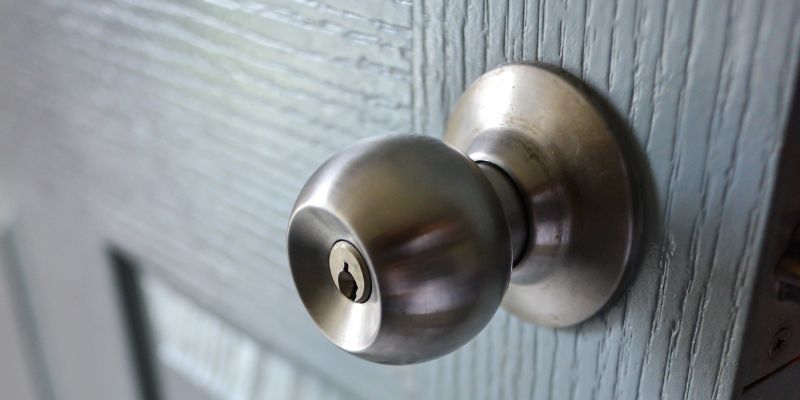
Visual Ideas for Clarity
To make this easier, here are some visuals I’d love to include (but can’t draw here):
- Diagram of Wrapping: A simple sketch showing how to fold foil around a knob, with arrows for tucking edges.
- Before-and-After Photo: A picture of a bare knob vs. one wrapped in shiny foil.
- Comparison Chart: A visual of tinfoil vs. a deadbolt, showing why locks are stronger.
Frequently Asked Questions
Why Do People Put Tinfoil on Door Knobs When Alone?
It’s thought to deter burglars by making noise or slipping when turned, but it’s not effective. Real security like locks or cameras works better. Foil can give a small sense of comfort, though.
Does Tinfoil on Knobs Stop Burglars?
No, it doesn’t. Foil is easy to remove, and the noise isn’t loud enough to alert you. A sturdy lock or alarm system is way more reliable for home safety.
Can Tinfoil Prevent Static Shocks from Knobs?
Yes, sometimes. Aluminum foil can spread out static charges, reducing shocks. It worked for me in winter, but it’s not a guaranteed fix every time.
Is Tinfoil Better Than Tape for Painting?
Yes, it’s easier! Foil molds to the knob’s shape and pulls off cleanly, unlike tape, which can stick or tear. I saved time using foil on my last paint job.
Will Tinfoil Stop My Pet from Scratching Knobs?
It might. The texture and crinkle can scare some pets, like my cat. But not all pets care, so test it first before counting on it.
How Often Should I Replace the Foil?
Check it weekly. Foil tears easily, especially if you use the door a lot. Replace it when it’s ripped to keep it working for painting or static.
Are There Better Ways to Feel Safe at Home?
Absolutely. Get a deadbolt, a doorbell camera, or a light timer. These are proven to keep your home secure and give you real peace of mind.
Conclusion
Wrapping tinfoil on door knobs is a quirky trick with some handy uses, like protecting knobs during painting or cutting down static shocks. But don’t count on it to keep burglars out—it’s more of a fun hack than a security fix. I had a blast trying it and laughing about it with friends. Give it a go for painting or pet-proofing, and pair it with real security like locks or cameras for true safety. Got a cool tinfoil trick of your own? Try it out and share it with a friend—it’s a great way to spark a giggle!