Wood Stain Vs Dye: Uncover the Best for Your Project
Are you ready to transform your woodworking project into a masterpiece but stuck choosing between wood stain and dye? You’re not alone.
Picking the right finish can feel like a daunting task, leaving you wondering about the differences and which one will bring out the best in your wood. The decision you make here can elevate your project from ordinary to extraordinary.
But fear not—by the end of this article, you’ll have a clear understanding of both options, enabling you to make the best choice for your needs. So, let’s dive in and explore what wood stain and dye have to offer, ensuring your project shines just the way you envisioned.
Credit: pittsburghsprayequip.com
Wood Stain Basics
Wood stain is made from pigments, binders, and solvents. Pigments give the stain color. Binders help the stain stick to wood. Solvents make the stain spread easily. These ingredients work together to protect wood. Different stains have different compositions. Some stains use oil, others use water. Oil-based stains soak deeper into wood. Water-based stains dry faster. Choosing the right stain depends on your needs.
Stains can be applied with brushes, cloths, or sprayers. Brushes help control the amount of stain. Cloths can wipe stain evenly on wood. Sprayers cover large areas quickly. Each method has its own benefits. Always test the stain on a small area first. Make sure to wear gloves and old clothes. Stains can be messy. Proper technique helps achieve a smooth finish.
Wood Dye Essentials
Wood dyes come in different types and colors. Some dyes are water-based. Others use alcohol or oil. Water-based dyes dry fast. They are easy to clean. Alcohol-based dyes dry even faster. Oil-based dyes take longer to dry. They are best for outdoor wood. Choose the dye based on your needs. Different types can change the wood’s color. Pick a color that matches your project. Each dye type offers something unique.
Dyes can be applied using a brush or a cloth. A brush is good for large areas. A cloth works well for small spaces. Always test the dye first. Try on a small wood piece. This shows how the color looks. Apply evenly to avoid streaks. Keep the strokes even. Some people use spray bottles. This can cover wide areas fast. Make sure to wear gloves. Dyes can stain your hands.
Color And Finish Comparison
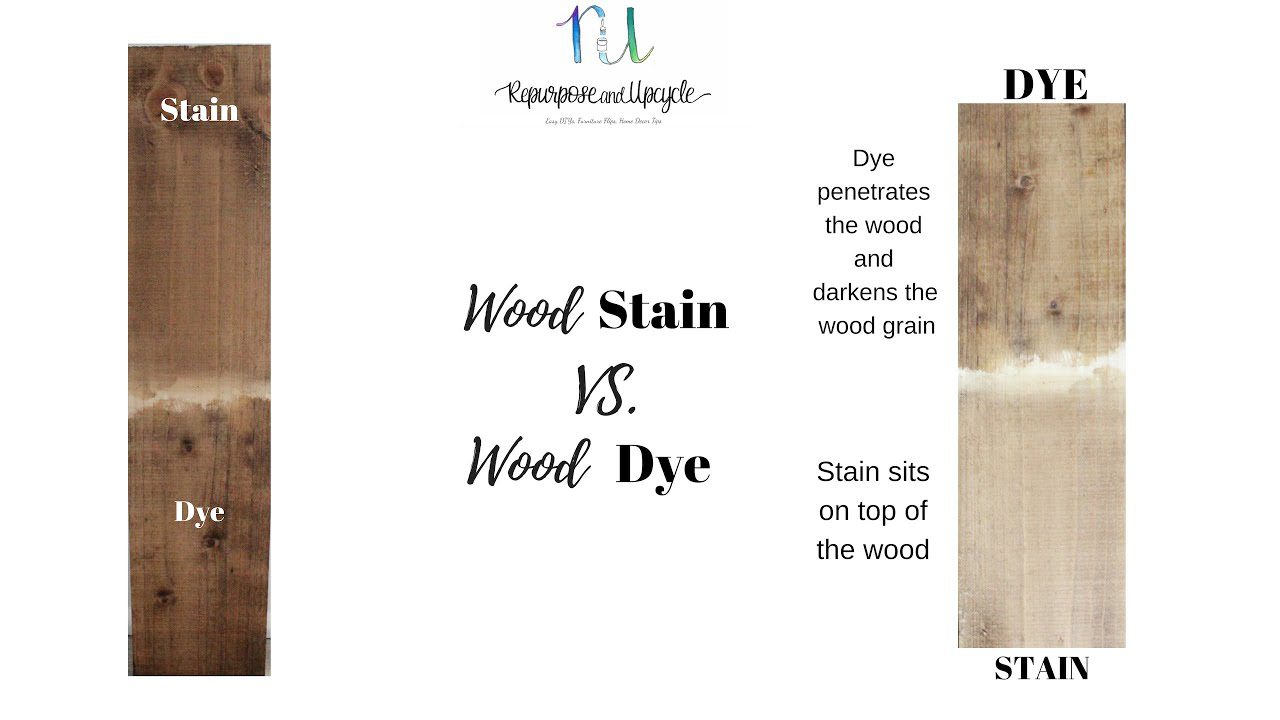
Wood stainmakes colors deep and bold. It covers the wood surface. The finish looks thick and smooth. It hides some wood patterns.
Dyecolors sink into the wood. This makes it rich and clear. It shows all wood patterns. The finish looks thin and natural. Dye is great for showing wood’s beauty.
Mix wood stains for new shades. You can create unique colors. It’s easy to change colors with stains. Dye also mixes well. Dye can make many shades. It allows color control. Dye is good for changing wood color fast. Both options offer color choice.
Durability And Protection
Wood stain offers a thick layer, providing excellent protection against weather and wear. In contrast, wood dye penetrates deeply, enhancing the wood’s natural beauty but with less surface protection. Both options cater to different needs, balancing durability and visual appeal effectively.
Wear And Tear Resistance
Wood stainscan provide a layer of protection. They help shield the wood from scratches. This makes the surface tougher. Wood dyes, on the other hand, do not offer the same level of protection. They seep into the wood. This means they can fade quicker. Stains are often better for areas with high foot traffic.
Environmental Factors
The environment affects wood finishes. Sunlight can fade wood dyes. They lose their color faster than stains. Moisture is another concern. Stains tend to resist water better. They form a protective coat on the surface. Dyes lack this barrier. This makes wood more prone to damage. Choosing the right product can help maintain wood beauty longer.
Project Suitability
Wood stainis best for outdoor projects. It protects against weatherand UV rays. Stain is thicker. It creates a barrier. This keeps wood safe from damage. Dye, on the other hand, is suitable for indoor use. It enhances wood color. Dye does not protect wood. It easily fades in the sun. Always choose based on the project location.
For furniture, both stain and dye can work. Stain adds a protective layer. It is good for tablesand chairs. Dye is good for enhancing color. It shows wood grain better. Cabinets benefit from both. Stain offers protection and color. Dye highlights natural beauty. Think about the use and look you want. Choose the right product for the best result.
Ease Of Use
Wood stainis easy to use. You need to sand the wood first. This helps the stain stick better. After applying, clean-up is simple. Use soap and water for most stains.
Dyeneeds more work. You must mix it with water or alcohol. This takes time and care. Cleaning up dye can be tricky. Use special cleaners or solvents. Make sure to wear gloves. Dye can stain hands and clothes quickly.
Using wood stain saves time. It covers large areas fast. Stain dries quickly. You can finish projects in one day.
Dye takes more effort. Mixing takes extra time. Applying dye needs careful work. It may need more coats. Each coat takes time to dry. Projects with dye can take a few days.
Cost Considerations
Wood stains are often cheaperthan dyes. Stains are usually readily availableat local stores. They cover wood surfaces easily. Dyes are more expensivebecause they need special materials. Dyes also require more steps for application.
Stains last a long timeon wood. They protect wood from damageand wear. Dyes may need reapplicationmore often. They offer vibrant colorsbut can fade. Choosing the right product saves moneyover time. Consider how often you will need to reapply.

Credit: www.youtube.com
Environmental Impact
Wood stains and dyes can affect the environment. Some contain harmful chemicals. Eco-friendly options are safer. They use natural ingredients. These options reduce pollution. They are better for people and animals. Choosing eco-friendly products helps the planet.
Dispose of wood stains and dyes carefully. Some are toxic. Never pour them down the drain. Use a recycling center. Always read the safety labels. Wear gloves and masks when using. Keep them away from kids and pets. Safety matters!
Frequently Asked Questions
What Is The Main Difference Between Stain And Dye?
Wood stain penetrates the surface, adding color and highlighting grain patterns. Dye, on the other hand, colors the wood uniformly, offering a wider color palette. Stains are often thicker, while dyes are more liquid, allowing deeper penetration for vibrant results.
Can Wood Dye Be Used Like Stain?
Yes, wood dye can be applied similarly to stain. It offers more control over color intensity and is ideal for complex wood patterns. Unlike stains, dyes can be diluted or mixed to achieve desired hues, providing flexibility for unique finishing touches.
Which Is Better For Outdoor Wood Projects?
Stains are typically better for outdoor wood projects due to their protective qualities. They shield wood from UV rays and moisture, enhancing longevity. Dyes lack protective elements, making them unsuitable for outdoor use without additional sealing.
Do Stains Or Dyes Last Longer?
Stains generally last longer because they contain protective agents that shield against environmental damage. Dyes can fade more quickly, especially when exposed to sunlight. For lasting color, consider applying a protective topcoat over dyed wood.
Conclusion
Choosing between wood stain and dye depends on your project needs. Stain highlights natural grain, adding depth to wood surfaces. Dye offers vibrant color options but may require more coats. Both have unique benefits and challenges. Consider the wood type and desired finish.
Experiment on small areas first. This helps in visualizing results before committing. Either option can enhance wood beauty effectively. Understanding product differences helps make informed decisions. Your creativity and preference play key roles. Explore both methods, and transform your woodwork into something stunning.