Wood vs Metal Raised Beds Which Is Better
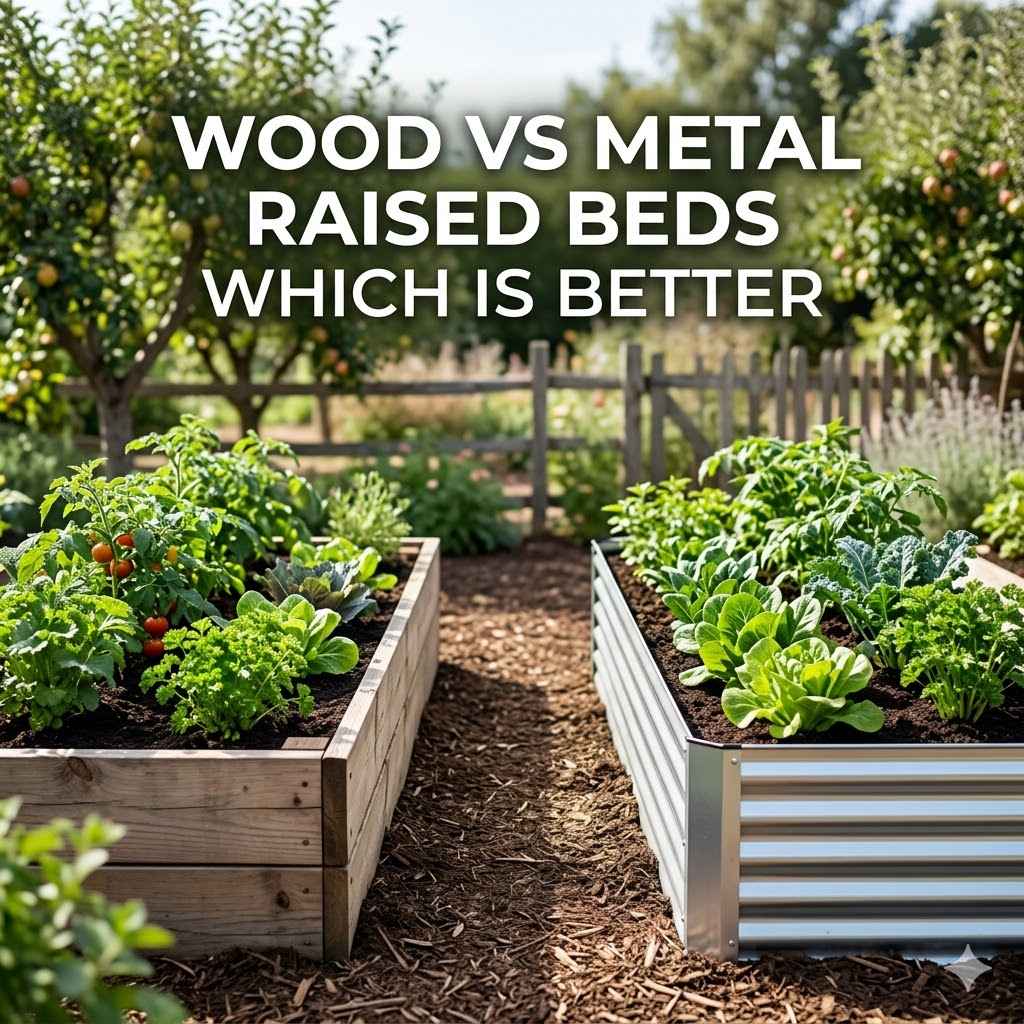
Picking the right raised garden bed can feel like a big decision for new gardeners. You might wonder, Wood vs Metal Raised Beds Which Is Better?. It’s a common question because both options have pros and cons.
Don’t worry though. We’ll make this simple and walk you through everything step-by-step. Soon, you’ll know exactly which type is perfect for your garden.
Choosing between wood and metal raised garden beds is a key decision for any gardener looking to create an organized and productive growing space. Both materials offer distinct advantages and disadvantages that can impact the longevity, aesthetics, and cost of your garden project. For beginners, this choice can seem challenging because they might not be familiar with the long-term implications of each.
This section explores the fundamental differences, helping you see why the question of Wood vs Metal Raised Beds Which Is Better? is so important.
Wood Raised Beds An Overview
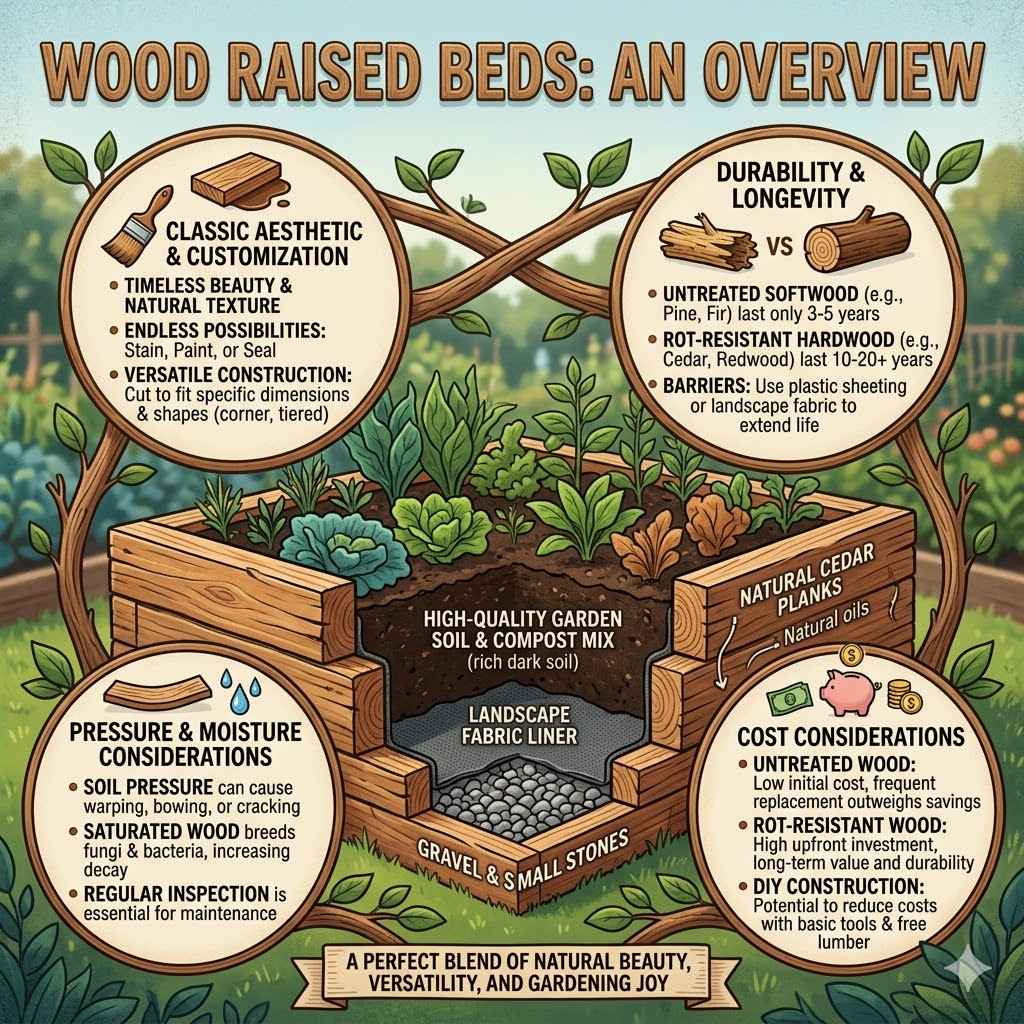
Wood offers a classic, natural look that many gardeners find appealing. It blends well with most landscapes and can create a warm, inviting garden feel. The ease of working with wood also makes it a popular choice for those who enjoy DIY projects, as it can be cut, shaped, and assembled with basic tools.
However, the natural appeal of wood comes with its own set of considerations, particularly regarding durability and maintenance.
Durability and Longevity of Wood
The lifespan of a wooden raised bed heavily depends on the type of wood used and how it’s treated. Untreated softwoods like pine or fir will likely rot and decay within a few years, especially when constantly exposed to moisture from the soil and weather. This means frequent replacement or repair work.
Cedar, redwood, and cypress are naturally more resistant to rot and insects due to their natural oils and compounds. These woods can last for 10 to 20 years or even longer in some cases, but they come at a higher initial cost.
A common issue with wood is its susceptibility to moisture. When wood sits in damp soil, it becomes a breeding ground for fungi and bacteria that cause rot. Without proper drainage and aeration, the wood can break down faster.
This is why many gardeners choose to line their wooden beds with plastic sheeting or landscape fabric to create a barrier between the wood and the soil, extending its life. However, this can sometimes affect soil health if not done carefully.
The weight of the soil inside the bed also puts constant pressure on the wooden walls. Over time, this pressure, combined with the effects of moisture and temperature changes, can cause the wood to warp, bow, or even crack. This is particularly true for thinner wood planks or poorly constructed beds.
Regular inspection for signs of wear and tear, such as soft spots or visible damage, is essential for maintaining the integrity of wooden raised beds.
Aesthetic Appeal and Customization
Wood provides a timeless beauty to any garden setting. Its natural grain and texture can add warmth and character that synthetic materials often lack. This makes wooden beds a favored choice for those who prioritize the visual harmony of their outdoor spaces.
The ability to stain, paint, or seal wood also offers endless possibilities for customization, allowing gardeners to match their beds to their home’s exterior or their personal style.
Beyond looks, wood is highly versatile for construction. It can be easily cut to fit specific garden dimensions or shapes, allowing for a truly custom garden layout. Whether you need a corner bed, a long narrow bed, or a multi-tiered design, wood can accommodate these needs.
This flexibility is a major draw for gardeners who have unique garden spaces or specific planting requirements that pre-fabricated beds might not meet.
The tactile experience of wood is also a plus. It feels natural and pleasant to touch, making gardening a more sensory experience. Many gardeners appreciate the organic feel of wood under their hands as they work in their beds.
This connection to nature can enhance the overall enjoyment of gardening and create a more inviting atmosphere.
Cost Considerations for Wood
The cost of wooden raised beds can vary significantly. Basic, untreated pine or fir lumber is generally the most affordable option. However, as mentioned, these materials are less durable and will require more frequent replacement.
For a more cost-effective long-term solution, investing in naturally rot-resistant woods like cedar or redwood is recommended, though their initial purchase price is considerably higher.
DIY construction can sometimes reduce costs, especially if you have access to free or discounted lumber. The cost of fasteners, hardware, and any treatments or sealants also needs to be factored in. When comparing initial outlay, untreated wood is cheaper.
But over several years, the cost of replacing cheaper wood can outweigh the higher upfront investment in rot-resistant varieties. It’s a trade-off between immediate savings and long-term value.
For pre-fabricated wooden kits, prices can range from moderate to expensive, depending on the size, wood type, and brand. These kits offer convenience but may not provide the same level of customization as building from scratch. It’s wise to research different suppliers and compare prices to find the best value for your budget.
Metal Raised Beds An Overview
Metal raised beds offer a modern, sleek alternative to wood. They are known for their durability and low maintenance, making them an attractive option for gardeners who prefer a more hands-off approach. The clean lines and industrial look of metal can complement contemporary garden designs.
This section will delve into what makes metal beds a strong contender in the Wood vs Metal Raised Beds Which Is Better? debate.
Durability and Longevity of Metal
Metal raised beds are renowned for their exceptional durability. Materials like galvanized steel, corrugated metal, and aluminum are chosen for their resistance to rust, rot, and insect damage. Unlike wood, metal does not break down when exposed to moisture, making it ideal for garden environments where soil is constantly wet.
This inherent strength means they can withstand harsh weather conditions and physical impacts.
Galvanized steel is coated with a layer of zinc, which provides excellent protection against rust. Over time, this coating might wear away, especially in highly corrosive environments, but it typically offers many years of service, often 15 to 25 years or even more. Corrugated metal, often used for its strength and distinctive look, is also highly resistant to corrosion when properly finished.
Aluminum is naturally rust-proof and lightweight, making it another excellent choice. It’s a bit more expensive than steel but offers long-term performance without the worry of rust. The longevity of metal beds means a higher upfront cost can often be offset by the absence of replacement or repair expenses over many years, offering a stable and reliable gardening solution.
Aesthetic Appeal and Customization
Metal raised beds bring a contemporary and sophisticated aesthetic to gardens. They often feature clean lines and a minimalist design that can enhance the overall look of an outdoor space. Colors can range from natural metallic finishes like brushed steel or copper to vibrant powder-coated hues, allowing for integration into various garden styles, from modern to industrial or even rustic.
While metal offers less flexibility in terms of on-site cutting and shaping compared to wood, many manufacturers provide a wide array of standard sizes and shapes. This ensures that gardeners can usually find a metal bed to fit their specific needs and garden dimensions. Some customizable options are available, allowing for specific heights or lengths to be ordered, though this can increase cost.
The smooth surfaces of metal beds can be easier to clean than the textured surfaces of wood, contributing to a tidy garden appearance. They resist staining and are generally simple to wipe down, maintaining their attractive appearance with minimal effort. This low-maintenance aspect is a significant part of their appeal for many gardeners.
Cost Considerations for Metal
The initial cost of metal raised beds is typically higher than that of basic wooden beds. Materials like galvanized steel or aluminum are more expensive than common lumber. However, this higher upfront investment is often justified by the extended lifespan and reduced maintenance requirements.
Over the long term, metal beds can prove to be more cost-effective.
Prices for metal raised beds vary based on material, gauge of metal, size, and brand. Simple corrugated metal panels in a basic rectangular shape will be less expensive than modular systems made from thicker gauge steel or custom-designed units. While DIY metal fabrication is possible, it requires specialized tools and skills, making pre-fabricated kits a more common choice for most home gardeners.
When considering the overall budget, it’s important to think about the cost per year of use. A more expensive metal bed that lasts 20 years can be cheaper annually than a cheaper wooden bed that needs replacing every 5 years. This long-term perspective is crucial when evaluating the value proposition of metal raised beds.
Key Factors for Your Decision
Deciding between wood and metal involves looking at several important factors that will affect your gardening experience. These include how long you want your beds to last, how much work you want to put into upkeep, your garden’s style, and how much you are willing to spend. Understanding these points helps clarify why Wood vs Metal Raised Beds Which Is Better?
is not a one-size-fits-all answer.
Lifespan and Durability Comparison
When we talk about how long things last, metal raised beds generally win. They are built to withstand the elements for decades. Good quality metal, especially galvanized steel or aluminum, can last 15 to 25 years or even longer without significant wear.
They don’t rot, warp, or get eaten by bugs. This means you set them up and can largely forget about them in terms of needing repairs or replacements.
Wood, on the other hand, has a more varied lifespan. Basic pine or fir might only last 3 to 5 years. Better woods like cedar, redwood, or cypress can last 10 to 20 years, but this depends heavily on treatment, climate, and soil conditions.
If your goal is a very long-term garden solution that requires minimal fuss about structural integrity, metal is the clear winner.
Consider this scenario: You build a raised bed today. A wooden bed made from untreated pine might need replacing within your first few growing seasons. A metal bed, however, will likely still be standing strong and functional for many years after that, meaning less work and expense for you in the long run.
The initial cost might be higher for metal, but the longevity offers a significant return.
Maintenance and Upkeep
Maintenance needs differ greatly between wood and metal. Wooden beds require more attention. They may need periodic sealing or staining to protect the wood from moisture and UV rays, especially if you want to extend their life.
Inspecting them for signs of rot or insect damage is also a good idea. If you enjoy the hands-on aspect of garden care and don’t mind occasional upkeep, wood can be manageable.
Metal raised beds are practically maintenance-free. They don’t require sealing or staining. Their surfaces are typically smooth and easy to clean.
The main concern might be scratching or chipping of the paint or coating, which could potentially lead to rust over many years, but this is usually a minor aesthetic issue rather than a structural one. For gardeners who want to spend more time planting and less time fixing, metal is the superior choice.
Think about the time commitment. If you have a busy schedule, the low-maintenance appeal of metal is a huge advantage. You can focus on growing your plants without worrying about whether your garden beds will hold up through the next season.
This peace of mind is valuable for many home gardeners.
Aesthetics and Garden Style
The look of your raised beds can significantly impact your garden’s overall appearance. Wood offers a warm, natural, and traditional feel. It blends easily into most landscapes and can make a garden feel more cozy and inviting.
The natural grain and texture of wood can add a touch of rustic charm or classic elegance, depending on the wood type and finish.
Metal beds tend to have a more modern, sleek, and industrial aesthetic. They can provide a striking contrast to natural elements like plants and soil, or they can complement contemporary garden designs. Available in various colors, metal beds can be chosen to match your home’s exterior or to make a bold design statement.
The choice here really depends on your personal style and the look you want for your garden.
A gardener aiming for a cottage-style garden might lean towards weathered wood or cedar. Conversely, someone with a minimalist, modern home might prefer the clean lines and metallic sheen of a steel raised bed. It’s about finding a material that visually harmonizes with your existing surroundings and your personal taste.
Cost Comparison: Initial vs. Long-Term
The cost factor is often a primary driver in decision-making. Initially, basic wooden raised beds made from less durable woods are typically the cheapest option. You can often find lumber at hardware stores for a reasonable price, and building a simple rectangular bed yourself can save on labor costs.
This makes wood an accessible choice for those on a very tight budget.
However, when you look at the long-term costs, the picture changes. Cheaper wooden beds will need replacing every few years due to rot and decay. This means buying new materials, spending time on construction, and potentially dealing with the hassle of disposal.
Over a decade, the cumulative cost of repeatedly replacing cheaper wooden beds can exceed the one-time purchase of a durable metal bed.
More durable wooden options like cedar or redwood are more expensive upfront, often comparable to or even exceeding the cost of some metal beds. But their longer lifespan (10-20 years) makes them a better long-term investment than untreated woods. Metal beds, while having the highest initial cost, offer the greatest longevity, often lasting 15-25 years or more, making them the most economical choice over many years of use.
Environmental Considerations
When choosing materials, considering their environmental impact is important. Wood is a renewable resource, but its sustainability depends on responsible forestry practices. Some treated lumber contains chemicals that could potentially leach into the soil, which might be a concern for organic gardeners.
Natural, untreated woods like cedar are generally more eco-friendly but also more expensive.
Metal, particularly steel and aluminum, is recyclable. The production of metal can be energy-intensive, but its recyclability means it can have a lower overall environmental footprint over its very long lifespan. If the metal is sourced from recycled materials, its environmental advantage increases.
For those concerned about chemical leaching, metal is a safer option than some treated woods.
Think about where the materials come from. Locally sourced, untreated wood might have a smaller carbon footprint than metal that is manufactured far away. However, the lifespan of the product plays a big role too.
A product that lasts much longer, even if its initial production is more impactful, can be more sustainable than one that needs frequent replacement, leading to more waste and resource consumption.
Comparing Wood and Metal in Practice
Seeing how wood and metal beds perform in real gardens helps make the choice clearer. Gardeners often share their experiences with these materials, highlighting what works best in different situations. This practical insight is invaluable when considering Wood vs Metal Raised Beds Which Is Better?
for your own space.
Case Study: The Long-Term Gardener
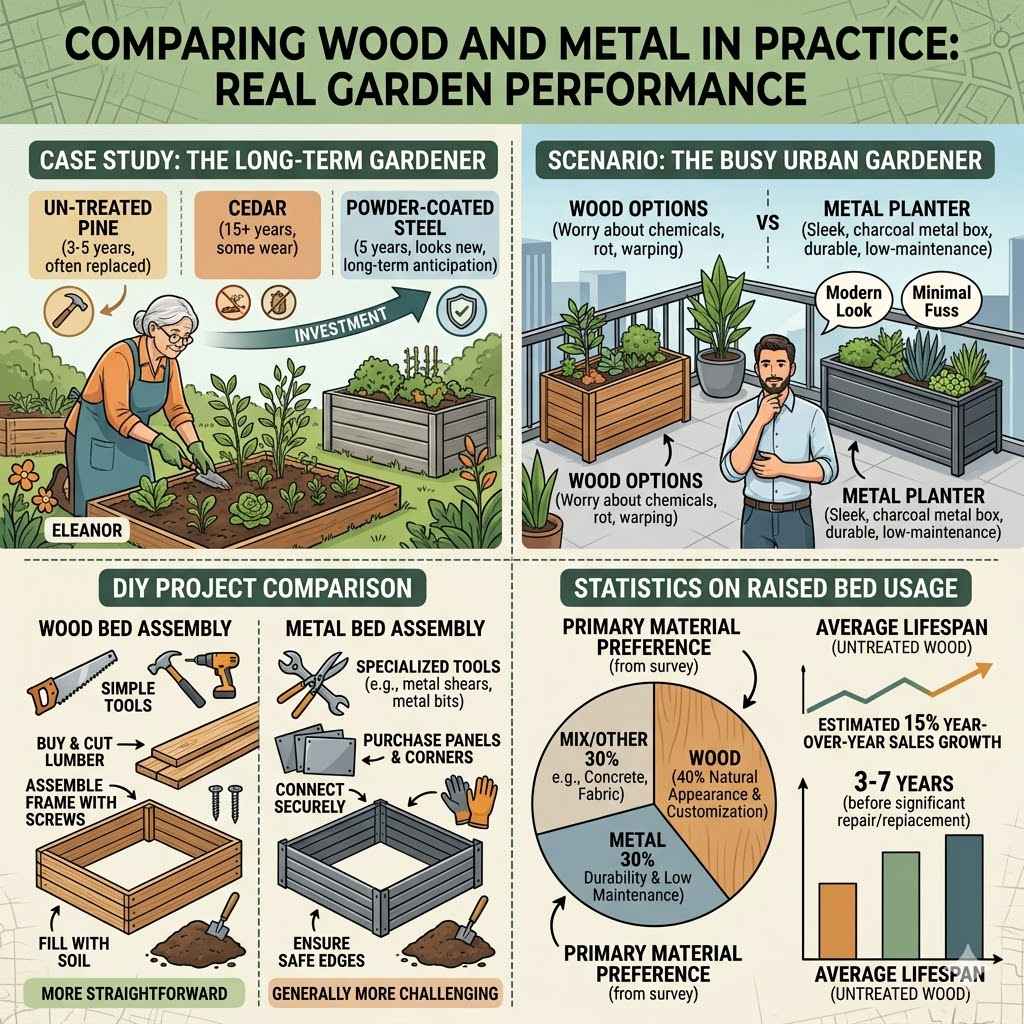
Eleanor, a gardener who has been cultivating her plot for over 20 years, initially opted for affordable pine lumber for her first set of raised beds. While they looked nice and were easy to build, she found herself replacing one or two beds every 3-5 years. The constant need for repairs and replacements became a significant drain on her time and budget.
Around year 10, Eleanor decided to invest in cedar raised beds. She noticed a significant difference in their longevity, with them lasting well over 15 years with minimal upkeep beyond an occasional light cleaning. However, even cedar started showing signs of wear after that many years.
For her most recent garden expansion, she chose powder-coated steel raised beds. She reports that after five years, they look as good as new, showing no signs of rust or degradation. She anticipates these beds will likely last her for the rest of her gardening years, freeing up her time for planting and harvesting instead of structural maintenance.
Scenario: The Busy Urban Gardener
Mark lives in a city apartment with a small patio. He wants to grow herbs and a few vegetables. Space is limited, and he prefers a clean, modern look for his balcony.
He needs something durable that he doesn’t have to worry about frequently.
Mark considers a DIY wooden bed. He finds plans online, but realizes untreated wood might rot quickly on his balcony due to fluctuating temperatures and moisture. Treated wood raises concerns about chemicals near his food.
Pre-built wooden kits are an option, but he worries about warping in the sun.
Instead, he looks at metal raised beds. He finds a sleek, corrugated metal planter box in a dark charcoal color. It’s the perfect size for his balcony, looks very stylish, and he knows it won’t rot or warp.
The initial cost is higher than a basic wooden kit, but he values the durability and the minimal maintenance. He can focus on growing his herbs without any worries about the planter itself.
DIY Project Comparison
Building your own raised beds can be a rewarding experience. With wood, it’s straightforward. You can buy lumber, cut it to size, and assemble it with screws or nails.
Common wood types for DIY include pine, cedar, or redwood. Cedar and redwood are more expensive but offer better rot resistance.
For metal DIY, it’s more complex. You might use corrugated metal panels and special corner brackets, or even repurpose materials like stock tanks. This often requires metal shears, drills with metal bits, and sometimes welding equipment.
While possible, it’s generally more challenging and time-consuming for the average DIYer than working with wood. Pre-fabricated metal kits, while more expensive, offer a simpler assembly process.
Here’s a quick look at the DIY process:
- Wood Bed Assembly: Cut lumber to desired dimensions. Assemble frame using screws. Add corner posts for stability. Fill with soil. Simple tools required.
- Metal Bed Assembly: Purchase metal panels and corner pieces or use a kit. Connect panels securely. Ensure edges are safe. Fill with soil. May require specialized tools.
Statistics on Raised Bed Usage
According to a recent survey of home gardeners, 55% reported using raised garden beds for at least one of their garden plots. Of those using raised beds, 40% indicated they preferred wood as their primary material, citing its natural appearance and ease of customization. However, 30% stated they were transitioning to or preferred metal due to its durability and low maintenance.
The remaining 30% use a mix of materials or other options like concrete blocks or fabric beds.
Another study focused on the lifespan of gardening materials found that untreated wooden raised beds had an average lifespan of 3-7 years before needing significant repair or
The market for raised garden beds has seen growth, with sales increasing by an estimated 15% year over year. This suggests more people are embracing raised bed gardening, making the choice of material an increasingly important consideration for newcomers.
Frequently Asked Questions
Question: Which type of raised bed is easiest to assemble for a beginner
Answer: For beginners, simple wooden raised beds are generally the easiest to assemble. Lumber can be easily cut and fastened with basic tools like screws and a drill. Many pre-cut wooden kits are also available, further simplifying the process.
Question: Can I grow organic vegetables in metal raised beds
Answer: Yes, you can grow organic vegetables in metal raised beds. Ensure the metal is food-grade or has a non-toxic coating. Avoid beds made from materials that could leach harmful substances into the soil.
Galvanized steel is commonly used and considered safe for gardening.
Question: How do I prevent wood from rotting in a raised bed
Answer: To prevent wood from rotting, use naturally rot-resistant woods like cedar or redwood. You can also treat the wood with a non-toxic sealant or stain. Proper drainage is key; ensure your raised bed allows water to escape freely to avoid prolonged soil moisture against the wood.
Question: What is the average lifespan of a metal raised bed
Answer: The average lifespan of a metal raised bed, such as those made from galvanized steel or aluminum, is typically between 15 to 25 years. Some may last even longer depending on the quality of the material and the environmental conditions.
Question: Are metal raised beds more expensive than wood ones
Answer: Yes, metal raised beds generally have a higher initial cost compared to basic wooden raised beds made from common lumber. However, their longer lifespan and lower maintenance needs can make them more cost-effective over the long term.
Summary
Wood offers a natural look and is easy to work with, but it can rot and requires upkeep. Metal beds are durable and low-maintenance, with a modern appeal, but cost more upfront. Your ideal choice depends on your budget, style, and how much time you want to spend on maintenance.
Choose wisely for a garden you’ll love for years.