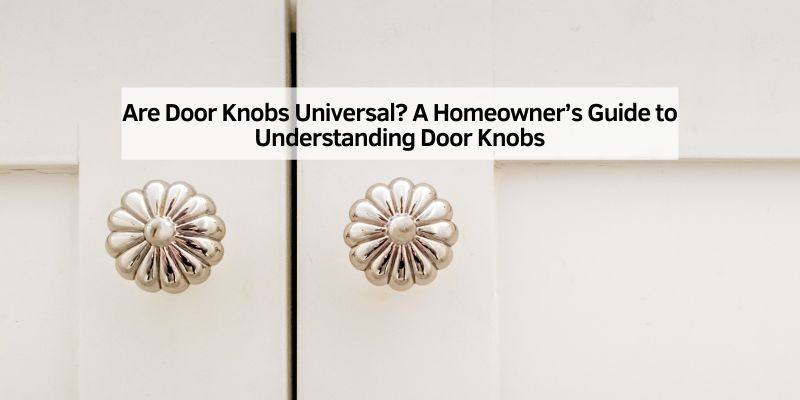
Are Door Knobs Universal? A Homeowner’s Guide to Understanding Door Knobs
Hey there! If you’re reading this, chances are you’re wondering whether door knobs are universal. Maybe you’re tackling a home improvement project, replacing an old knob, or just curious about how these everyday fixtures work. I’ve been there, standing in the hardware store aisle, staring at rows of shiny door knobs, wondering if they’ll fit my door. It’s a common question, and I’m excited to dive into it with you. Let’s explore whether door knobs are truly universal, what you need to know before buying one, and how to make sure your new knob fits perfectly. I’ve spent hours researching and swapping out door knobs in my own home, so I’m sharing everything I’ve learned to make this easy for you.
What Does “Universal” Mean for Door Knobs?
When we talk about door knobs being “universal,” we’re asking if one knob can fit any door. It’s a fair question! After all, it’d be great if you could grab any knob off the shelf and know it’ll work. But the truth is, door knobs aren’t always universal. They come in different sizes, styles, and configurations, and not every knob fits every door.
I learned this the hard way when I bought a sleek, modern knob for my bedroom door, only to find it didn’t align with the existing holes. Door knobs have specific measurements and features that need to match your door’s setup. Things like the door’s thickness, the size of the bore hole, and the backset (the distance from the edge of the door to the center of the knob) all matter. Don’t worry—I’ll break these down so you know exactly what to look for.
The Key Parts of a Door Knob
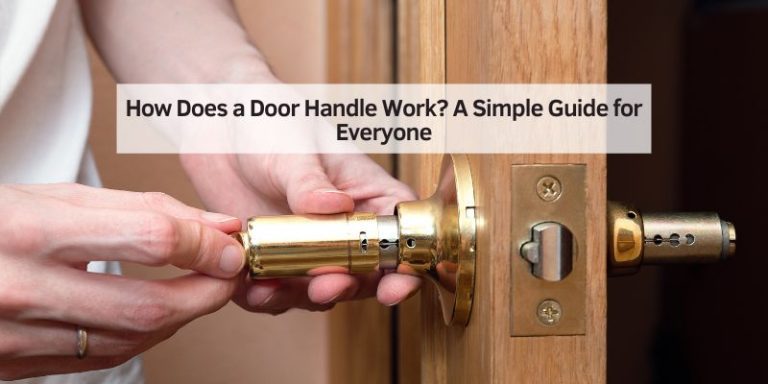
To understand why door knobs aren’t always universal, let’s talk about their components. A door knob isn’t just a single piece; it’s an assembly with several parts working together. Knowing these helps you figure out what fits.
- Knob or Lever: This is the part you grab and turn. It can be a round knob, a lever, or even a fancy handle.
- Spindle: A rod that connects the two knobs on either side of the door, letting them turn together.
- Latch Bolt: The piece that slides into the door frame to keep the door closed.
- Strike Plate: A metal plate on the door frame where the latch bolt goes.
- Rose or Escutcheon: The decorative plate behind the knob that covers the hole in the door.
Each of these parts needs to match your door’s setup for the knob to work. If one piece doesn’t align, you’re stuck with a wobbly knob or one that doesn’t lock properly. I’ve had that frustration, and trust me, it’s worth checking these details before you buy.
Standard Door Knob Measurements
One reason people ask if door knobs are universal is because there are some standard measurements in the industry. Most doors in the U.S. follow similar specs, which makes many door knobs interchangeable. But “standard” doesn’t mean “universal.” Here’s what you need to know about the key measurements.
Bore Hole Size
The bore hole is the big hole drilled into the door where the knob goes. In the U.S., most doors have a standard bore hole of 2⅛ inches in diameter. I’ve measured plenty of doors in my house, and this size is common for interior and exterior doors. However, older homes or custom doors might have smaller or larger bore holes, so always measure first.
Backset Distance
The backset is the distance from the edge of the door to the center of the bore hole. The two most common backsets are 2⅜ inches and 2¾ inches. I’ve found that interior doors often use 2⅜ inches, while exterior doors lean toward 2¾ inches. Most door knobs are adjustable to fit either, but you should double-check. I once installed a knob with the wrong backset, and the latch didn’t reach the strike plate—total rookie mistake!
Door Thickness
Standard doors are usually 1⅜ to 1¾ inches thick. Most door knobs are designed to fit this range. But if you have an older home or a custom door, the thickness could be different. I’ve seen doors as thin as 1 inch or as thick as 2 inches. Check your door’s thickness with a tape measure to avoid surprises.
Here’s a quick table summarizing these measurements:
| Feature | Standard Size | Notes |
|---|---|---|
| Bore Hole | 2⅛ inches | Common in most U.S. doors; measure older or custom doors. |
| Backset | 2⅜ or 2¾ inches | Adjustable knobs cover both; confirm your door’s backset. |
| Door Thickness | 1⅜ to 1¾ inches | Thicker or thinner doors may need special knobs or adapters. |
Types of Door Knobs and Their Compatibility
Not all door knobs serve the same purpose, and this affects whether they’re “universal.” I’ve swapped out knobs for different rooms in my house, and each type has its own quirks. Here’s a rundown of the main types and how they impact compatibility.
Passage Knobs
These are for doors that don’t lock, like closets or hallways. They’re the simplest type and usually fit standard doors easily. I used passage knobs for my pantry and laundry room, and they were a breeze to install since they don’t have locking mechanisms.
Privacy Knobs
Privacy knobs have a lock for rooms like bathrooms or bedrooms. They often use a push-button or turn-lock. Most privacy knobs fit standard doors, but the locking mechanism needs to align with the bore hole. I replaced a privacy knob in my bathroom, and it was straightforward as long as the measurements matched.
Entry Knobs
Entry knobs are for exterior doors and have a key lock for security. These are trickier because they often include a deadbolt or extra hardware. I upgraded my front door’s entry knob, and I had to make sure the bore hole and backset lined up perfectly with the existing setup.
Dummy Knobs
Dummy knobs don’t turn—they’re just for decoration, like on a closet door that doesn’t latch. They’re the most “universal” since they don’t need to fit a latch or lock. I used dummy knobs for a double door in my dining room, and they were super easy to install.
Each type has specific requirements, so a passage knob won’t work as an entry knob, even if the measurements are the same. Always match the knob’s function to the door’s purpose.
Are Door Knobs Interchangeable Across Brands?
Another angle to the “universal” question is whether you can mix and match brands. I’ve tried knobs from brands like Schlage, Kwikset, and Baldwin, and here’s the good news: many brands follow the same standard measurements. If your door has a 2⅛-inch bore hole and a standard backset, most knobs from reputable brands will fit.
However, there’s a catch. Some brands use proprietary designs for their locksets or spindles. For example, I once tried swapping a Kwikset knob with a Schlage one, and the spindle didn’t fit quite right. If you’re replacing a knob, sticking with the same brand can make things easier, but it’s not always necessary if the measurements align.
How to Choose a Universal Door Knob
So, how do you pick a door knob that’s as “universal” as possible? After installing dozens of knobs, I’ve got a checklist that works every time.
- Measure Your Door: Grab a tape measure and check the bore hole, backset, and door thickness. Write these down before you shop.
- Check the Function: Decide if you need a passage, privacy, entry, or dummy knob. This avoids buying the wrong type.
- Look for Adjustable Knobs: Many modern knobs are adjustable for backset (2⅜ or 2¾ inches) and door thickness. These are the closest to “universal.”
- Stick to Reputable Brands: Brands like Schlage, Kwikset, or Defiant design knobs to fit standard U.S. doors. I’ve had great luck with these.
- Read the Packaging: Most knobs list compatible measurements on the box. Double-check before you buy.
I always keep a small notebook with my door measurements when I head to the store. It saves me from guessing and makes the process smoother.
Common Issues When Installing Door Knobs
Even with the right measurements, things can go wrong. I’ve hit a few snags installing door knobs, so let me share some pitfalls to avoid.
Misaligned Latch
If the latch doesn’t catch the strike plate, the backset might be off. I had this issue with an older door where the backset was non-standard. Double-check your measurements or get an adjustable knob.
Wrong Door Thickness
If the knob feels loose or doesn’t sit flush, the door might be too thick or thin. Some knobs come with adapters for non-standard doors, so look for those.
Old or Damaged Holes
Older doors can have worn-out bore holes or misaligned strike plates. I’ve had to use a wood filler to patch a hole before installing a new knob. If the damage is minor, a larger rose (the decorative plate) can cover it.
Lock Compatibility
For keyed entry knobs, make sure the lock cylinder matches your existing keys if you want everything to work with one key. I learned this when I ended up with two different keys for my front and back doors—annoying!
Can You Make Any Door Knob Fit?
If you’ve got a non-standard door, don’t panic. There are ways to make most knobs work. I’ve dealt with quirky doors in my old fixer-upper, and here’s what I’ve learned.
- Adapters and Spacers: Some brands sell kits to adjust for non-standard door thicknesses or backsets.
- Custom Drilling: If the bore hole is too small, you can drill it to 2⅛ inches, but be careful—measure twice, drill once!
- Replacement Latches: If the latch doesn’t fit, you can sometimes buy a separate latch with the right backset.
- Professional Help: For tricky installations, a locksmith or handyman can save you time and frustration.
I once had to retrofit a knob on a vintage door with a weird backset. A universal latch kit from the hardware store did the trick, and it felt like a small victory.
Why Standardization Matters
The reason we even talk about “universal” door knobs is because the industry has tried to standardize measurements. In the U.S., the American National Standards Institute (ANSI) sets guidelines for door hardware. This is why most knobs fit most doors. But older homes, custom builds, or doors from other countries might not follow these standards. I’ve seen European doors with totally different bore hole sizes, which threw me for a loop when I tried to replace a knob for a friend.
Tips for Buying Door Knobs Online
Shopping online for door knobs is convenient, but it can be tricky without seeing the product. I’ve ordered knobs online and learned a few lessons.
- Read Reviews: Look for reviews mentioning fit and compatibility. Other homeowners will flag if a knob doesn’t work with standard doors.
- Check Specifications: The product description should list bore hole size, backset, and door thickness compatibility.
- Buy from Trusted Retailers: Sites like Home Depot, Lowe’s, or Amazon have detailed specs and return policies. I’ve returned a knob that didn’t fit, no hassle.
- Look for Kits: Some knobs come with extra hardware for non-standard doors, which is a lifesaver.
My Personal Experience with Door Knobs
When I started my home improvement journey, I thought all door knobs were the same. Boy, was I wrong! My first project was replacing a wobbly knob in my guest room. I bought the cheapest one I could find, only to discover it didn’t fit the latch. After a few trips to the hardware store and some YouTube tutorials, I got the hang of it. Now, I love picking out knobs that match my home’s style—brushed nickel for the modern vibe, bronze for a classic touch. Each knob I’ve installed has taught me something new, and I hope my experience helps you avoid my mistakes.
Conclusion
So, are door knobs universal? Not quite, but they’re pretty close if you stick to standard measurements and choose the right type for your door. By understanding bore holes, backsets, and door thickness, you can pick a knob that fits like a glove. Whether you’re upgrading for style, security, or function, a little prep work makes all the difference. I’ve had my share of trial and error, but now I enjoy the process of swapping out knobs to give my home a fresh look. Take your time, measure carefully, and you’ll find the perfect knob for your door. Happy home improving!
Frequently Asked Questions
Are All Door Knobs the Same Size?
No, door knobs vary in size, but most follow standard measurements like a 2⅛-inch bore hole and 2⅜ or 2¾-inch backset. Always measure your door to be sure.
Can I Use an Interior Knob on an Exterior Door?
It’s not a good idea. Interior knobs (like passage or privacy knobs) don’t have the security features of entry knobs, which are designed for exterior doors with key locks.
How Do I Know If a Door Knob Will Fit My Door?
Measure the bore hole, backset, and door thickness. Check the knob’s packaging or description to ensure it matches those measurements and the door’s function (passage, privacy, etc.).
Can I Replace a Door Knob Myself?
Yes! Replacing a door knob is a simple DIY project if you have the right tools and measurements. A screwdriver and a tape measure are usually all you need.
What If My Door Has Non-Standard Measurements?
You can use adapters, replacement latches, or custom drilling to make a knob fit. For tricky cases, a locksmith can help.