Are Neon Signs Dangerous? Essential Safety Facts
Quick Summary: Modern neon signs are generally safe when installed and maintained properly. They use low voltage and inert gases, posing minimal risk of shock or fire. However, older signs or those damaged might have risks like broken glass or electrical issues. Always inspect and ensure professional installation for peace of mind.
Hey there, DIY enthusiasts and home improvers! Md Meraj here, your go-to guide for making your home projects both fun and safe. You know, I get a lot of questions about adding unique touches to our homes, and one that pops up quite a bit is about those vibrant, eye-catching neon signs. They look amazing, right? But a common worry is, “Are neon signs dangerous?” It’s a totally valid question, especially when we’re talking about electricity and glass.
The good news is, for most modern neon signs, the answer is a reassuring “not really!” However, like any electrical item, there are some important things to know to keep things safe and sound. We’ll break down what makes them work, the potential risks (and how to avoid them!), and what to look for to ensure your cool sign stays a source of joy, not worry.
Let’s get those questions answered and make sure you feel confident about bringing that retro glow into your space. We’ll cover everything from the gas inside to how to handle them, so stick around!
Understanding Neon Signs: More Than Just Pretty Lights
When you see a neon sign, you’re looking at a piece of art powered by a bit of science. It’s not magic, but it is pretty clever! Understanding the basics helps a lot in knowing why they’re generally safe and where potential concerns might arise.
How Do Neon Signs Actually Work?
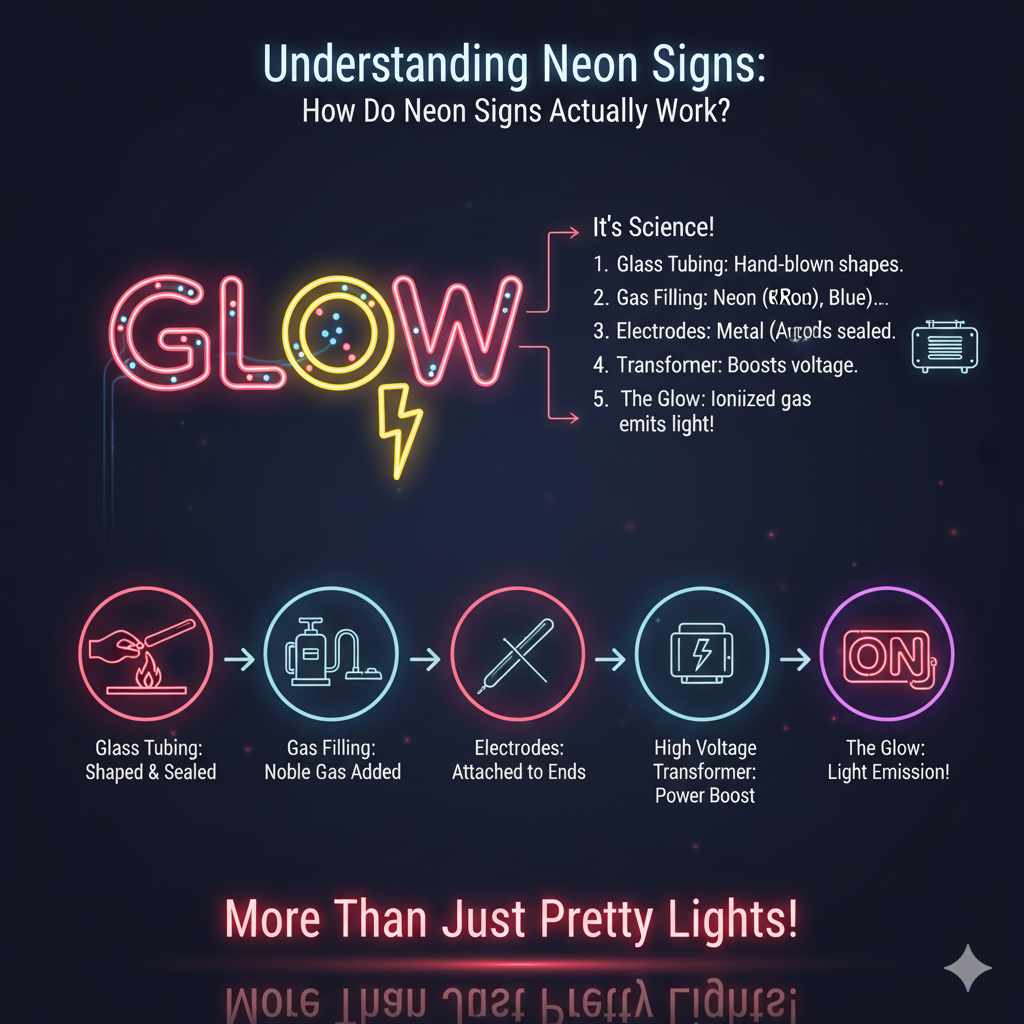
It all starts with a glass tube. This tube is bent into the shape of your desired letter, word, or image. Then, a tiny amount of a noble gas, most commonly neon, is sealed inside. Other colors you see are usually made by coating the inside of the glass with different phosphors and using different gases like argon or helium, which then glow when an electric current passes through them.
Here’s a simplified look at the process:
- Glass Tubing: Hand-blown and shaped into designs.
- Gas Filling: The tube is evacuated of air and filled with a specific gas (neon for red, argon for blue, etc.) at a low pressure.
- Electrodes: Metal electrodes are sealed at each end of the tube.
- High Voltage Transformer: This is the crucial part. A transformer steps up the regular household voltage (like 120V) to a much higher voltage (thousands of volts) needed to excite the gas.
- The Glow: When the high voltage is applied across the electrodes, it causes the gas inside the tube to ionize, releasing photons (light). This is what creates that distinctive glow.
Neon vs. LED Neon: What’s the Difference?
It’s important to know that what many people call “neon signs” today might actually be LED (Light Emitting Diode) signs designed to look like neon. This is a really important distinction when we talk about safety and efficiency!
Here’s a quick comparison:
| Feature | True Neon Signs | LED Neon Signs |
|---|---|---|
| Technology | Glass tubes filled with noble gas, high voltage transformer | Flexible LED strips encased in a silicone or plastic tube |
| Voltage | High voltage (2,000-15,000+ volts) | Low voltage (typically 12V or 24V) |
| Fragility | Glass is fragile, can break if dropped or mishandled | More durable, flexible, and resistant to impact |
| Energy Efficiency | Less energy efficient, transformers can consume power | Highly energy efficient, uses significantly less electricity |
| Heat Output | Generates some heat, but generally not excessively hot to touch | Very little heat output |
| Lifespan | Can last 10-15 years or more with proper care | Can last 50,000+ hours (5-10 years of continuous use) |
| Cost | Generally more expensive to produce and install | More affordable, especially for custom designs |
When we discuss the potential dangers of “neon signs,” it’s often helpful to clarify whether we’re talking about traditional glass neon or the more modern LED versions. For the rest of this article, when I say “neon signs,” I’ll primarily be referring to traditional glass neon, as that’s where most safety considerations stem from.
Are Neon Signs Dangerous? Debunking the Myths
Let’s get straight to the point: are neon signs dangerous? For the most part, no, especially when they are new, properly installed, and in good condition. The gases used are inert, meaning they don’t react with anything, and the electricity, while high voltage, is contained and delivered in a way that’s designed for safety. However, like any electrical device, there are scenarios where risks can emerge.
The Electricity Factor: High Voltage, Low Risk?
This is often the biggest concern. True neon signs use a high-voltage transformer to get the gas glowing. This can sound intimidating! However, it’s important to understand that the electricity is contained within the glass tubes and the wiring. The current (the amount of electricity flowing) is very low, which is a key safety feature. You’d have to intentionally break the circuit or touch exposed wires to get a shock.
Think of it like this: a taser uses very high voltage, but the current is so low it’s not meant to kill, just incapacitate. Neon signs are similar in that the high voltage is necessary to ionize the gas, but the low current prevents it from being a serious electrocution hazard in normal operation.
According to the Occupational Safety and Health Administration (OSHA), electrical hazards are a significant concern in workplaces, but these typically involve exposed wiring, faulty equipment, or improper grounding. For a well-maintained neon sign, these risks are minimized.
What About the Glass?
Neon signs are made of glass tubes. Glass can break. If a neon sign is dropped, hit, or mishandled, the glass tubes could shatter. This would release the inert gas (which is harmless) but also leave sharp glass fragments, posing a cutting hazard. This is similar to a broken lightbulb or any other glass object.
The risk here isn’t from the electricity or the gas, but from the physical nature of the material. This is why proper installation and careful handling are so important.
The Gases Inside: Inert and Harmless
The “neon” in neon signs is actually a noble gas. Noble gases, like neon, argon, and helium, are called “inert” because they don’t readily react with other elements. They’re naturally occurring and are not toxic or flammable. When a neon sign is broken, the gas simply escapes into the atmosphere, posing no harm to people or pets.
You might see other colors that use different gases, but these are also inert and safe. The distinctive smell sometimes associated with older signs isn’t from the gas itself, but can be from impurities or materials within the sign that might have degraded over time.
Fire Hazards: Are They a Real Concern?
Fire is a concern with any electrical device, but traditional neon signs are actually considered relatively low-risk for fire. Here’s why:
- Low Heat: While they use high voltage, the current is low, and they don’t generate excessive heat. They won’t typically ignite surrounding materials like a faulty incandescent bulb might.
- Sealed System: The electrical components and gas are all contained within the glass tubes and transformer, limiting opportunities for sparks or overheating to spread.
- Transformer Design: Modern transformers are designed with safety features to prevent overheating.
However, as with any electrical appliance, a damaged transformer or faulty wiring could theoretically pose a fire risk. This underscores the importance of professional installation and regular checks.
Essential Safety Facts for Neon Sign Owners
Now that we’ve covered the basics, let’s dive into the practical safety tips. These are the things you need to know to enjoy your neon sign without any worries.
1. Professional Installation is Key
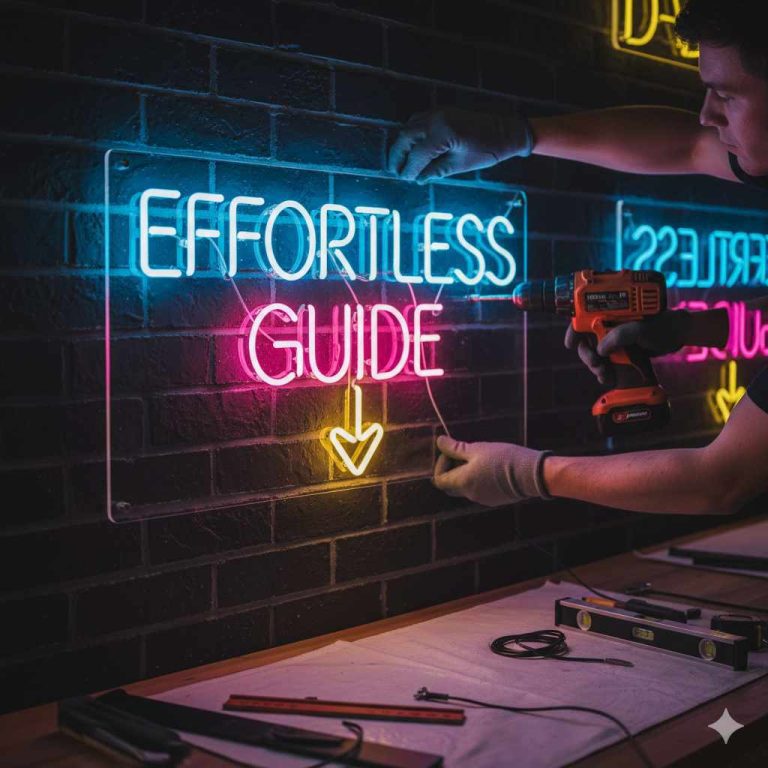
This is non-negotiable. Don’t try to wire up a neon sign yourself unless you have extensive electrical experience. A professional installer will ensure the sign is:
- Properly Mounted: Secured to prevent accidental falls or damage.
- Correctly Wired: Connected to the appropriate power source with correct grounding.
- Transformer Placed Safely: The transformer is often the largest component and needs to be in a well-ventilated area, away from flammable materials.
- Compliant with Codes: Meeting local electrical codes and safety standards.
For guidance on general electrical safety in home projects, the National Fire Protection Association (NFPA) offers valuable resources on preventing electrical fires.
2. Regular Inspection and Maintenance
Just like any home fixture, neon signs benefit from occasional check-ups. Look for:
- Cracks or Chips in the Glass: Even small ones can be a starting point for breakage.
- Flickering or Inconsistent Light: This could indicate a loose connection or a failing component.
- Damaged Wiring: Check for frayed insulation or exposed wires.
- Overheating Transformer: If the transformer feels excessively hot to the touch, it needs attention.
If you notice any of these issues, it’s time to call a professional for repair or servicing.
3. Handling with Care
If you ever need to move your neon sign, treat it like you would a large, delicate piece of art. Support it from the base or frame, and avoid putting pressure on the glass tubes. If it’s a large or heavy sign, get help!
4. Powering Down Safely
Always turn off the power to the sign at the switch or circuit breaker before cleaning or attempting any minor adjustments. For deep cleaning or repairs, ensure the power is completely disconnected.
5. Keep Away from Water
Electricity and water don’t mix. Ensure your sign is installed in a location where it won’t be exposed to moisture, especially if it’s an indoor sign. Outdoor signs will have different weatherproofing considerations, so always ensure they are rated for outdoor use.
6. Understanding Transformer Specifications
Your installer should provide you with the specifications for your sign’s transformer. Knowing the voltage and amperage can be helpful if you ever need to discuss repairs or upgrades. Most home neon signs operate on standard household circuits, but it’s always good to be aware.
7. Choosing Quality Over Cost
When buying a neon sign, especially a custom one, don’t always go for the cheapest option. Higher quality materials and craftsmanship often translate to better durability and safety. Reputable manufacturers will adhere to safety standards.
When to Be Extra Cautious
While modern neon signs are generally safe, there are a few situations where you should be particularly vigilant:
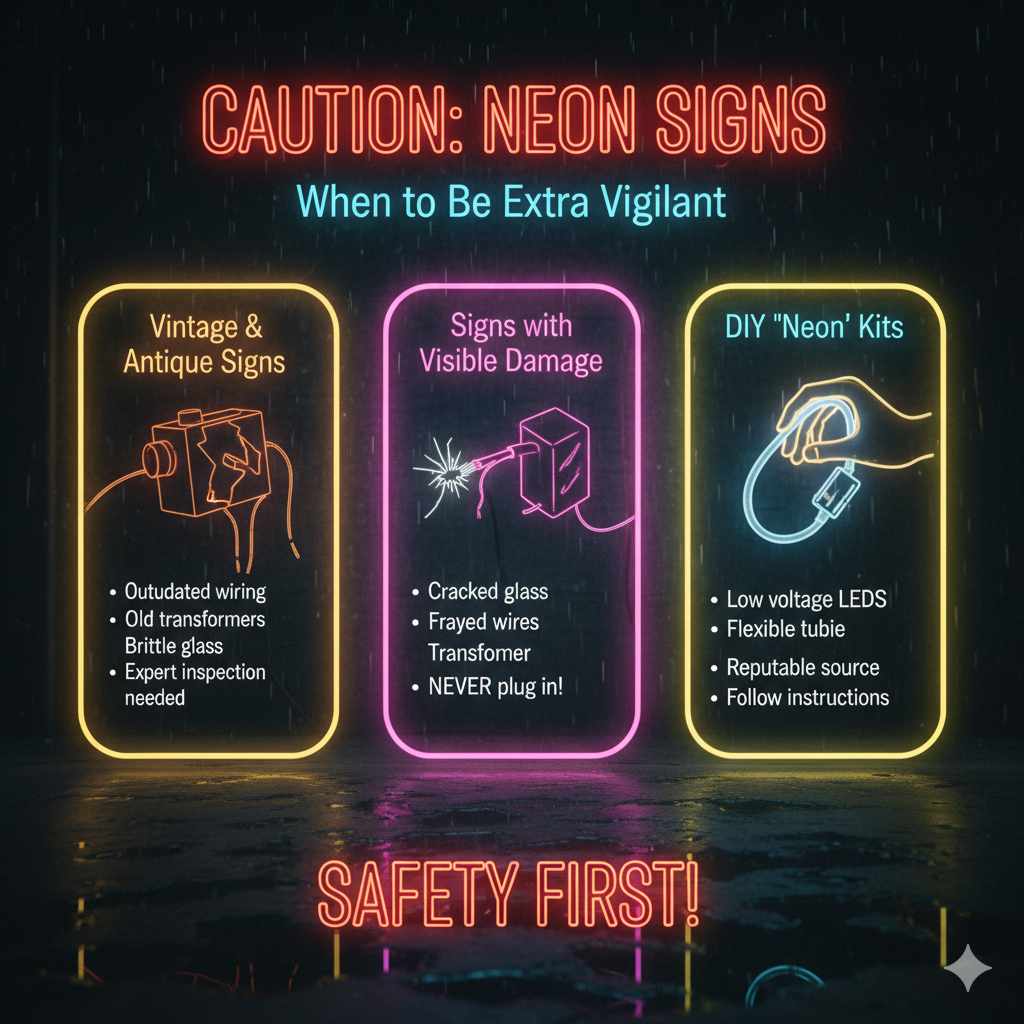
- Vintage or Antique Signs: Older signs might have outdated wiring, transformers that are no longer up to current safety standards, or glass that has become brittle over time. If you acquire an old sign, have it thoroughly inspected and possibly refurbished by a neon sign specialist before use.
- Signs with Visible Damage: Never plug in or operate a neon sign that has obvious cracks in the glass, frayed wires, or a damaged transformer housing.
- DIY “Neon” Kits (Non-Traditional): Some DIY kits use flexible tubing and low voltage LEDs. While these are generally very safe, ensure they come from a reputable source and follow all instructions carefully. These are different from traditional glass neon.
FAQs About Neon Sign Safety
Here are some common questions people have about neon sign safety:
Q1: Can a neon sign explode?
No, neon signs cannot explode. The gases inside are inert and at a low pressure. If the glass tube breaks, the gas simply dissipates safely into the air.
Q2: Is the gas in a neon sign toxic if I inhale it?
The gases used (like neon and argon) are noble gases, which are inert and non-toxic. They are found naturally in the air we breathe. In the unlikely event of a broken tube, the gas escaping is not harmful.
Q3: How often should I have my neon sign serviced?
For a well-maintained sign, a visual inspection every 6-12 months is usually sufficient. If you notice any issues like flickering, buzzing, or damage, get it serviced immediately. Professional servicing might be recommended every few years, depending on usage and age.
Q4: Can I replace a broken neon tube myself?
It is strongly recommended NOT to replace a neon tube yourself. It requires specialized equipment, knowledge of high-voltage transformers, and careful handling of glass. It’s best to leave this to the professionals who can safely repair or replace the tube.
Q5: Are LED neon signs safer than traditional neon signs?
Yes, LED neon signs are generally considered safer because they operate on low voltage (typically 12V or 24V), eliminating the high-voltage transformer. They are also more durable as they use flexible materials instead of glass, making them less prone to breakage.
Q6: What should I do if my neon sign starts making a loud buzzing sound?
A loud buzzing sound can indicate a problem with the transformer or a loose connection. It’s best to turn off the power to the sign immediately and have it inspected by a qualified neon sign technician. Don’t continue to operate it with a loud buzz.
Conclusion: Enjoy Your Glow Safely!
So, to wrap things up, while the thought of high voltage and glass tubes might sound a little daunting, traditional neon signs are quite safe when installed correctly and maintained properly. The gases are harmless, the risk of fire is low, and the electricity, though high voltage, is low current and contained.
The key takeaways are to always prioritize professional installation, perform regular visual checks for any damage, and handle your sign with care. If you’re considering a “neon” sign and want the utmost in safety and energy efficiency, LED neon alternatives are a fantastic, modern choice that mimic the look beautifully.
By being informed and taking these simple precautions, you can confidently bring that fantastic, vibrant glow of a neon sign into your home or workspace, adding a unique touch that’s both stylish and safe. Happy decorating!