Best Wood for Outdoor Bench Slats: Teak, Cedar, and More
Teak is the premium benchmark for coastal and high-abuse outdoor bench slats; cedar is the easy-to-work budget pick for shaded or low-traffic benches, while cypress or white oak suit dry, covered spots. Pick the wrong species and slats can cup, crack, rot, or loosen quickly, turning a simple bench into a costly replacement. This guide compares teak, cedar, and other common options by climate, sun, moisture, traffic, maintenance, and expected service life.
Quick comparison
| Product | Badge | Best for | Price | ||
|---|---|---|---|---|---|
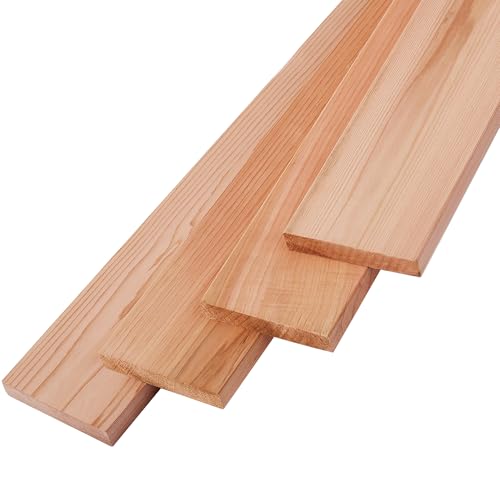 |
bingaai 7ft Western Red Cedar Decking Boards (4-Pack) 1x6x7′bingaai | Our pick | 7ft cedar decking boards · clear grade · 4-pack | $339.99
Price as of 11 Nov 2026
|
View |
 |
Teak Thin Stock Lumber 3/4" x 4" x 36"Woodpeckers | Also great | 3/4-inch teak stock · 36-inch length · outdoor use | $39.99
Price as of 11 Nov 2026
|
View |
For a fast read: teak is the premium benchmark, cedar is the easy-to-work budget pick, and ipe is the hardest-wearing option when abuse is high. Climate matters just as much as species, because a shaded bench in humid air faces a different failure pattern than a sunny bench with freeze-thaw swings.
How we chose
The comparison below weighs the things that matter most in bench slats: decay resistance, dent resistance, workability, moisture movement, maintenance, availability, and cost. That matters more than reputation alone, because slat width, spacing, and fastener layout all change how a wood performs outdoors.
Two benches made from the same species can behave differently if one uses wide slats with little spacing and the other uses narrower slats with generous gaps. Wider boards hold more stress across their width, trap more water at the edges, and need better fastening and acclimation before installation.
Teak: best for coastal low-maintenance
Teak is the premium benchmark for outdoor bench slats. It is the right choice for coastal air, wet shade, and owners who want the least upkeep while still getting strong decay resistance and a clean look that can weather to a silver-gray patina.
Teak is listed at 1,070 lbf Janka hardness, so it offers solid dent resistance without being so hard that it becomes unworkable for most bench projects. Its natural oils help it resist moisture, and teak can last 50+ years untreated according to the page.
The drawback is cost. Teak is expensive, so it makes the most sense when the bench sits in harsh weather or when replacing slats later would be a bigger hassle than paying more up front.
Why teak leads on natural oils and decay resistance
Teak’s natural oils help slow water uptake and help the wood stay stable outdoors. That does not make it immune to movement, but it gives teak an edge where rain, salt air, and regular wetting would punish a lesser wood.
For bench slats, that matters because the top surface and the fastener holes get repeated wet-dry cycles. A wood with stronger decay resistance buys more margin when maintenance is light.
Teak makes the most sense for a bench that lives in the open, sees frequent use, or needs a long service life with limited finish upkeep. If the bench sits under cover and can be refinished often, the premium may buy more durability than the setting needs.
Western red cedar: best for budget DIY
Western red cedar is the preferred lower-cost alternative to teak for many outdoor bench projects. It is lightweight, easy to cut and shape, and works well for shaded or low-traffic benches where easy handling matters as much as durability.
It is listed at 350 lbf Janka hardness, which means it dents more easily than hardwoods. That softness is the tradeoff for good workability and a lower price, but cedar still offers rot resistance and can last 15–25 years above ground without treatment.
The drawback is surface damage. Cedar can bruise from dropped tools, kneeling, or rough use, so it is a better fit for adult seating in calmer spaces than for benches that will take daily abuse.
What low Janka hardness means in use
Janka hardness is a dent-resistance benchmark. At 350 lbf, cedar is easy to work with hand tools and trim cleanly, but it will show marks faster than teak, oak, locust, or ipe.
That does not make cedar a poor outdoor wood. It means you should expect more visible wear on edges and seat faces, especially if the slats are narrow and the bench sees constant traffic.
Where cedar works well and where it dents too easily
Cedar suits porches, covered patios, and benches that are out of the main weather blast. It is also a good choice when you want a lighter bench that is easier to move and easier to build.
Skip cedar for public-facing, high-traffic, or hard-use benches unless the soft surface is acceptable. A family bench with frequent climbing, jumping, or dragged furniture will mark cedar faster than a denser hardwood.
Ipe: best for high-traffic harsh sites
Ipe is one of the hardest woods commercially available, and it is listed at 3,490 lbf Janka hardness. That extreme hardness, plus very high density and strong rot and insect resistance, makes it a serious choice for benches that face heavy use and harsh weather.
The drawback is that ipe is demanding to work. It dulls tools quickly, usually needs pre-drilling, and is less forgiving if you need to make field adjustments after the fact.
Why hardness and density matter here
For bench slats, hardness helps with dent resistance and density often helps with wear. Ipe handles abuse better than softwoods and many hardwoods, which is why it is often selected for exposed projects where a long service life matters more than easy installation.
It is a strong fit for benches that sit in full sun, see frequent use, or need to survive without much maintenance. If the site is gentle, the material may be more bench than you need.
Pre-drilling, tool wear, and fastening notes
Use stainless steel fasteners with ipe, and pre-drill every hole. That reduces splitting and helps fasteners seat cleanly in a wood that can resist screws aggressively.
Because ipe is so hard, plan for slower assembly and sharper bits. The material rewards careful layout, but it punishes rushed drilling and under-sized pilot holes.
Which one should you buy?
Pick the wood by site first, then by budget. Coastal and wet locations favor teak or ipe; inland humid sites can use cedar, redwood, cypress, or white oak if you are willing to maintain them; sunny but dry locations can use redwood or white oak; and budget builds usually start with cedar.
Suppose a 6-foot bench sits beside a salt-air porch and gets daily use. Teak is the cleanest low-maintenance choice. If the same bench is tucked under a roof on a dry patio, cedar or white oak becomes more reasonable because the exposure drops.
A common first-timer mistake is building wide seat slats from a species chosen only for looks. A 4-inch or 5-inch slat with little gap holds more moisture at the edges and moves more across its width, so a stable species and a careful fastening plan matter more than color alone.
Best pick for coastal or wet climates
Teak is the first pick for coastal or wet climates because it combines strong decay resistance with natural oils and a low-maintenance finish schedule. Ipe is the backup when maximum hardness and long wear matter more than easy woodworking.
Best pick for dry sun
Redwood and white oak are both worth considering in dry sun. Redwood brings natural outdoor durability and a classic reddish-brown look, while white oak gives you a true hardwood option with tyloses that help seal its pores.
Best pick for family use and dents
Ipe is the strongest choice if dents are the main worry. Teak is the easier premium compromise. Cedar is the weakest here because it dents faster, especially on edges and corners.
Best pick for budget builds
Cedar is the cheapest good choice for many DIY benches. Bald cypress is another practical midrange option when you want better weather tolerance than generic softwood without paying teak prices.
Bench wood decision matrix
The matrix below uses a simple 1-to-5 scale, where 5 is best. Climate exposure means how well the wood fits wet, salty, or high-UV sites; dent resistance reflects Janka hardness as a practical proxy; rot resistance reflects decay performance; and workability, maintenance, availability, and cost are judged for DIY bench slats.
| Wood | Climate exposure | Dent resistance | Rot resistance | Workability | Maintenance | Availability | Cost | Best fit |
|---|---|---|---|---|---|---|---|---|
| Teak | 5 | 4 | 5 | 3 | 5 | 2 | 1 | Coastal, low-maintenance |
| Western red cedar | 3 | 1 | 4 | 5 | 3 | 5 | 5 | Budget DIY, light use |
| Ipe | 5 | 5 | 5 | 1 | 4 | 3 | 1 | Harsh, high-traffic sites |
| Redwood | 4 | 2 | 4 | 4 | 3 | 3 | 3 | Dry sun, classic look |
| White oak | 4 | 4 | 4 | 2 | 2 | 4 | 3 | Covered outdoor hardwood use |
| Black locust | 5 | 4 | 5 | 2 | 4 | 2 | 2 | Harsh sites, native hardwood |
| Bald cypress | 4 | 2 | 4 | 4 | 3 | 3 | 4 | Budget to midrange outdoor use |
| Mahogany | 3 | 3 | 3 | 4 | 3 | 3 | 2 | Fair-weather furniture |
Scenario picks
- Coastal: teak first, ipe second, black locust if sourcing is practical.
- Inland humid: teak, black locust, or baldcypress if the bench gets occasional finish care.
- Dry sun: redwood or white oak, with teak if the budget allows.
- Family use: ipe for maximum dent resistance, teak for a better balance of hardness and ease.
- Budget DIY: western red cedar, then baldcypress if cedar is unavailable.
Frequently asked questions
What is the best wood for outdoor bench slats?
Teak is the best all-around wood for outdoor bench slats when you want strong decay resistance, a premium finish, and low upkeep. If you need a tougher surface for heavy use, ipe is the harder option. For budget builds, cedar remains the easiest economical choice.
Is teak better than cedar for outdoor bench slats?
Yes, teak is better than cedar for wet, coastal, or high-abuse benches. Cedar is easier to work and cheaper, but it dents more easily and needs more care if you want the bench to keep its color and surface quality over time.
How long does cedar last outdoors on a bench?
Western red cedar is described as lasting 15–25 years above ground without treatment. Real service life depends on sun, drainage, slat spacing, and maintenance. A shaded, well-drained bench with stainless fasteners can do better than a tight, water-trapping design.
What wood is best for a bench in a wet or coastal climate?
Teak is the safest choice for wet or coastal climates. Ipe and black locust are also strong performers, but they are harder to work and may be less practical for a simple DIY build. Choose stainless fasteners either way.
Do I need to seal wood bench slats for outdoors?
You do not need to seal every outdoor bench if you are comfortable with natural weathering. Seal or oil the wood if you want color retention, slower surface checking, or easier cleaning. Unfinished teak and cedar will still age outdoors, often to gray.
How do I keep outdoor bench slats from warping?
Start with dry, straight stock and let it acclimate before installation. Keep slats spaced so water can drain, seal end grain if the species is prone to fast moisture uptake, and use stainless steel fasteners with pre-drilled holes. Wider slats need more care than narrow ones.
Sponsored / affiliate links. As an Amazon Associate I earn from qualifying purchases. I may earn additional commission from eligible campaigns.