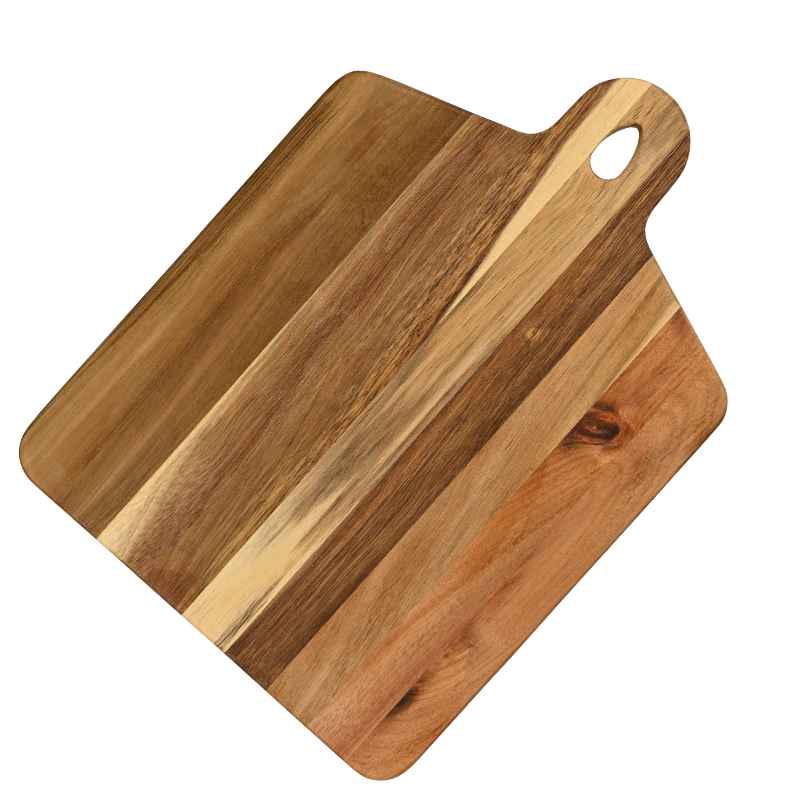
Can Wood Cutting Boards Go In The Dishwasher? Real Answer
It’s a question many of us ask while standing over a sink piled high with dishes. You’ve just finished prepping a delicious meal, and that trusty wooden cutting board is covered in bits of onion and garlic. The dishwasher seems like the easiest way to get it clean.
But can wood cutting boards actually go in the dishwasher? It’s a common thought, and the answer might surprise you.
Most wood cutting boards should not be put in the dishwasher. The high heat and prolonged moisture can damage the wood, causing it to warp, crack, or split. Handwashing is the recommended method for cleaning and maintaining your wooden cutting boards.
The Dishwasher Dilemma: Why Wood and Hot Water Don’t Mix
So, why is the dishwasher a no-go for your favorite wooden cutting board? It all comes down to two main culprits: heat and water. Dishwashers blast your dishes with very hot water.
They also use strong detergents. This combination is tough on wood. It’s much tougher than a quick hand wash.
Think about it like this. Wood is a natural material. It’s made of tiny fibers that hold moisture.
When you soak a wooden board for a long time, these fibers swell up. Then, when the dishwasher’s heat dries them out super fast, they shrink. This swelling and shrinking cycle is what causes all the trouble.
Warping and Cracking: The Visual Signs of Damage
The most common thing people notice first is warping. Your perfectly flat board might start to look a little warped. It can develop a bit of a curve.
This happens because the wood isn’t drying evenly. One side might get drier faster than the other.
Then, over time, you might see cracks appear. These are often small at first. But they can get bigger.
Cracks are not just unsightly. They can also harbor bacteria. This makes your board less safe for food prep.
It also makes it harder to clean properly down the line.
Splitting and Delamination: A Bigger Problem
Some wooden boards are made by gluing together different pieces of wood. This is especially true for butcher block style boards. The intense heat and water can break down that glue.
This leads to splitting or delamination. That means the layers of wood start to separate. This can ruin the board completely.
It’s a sad sight. You’ve probably had that board for years. It’s become a kitchen workhorse.
To see it fall apart because of one trip through the dishwasher is frustrating. Most people don’t realize the damage until it’s already done. That’s why knowing this upfront is so important.
The Harsh Reality of Dishwasher Detergents
Beyond the heat and water, dishwasher detergents themselves are harsh. They are designed to cut through grease and food particles. While that’s great for your plates and cutlery, it’s not so great for the natural oils in wood.
These detergents can strip away the wood’s natural protective oils.
These natural oils are what keep the wood from drying out too quickly. They also help repel moisture. When they are gone, the wood becomes more vulnerable.
It’s like stripping the paint off a wooden chair. It’s left exposed to the elements. This makes it more prone to damage.
Personal Experience: The Day I Ruined My Favorite Board
I remember it vividly. It was a Saturday afternoon. I had a recipe for homemade pasta.
I’d spent hours kneading dough. The wooden board was coated in a fine dusting of flour and sticky bits. My partner, bless his heart, was trying to help with cleanup.
He said, “Don’t worry, I’ll just toss this in the dishwasher.”
I was tired and didn’t think much of it. It was just one board, right? How much harm could it do?
I was so wrong. The next morning, I went to make breakfast. I pulled out the cutting board.
It was warped. A noticeable curve ran right down the middle. It felt rough to the touch.
There were tiny splinters on the edges. Panic set in. That board had been a gift.
It was beautiful and functional. Now, it looked like a sad, deformed piece of wood. I felt a pang of guilt, knowing I should have paid more attention.
It was a hard lesson learned in the power of hot water and dish soap on natural materials.
That experience stuck with me. It made me realize that some things just need a little extra care. Wood is one of them.
It’s not plastic or metal. It has its own needs. Forgetting those needs leads to damage.
And that damage is often permanent. It taught me to respect the material and treat it properly.
Handwashing: The Gentle Approach for Longevity
So, what’s the best way to clean your wood cutting board? It’s actually quite simple. You just need a little bit of warm water, mild dish soap, and a sponge or soft brush.
The key is to keep the washing time short.
Here’s how I do it: I rinse the board under warm running water. Then I apply a small amount of mild dish soap. I use a soft sponge to gently scrub away any food bits.
I pay attention to any stained areas. Sometimes a little baking soda paste can help lift stains. I rinse it thoroughly again.
The most important step is to dry it completely. I usually wipe it down with a clean kitchen towel right away. Then, I stand the board up on its edge.
This allows air to circulate around it. This helps it dry evenly and prevents moisture from being trapped. This takes just a few minutes, but it makes a world of difference.
This method ensures that the wood doesn’t get oversaturated. It also means the strong detergents aren’t sitting on the wood for too long. It’s a quick process.
It keeps the board in good condition for years to come. It’s a small effort for a big reward: a long-lasting, beautiful cutting board.
Quick Cleaning Checklist for Wood Boards
Rinse: Quick rinse under warm water.
Soap: Small amount of mild dish soap.
Scrub: Use a soft sponge or brush.
Rinse Again: Thoroughly wash away soap.
Dry Immediately: Towel dry completely.
Air Dry: Stand board on edge to dry fully.
Understanding Wood Grain and Its Impact
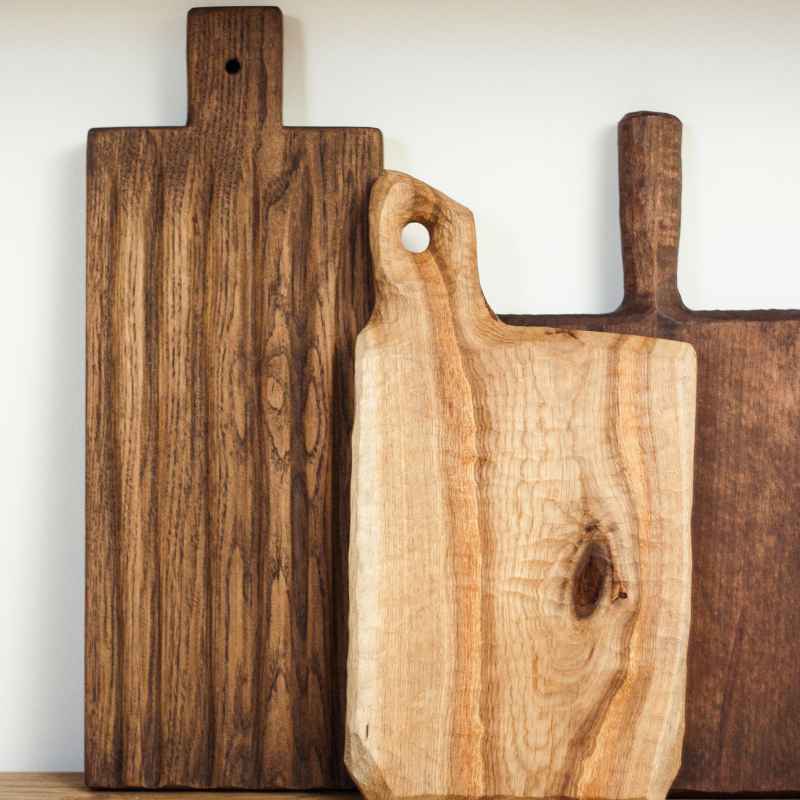
Not all wood cutting boards are created equal. The type of wood and how it’s constructed plays a role. There are two main types of wood boards: end-grain and edge-grain.
End-Grain Boards: The Self-Healing Wonders
End-grain boards are made by gluing together small blocks of wood. The grain runs perpendicular to the cutting surface. This means that when you cut into it, the knife edge glides between the wood fibers.
The fibers then close up around the cut. This is often called self-healing. It’s why end-grain boards are very gentle on knife edges.
Because of their construction, end-grain boards are generally more absorbent. They also take longer to dry. This makes them even more sensitive to dishwasher conditions.
The intense heat can cause the glue to fail more easily. It can also lead to more significant warping.
Edge-Grain Boards: The Sturdy Workhorses
Edge-grain boards are made by gluing long strips of wood together side by side. The grain runs parallel to the cutting surface. These boards are typically more durable and less expensive than end-grain boards.
They are also less prone to knife marks.
While edge-grain boards are a bit more robust, they are still susceptible to dishwasher damage. The heat and water can still cause the glue to weaken. They can also warp and crack, though perhaps not as dramatically as some end-grain boards.
Wood Board Types: A Quick Look
End-Grain:
- Construction: Small blocks glued together.
- Grain Direction: Perpendicular to cutting surface.
- Pros: Gentle on knives, self-healing.
- Cons: More expensive, more sensitive to moisture/heat.
Edge-Grain:
- Construction: Long strips glued side-by-side.
- Grain Direction: Parallel to cutting surface.
- Pros: Durable, less expensive, tougher.
- Cons: Can show knife marks, less gentle on knives.
What About Treated or Sealed Wood Boards?
Some people might think that if a wood board is sealed with a food-safe finish, it can go in the dishwasher. While a good finish offers some protection, it’s not foolproof. Most finishes are designed to repel water for normal use.
Dishwashers expose the wood to prolonged hot water immersion and steam. Even the best seal can eventually break down under these conditions. The heat can soften or even melt some sealants.
The water can seep in around the edges or through tiny imperfections.
So, while a sealed board might resist damage a little longer, it’s still a risky move. The long-term effects are usually negative. It’s best to avoid the dishwasher altogether for any wood cutting board, sealed or not.
The risk of damage outweighs the convenience.
Is There Ever an Exception? Very Rarely.
In my experience, and from what I’ve seen and learned, there are virtually no wood cutting boards that can safely go in a dishwasher. Some might survive one or two cycles without showing immediate, obvious damage. But the cumulative effect is still there.
The wood fibers are stressed. The glue is weakened. The natural oils are stripped.
Even if the board looks okay after a cycle, it’s likely on a path to early failure. It’s like smoking a cigarette; one might not kill you, but the long-term habit does.
If you have a very cheap, thin particle board “wood-like” cutting board, it might not matter as much. But for any quality wooden board made from hardwoods like maple, walnut, or bamboo, the dishwasher is the enemy. Protecting your investment means handwashing.
The Science of Bacteria and Wood
A common concern with wooden cutting boards is bacteria. Many people worry that wood is less sanitary than plastic. However, research has shown that wood can actually be quite hygienic, provided it’s cared for properly.
This is where the context of cleaning becomes crucial.
Wood’s Natural Defenses
Wood has natural antimicrobial properties. The dry nature of the wood, combined with its cellular structure, makes it difficult for bacteria to thrive. When you wash a wooden board and dry it thoroughly, most bacteria are killed or removed.
Tiny crevices in the wood can trap bacteria, but repeated cleaning and drying often mitigate this.
This is different from plastic. Plastic cutting boards can develop deep knife marks. These grooves are perfect breeding grounds for bacteria.
They are also harder to clean thoroughly. While plastic is non-porous, the scratches make it a potential problem area.
The Dishwasher’s Role in Bacteria Control (and why it backfires for wood)
The dishwasher is designed to kill bacteria with heat and detergent. So, it seems like it would be a good place for a cutting board. However, for wood, the damage it causes can create more problems than it solves.
When wood cracks or warps, new surfaces are exposed. These can become harder to clean. Bacteria can get trapped in these new fissures.
So, while the dishwasher might kill some bacteria on the surface, the damage it inflicts can create more hiding places for them later. Handwashing, on the other hand, allows for targeted cleaning. You can ensure you get into all the nooks and crannies.
Then, by drying and oiling, you maintain the wood’s natural defenses.
Maintaining Your Wood Board: Beyond Washing
Proper cleaning is just one part of keeping your wood cutting board in good shape. There are a few other things you can do to ensure it lasts a lifetime.
Oiling is Key: Keeping the Wood Hydrated
Wood needs to be oiled regularly. This is just like moisturizing your skin. Oiling keeps the wood hydrated.
It prevents it from drying out and cracking. It also helps repel water and stains. You should oil your board at least once a month, or more often if it looks dry.
What kind of oil? Food-grade mineral oil is a popular choice. It’s inexpensive and safe.
Some people also use fractionated coconut oil or beeswax-based conditioners. Avoid using vegetable oils like olive oil or canola oil. These can go rancid over time and make your board smell bad.
To oil your board, simply apply a generous amount of oil to the entire surface. Let it soak in for a few hours, or even overnight. Then, wipe off any excess oil with a clean cloth.
Your board will look richer and feel smoother.
Your Wood Board Care Kit
Mild Dish Soap: For everyday cleaning.
Soft Sponge or Brush: Gentle scrubbing power.
Clean Towels: For immediate drying.
Food-Grade Mineral Oil: For regular conditioning.
Optional: Beeswax Conditioner: For extra protection and shine.
Optional: Baking Soda: For lifting tough stains.
Dealing with Stains and Odors
Sometimes, even with careful washing, you might get stubborn stains or odors. For stains, a paste made of baking soda and water can work wonders. Apply it to the stain, let it sit for a few minutes, then scrub gently and rinse.
For odors, like garlic or onion, you can try rubbing half a lemon over the surface. The acidity helps neutralize odors. Let the lemon juice sit for a few minutes, then rinse and dry.
Some people also find that a light sanding with fine-grit sandpaper can help remove deep-set odors or stains. Just be sure to re-oil thoroughly afterward.
When to Consider Replacing Your Board
Despite your best efforts, some boards reach the end of their useful life. If your board is deeply cracked, warped beyond repair, or has areas that are impossible to clean, it’s time to let it go. These conditions can harbor bacteria and make food preparation unsafe.
It’s tough to say goodbye to a well-loved board. But safety and hygiene should always come first in the kitchen. A new board is an investment in your health and cooking experience.
What This Means for Your Kitchen Habits
Understanding that your wood cutting boards shouldn’t go in the dishwasher impacts your kitchen routine. It means dedicating a few extra minutes to cleaning. It means being mindful of how you store your boards.
For many, this shift in habit is simple. It’s about knowing the “why” behind the rule. Once you understand the damage the dishwasher can do, the handwashing process feels less like a chore and more like a necessary act of care.
It’s about preserving the tools you use every day.
Consider the other items in your kitchen. Cast iron pans aren’t washed in the dishwasher. Good knives aren’t put in the dishwasher.
Your wooden cutting boards fall into that same category of well-loved, specialized tools that require a bit of extra attention.
Real-World Scenarios and Common Mistakes
I’ve seen people try to “cheat” the system. They might put the board in the dishwasher on the top rack, hoping the heat isn’t as intense. Or they might try to wash it on a quick cycle.
In my experience, these attempts usually end in disappointment.
Another common mistake is leaving the board to air dry on the counter. If it’s not standing on its edge, moisture can get trapped. This can lead to mold or mildew, especially in humid climates.
It can also cause uneven drying and warping.
Think about the environment. In a very humid place like Florida, wood can absorb more moisture. This means you might need to oil your board more frequently.
In a very dry climate like Arizona, wood can dry out faster. Regular oiling is even more critical there.
When It’s Okay and When to Worry
When is a little bit of warping or a tiny crack okay? Honestly, with a properly cared-for wood board, these shouldn’t be common occurrences. Minor surface scratches from knives are normal and expected.
They are a sign of a board being used and loved.
You should start to worry if:
- The board warps significantly, making it unstable to use.
- Deep cracks appear that you can’t easily clean.
- The wood starts to feel rough or splintery all over.
- The board smells persistently bad, even after cleaning and deodorizing.
- The glue starts to separate the layers of wood.
These are all signs that the board is deteriorating. The dishwasher often accelerates these issues. It’s better to prevent them with proper care than to deal with the consequences of a damaged board.
Quick Fixes and Preventative Tips
The best way to deal with cutting board issues is to prevent them. Here are some quick tips:
- Always handwash: Make this your golden rule.
- Dry immediately: Never let a wet wood board sit.
- Oile regularly: Keep it moisturized with food-grade oil.
- Store properly: Stand it on its edge to allow air circulation.
- Use dedicated boards: Have separate boards for raw meat and produce if possible. This is a hygiene best practice.
If you do notice a small crack, try filling it with a food-safe wood filler or a beeswax blend. This can help prevent it from worsening and keep it from trapping food particles. Then, be extra diligent with oiling that area.
Frequently Asked Questions About Wood Cutting Boards and Dishwashers
Can bamboo cutting boards go in the dishwasher?
Bamboo cutting boards are technically wood, but they are often more dense and less porous than traditional hardwoods. While some manufacturers might claim they are dishwasher safe, it’s still not ideal. The high heat and prolonged moisture can still cause bamboo to warp, crack, or delaminate over time. Handwashing is always the safer bet for extending the life of your bamboo board.
How often should I oil my wood cutting board?
You should aim to oil your wood cutting board at least once a month. If your board looks dry, feels rough, or water starts soaking into it quickly instead of beading up, it’s time for an oiling. In very dry climates or with heavy use, you might need to oil it more often.
Can I use olive oil to condition my wood cutting board?
It’s best not to use olive oil or other common cooking oils (like vegetable or canola oil) to condition your wood cutting board. These oils can go rancid over time, which can lead to a foul smell and sticky residue on your board. Food-grade mineral oil, fractionated coconut oil, or specialized wood board conditioners are much better choices.
How do I remove deep knife marks from my wood cutting board?
For deep knife marks, you can try lightly sanding the surface of your wood cutting board with fine-grit sandpaper (around 150-220 grit). Sand in the direction of the wood grain. Once you’ve smoothed out the marks, be sure to clean the board thoroughly and then re-oil it generously. This process should be done sparingly, as it does remove wood.
What is the best wood for cutting boards?
Hardwoods like maple, walnut, cherry, and teak are generally considered the best woods for cutting boards. They are dense, durable, and less likely to absorb moisture or harbor bacteria. Bamboo is also a popular choice due to its hardness and sustainability, though it can be harder on knife edges than traditional hardwoods.
Can I use bleach on my wood cutting board?
Using bleach on wood cutting boards is generally not recommended. While it can kill bacteria, it’s a harsh chemical that can dry out and damage the wood. It can also leave behind residues that are not food-safe. For sanitizing, try a dilute white vinegar solution or a dedicated food-safe sanitizer after thorough cleaning.
Conclusion: Cherish Your Wood, Handwash With Care
So, there you have it. The short answer is no, your wood cutting board should not go in the dishwasher. The long-term damage from heat and moisture is simply not worth the convenience.
By committing to handwashing and a little bit of regular care, you can ensure your wooden cutting boards remain safe, beautiful, and functional for years to come. It’s a small effort that protects your kitchen tools and your cooking experience.
Sponsored / affiliate links. As an Amazon Associate I earn from qualifying purchases. I may earn additional commission from eligible campaigns.