Do Bidet Attachments Work? What They Do, What They Don’t, and What to Check
Bidet attachments work for their core job, rinsing with water after using the toilet, but they are not a full replacement for every function of a standalone electric bidet seat, and their real-world performance depends heavily on your home’s water pressure and temperature setup. A basic non-electric attachment can noticeably reduce toilet paper use and improve cleanliness for most people, but it will not warm the water, dry you, or offer the adjustable settings a powered unit does. This guide covers what these attachments actually do, their real limits, and what to check before buying one.
How a non-electric attachment actually works
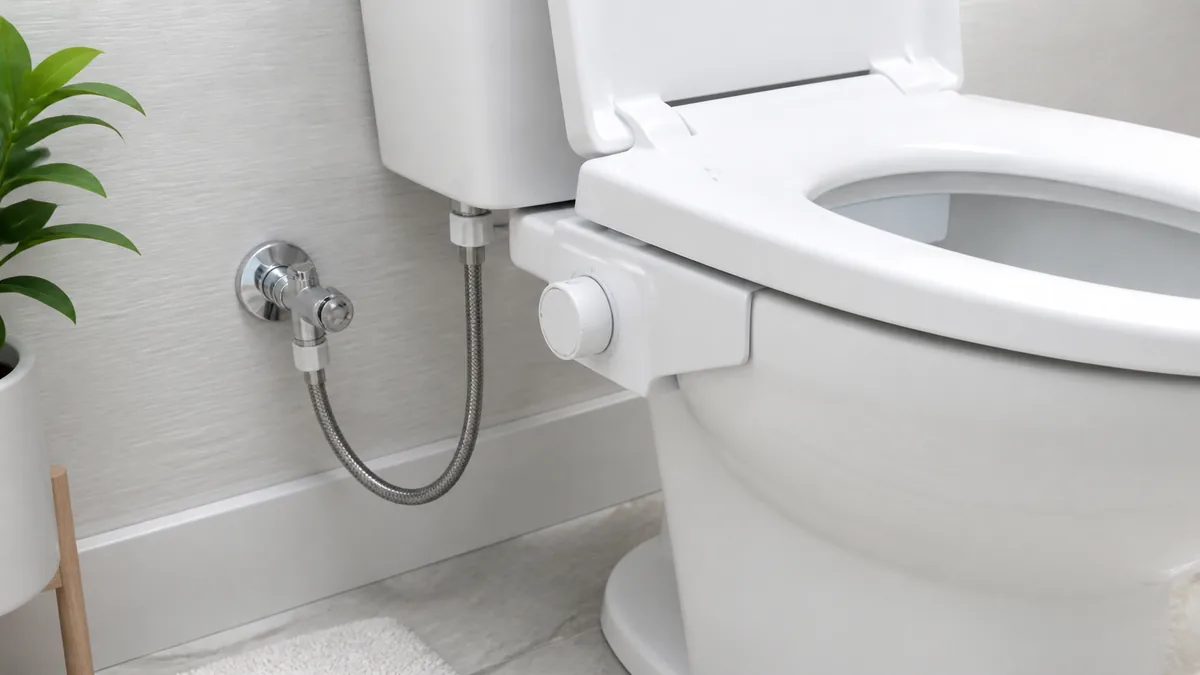
A basic bidet attachment mounts between the toilet bowl and the existing seat, tapping into the toilet’s cold water supply line through a T-valve at the shutoff. A side-mounted knob or lever controls water pressure and, on dual-nozzle models, switches between a rear wash and a feminine wash setting. Because it draws directly from the household cold line, water pressure and temperature match whatever comes out of your bathroom faucet, unheated and at line pressure, which is why the experience varies more by house than by which brand of attachment you buy.
What they don’t do compared to an electric seat
A non-electric attachment has no heated water tank, no warm air dryer, no heated seat, and no remote control or adjustable nozzle position beyond the basic pressure dial. Electric bidet seats, which replace the entire toilet seat and need a nearby outlet, add all of these features along with finer spray pattern and pressure control. If warm water or drying is the main appeal for you, a non-electric attachment will likely feel incomplete, since cold water in winter is the most common complaint from first-time users.
What to check before buying one
Confirm your toilet has an accessible shutoff valve and enough clearance under the tank for the T-valve connector, since older toilets or tight bathroom layouts sometimes lack the room. Check your existing seat shape (round or elongated) since toilet seat sizing is not universal and an attachment needs to match your bowl’s shape to sit flush without gaps. Water pressure matters too: very low household pressure can leave the spray weak, while very high pressure needs the attachment’s regulator to bring it down to a comfortable range.
Installation and maintenance realities
Most non-electric attachments install in under 30 minutes with basic hand tools, no plumber required, since they use compression fittings rather than soldered connections. The main maintenance point is the nozzle, which should be wiped down periodically since it sits inside the bowl area and can accumulate mineral deposits from hard water over time. Self-cleaning nozzle designs that rinse themselves before and after use reduce this upkeep but do not eliminate it entirely.
Frequently Asked Questions
Do bidet attachments cause plumbing problems?
Properly installed attachments with a secure T-valve connection do not cause plumbing issues. Leaks usually trace back to an improperly tightened compression fitting rather than a flaw in the attachment itself, so checking connections after the first few flushes is worth doing.
Can I get warm water without an electric bidet seat?
Some non-electric attachments include a small onboard reservoir that holds a limited amount of water warmed by ambient room temperature, or you can plumb the attachment into a nearby hot water line if one is accessible, though this adds installation complexity.
Will a bidet attachment fit any toilet?
Most attachments fit standard two-piece toilets with a conventional seat bolt pattern. One-piece toilets with unusual seat mounting hardware or wall-hung toilets sometimes need a specific compatible model, so checking bowl shape and mounting hole spacing beforehand avoids a return.
Sponsored / affiliate links. As an Amazon Associate I earn from qualifying purchases. I may earn additional commission from eligible campaigns.
 Electric Bidet Toilet Seat Elongated, Toilet Bidet Seat with Side Control Panel & Automatic Deodorization, Self-Clean Nozzle, Soft Close Lid, LCD Display Night Light, Air Drying for Two-piece Toilet
 Smart Bidet Toilet Seat with Remote, Adjustable Heated Seat&Air Dryer, Endless Instant Warm Water, Multiple Spray Modes, Stainless Steel Nozzle, Soft Close, Deodorizer, 3D Curved(AMZ-US-NKH3101-NA)