Do Bifold Doors Need A Bottom Track: Essential Guide
Yes, bifold doors absolutely need a bottom track! It’s crucial for smooth operation, stability, and proper alignment. Without it, your doors won’t glide correctly, can become misaligned, and may even fall off their hinges. This guide will explain why and how.
Are you looking at installing bifold doors or perhaps troubleshooting ones that aren’t working quite right? It’s a common question for many DIYers: “Do bifold doors need a bottom track?” The simple answer is a resounding yes! Think of the bottom track as the stage for your bifold doors to perform on. Without it, they can’t glide smoothly or stay perfectly aligned. This guide is here to break down exactly why that bottom track is so important and what you need to know. We’ll cover everything from its function to different types and how to ensure yours is working perfectly, making your DIY project a success!
Why Bottom Tracks Are Essential for Bifold Doors
Imagine a train without its rails. That’s essentially what a bifold door system is without a bottom track. The track is more than just a piece of metal; it’s the foundation that ensures your doors operate beautifully and reliably.
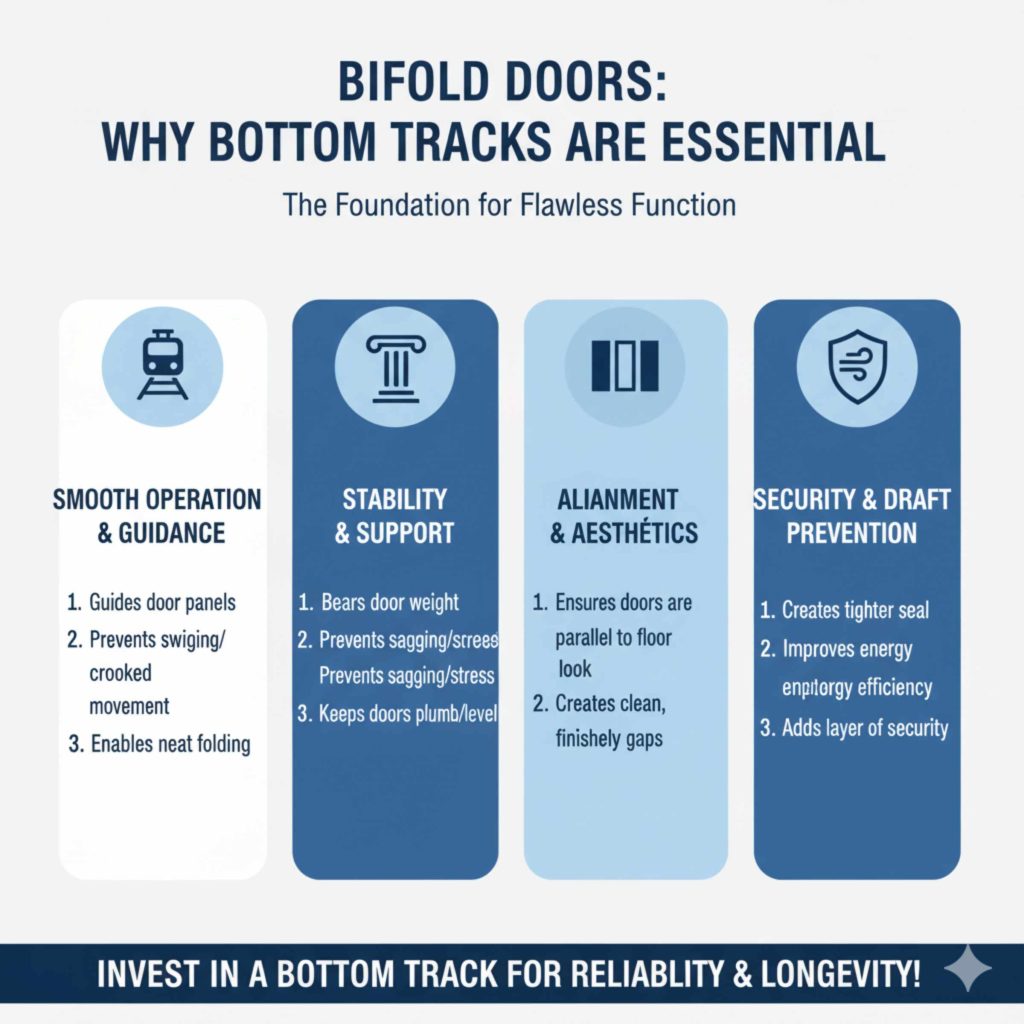
Smooth Operation and Guidance
The primary role of the bottom track is to guide the bottom of the bifold door panels. As you open and close the doors, the rollers or guides at the bottom of each panel engage with the track. This engagement prevents the doors from swinging wildly or becoming crooked. It’s this controlled movement that allows the panels to fold neatly against each other and slide smoothly into their open position. Without this guiding element, the doors would be unstable and difficult to manage.
Stability and Support
Bifold doors, especially larger ones, can be quite heavy. The bottom track provides crucial support, bearing a significant portion of the door’s weight. This support prevents the doors from sagging or putting undue stress on the top hinges and frame. A well-installed bottom track ensures the doors remain plumb and level, contributing to their longevity and preventing structural issues over time.
Alignment and Aesthetics
For bifold doors to look their best, they need to be perfectly aligned. The bottom track helps maintain this alignment. It ensures that the bottom edges of the doors are parallel to the floor and that the panels fold together neatly. This not only makes the doors function better but also contributes to a clean, finished look in your home. Gaps or misalignments can be unsightly and can also lead to drafts or light leakage.
Security and Draft Prevention
A well-fitted bottom track helps create a tighter seal when the doors are closed. This can improve energy efficiency by reducing drafts and making your space more comfortable. It also adds a layer of security, as it makes it harder for the doors to be forced open from the outside.
How Bifold Door Bottom Tracks Work
Understanding the mechanics behind the bottom track can demystify its importance. The system typically involves a few key components working in harmony.
The Track Itself
The track is usually a metal channel, often made of aluminum or steel, designed to be mounted to the floor or threshold. It has a specific profile that accommodates the rollers or guides attached to the bottom of the bifold door panels. The shape of the track is engineered to keep the rollers within its boundaries, preventing them from derailing.
Rollers and Guides
Attached to the bottom of each bifold door panel are rollers or guides. These can be simple plastic or metal glides that sit within the track, or they might be small wheels. These components are designed to fit snugly within the track’s channel. As the doors are moved, these rollers glide along the surface of the track, allowing for smooth, effortless movement.
The Interaction
When you push or pull a bifold door, the rollers at the bottom engage with the track. The track’s design ensures that the door moves in a straight line and folds correctly. The top of the door is usually supported by a top track, but the bottom track provides the crucial lateral stability and controlled movement.
Types of Bottom Tracks for Bifold Doors
Not all bifold door systems are created equal, and neither are their bottom tracks. The type of track you’ll encounter often depends on the style of the bifold door and its intended application.
Surface-Mounted Tracks
These are the most common type for interior bifold doors. They are designed to be installed directly onto the surface of an existing floor or threshold. This method is generally simpler to install as it doesn’t require cutting into the subfloor.
Pros: Easy to install, less disruptive to existing flooring, suitable for most DIYers.
Cons: Can be a tripping hazard if not installed carefully, may not be as aesthetically pleasing as recessed tracks, can be harder to clean around.
Recessed Tracks
Recessed tracks are installed into a groove cut into the floor. This creates a flush finish, meaning the track is level with the surrounding floor. This offers a cleaner look and eliminates the tripping hazard associated with surface-mounted tracks.
Pros: Aesthetically pleasing, flush with the floor, reduces tripping hazards.
Cons: Requires more complex installation, including cutting into the floor, which can be challenging for beginners.
Threshold Tracks
These are often used for exterior bifold doors or where a more robust and weather-resistant solution is needed. They are designed to integrate with a door threshold, providing a solid base and a good seal against the elements.
Pros: Durable, good for exterior applications, can provide a better seal.
Cons: Can be more expensive, installation might be more involved.
Sliding Door Tracks vs. Bifold Tracks
It’s important to distinguish bifold door tracks from those used for standard sliding doors. While both guide a door, bifold door tracks are specifically designed to accommodate the folding action of multiple panels. They often have a wider channel or a different profile to manage the way panels pivot and slide past each other. Standard sliding door tracks typically guide a single panel or two panels that meet in the middle, without the complex folding.
Factors to Consider When Choosing a Bottom Track
When selecting a bottom track for your bifold doors, a few key factors will help you make the right choice for your project.
Door Weight and Size
Heavier and larger bifold doors will require a more robust track system. Look for tracks made from durable materials like heavy-gauge aluminum or steel. The track’s profile should be wide enough to comfortably accommodate the door’s bottom rollers or guides without binding.
Material and Durability
The material of the track is crucial for its lifespan. Aluminum is a popular choice because it’s lightweight, corrosion-resistant, and strong. Steel tracks offer superior strength but can be heavier and more prone to rust if not properly treated. For exterior doors, ensure the material is weather-resistant.
Ease of Installation
As a DIYer, ease of installation is a significant consideration. Surface-mounted tracks are generally the easiest to install, requiring only screws. Recessed tracks demand more advanced skills and tools, such as a router or circular saw, to create the groove.
Aesthetics and Finish
Consider how the track will look in your space. A recessed track offers a seamless look, while a surface-mounted track might be visible. Many tracks come in various finishes, such as clear anodized, brushed nickel, or black, allowing you to match your hardware and decor.
Budget
The cost of bottom tracks can vary widely based on material, design, and brand. Simple surface-mounted aluminum tracks are typically the most affordable, while custom or heavy-duty recessed systems can be significantly more expensive.
Installation Guide: Do Bifold Doors Need a Bottom Track? Yes, Here’s How!
Installing a bottom track is a critical step in fitting your bifold doors. While specific instructions can vary by manufacturer, here’s a general guide. Always refer to your door manufacturer’s installation manual for precise details.
Tools and Materials You’ll Need
Bifold door kit (including doors, hinges, top and bottom hardware)
Bottom track (appropriate for your door system)
Measuring tape
Pencil
Drill with appropriate drill bits
Screwdriver bits or screwdriver
Level
Utility knife (for cutting carpet if necessary)
Optional: Router or circular saw (for recessed tracks)
Safety glasses
Step-by-Step Installation for Surface-Mounted Tracks
1. Prepare the Opening: Ensure the door opening is square and plumb. Clean the floor where the track will be installed. If you have carpet, you might need to trim it slightly for a flush fit.
2. Position the Track: Place the bottom track in the desired location, typically at the center of the door opening’s width. Ensure it’s parallel to the door jambs.
3. Mark Pilot Holes: With the track in place, use a pencil to mark the screw hole locations through the track onto the floor.
4. Drill Pilot Holes: Remove the track and drill pilot holes at your marked locations. The size of the pilot hole should be slightly smaller than the screws you’ll be using.
5. Secure the Track: Place the track back over the pilot holes and use your drill or screwdriver to fasten it securely to the floor with the provided screws. Ensure the track is level.
6. Install Bottom Guides/Rollers on Doors: Attach the bottom guides or rollers to the bottom of your bifold door panels according to the manufacturer’s instructions.
7. Insert Doors into Track: Carefully lift each bifold door panel and insert its bottom guide/roller into the track. You might need to lift the top of the door slightly to engage the top track or pivot system.
Step-by-Step Installation for Recessed Tracks (Overview)
1. Mark the Groove: Carefully measure and mark the precise width and depth for the track to be recessed into the floor. This often requires consulting the track’s specifications.
2. Cut the Groove: Using a router or circular saw with a guide, carefully cut the groove into the floor. Ensure the cut is accurate for a snug fit.
3. Prepare the Groove: Clean out any debris from the groove.
4. Install the Track: Fit the track into the groove. It should sit flush with the surrounding floor.
5. Secure the Track: Secure the track from underneath if possible, or through the track itself if pre-drilled holes are provided.
6. Install Door Hardware: Attach the bottom guides/rollers to the doors.
7. Insert Doors: Carefully insert the door panels into the recessed track.
Common Issues and Troubleshooting with Bifold Door Bottom Tracks
Even with a bottom track, you might encounter a few hiccups. Here’s how to address them.
Doors Sticking or Dragging
Cause: Debris in the track, bent track, or misaligned rollers.
Solution: Clear the track of any dirt, dust, or small objects. Check if the track is bent or damaged; if so, it may need to be straightened or replaced. Ensure the rollers on the bottom of the doors are clean and spinning freely.
Doors Not Folding Properly
Cause: The bottom track might be too narrow, the rollers might be worn out, or the doors themselves might be warped.
Solution: Verify that the track is the correct type and width for your doors. Inspect the rollers for wear and tear and replace them if necessary. Check if the door panels are warped; this is a more complex issue that might require door replacement.
Doors Jumping Off the Track
Cause: Track is not level, track is damaged, or rollers are not properly seated.
Solution: Ensure the track is securely fastened and perfectly level. Inspect the track for any cracks or damage that could allow the rollers to escape. Make sure the bottom guides/rollers are correctly installed on the doors and are sitting firmly within the track.
Noisy Operation
Cause: Dry rollers, debris in the track, or worn-out hardware.
Solution: Lubricate the rollers and the track with a silicone-based lubricant (avoid oil-based lubricants as they can attract dirt). Clean the track thoroughly. If the noise persists, inspect the rollers and hinges for wear; they might need replacement.
Maintenance Tips for Your Bifold Door Bottom Track
Regular maintenance will ensure your bifold doors continue to operate smoothly for years to come.
Regular Cleaning
Frequency: Weekly or bi-weekly, depending on usage and environment.
Method: Vacuum the track to remove dust and debris. For stubborn dirt, use a damp cloth and a mild detergent. Ensure the track is completely dry before using the doors.
Lubrication
Frequency: Every 3-6 months, or as needed if you notice increased friction.
Method: Apply a silicone-based spray lubricant to the rollers and the inside of the track. Wipe away any excess lubricant to prevent dirt buildup. You can find great options at most hardware stores.
Inspection
Frequency: Every 6-12 months.
Method: Visually inspect the track for any signs of damage, such as dents, cracks, or warping. Check that all screws are tight and that the track remains level. Inspect the rollers on the doors for wear and tear.
Professional Check-ups
Frequency: Every few years, or if you encounter persistent issues.
Method: For complex problems or if you’re unsure about maintenance, consider hiring a professional. They can identify and fix issues you might miss, ensuring the longevity of your bifold door system.
External Resources for Further Learning
To deepen your understanding of door hardware and installation, consider these authoritative resources:
U.S. Department of Energy – Energy Efficiency: Learn about the benefits of well-sealed doors and windows for energy savings. Understanding how your doors contribute to home efficiency can be motivating. Energy.gov
National Association of Home Builders (NAHB): The NAHB provides valuable resources and research on home building and renovation best practices. Their insights can offer a broader perspective on home improvement projects. NAHB.org
* Building Codes and Standards: Familiarize yourself with local building codes related to door installations. Resources like the International Code Council (ICC) offer information on building safety standards.
FAQ About Bifold Door Bottom Tracks
Do all bifold doors use a bottom track?
Yes, virtually all bifold door systems require a bottom track or a similar guiding mechanism at the floor level. This track is essential for stability, smooth operation, and proper alignment of the folding panels.
Can I install bifold doors without a bottom track?
No, it is not recommended or practical to install bifold doors without a bottom track. Doing so would result in unstable doors that are difficult to operate, prone to misalignment, and could even pose a safety hazard.
What is the difference between a top track and a bottom track for bifold doors?
The top track usually supports the weight of the door and guides the top of the panels, often with hinges or pivots. The bottom track, on the other hand, guides the bottom of the panels, providing lateral stability and ensuring the doors fold and slide correctly. While the top track bears most of the weight, the bottom track is critical for controlled movement and alignment.
How do I clean a bifold door bottom track?
Cleaning is simple: vacuum out loose debris, then wipe the track with a damp cloth and mild detergent. Ensure it’s dry afterward. Regular cleaning prevents sticking and smooths operation.
Can I paint or refinish a metal bottom track?
Yes, you can paint most metal bottom tracks to match your decor, but proper preparation is key. Clean the track thoroughly, lightly sand it to create a surface for adhesion, apply a metal primer, and then finish with a durable paint suitable for metal. Ensure you do not obstruct the track’s channel where the rollers move.
What happens if my bifold door track is damaged?
A damaged track can cause doors to stick, bind, or even come off their guides. Depending on the damage, you might be able to repair minor bends. However, significant damage like cracks or severe warping usually requires replacing the entire track for proper door function and safety.
Conclusion: Your Bifold Doors Deserve a Track
So, to circle back to our main question: do bifold doors need a bottom track? The answer is a definitive and enthusiastic yes! That bottom track is the unsung hero of your bifold door system, ensuring they glide smoothly, stay stable, and look their best. Whether you’re installing new doors or troubleshooting existing ones, understanding the role and importance of the bottom track is key to a successful and satisfying outcome. By choosing the right track, installing it carefully, and performing regular maintenance, you can enjoy the beauty and functionality of your bifold doors for years to come. Don’t let a missing or faulty bottom track be the weak link in your home improvement project. With the right knowledge and a little bit of DIY spirit, you can ensure your bifold doors operate flawlessly. Happy building!