Understanding Water Softeners and Their Role
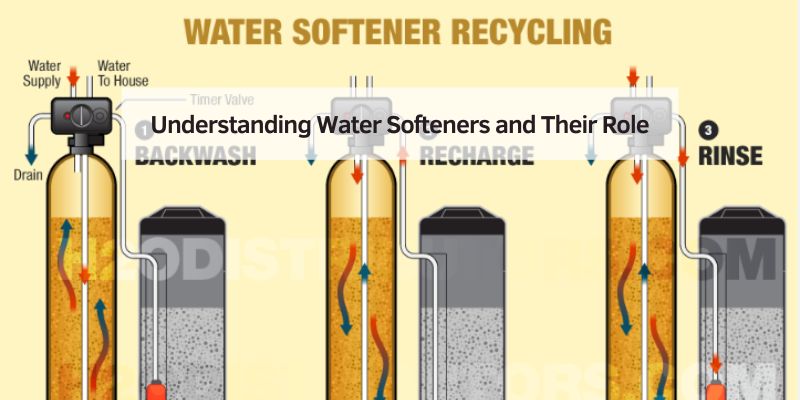
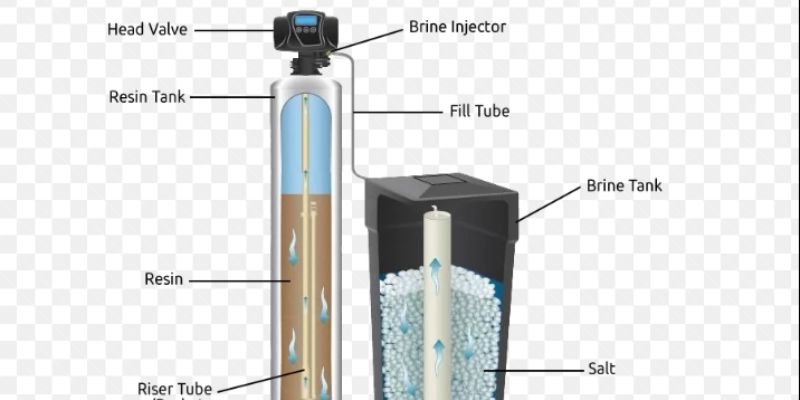
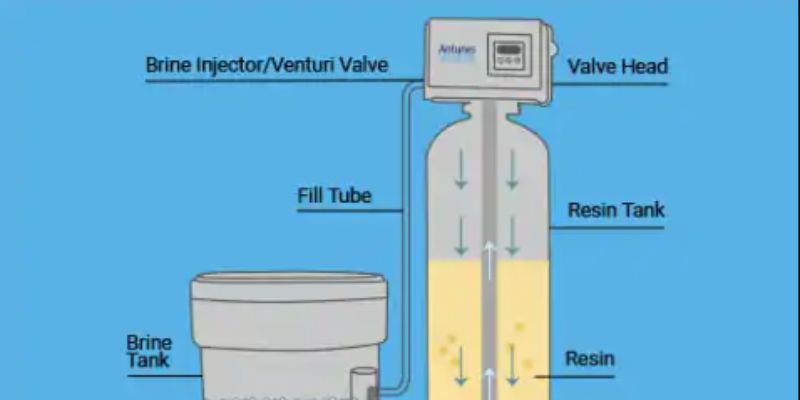
Let’s start with the basics. A water softener is a device that removes minerals like calcium and magnesium from your water. These minerals cause hard water, which can leave spots on your dishes, clog your pipes, and make your skin feel dry. I remember the first time I noticed those white, crusty deposits on my faucets—it was a clear sign my water was hard. A water softener uses a process called ion exchange to swap out those pesky minerals for sodium or potassium ions, leaving your water softer and easier on your home.
But here’s where things get tricky: iron isn’t the same as calcium or magnesium. Iron is a different kind of problem in your water. It can cause reddish-brown stains on your fixtures, laundry, and even your hair. I’ve seen my white towels turn a faint orange over time, and it wasn’t pretty. So, can a water softener handle iron? The short answer is: sometimes, but not always. It depends on the type of iron, how much is in your water, and the kind of water softener you have. Let’s break it down.
Types of Iron in Your Water
Before we get into whether a water softener can remove iron, you need to know there are different types of iron in water. I learned this the hard way when I thought my water softener would solve all my problems, only to find those rusty stains still showing up.
- Ferrous Iron (Dissolved Iron): This is iron that’s dissolved in your water, also called “clear water iron.” You can’t see it when the water comes out of the tap, but it can turn rusty when exposed to air. I noticed this when my water looked clear in a glass but left stains after sitting for a while.
- Ferric Iron (Particulate Iron): This is iron that’s already oxidized and visible as tiny rust particles. It makes your water look cloudy or reddish right away. I saw this in my well water during heavy rain seasons.
- Organic Iron (Bacterial Iron): This is iron mixed with bacteria, forming a slimy, tough-to-remove mess. I dealt with this once, and it clogged my pipes like nobody’s business.
Each type of iron behaves differently, and not all water softeners can handle them equally. Knowing what’s in your water is the first step to fixing the problem.
How Water Softeners Handle Iron
So, does a water softener remove iron? Let’s get into the nitty-gritty. Most standard water softeners are designed to remove ferrous iron, the dissolved kind, through ion exchange. The resin beads in the softener trap the iron ions, just like they do with calcium and magnesium. I was thrilled when my softener reduced the iron in my water enough to stop those orange stains on my laundry. But there’s a catch.
Water softeners can only handle small amounts of ferrous iron—usually up to 2-5 parts per million (ppm). If your water has more iron than that, the resin beads can get overwhelmed and clogged. I learned this when my softener started losing efficiency, and I had to clean it more often. If your water has ferric iron or organic iron, a standard water softener won’t cut it. Those types need special equipment, which I’ll talk about later.
Here’s a quick table to show what a water softener can and can’t do with iron:
| Type of Iron | Can a Water Softener Remove It? | Notes |
|---|---|---|
| Ferrous Iron | Yes, in low amounts (2-5 ppm) | Works via ion exchange, but high levels can clog the system. |
| Ferric Iron | No | Needs a filter to remove particles before softening. |
| Organic/Bacterial Iron | No | Requires specialized treatment, like chlorination or oxidation systems. |
When a Water Softener Isn’t Enough
I thought my water softener was a magic fix, but I was wrong. If your water has high levels of iron or the wrong type, you’ll need more than a softener. For example, ferric iron needs a sediment filter or a dedicated iron filter to catch those rusty particles before they hit your softener. I Installed a pre-filter on my system, and it made a huge difference in keeping my softener working properly.
Organic iron is even trickier. It’s often tied to bacteria, which can form a slimy coating that clogs your softener’s resin bed. I had to call a professional to shock my well with chlorine to tackle this issue. If your water smells bad or feels slimy, you might have organic iron, and a water softener alone won’t solve it.
For high levels of ferrous iron (above 5 ppm), you might need an iron removal system, like an air injection or greensand filter. These systems oxidize the iron, turning it into particles that can be filtered out. I switched to an air injection system for my well water, and it was a game-changer for keeping my water clear and stain-free.
Testing Your Water for Iron
You can’t fix what you don’t understand, so testing your water is key. I bought a home water test kit from a local hardware store to check for iron and hard water minerals. It showed me I had about 3 ppm of ferrous iron, which my water softener could handle, but I still needed a pre-filter for occasional ferric iron. If you want to be thorough, send a sample to a lab for a detailed report. It’ll tell you the exact iron levels and types, plus other contaminants like manganese, which can act like iron.
Here’s a tip: test your water every year, especially if you have a well. I learned this after a heavy rain increased the iron in my water, and my softener struggled to keep up. Knowing your water’s chemistry helps you choose the right equipment and avoid costly mistakes.
Choosing the Right Water Softener for Iron
Not all water softeners are created equal. If you’re dealing with iron, you need a softener designed to handle it. Look for models labeled as “iron-reducing” or “dual-stage” systems. These often have special resin beds or built-in filters to tackle low levels of ferrous iron. I upgraded to a softener with an iron-specific resin, and it worked wonders for my water quality.
Here are some things to consider when picking a water softener for iron removal:
- Iron Capacity: Check the softener’s iron removal rating, usually listed in ppm. Mine handles up to 3 ppm, which is perfect for my well.
- Regeneration Cycle: Softeners need to regenerate (clean themselves) with salt or potassium. Frequent regeneration helps remove trapped iron. I set mine to regenerate every few days to keep it efficient.
- Pre-Filtration: If you have ferric iron, pair your softener with a sediment filter. I added a 5-micron filter, and it catches particles before they reach my softener.
- Maintenance: Iron can shorten the life of your resin bed. Look for a softener with easy maintenance features, like a replaceable resin tank. I clean mine every six months to keep it running smoothly.
Combining Systems for Better Iron Removal
Sometimes, a water softener needs a partner to get the job done. I found that combining my softener with an iron filter was the best way to tackle both hard water and iron. Here are some common setups I’ve explored:
- Iron Filter + Water Softener: An iron filter oxidizes ferrous iron into ferric iron and traps it before the water reaches your softener. This protects the resin bed and improves efficiency. I use an air injection filter, which is low-maintenance and effective.
- Whole-House Filter + Softener: A whole-house filter catches sediment, ferric iron, and other particles. I added one to my system, and it keeps my softener from clogging.
- Reverse Osmosis for Drinking Water: If you’re worried about iron in your drinking water, a reverse osmosis system can remove it along with other contaminants. I installed one under my kitchen sink, and my water tastes amazing now.
Combining systems can be pricey, but it’s worth it for clean, safe water. I spent a lot of time researching to find the right setup for my home, and it’s paid off in fewer stains and better water quality.
Maintenance Tips for Your Water Softener
If your water softener is dealing with iron, it needs extra care. Iron can build up in the resin bed, reducing its effectiveness. Here’s what I do to keep my system in top shape:
- Use Iron-Cleaning Additives: I add a resin bed cleaner to my salt tank every few months. It helps remove iron buildup and keeps the system running smoothly.
- Check Salt Levels: Low salt means your softener can’t regenerate properly. I check my salt tank monthly and top it up with high-quality water softener salt.
- Clean the Brine Tank: Iron can leave sludge in the brine tank. I clean mine every six months to prevent clogs.
- Test Water Regularly: Even with a softener, iron levels can change. I test my water yearly to catch any issues early.
Taking care of your water softener is like maintaining a car—it lasts longer and works better with regular attention.
Benefits of Removing Iron from Your Water
Why go through all this trouble? Because iron removal makes a big difference. Here’s what I noticed after getting my iron under control:
- Cleaner Fixtures: No more rusty stains on my sinks, toilets, or laundry. My bathroom looks spotless now.
- Better Tasting Water: Iron can give water a metallic taste. My coffee and tea taste so much better now.
- Longer Appliance Life: Hard water and iron can damage water heaters, dishwashers, and washing machines. My appliances are running better since I fixed my water.
- Softer Skin and Hair: Iron and hard water can dry out your skin and hair. My showers feel so much better now.
It’s not just about looks—it’s about protecting your home and health. I wish I’d tackled my iron problem sooner.
My Experience with Iron and Water Softeners
When I first moved into my home, I didn’t realize how much iron and hard water were affecting my life. The stains, the taste, the constant cleaning—it was exhausting. I started with a basic water softener, thinking it would solve everything. It helped with the hard water, but the iron was still a problem. After testing my water and upgrading my system with an iron filter and pre-filter, I finally got it right. Now, my water is clear, my fixtures are clean, and I don’t dread doing laundry anymore.
If you’re dealing with iron, don’t give up. Test your water, choose the right equipment, and maintain it well. It’s a bit of work, but it’s worth it for clean, safe water in your home.
Conclusion
So, does a water softener remove iron? Yes, it can remove small amounts of ferrous iron, but it’s not a cure-all. For high iron levels or tricky types like ferric or organic iron, you’ll need extra help from filters or specialized systems. I’ve been through the trial and error, and I can tell you that understanding your water and choosing the right setup makes all the difference. Test your water, pick a system that fits your needs, and keep it maintained. You’ll love the results—cleaner fixtures, better-tasting water, and a happier home. If you’re still unsure, reach out to a water treatment professional or start with a simple test kit. Your water deserves it, and so do you.
FAQs
Can a water softener remove all types of iron?
No, a water softener can only handle ferrous iron in low amounts (2-5 ppm). Ferric iron and organic iron need additional filters or treatment systems, like an iron filter or chlorination.
How do I know if I have iron in my water?
Look for reddish-brown stains on sinks, toilets, or laundry. Your water might taste metallic or look cloudy. I recommend using a home test kit or sending a sample to a lab for a full analysis.
Will a water softener get rid of rusty stains?
If the stains are caused by ferrous iron and the levels are low, a water softener can help. For ferric iron or high iron levels, you’ll need a pre-filter or iron removal system to stop the stains.
How often should I maintain my water softener if I have iron?
I clean my softener’s resin bed every six months with a cleaner and check the salt monthly. If you have high iron, you might need to clean it more often to prevent buildup.
Can I use a water softener with well water?
Yes, but well water often has iron or other contaminants. I use a pre-filter and iron filter with my water softener to handle my well water’s iron and sediment.