Does Tea Light Candles Float In Water? Essential Guide
Quick Summary:
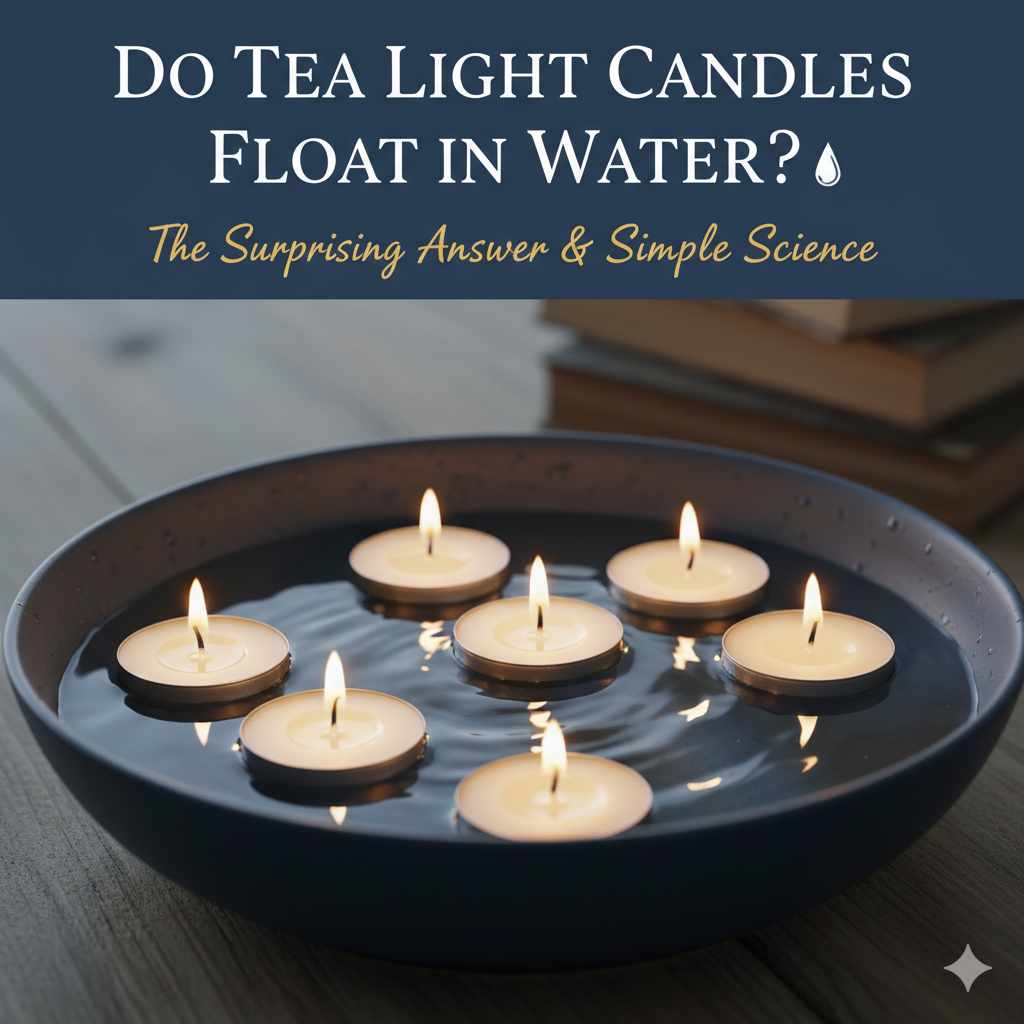
Yes, standard tea light candles absolutely float in water! Their construction, primarily wax and a metal cup, makes them less dense than water, allowing them to buoyancy and stay afloat. This guide explains why and how to use them safely.
Ever found yourself wondering if those little tea light candles will bob around on the water’s surface, or if they’ll just sink to the bottom? It’s a common question, especially when you’re planning a decorative centerpiece or a relaxing bath with a bit of ambiance. You want that soft glow to enhance your space, not create a soggy mess! The good news is, you can relax. We’re going to dive into exactly why tea lights behave the way they do in water and how you can use them for beautiful, floating displays.
Think of it like this: when you put certain objects in water, they either sink or float. This depends on how heavy they are compared to the same amount of water. We call this “density.” Objects that are less dense than water will float, while those that are denser will sink. Tea light candles are designed with this principle in mind, and understanding it makes using them so much more enjoyable and creative.
This guide will break down the science behind why tea lights float, explore the materials they’re made from, and give you plenty of ideas on how to create stunning, water-based candle displays. We’ll cover everything you need to know, from choosing the right tea lights to ensuring your creations are safe and beautiful. Let’s get started on making your home shine!
Why Do Tea Light Candles Float? The Science Explained
The magic behind why tea light candles float in water is all about their density. Density is a measure of how much “stuff” (mass) is packed into a certain amount of space (volume). If an object is less dense than the liquid it’s placed in, it will float. If it’s denser, it will sink.
Tea lights are made of a few key components, each playing a role in their buoyancy:
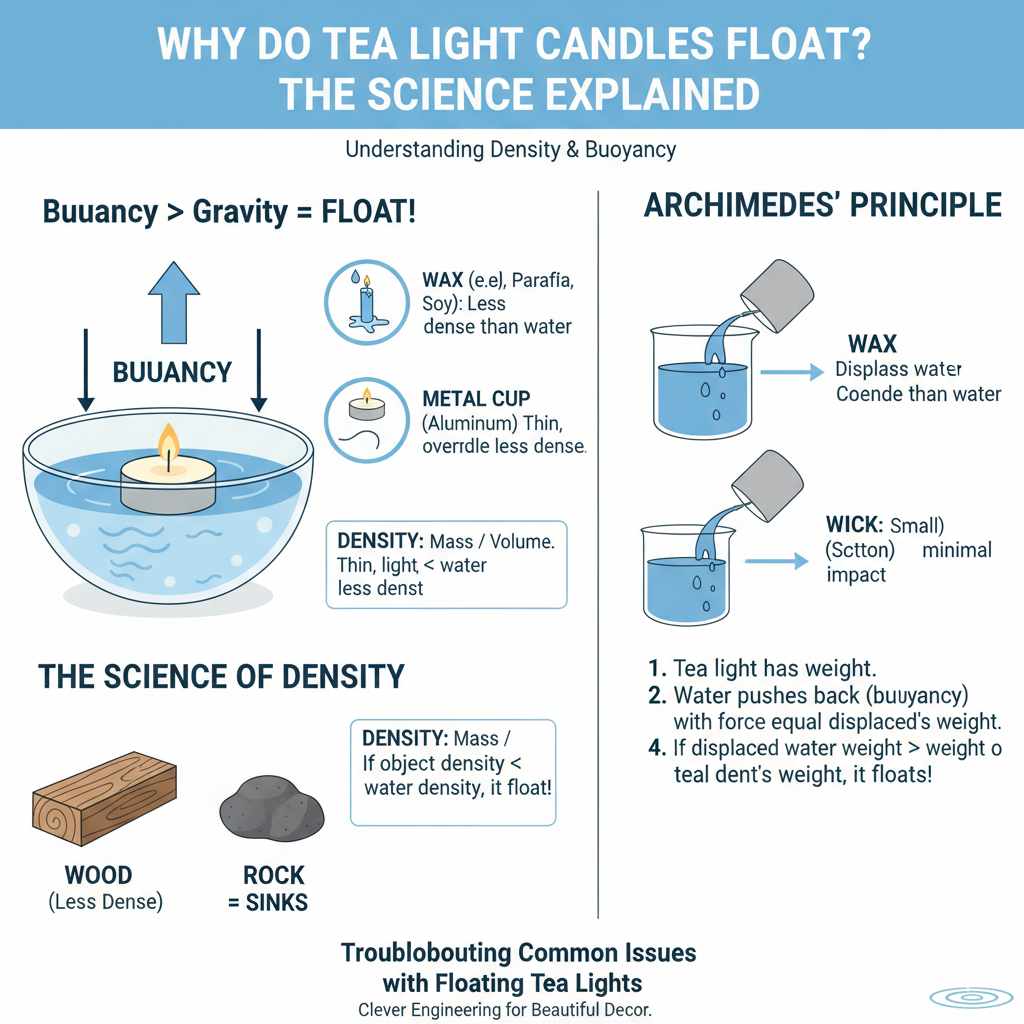
- Wax: The primary ingredient in a tea light is wax. Most common waxes, like paraffin wax (which is derived from petroleum) and soy wax (a popular natural alternative), are less dense than water. When the wax melts, it becomes even less dense.
- Metal Cup: The small, typically aluminum cup that holds the wax is also a factor. While metal is generally denser than water, the cup is very thin and designed to hold a relatively small amount of wax. The overall weight of the tea light, including the cup and the wax, is still less than the weight of the water it displaces.
- Wick: The cotton wick itself doesn’t significantly impact buoyancy. It’s a small component and its density is similar to water.
When you place a tea light on water, it displaces a volume of water that weighs more than the tea light itself. This upward force from the water, known as buoyancy, is greater than the downward pull of gravity on the tea light, causing it to float. It’s a simple yet effective principle that makes them perfect for water decorations.
To understand density better, consider a block of wood versus a rock. Wood floats because it’s less dense than water. A rock sinks because it’s denser. Tea lights, much like wood, are designed to be less dense overall.
Understanding Density and Buoyancy
The concept of buoyancy is directly related to density. Archimedes’ principle states that an object submerged in a fluid is buoyed up by a force equal to the weight of the fluid displaced by the object. For a tea light candle:
- The tea light has a certain weight (due to the wax and metal cup).
- When placed in water, it pushes aside (displaces) a certain amount of water.
- The water pushes back up on the tea light with a force equal to the weight of the water it displaced.
- If the weight of the displaced water is greater than the weight of the tea light, the tea light floats.
This is why even though the metal cup might seem like it would make it sink, the light wax and the design of the thin cup ensure the tea light remains buoyant. It’s a clever bit of engineering that allows for beautiful decorative possibilities.
For more on the physics of buoyancy, you can check out resources from institutions like NASA, which often explain scientific principles in accessible ways, even if their primary focus is space exploration. Their explanations can offer a deeper dive into how these forces work.
The Materials That Make Tea Lights Float
The specific materials used in tea light candles are crucial to their ability to float. Understanding these components can help you choose the right type of tea light for your projects and appreciate the simple science behind them.
Types of Wax and Their Properties
The type of wax used in a tea light significantly impacts its density and how it burns. Here are some common types:
- Paraffin Wax: This is the most common and often the most affordable wax used in tea lights. It’s a byproduct of petroleum refining. Paraffin wax has a low melting point and is naturally less dense than water, making it ideal for floating candles. It also holds fragrance and color well.
- Soy Wax: A popular natural alternative derived from soybeans. Soy wax is also less dense than water and burns cleaner and longer than paraffin in many cases. It has a lower melting point, which can be great for creating a good melt pool, and is biodegradable.
- Palm Wax: Derived from palm oil, this wax can create beautiful crystalline patterns. It’s also less dense than water and can be used for floating candles, though its environmental impact is a consideration for some.
- Beeswax: A natural wax produced by bees. While beautiful and fragrant, 100% beeswax tea lights can be denser than some other waxes and might not float as reliably, or they may sink as they burn down and the wax level drops. Often, beeswax is blended with other waxes for better floating performance.
For most standard tea lights designed for decorative purposes, paraffin or soy wax are the go-to choices because of their reliable buoyancy and cost-effectiveness.
The Role of the Metal Container
The thin metal cup, usually made of aluminum, is a vital part of the tea light assembly. Its primary functions are:
- Containment: It holds the melted wax securely, preventing it from spreading out and extinguishing the flame or causing a mess.
- Stability: The cup provides a stable base for the candle and wick.
- Heat Distribution: Aluminum is a good conductor of heat, which helps the wax melt evenly.
While aluminum is denser than water, the cup is so thin and lightweight, and it’s designed to hold a volume of wax that, when combined, results in an overall density lower than that of water. The weight of the metal is minimal compared to the volume of wax it contains and the water it displaces.
Wick Material
The wick is typically made of braided cotton. Its primary purpose is to draw the melted wax up to the flame through capillary action. The wick itself is generally not a significant factor in whether the candle floats or sinks. Its density is close to that of water, so it neither adds nor subtracts much from the overall buoyancy.
Setting Up Floating Tea Light Displays: A Step-by-Step Guide
Creating beautiful floating tea light displays is surprisingly simple! Whether you’re decorating for a party, a romantic dinner, or just want to add a touch of calm to your home, this guide will walk you through the process. Safety first, always!
Step 1: Gather Your Materials
Before you begin, make sure you have everything you need. This will make the process smooth and enjoyable.
Essential Items:
- Floating Tea Lights: Choose standard tea lights in metal cups. Ensure they are designed to float; most are, but it’s good to check.
- Water Container: This could be a glass vase, a bowl, a decorative basin, a clear acrylic container, or even a bathtub. The size and shape will depend on your desired look.
- Water: Tap water is usually fine. If you want to add color or enhancements, you might need additional items.
- Optional Decorative Elements: Flowers (fresh or artificial), pebbles, colored glass beads, marbles, food coloring, essential oils (for scent), small mirrors, or even floating candle holders if you prefer.
Step 2: Prepare Your Container
Clean your water container thoroughly. Any residue could cloud the water or affect the appearance of your display.
- Wash with soap and water, then rinse well.
- Dry the inside and outside of the container to prevent water spots.
Step 3: Add Decorative Elements (Optional)
This is where you can get creative! If you’re using decorative items, place them in the container before adding water. This helps them settle into place and avoids disturbing the water later.
- For a natural look: Arrange pebbles or smooth stones at the bottom of the vase.
- For color: Add a few drops of food coloring to the water. Start with a small amount and add more until you achieve the desired shade. Mix it gently.
- For a floral touch: Float fresh flower heads or petals on the water’s surface. Ensure they are clean and free of debris.
- For sparkle: Place colored glass beads or marbles at the bottom.
Step 4: Add Water
Carefully pour water into your container. Avoid splashing, especially if you’ve already added decorative elements you don’t want to move too much.
- Fill the container to your desired level. For most displays, leaving a few inches of space at the top is a good idea to prevent overflow when adding candles or if the water is disturbed.
- If you’re using food coloring, you can add it to the water as you pour or stir it in afterwards.
Step 5: Place the Tea Lights
Gently place the tea light candles onto the surface of the water.
- Hold each tea light by its metal rim.
- Carefully set it down onto the water’s surface. They should naturally float.
- Space them out evenly or arrange them in a pattern according to your design.
Step 6: Light the Candles
Once all your tea lights are in place and floating, you can light them.
- Use a long lighter or a match to ignite the wick of each candle.
- Be cautious and keep your fingers and hair away from the flame.
- Enjoy the ambiance!
Important Safety Considerations
While floating tea lights are beautiful, safety is paramount. Always follow these guidelines:
- Never leave burning candles unattended. This is the most important rule.
- Keep candles away from flammable materials like curtains, paper, and dry decorations.
- Place displays on stable surfaces where they won’t be easily knocked over.
- Supervise children and pets around burning candles.
- Do not use in drafty areas where the flame could be extinguished or flicker excessively, potentially igniting nearby materials.
- Ensure the water container is deep enough so that the flame doesn’t get too close to any overhead flammable materials once the candle burns down.
- When finished, extinguish candles by gently blowing them out or by carefully covering the flame. Allow them to cool completely before attempting to remove them from the water.
For more detailed safety information on candle usage, the National Fire Protection Association (NFPA) offers excellent resources on their website. They provide comprehensive guidelines to help prevent fires.
Creative Ways to Use Floating Tea Lights
Floating tea lights aren’t just for special occasions; they can transform everyday spaces into something magical. Their simplicity and elegance make them incredibly versatile. Here are some inspiring ideas:
1. Centerpieces for Tables
Elevate your dining or coffee table with a floating tea light centerpiece.
- Elegant Vases: Fill tall, clear glass vases with water, a few drops of food coloring, and several floating tea lights. Add a single stem flower or a few decorative stones at the bottom for an extra touch.
- Shallow Bowls: Use a wide, shallow decorative bowl. Fill it with water and arrange tea lights in a circular pattern. Add flower petals or small floating candles for a romantic feel.
- Mirrored Surfaces: Place your floating candle display on a mirror. The reflection doubles the light and creates a stunning, expansive effect, perfect for parties.
2. Ambiance for Bath Time
Turn your bathroom into a spa-like sanctuary.
- Safe Placement: Place a few floating tea lights in a stable, heat-resistant container (like a glass bowl or a dedicated bath caddy) away from flammable bath products and the edge of the tub.
- Add Scent: Consider using scented tea lights or adding a few drops of essential oil (like lavender or chamomile) to the water (ensure the oil is safe for contact with skin if it might splash).
- Relaxing Glow: Dim the bathroom lights and let the gentle flicker of the tea lights create a serene atmosphere.
3. Outdoor Decor for Patios and Gardens
Add a touch of enchantment to your outdoor gatherings.
- Water Features: Carefully place floating tea lights in non-moving water features like bird baths or decorative ponds (ensure they won’t harm wildlife).
- Garden Bowls: Use large, shallow outdoor bowls filled with water and tea lights. Place them on garden tables or along pathways for a magical evening glow.
- Wind Considerations: Be mindful of wind. A strong breeze can extinguish flames or cause them to flicker erratically. Consider using heavier containers or placing them in sheltered spots.
4. Holiday and Seasonal Decorations
Customize your floating displays for any holiday.
- Christmas: Use red and green food coloring, add pine sprigs, cranberries, or cinnamon sticks to the water.
- Halloween: Use orange or purple coloring, add spooky-themed pebbles, or place them in black bowls.
- Spring/Summer: Use pastel colors, fresh flowers, or light, airy decorations.
5. DIY Floating Candle Holders
For a unique twist, create your own holders.
- Hollowed Fruit: Carefully hollow out the center of a large orange or grapefruit. Fill the cavity with water and place a tea light inside. This creates a charming, natural candle holder.
- Glass Jars with Embellishments: Decorate the outside of glass jars with twine, ribbons, or paint. Fill them with water and float a tea light.
When experimenting with DIY holders, always ensure they are stable, waterproof, and won’t easily tip over or catch fire. Test them before adding the flame.
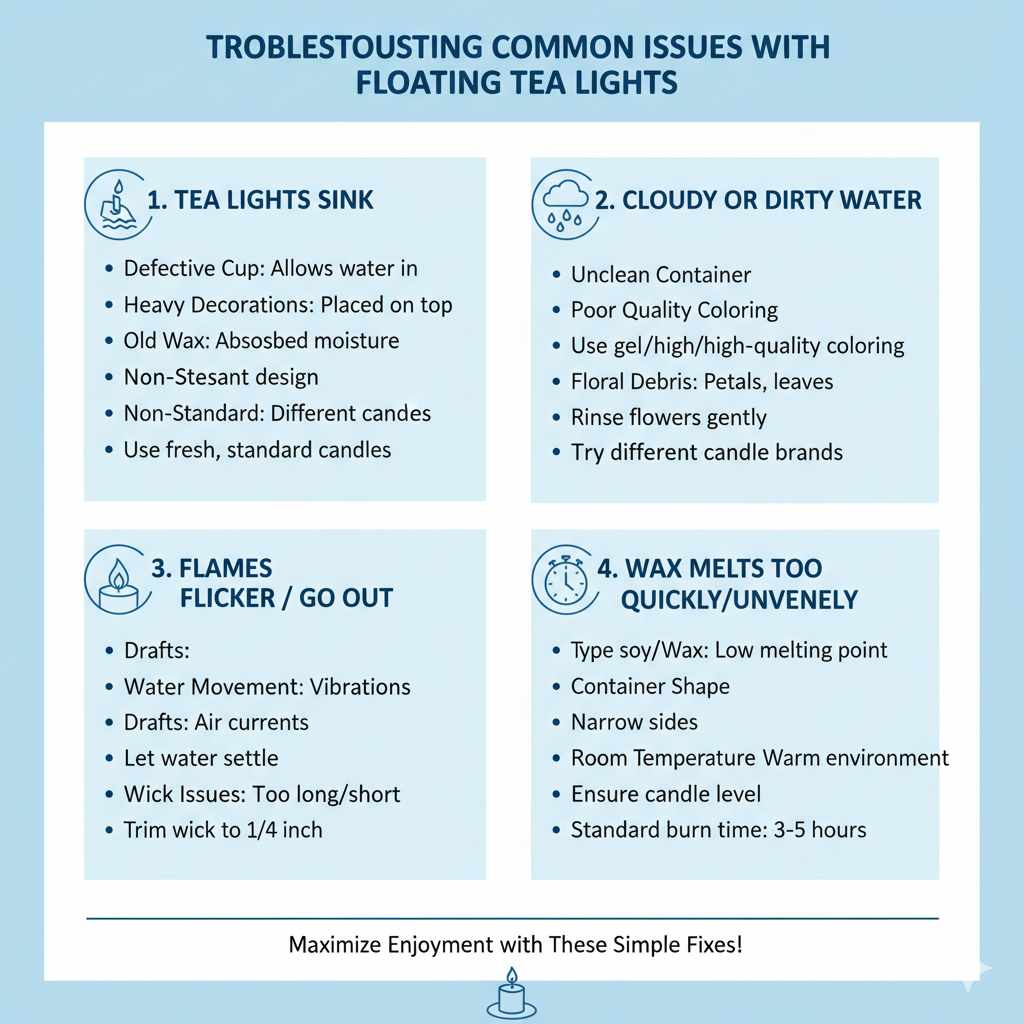
Troubleshooting Common Issues with Floating Tea Lights
Even with simple projects, you might run into a few hiccups. Here are some common issues with floating tea lights and how to solve them:
Issue 1: Tea Lights Sink Instead of Float
Possible Causes:
- Defective Candle: The metal cup might be damaged, allowing water to seep in and saturate the wax, making it denser.
- Weight of Decorations: If you’ve placed heavy items directly on top of the tea light, they could be pushing it down.
- Old or Degraded Wax: In rare cases, very old wax might have absorbed moisture or degraded, affecting its density.
- Non-Standard Tea Lights: Some specialty “trick” candles or novelty tea lights might be designed differently and not float.
Solutions:
- Inspect the tea light before placing it in water. If the metal cup is bent or broken, discard it.
- Ensure decorations are placed around, not on top of, the tea lights.
- Use fresh, standard tea lights.
Issue 2: Water Becomes Cloudy or Discolored Quickly
Possible Causes:
- Unclean Container: Residue from previous use can cloud the water.
- Poor Quality Food Coloring: Some food colorings might not mix well or could contain particles that cloud the water.
- Floral Debris: If using fresh flowers, small bits of petals or leaves can break off and make the water murky.
- Wax Leaks: If the metal cup isn’t perfectly sealed, a tiny amount of wax might leak out, especially as it melts, which can affect water clarity.
Solutions:
- Always start with a thoroughly cleaned container.
- Use gel food coloring or high-quality liquid food coloring designed for beverages.
- Rinse fresh flowers gently and remove any loose parts before placing them in water.
- If wax leakage is a consistent problem, try different brands of tea lights or consider using them for shorter durations.
Issue 3: Flames Flicker Excessively or Go Out
Possible Causes:
- Drafts: Air currents from open windows, doors, or vents are the most common culprits.
- Water Movement: If the water is disturbed (e.g., by placing candles, vibrations), the flame can flicker.
- Wick Issues: A wick that is too long or too short can cause burning problems.
Solutions:
- Place your display in a sheltered area away from drafts.
- Allow the water to settle after placing the candles.
- Trim wicks to about 1/4 inch before lighting if they seem excessively long (though this is less common with pre-made tea lights).
Issue 4: Wax Melts Too Quickly or Unevenly
Possible Causes:
- Type of Wax: Different waxes have different melting points.
- Container Shape: Narrow containers can sometimes cause wax to melt faster on one side.
- Environmental Temperature: Warmer room temperatures will cause wax to melt faster.
Solutions:
- If you need longer burn times, consider using soy wax or beeswax blends, which often burn longer.
- For even melting, ensure the tea light is floating level and not tilted.
- Be aware that the burn time of a standard tea light is typically around 3-5 hours, depending on the wax and conditions.
By understanding these potential issues and their solutions, you can ensure your floating tea light displays are a success and bring you maximum enjoyment.
Frequently Asked Questions (FAQ)
Here are answers to some common questions about tea light candles and water.
Q1: Can I put any tea light candle in water?
A: Generally, yes. Most standard tea light candles sold in small metal cups are designed to float. However, always check if the packaging specifies “floating candles” or if they are standard tea lights. Avoid novelty candles or those in non-metal containers unless specified as floating.
Q2: How long do floating tea lights last in water?
A: The burn time for a standard tea light candle is typically between 3 to 5 hours, depending on the type of wax and environmental conditions like drafts. The wax will melt away completely.
Q3: Is it safe to use essential oils with floating tea lights?
A: Yes, you can add a few drops of essential oil to the water. However, be cautious: some oils can be flammable or irritate skin if they splash. Use pure essential oils and add them to the water, not directly to the wax or wick. Avoid using too much, as it can affect the flame or burn.
Q4: Can I reuse the water from a floating candle display?
A: It depends on what you’ve added. If you only used water and the tea lights, the water is likely fine to reuse after removing any wax residue. If you added food coloring, flowers, or other decorative elements, it’s best to discard the water and clean the container for the next use.
Q5: What happens to the metal cup of the tea light after it burns?
A: Once the wax has completely burned away, the metal cup will remain. It will be hot, so allow it to cool before removing it from the water. You can then clean and recycle the aluminum cup.
Q6: Can I put tea lights in a hot tub or bathtub?
A: While tempting, it’s generally not recommended to place burning candles directly in a hot tub or bathtub with people in it. The risk of spills, fire hazards, or the candles being knocked over is too high. For a safe ambiance, use floating candles in a separate, stable container placed away from the water’s edge.
Q7: Do different types of wax affect floating?
A: Yes, slightly. Paraffin and soy waxes are very reliable floaters. 100% beeswax can sometimes be denser and might sink as it burns down, though blends often float well. For standard tea lights, you usually don’t need to worry about the wax type, as they are formulated to float.
Conclusion
So, to answer the burning question: yes, tea light candles are designed to float beautifully on water! Their clever construction, combining less dense wax with a lightweight metal cup, ensures they bob gently on the surface, creating a magical and serene ambiance. We’ve explored the science behind their buoyancy, the materials that make it possible, and walked through the simple steps to create your own stunning floating candle displays.
From elegant table centerpieces and relaxing bath-time glows to enchanting garden accents and festive holiday decorations, the possibilities are vast. Remember to always prioritize safety by never leaving burning candles unattended, keeping them away from flammable materials, and placing them on stable surfaces. With a little creativity and these simple guidelines, you can easily transform any space with the warm, inviting flicker of floating tea lights.
Whether you’re a seasoned DIYer or just starting to explore home decor, floating tea lights offer an accessible and affordable way to add a touch of wonder. So go ahead, gather your supplies, and let the gentle glow of floating candles illuminate your home and your imagination!