How Does a Door Lock Work: Essential Guide
Quick Summary
A door lock works by using a key to align internal pins or tumblers, allowing a bolt or latch to retract or extend, securing the door. Understanding this mechanism empowers you to maintain, troubleshoot, and even upgrade your home’s security with confidence.
Ever wondered what’s really happening inside that lock when you turn your key? It might seem like magic, but it’s actually a clever bit of engineering! For many of us, home security starts and ends with the lock on our front door. When it works, we don’t think twice. But when it sticks, jams, or won’t open, it can be a real headache. Don’t worry, though! Understanding how a door lock works doesn’t require an engineering degree. I’m here to break it down for you in a way that’s easy to grasp. We’ll explore the basic principles, different types of locks, and what makes them tick, so you can feel more in control of your home’s security.
Understanding the Basics: How a Standard Door Lock Functions
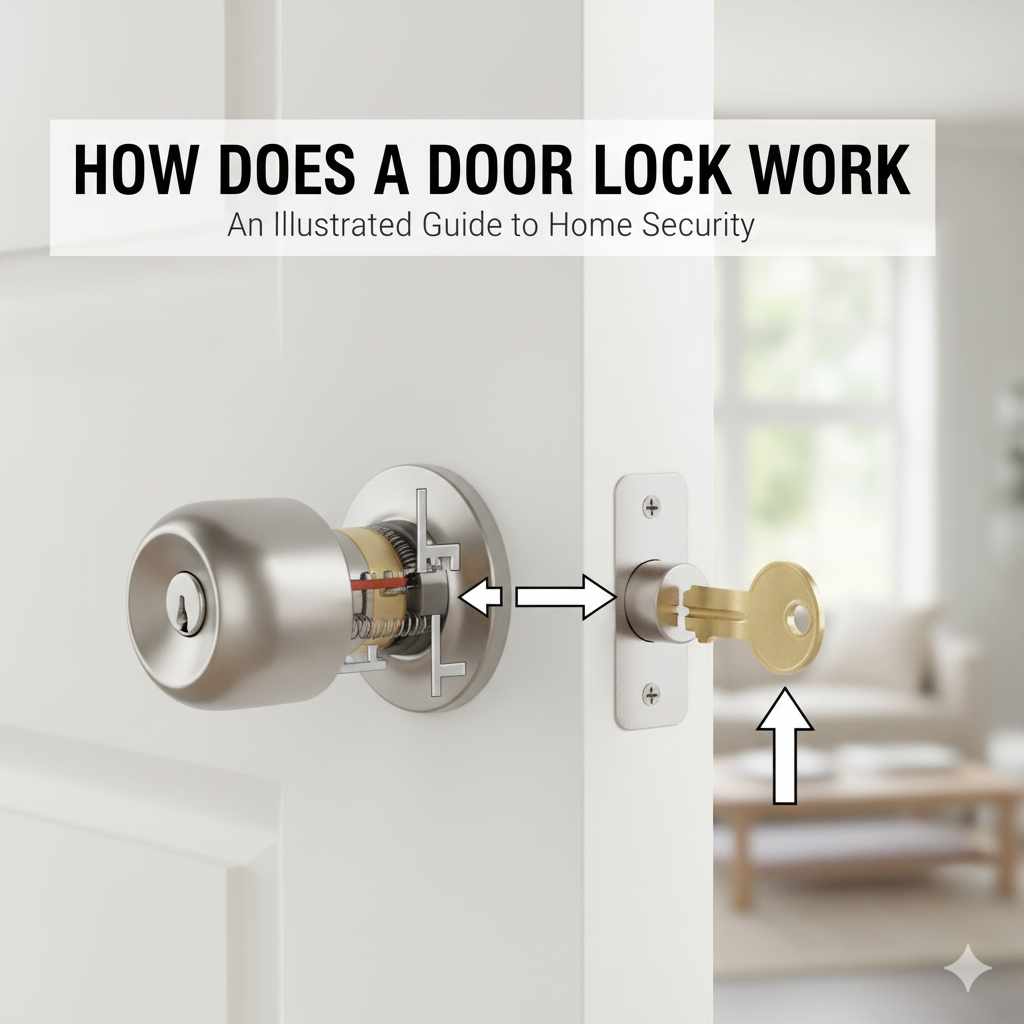
At its core, most common door locks, like the deadbolt or knob lock you likely have, operate on a simple principle: a key acts as a unique tool to disengage a locking mechanism. This mechanism prevents the door from being opened unless the correct key is used. Think of it like a puzzle that only one specific piece can solve. This puzzle involves tiny parts inside the lock that must be moved into a precise alignment for the lock to function.
The Key Player: The Key Itself
Your key is more than just a piece of metal; it’s a carefully cut map. The jagged edges and unique cuts on a key correspond to the internal components of the lock. When you insert the key, these cuts push up or pull down specific parts within the lock cylinder. The depth and angle of each cut are critical – even a tiny difference can prevent the key from working. This is how locks provide security; only a key with the exact matching cuts can manipulate the internal parts correctly.
The Heart of the Lock: The Cylinder and Pins
Inside the lock, you’ll find the cylinder, which is the part you insert the key into. Within this cylinder are usually two sets of pins: the driver pins and the key pins. These pins are spring-loaded, meaning they are constantly pushed downwards. They are designed to sit precisely at the seam between the cylinder and the outer casing of the lock. This placement effectively stops the cylinder from turning, and thus, the lock from opening.
When the correct key is inserted:
- Each pin set (driver pin and key pin) is lifted to a specific height.
- The cuts on the key push the key pins upwards.
- The driver pins are also pushed upwards by the key pins.
- When the key is fully inserted, the top of each key pin aligns perfectly with the bottom of its corresponding driver pin.
- This creates a perfectly flat shear line between the cylinder and the lock housing.
- With this shear line established, the cylinder is free to rotate, allowing the bolt to move and the door to unlock.
If the wrong key is used:
- The cuts on the wrong key won’t lift the pins to the correct heights.
- One or more pins will remain out of alignment, crossing the shear line.
- This obstruction prevents the cylinder from turning, and the lock remains secured.
The Bolt or Latch: The Actual Locking Mechanism
The cylinder is connected to the bolt or latch mechanism. This is the part that actually extends into the door frame to secure the door. When the cylinder turns (thanks to the correctly aligned pins), it moves this bolt or latch. In a deadbolt, a solid metal bolt extends. In a simpler spring latch (like on many interior doors), a beveled piece of metal retracts or extends.
Let’s visualize this with a common scenario:
| Action | What Happens Inside the Lock | Result |
|---|---|---|
| Key is NOT inserted | Springs push driver pins and key pins down, crossing the shear line. | Cylinder is blocked; lock cannot turn. |
| CORRECT key is inserted | Key pins are lifted by the key’s cuts. Driver pins are lifted by key pins. All pins align at the shear line. | Cylinder is free to turn; bolt retracts/extends. |
| INCORRECT key is inserted | Pins are lifted to incorrect heights; some pins remain across the shear line. | Cylinder is blocked; lock cannot turn. |
Common Types of Door Locks and How They Work
While the pin tumbler mechanism is very common, door locks come in various forms, each with its own way of providing security. Understanding these differences can help you choose the right lock for your needs.
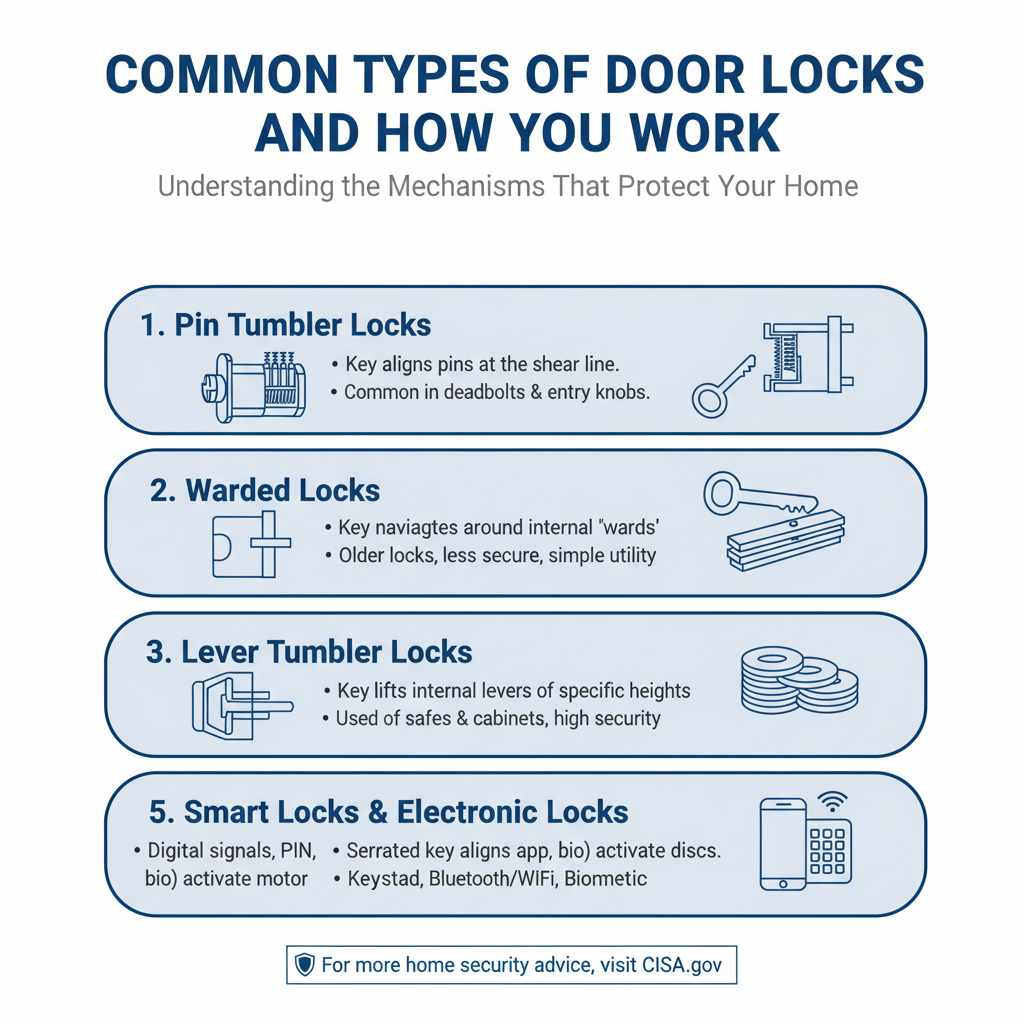
1. Pin Tumbler Locks
As we’ve discussed, these are the most prevalent locks. They are found in:
- Deadbolts: These are the heavy-duty locks often found on exterior doors. They have a solid metal bolt that extends into the door frame. They are operated by a key from the outside and a thumbturn from the inside. Their strength comes from the solid bolt and the precise pin mechanism.
- Keyed Entry Knobs/Levers: These are the locks you see on many interior doors and some exterior doors. They use a knob or lever that retracts a spring latch. When locked, a pin tumbler mechanism inside the knob prevents the knob from turning.
How they work: Relies on the pin and tumbler system described earlier. The key must align the pins at the shear line for the cylinder to rotate and operate the bolt or latch.
2. Warded Locks
These are some of the oldest types of locks. They use a system of internal obstructions (wards) that the key must navigate around. The key has notches or cutouts that allow it to pass these wards and reach the bolt. If the key doesn’t have the correct shape to bypass the wards, it won’t turn.
- Common uses: Often found on simple utility locks, padlocks, and some older furniture.
- Security: Generally considered less secure than pin tumbler locks because their design is simpler and can sometimes be bypassed with a skeleton key (a key designed to bypass wards).
How they work: The key has a specific shape with cutouts that allow it to pass by internal obstructions (wards) within the lock housing. Only a key with the correct shape can reach the bolt to operate it.
3. Lever Tumbler Locks
Similar in concept to pin tumbler locks, but instead of pins, they use a set of levers. The key has a specific shape that lifts each lever to a unique height, allowing it to pivot and clear a path for the bolt to move. Each lever needs to be lifted to the correct position for the lock to open.
- Common uses: Often found on older safes, filing cabinets, and some high-security doors.
- Security: Can be very secure, especially when multiple levers are used, as the key’s design is more complex.
How they work: The key’s edge engages with notches on a series of levers. As the key is turned, it lifts each lever to a specific height. When all levers are raised correctly, they clear a bar (the gate) allowing the bolt to be thrown or retracted.
4. Disc Tumbler Locks
These locks use a series of slotted discs instead of pins. The key has a serrated edge that aligns these discs. When the correct key is inserted and turned, the notches on the discs align, allowing a cam or plug to rotate and operate the bolt.
- Common uses: Frequently seen in filing cabinets, desk locks, and some older car door locks.
- Security: Generally considered more resistant to picking than pin tumbler locks due to the design of the discs and the fact that they rotate.
How they work: A series of rotating discs have slots. The key has a serrated edge that, when inserted, rotates each disc so its slot aligns with a ridge on the lock housing. Once all discs are aligned, the central plug can rotate to operate the lock.
5. Smart Locks and Electronic Locks
These modern locks move beyond physical keys. They use electronics, often controlled by a keypad, smartphone app, or biometric scanner.
- Keypad Locks: Require a PIN code.
- Bluetooth/Wi-Fi Locks: Controlled via smartphone apps, allowing remote locking/unlocking and access management.
- Biometric Locks: Use fingerprint or facial recognition.
How they work: Instead of physical pins, these locks use electronic signals. A keypad entry sends a signal to a motor or solenoid. A smartphone app communicates wirelessly. A biometric scanner converts your unique physical traits into a digital code. When the correct code or signal is received, an internal mechanism (often a motor or solenoid) engages to retract or extend the bolt.
For more on home security, the Cybersecurity & Infrastructure Security Agency (CISA) offers excellent advice on securing your home.
Key Components of a Door Lock
Let’s dive a little deeper into the specific parts you’ll find inside most common door locks, like a deadbolt or knob lock.
Cylinder (or Plug)
This is the rotatable part of the lock where you insert the key. It contains the keyway (the slot for the key) and the chambers for the pins and springs.
Housing (or Shell)
This is the outer casing of the lock. It holds the cylinder in place and contains the driver pins and their springs. The shear line is the boundary between the cylinder and the housing.
Key Pins
These are the shorter pins located at the bottom of the chambers within the cylinder. Their length varies according to the cuts on the key. They are pushed up by the key.
Driver Pins
These are the longer pins located in the housing above the key pins. They are spring-loaded and are pushed down by the springs. They are designed to block the cylinder from turning when the correct key is not inserted.
Springs
These small springs are placed above the driver pins. They provide the force to push the driver pins down into the cylinder chambers, ensuring that the pins cross the shear line when no key is present.
Shear Line
This is the critical line of separation between the cylinder and the housing. For the lock to operate, all the key pins and driver pins must align perfectly at this line, allowing the cylinder to spin freely within the housing.
Bolt or Latch
This is the mechanism that extends from the edge of the door into the strike plate on the door frame, securing the door. It can be a solid bolt (deadbolt) or a spring-loaded, beveled latch (spring latch).
Cam or Tailpiece
This is attached to the back of the cylinder. When the cylinder turns, the cam or tailpiece rotates with it and engages with the bolt or latch mechanism, causing it to retract or extend.
Troubleshooting Common Door Lock Issues
Even the best locks can sometimes give us a bit of trouble. Here are a few common problems and how to address them, keeping in mind that sometimes professional help is best.
1. The Key Won’t Turn
This is a frustrating one! It could be due to a few things:
- Misalignment: The most common cause is that the pins aren’t perfectly aligned at the shear line. This can happen if the key isn’t fully inserted or if there’s dirt or debris in the lock.
- Worn Key: Over time, the cuts on your key can wear down, making it harder for them to lift the pins correctly.
- Internal Damage: A spring might have broken, or a pin could be stuck.
-
What to do:
- Ensure the key is fully inserted.
- Try gently wiggling the key while turning.
- Lubricate the lock with a graphite-based lock lubricant (avoid oil-based lubricants as they can attract dirt). A quick spray of WD-40 can also help in a pinch, but graphite is preferred for long-term lock health. You can find good advice on lock lubrication from resources like Popular Mechanics.
- If the key is visibly worn, try a duplicate key or have a new one cut from the original.
- If none of these work, the lock might need professional attention or replacement.
2. The Lock is Stiff or Hard to Operate
This usually indicates a need for lubrication or that the lock is dirty.
-
What to do:
- Lubricate the lock thoroughly with a graphite lock lubricant. Insert the nozzle into the keyway and give it a few short bursts.
- Insert and remove the key several times to work the lubricant through the pins.
- If the stiffness persists, especially on older locks, it might be time for a replacement.
3. The Key is Stuck
This can happen if the bolt is under pressure or if there’s an obstruction.
-
What to do:
- If the door is closed: Try to relieve pressure on the bolt. Push or pull the door slightly while turning the key.
- If the door is open: Gently jiggle the key. Check for any debris in the keyway.
- Lubricate the lock.
- If the key is truly jammed, do not force it, as you could break it off. It’s best to call a locksmith.
4. The Deadbolt Won’t Extend or Retract Fully
This can be an issue with the bolt mechanism itself, the strike plate alignment, or the cylinder operation.
-
What to do:
- Check that the door is closing properly without rubbing against the frame.
- Ensure the strike plate on the door frame is aligned correctly with the bolt. Sometimes, screws can loosen, or the frame can shift. You might need to adjust the strike plate.
- Lubricate the lock mechanism and the bolt itself.
- If the problem is internal to the lock, it might require disassembly or replacement.
Maintaining Your Door Locks for Longevity
A little bit of regular maintenance can go a long way in ensuring your door locks function smoothly and reliably for years to come. It’s a simple way to enhance your home’s security and avoid frustrating lockouts.
Regular Lubrication
As mentioned, locks need lubrication to keep their internal parts moving freely. Aim to lubricate your exterior door locks at least once or twice a year, especially before harsh weather seasons (like winter, when moisture can freeze). Always use a graphite-based lubricant specifically designed for locks. Avoid using household oils or WD-40 for routine maintenance, as they can gum up the works over time. For more detailed insights on lock maintenance, resources like This Old House offer great tips.
Keep the Keyway Clear
Avoid inserting anything other than the correct key into the keyway. Dust, dirt, and debris can get inside and interfere with the pins. If you notice dirt accumulation, you can try blowing it out gently with compressed air.
Check for Loose Hardware
Periodically check that the screws holding your lockset (both on the interior and exterior) are tight. Loose screws can lead to a wobbly lock and can affect its functionality. For deadbolts, ensure the bolts themselves are also secure.
Test Your Locks Regularly
Make it a habit to test all your door locks by locking and unlocking them a few times a month. This simple action ensures they are still working correctly and helps you catch any minor issues before they become major problems.
Consider Professional Servicing
If you have high-security locks or if your locks are showing signs of wear, consider having them professionally serviced every few years. A locksmith can check for internal wear, lubricate them properly, and ensure they are in optimal working condition.
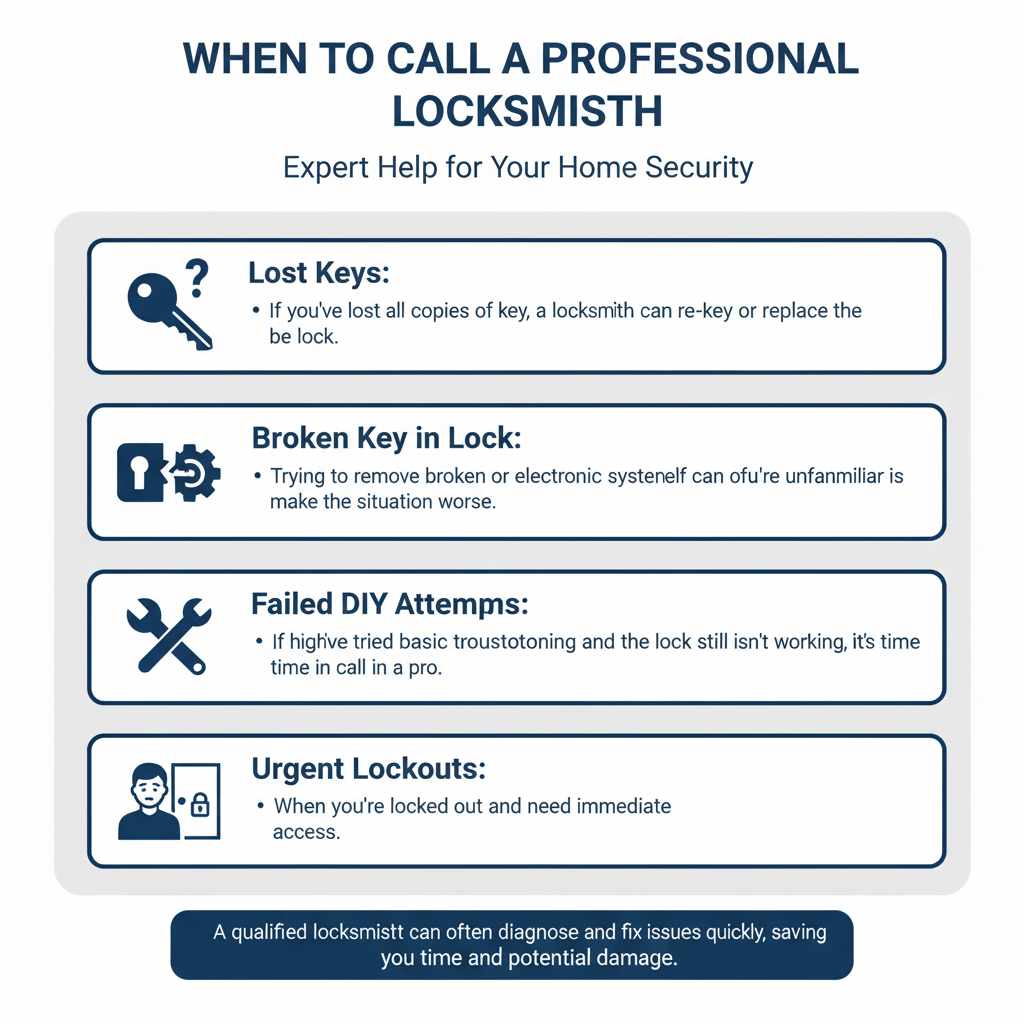
When to Call a Professional Locksmith
While DIY is great for many home projects, there are times when it’s best to leave lock issues to the experts.
- Lost Keys: If you’ve lost all copies of your key, a locksmith can re-key or replace the lock.
- Broken Key in Lock: Trying to remove a broken key yourself can often make the situation worse.
- Complex Lock Mechanisms: For high-security locks or electronic systems you’re unfamiliar with, a professional is your best bet.
- Failed DIY Attempts: If you’ve tried basic troubleshooting and the lock still isn’t working, it’s time to call in a pro.
- Urgent Lockouts: When you’re locked out and need immediate access.
Remember, a qualified locksmith can often diagnose and fix issues quickly, saving you time and potential damage.
Frequently Asked Questions (FAQ)
Q1: How does a simple door knob lock work?
A simple door knob lock, often with a spring latch, works by using a key that turns a cylinder. This cylinder retracts a spring-loaded, beveled latch from the door edge, allowing the knob to turn and open the door. When locked, internal pins prevent the cylinder from turning.
Q2: What is a deadbolt and how is it different from a regular lock?
A deadbolt is a type of lock that uses a solid metal bolt that extends horizontally into the door frame. Unlike a spring latch, it doesn’t rely on a spring and is operated manually by a key or a thumbturn. This makes it much more secure against forced entry.
Q3: Why does my key sometimes not work in my lock?
This can happen if the key is worn, if the lock’s internal pins are dirty or misaligned, or if the key isn’t fully inserted. Sometimes, a bent key or internal lock damage can also be the cause.
Q4: Is it safe to lubricate my door lock with WD-40?
While WD-40 can offer a temporary solution for stiffness, it’s not recommended for long-term lock maintenance. It can attract dust and dirt, which can gum up the internal mechanisms over time. A graphite-based lock lubricant is the preferred choice for keeping locks working smoothly.
Q5: How often should I replace my door locks?
For standard residential locks, replacing them every 10-15 years is a good practice, especially for exterior doors. However, if a lock becomes worn, difficult to operate, or if you’ve had security concerns (like a break-in nearby), it’s wise to replace them sooner.
Q6: What is “re-keying” a lock?
Re-keying is the process of changing the internal pins of a lock so that a new key will operate it, while the old key will no longer work. This is a cost-effective way to update your locks when you move into a new home or if you’ve lost keys, without needing to replace the entire lock hardware.
Conclusion
Understanding how a door lock works demystifies a crucial aspect of home security. From the simple elegance of pin tumblers to the complexities of modern smart locks, the underlying principle remains the same: a specific mechanism must be engaged to allow the bolt to move. By knowing the basic components and how they interact, you’re better equipped to maintain your existing locks, troubleshoot common issues, and make informed decisions when it’s time for an upgrade. Remember, a well-functioning lock is your first line of defense, and a little knowledge goes a long way in keeping your home safe and secure. So, the next time you turn your key, you’ll have a clearer picture of the clever engineering at play, giving you that extra bit of confidence in your home’s security.