How Does a Utility Pump Work? Parts, Setup, and Limits
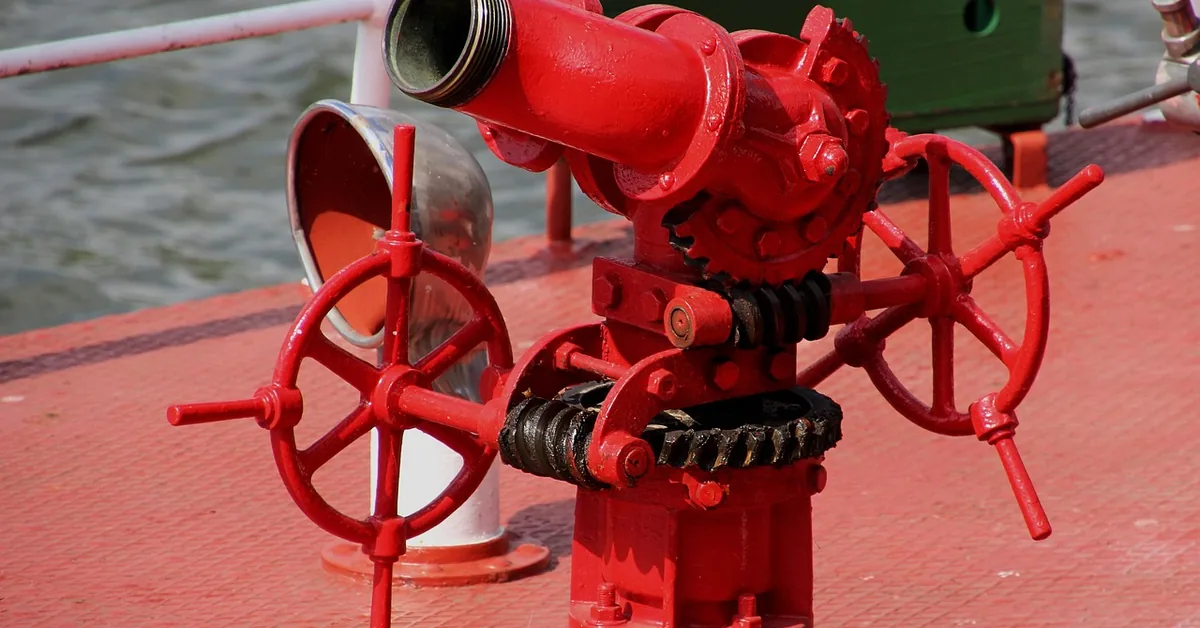
A utility pump moves water from one place to another using a spinning impeller that flings water outward by centrifugal force, drawing more water in behind it through an inlet screen and pushing it out through a discharge hose. Unlike a sump pump, which is built into a fixed pit for ongoing basement drainage, a utility pump is portable and meant to be dropped into standing water wherever it’s needed: a flooded basement floor, a clogged gutter puddle, a kiddie pool, or a boat bilge. This guide covers how the parts work together, how to set one up correctly, and what these pumps can’t do.
The Core Parts
The motor sits sealed at the top of the housing, isolated from water by shaft seals, and drives a shaft down into the impeller, a small finned wheel that spins inside a volute (a snail-shell-shaped chamber). As the impeller spins, it throws water outward and toward the discharge port through centrifugal force, which creates lower pressure at the impeller’s center that continuously pulls new water in through the inlet screen at the base. That inlet screen keeps debris, leaves, and sediment from jamming the impeller, which is why a pump running in dirty or muddy water needs more frequent screen cleaning than one in a clean pool. The discharge port is typically threaded for either a standard garden hose or a specific-diameter discharge hose depending on the pump’s flow rating.
Submersible vs. Non-Submersible Models
A submersible utility pump is fully sealed and designed to sit directly in the water, which is the more common type for basement flooding and pool draining since it’s quieter and more efficient at pulling water from very shallow depths. A non-submersible (surface or “transfer”) pump sits outside the water on dry ground and pulls water up through a hose using suction, which requires priming (filling the intake hose with water before starting) and generally can’t lift water as efficiently from very shallow puddles. Submersible models dominate the residential utility pump market for exactly this reason: less setup, no priming, and better performance at the shallow end of a draining job.
Setting One Up Correctly
Set the pump on the lowest point of the area being drained, ideally on a flat, stable surface or a brick to keep the inlet screen slightly elevated above loose sediment on the floor. Connect the discharge hose securely to the threaded outlet and run it to wherever the water should go, away from the foundation and downhill if possible since pumping capacity drops the higher the water has to be lifted (rated in “head height” on the pump’s spec sheet, usually 25 to 33 feet maximum for consumer models, though real-world performance drops well before that limit). Plug the pump into a GFCI-protected outlet, standard for anything running near standing water, and never handle the pump or cord with wet hands while it’s plugged in.
What a Utility Pump Can’t Do
Most utility pumps can’t run dry for extended periods without the motor overheating, since many rely on the water itself for some cooling, and they’re not designed for continuous, unattended operation the way a permanently installed sump pump is. They also can’t handle solids larger than what fits through the inlet screen’s mesh, a “trash pump” variant exists for water with debris and sludge, using a wider impeller clearance, but a standard utility pump will clog or jam on anything beyond fine sediment. Finally, most residential models aren’t rated for continuous use beyond a few hours at a stretch, checking the manufacturer’s duty-cycle rating matters if you’re draining a large area over many hours.
Frequently Asked Questions
How is a utility pump different from a sump pump?
A sump pump is installed permanently in a fixed pit with an automatic float switch and is meant to run unattended for years. A utility pump is portable, usually manually switched on and off, and meant for occasional, temporary jobs like draining a flooded area or a pool rather than ongoing groundwater management.
Why does the pump stop pumping before the area is fully dry?
Once water depth drops below the pump’s minimum operating level (usually around 1/8 to 1/2 inch, listed on the spec sheet), the inlet can’t stay submerged and the pump starts drawing air, which breaks suction. Tilting the pump slightly or using a wet/dry shop vacuum for the final residual puddle finishes the job.
Can a utility pump handle hot water or chemicals?
Standard utility pumps are rated for cold-to-moderate water temperatures (usually up to around 100 to 140 degrees Fahrenheit depending on the model) and plain water, not chemically treated or high-temperature liquids. Check the manufacturer’s spec sheet before using one for anything beyond typical flood or pool water.
Sponsored / affiliate links. As an Amazon Associate I earn from qualifying purchases. I may earn additional commission from eligible campaigns.