How Low Should a Ceiling Fan Hang? A Simple Guide for Everyone
I remember the first time I tried to hang a ceiling fan in my living room. I was so excited, but I had no idea how low it should go! I didn’t want it to bump my head or look weird in the room. After some trial and error, I learned the best way to hang a ceiling fan. In this article, I’ll share simple tips to help you choose the perfect height for your ceiling fan. Whether you’re new to this or a home improvement pro, you’ll find easy advice, safety tips, and fun examples to make your space cool and comfy.
What Does “How Low Should a Ceiling Fan Hang” Mean?
Ceiling fan height is about how far the fan’s blades are from the floor. It matters because it affects safety, comfort, and how well the fan moves air. If the fan is too low, you might hit your head. If it’s too high, the air won’t reach you. Getting the height right makes your room feel cooler in summer and warmer in winter.
Why Ceiling Fan Height Matters
A ceiling fan’s job is to move air. If it’s too close to the ceiling, air can’t flow well. If it’s too low, it’s not safe. The right height helps the fan work best and keeps everyone safe. It also makes your room look nice and balanced.
Safety First
Ceiling fans spin fast. Blades need to be at least 7 feet from the floor to avoid accidents. This keeps tall people or kids from getting hurt. I once saw a fan hung too low, and it was scary when someone almost bumped it!
Better Airflow
Fans create a breeze to cool you down. The right height spreads air evenly. For example, a fan 8-9 feet above the floor moves air best, according to Energy Star. Too high, and you won’t feel the breeze. Too low, and the air stays in one spot.
How to Choose the Right Ceiling Fan Height
Choosing the right height depends on your ceiling height, room size, and fan type. Here’s a simple guide to help you decide.
Step-by-Step Guide to Measure Ceiling Fan Height
Follow these easy steps to find the perfect height for your fan:
- Measure your ceiling height. Use a tape measure from the floor to the ceiling.
- Check the fan’s blade length. Longer blades need more clearance.
- Pick a downrod or flush mount. A downrod lowers the fan; a flush mount hugs the ceiling.
- Ensure 7 feet of clearance. The blades must be at least 7 feet from the floor.
- Aim for 8-9 feet for best airflow. This is ideal for most rooms.
Tools You’ll Need
You don’t need fancy tools. Here’s what I use:
- Tape measure: To check ceiling height.
- Ladder: To reach the ceiling safely.
- Screwdriver: To attach the fan.
- Level: To make sure the fan hangs straight.
Ceiling Fan Types and Heights
There are two main types of ceiling fans: downrod and flush mount. Each works best for different ceilings.
Downrod Fans
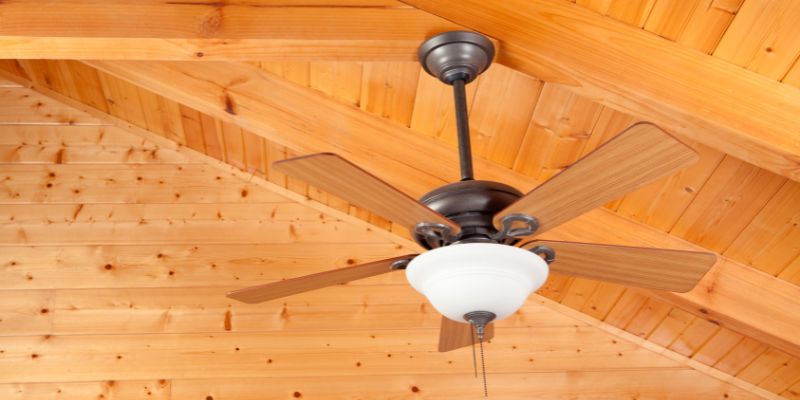
Downrod fans hang from a metal rod. They’re great for ceilings 8 feet or higher. The rod lowers the fan to the right height for airflow. For example, in my dining room with a 9-foot ceiling, I used a 12-inch downrod to position the fan at 8 feet.
Flush Mount (Hugger) Fans
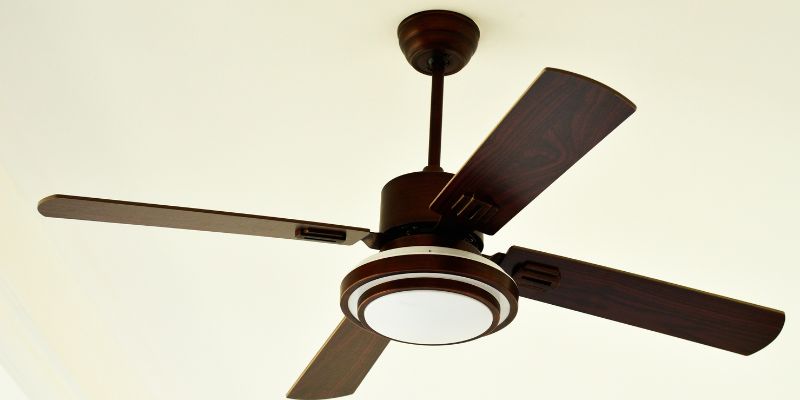
Flush mount fans sit close to the ceiling. They’re perfect for low ceilings under 8 feet. I installed one in my 7.5-foot-high bedroom. It cools the room without taking up headspace.
Table 1: Downrod vs. Flush Mount Fans
| Feature | Downrod Fan | Flush Mount Fan |
|---|---|---|
| Ceiling Height | 8 feet or higher | Under 8 feet |
| Airflow | Better for large rooms | Good for small rooms |
| Safety Clearance | Needs 7+ feet from floor | Needs 7+ feet from floor |
| Example Use | Living room, high ceiling | Bedroom, low ceiling |
Caption: Compare downrod and flush mount fans to pick the best for your room.
Ceiling Height and Downrod Lengths
Your ceiling height decides the downrod length. Here’s a simple chart to guide you.
Table 2: Downrod Lengths for Ceiling Heights
| Ceiling Height | Recommended Downrod Length | Fan Height from Floor |
|---|---|---|
| 8 feet | 3-6 inches | 7-7.5 feet |
| 9 feet | 6-12 inches | 8-8.5 feet |
| 10 feet | 12-18 inches | 8-9 feet |
| 12+ feet | 24-60 inches | 9-11 feet |
Caption: Choose the right downrod length for your ceiling height.
Tips for Special Ceilings
Some rooms have tricky ceilings. Here’s how to handle them.
Sloped or Vaulted Ceilings
Sloped ceilings need a special mount. I used an angled ceiling adapter for my vaulted living room. It keeps the fan level and safe. Make sure the blades are 7 feet from the floor, even on a slope.
Outdoor Ceilings
Outdoor fans need to be lower to feel the breeze. Aim for 7-8 feet from the floor. Use a wet-rated fan for open areas like patios. My porch fan is 7.5 feet high, and it’s perfect for summer evenings.
Benefits and Drawbacks of Ceiling Fan Heights
Hanging a fan at the right height has perks, but there are trade-offs.
Benefits
- Cooler rooms: A fan at 8-9 feet moves air best.
- Energy savings: Fans use less power than air conditioners.
- Looks great: The right height makes your room stylish.
Drawbacks
- Too low: Can be unsafe or block light.
- Too high: Airflow is weak, and the fan looks small.
- Installation time: Measuring and mounting takes effort.
Common Mistakes to Avoid
I’ve made some goofs when installing fans. Here are mistakes to skip:
- Hanging too low: Blades under 7 feet are dangerous.
- Skipping a downrod: On high ceilings, this reduces airflow.
- Ignoring room size: Big rooms need longer blades and lower fans.
My Top Tips for Hanging a Ceiling Fan
After installing fans in my home, I’ve learned a few tricks:
- Check the ceiling box: Make sure it’s fan-rated to hold the weight.
- Use a remote control: It’s easier than pull chains.
- Balance the fan: A wobbly fan is noisy and unsafe.
Visual Ideas for Better Understanding
Pictures can help! Here are ideas for visuals (not included):
- Diagram of fan heights: Show 7, 8, and 9 feet from the floor.
- Room setup example: A living room with a fan at 8 feet.
- Downrod length chart: A simple graphic matching ceilings to rods.
Conclusion
Hanging a ceiling fan at the right height is easy once you know the basics. Aim for 7 feet or more from the floor, and 8-9 feet for the best breeze. Measure your ceiling, pick the right fan, and follow safety tips. You’ll save money and stay comfy! Try measuring your room today and see what fan fits best. Share your project in the comments—I’d love to hear about it!
Frequently Asked Questions
How Low Should a Ceiling Fan Hang for Safety?
Ceiling fan blades must be at least 7 feet from the floor. This keeps everyone safe, especially tall people or kids. Check your ceiling height and use a flush mount for low ceilings or a downrod for higher ones. Always follow the fan’s instructions.
What’s the Best Height for Airflow?
For the best airflow, hang the fan 8-9 feet from the floor. This height spreads air evenly, making your room feel cooler. I found this works great in my living room. Energy Star recommends this range for most fans.
Do I Need a Downrod for My Ceiling Fan?
If your ceiling is 8 feet or higher, a downrod helps lower the fan for better airflow. For ceilings under 8 feet, use a flush mount fan. I used a flush mount in my low bedroom, and it’s perfect.
Can I Hang a Fan on a Sloped Ceiling?
Yes, use an angled ceiling adapter for sloped ceilings. It keeps the fan level and safe. I installed one in my vaulted living room, and it looks great. Ensure blades are 7 feet from the floor.
How Do I Choose a Downrod Length?
Measure your ceiling height. For 8-foot ceilings, use a 3-6 inch downrod. For 9 feet, try 6-12 inches. Higher ceilings need longer rods, like 24-60 inches for 12-foot ceilings. Check Table 2 for help.
Are Outdoor Ceiling Fans Hung Differently?
Outdoor fans should be 7-8 feet from the floor to feel the breeze. Use a wet-rated fan for open areas like patios. My porch fan is 7.5 feet high, and it’s awesome for summer.
What If My Fan Is Too High or Too Low?
If too high, the breeze won’t reach you. If too low, it’s unsafe or blocks light. Aim for 8-9 feet for best results. I once hung a fan too high, and it barely cooled the room. Adjust with the right downrod.