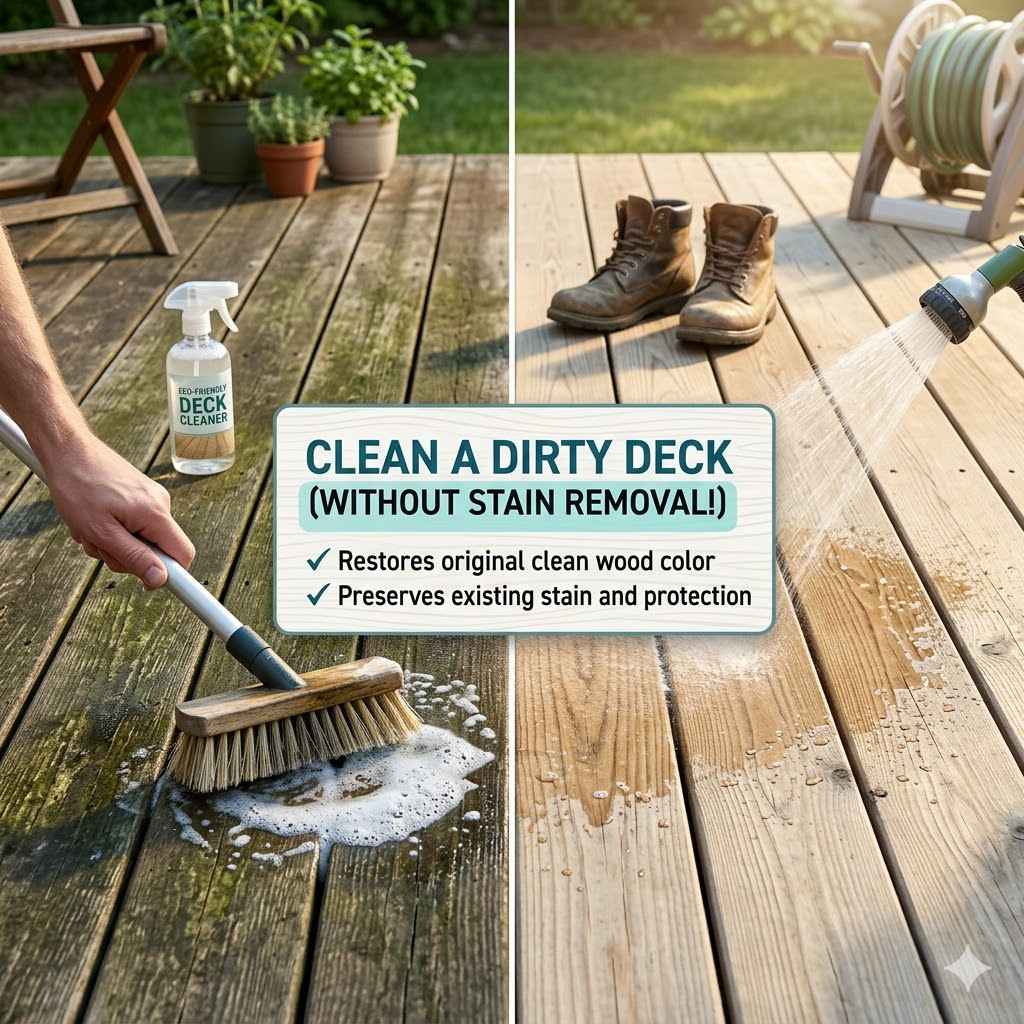
How to Clean a Dirty Deck Without Stain Removal
Many people find it tough to clean a dirty deck without removing the stain. It seems like a puzzle. You want your deck to look good again, but you don’t want to mess with the color.
It’s easy to feel stuck. But don’t worry, there’s a simple way to get your deck clean and looking great. This guide will walk you through it, step by step, so you can enjoy your outdoor space again.
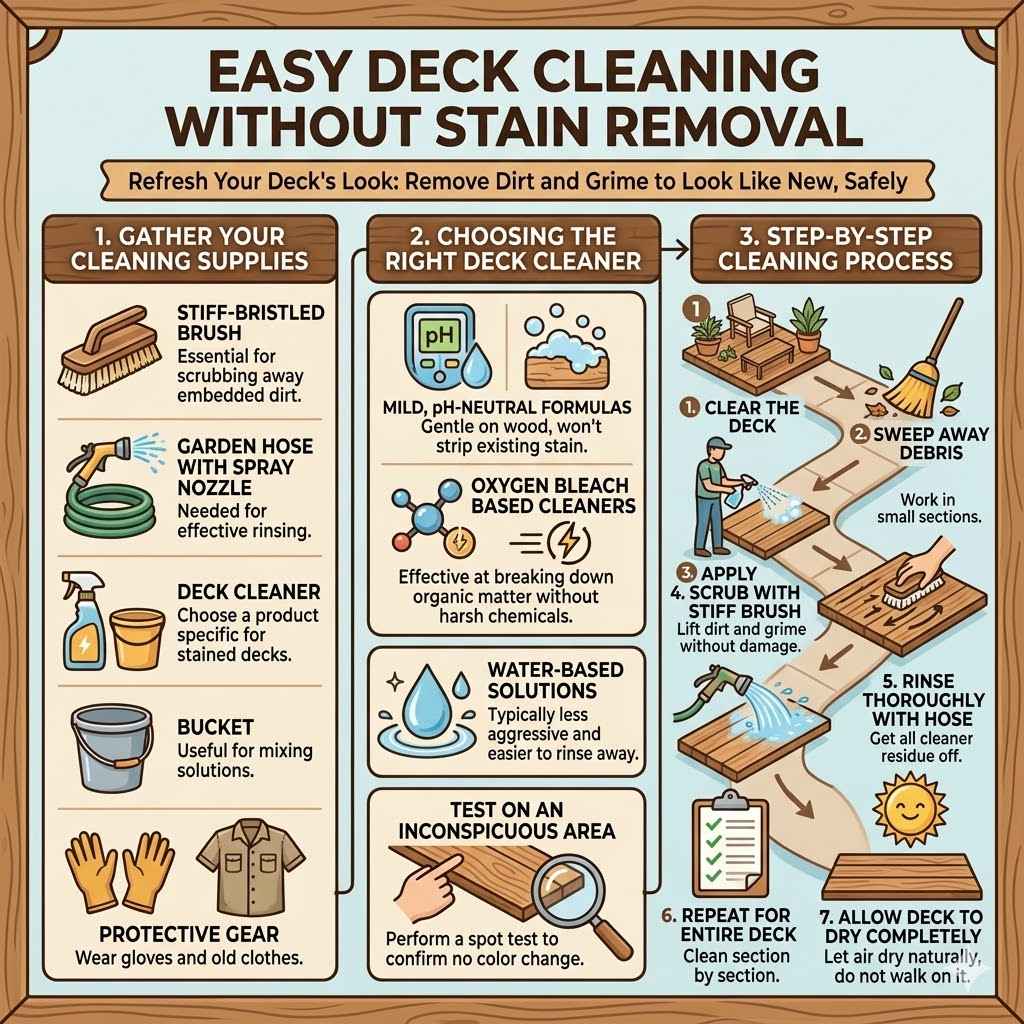
Easy Deck Cleaning Without Stain Removal
This section is all about helping you clean your deck without having to strip away the stain. We will explore methods that refresh your deck’s look. The goal is to remove dirt and grime.
This will make your deck look like new. We will cover what you need and how to do it safely.
Gathering Your Cleaning Supplies
Before you start, having the right tools makes cleaning much easier. You’ll want a stiff-bristled brush or a deck brush. This helps scrub away dirt.
A garden hose with a spray nozzle is also important. You can use this to rinse away loosened dirt and cleaning solutions.
Next, you need a good deck cleaner. Look for one that is safe for stained decks. Some cleaners are too harsh.
They can lift the stain you want to keep. Check the product label to make sure it says it’s safe for stained wood. You might also want a bucket to mix your cleaning solution.
Wear gloves to protect your hands and old clothes because cleaning can get messy.
- Stiff-Bristled Brush: Essential for scrubbing away embedded dirt and grime from the wood grain.
- Garden Hose with Spray Nozzle: Needed for effective rinsing of the deck and washing away cleaning agents.
- Deck Cleaner: Choose a product specifically designed for stained decks to avoid removing the color.
- Bucket: Useful for mixing cleaning solutions and holding water.
- Protective Gear: Gloves and old clothing are recommended to protect your skin and garments.
Choosing the Right Deck Cleaner
The type of cleaner you use is very important when you want to clean a dirty deck without removing the stain. You don’t want to use anything that will bleach or strip the wood. Many cleaners are designed to brighten wood.
These often contain harsh chemicals.
Instead, look for mild, pH-neutral cleaners. These are often labeled as “deck wash” or “deck brightener.” Some even use natural ingredients like oxygen bleach. Oxygen bleach works by breaking down dirt and mold.
It is much gentler than chlorine bleach. Always test a small, hidden area of your deck first. This ensures the cleaner won’t affect the stain color.
Many deck cleaners are water-based. They work by lifting dirt and mildew from the surface. Some might contain mild soaps or detergents.
These help to emulsify grease and grime. When you read the labels, look for terms like “gentle,” “safe for stained surfaces,” or “wood-friendly.” Avoid anything that suggests “stripping” or “restoring.”
- Mild, pH-Neutral Formulas: These cleaners are gentle on wood and won’t strip away existing stain.
- Oxygen Bleach Based Cleaners: Effective at breaking down organic matter like mold and mildew without harsh chemicals.
- Water-Based Solutions: Typically less aggressive and easier to rinse away, leaving the stain intact.
- Testing on an Inconspicuous Area: Always perform a spot test to confirm the cleaner won’t alter the stain’s color or appearance.
The Step-by-Step Cleaning Process
Cleaning your deck is a straightforward process. It just takes a little time and the right approach. First, clear everything off the deck.
This includes furniture, planters, and grills. You need a clear space to work.
Next, sweep the deck. Get rid of loose debris like leaves, dirt, and cobwebs. This makes the washing process more effective.
If you have a lot of debris, you might want to use a leaf blower.
Now, it’s time to apply the cleaner. Mix your chosen cleaner with water according to the product’s instructions. You can use a garden sprayer or a bucket and brush.
Work in small sections. This way, the cleaner doesn’t dry on the deck before you can rinse it.
Use your stiff-bristled brush. Scrub the deck surface. Go with the grain of the wood.
This helps to lift dirt and grime without damaging the wood. For stubborn spots, you might need to apply a little extra pressure.
After scrubbing a section, rinse it thoroughly with your garden hose. Make sure to get all the cleaner residue off. If you leave cleaner on the deck, it can leave marks.
Repeat this process for the entire deck.
Finally, let the deck dry completely. It’s best to let it air dry naturally. Avoid walking on it until it’s fully dry.
This usually takes a few hours, depending on the weather.
- Clear the deck of all items.
- Sweep away loose dirt and debris.
- Apply the cleaning solution to a small section.
- Scrub the deck with a stiff brush, following the wood grain.
- Rinse the section thoroughly with a hose.
- Repeat steps 3-5 for the entire deck.
- Allow the deck to dry completely.
Maintaining Your Clean Deck’s Appearance
Keeping your deck looking good after cleaning is just as important. Regular maintenance helps to preserve the stain. It also prevents dirt buildup.
This section will cover simple ways to do this.
Regular Sweeping and Rinsing
One of the easiest ways to keep your deck clean is by sweeping it often. Do this at least once a week. Sweep away leaves, dirt, and any other debris that lands on the surface.
This prevents dirt from getting ground into the wood. It also stops moisture from getting trapped. Trapped moisture can lead to mold and mildew growth.
A quick rinse with your garden hose can also make a big difference. Do this every few weeks or after a dusty period. It helps wash away surface dirt.
It also removes pollen and other small particles. This keeps your deck looking fresh. It’s a simple step that doesn’t take much time.
It significantly helps in preventing the need for deep cleaning.
Think of it like brushing your teeth. Doing it regularly keeps things healthy. Sweeping and rinsing your deck is the same for its surface.
It prevents bigger problems from forming. It’s much easier to sweep a few leaves than scrub away embedded grime later.
- Weekly Sweeping: Removes loose debris, preventing it from becoming embedded in the wood.
- Bi-weekly Rinsing: Washes away surface dust, pollen, and light dirt, maintaining a fresh appearance.
- Prevents Moisture Trapping: Regular cleaning stops water from sitting on the wood, reducing mold and mildew risks.
- Reduces Stubborn Grime: Simple, frequent cleaning stops dirt from hardening, making future deep cleans unnecessary.
Dealing with Mildew and Mold
Mildew and mold are common deck problems. They can appear in shady or damp areas. If you see them, don’t panic.
They are usually easy to tackle. For minor spots, you can often use a mild solution of water and white vinegar.
Mix equal parts white vinegar and water in a spray bottle. Spray the affected areas. Let it sit for about 15-20 minutes.
Then, scrub gently with your brush and rinse with water. The vinegar helps to kill the mold and mildew spores. It’s a natural solution that won’t harm your stain.
If the problem is more serious, you might need a specialized mold and mildew cleaner. Again, always choose one that is safe for stained wood. Follow the product instructions carefully.
Apply, scrub, and rinse as directed. Promptly dealing with these issues stops them from spreading and causing more damage.
- Natural Solution: A 50/50 mix of water and white vinegar can kill mild mold and mildew.
- Application Method: Spray the solution onto affected areas, let it sit, then scrub and rinse.
- Specialized Cleaners: For stubborn growth, use cleaners specifically designed for mold and mildew on stained decks.
- Prompt Action: Addressing mildew and mold quickly prevents them from spreading and becoming difficult to remove.
Protecting Your Deck from the Elements
The sun, rain, and snow can take a toll on your deck. Protecting it from the weather is key to its longevity. One way to do this is by applying a deck sealant or water repellent.
These products create a barrier on the wood. This barrier helps to repel water and UV rays.
Look for sealants that are clear or have a slight tint that matches your stain. This will not change the color of your deck. It will just add a layer of protection.
Apply the sealant according to the manufacturer’s instructions. Usually, this involves applying a thin coat and letting it dry.
How often you need to reapply depends on the product and your climate. Typically, it’s every one to two years. Applying sealant also helps to prevent stains from setting in.
It makes future cleaning easier. It’s a proactive step to keep your deck looking its best.
- Deck Sealants and Water Repellents: These create a protective barrier against water and UV damage.
- Tinted vs. Clear Sealants: Choose sealants that match or enhance your existing stain color, or opt for clear protection.
- Application Process: Follow product guidelines for applying a thin, even coat for best results.
- Reapplication Frequency: Typically needed every 1-2 years, depending on product and local weather conditions.
- Preventing Future Stains: A good sealant makes it harder for dirt and spills to penetrate the wood, simplifying cleaning.
Understanding Deck Materials and Stains
The type of wood your deck is made of and the kind of stain it has can affect cleaning. Knowing this helps you choose the right methods. This part explains these differences.
Common Decking Materials
Decks are often made from wood. The most common types are cedar, redwood, pine, and hardwoods like ipe. Cedar and redwood are naturally resistant to rot and insects.
Pine is a more budget-friendly option. Hardwoods are very durable and dense.
Each type of wood has its own characteristics. For example, softwoods like pine can be scratched more easily. Hardwoods are very tough.
The grain pattern also differs. Some woods have a tighter grain. Others have a more open grain.
The way the wood is cut and prepared also matters. For instance, pressure-treated lumber is common for decks. It’s treated with chemicals to resist decay and pests.
Knowing your deck’s material helps you understand how it will react to cleaning products and scrubbing. A softer wood might need a gentler approach.
- Cedar and Redwood: Naturally resistant to decay and insects, often a lighter color.
- Pine: A cost-effective option, often pressure-treated for durability.
- Hardwoods (Ipe, Teak): Very dense, durable, and resistant to wear and tear, with rich colors.
- Pressure-Treated Lumber: Treated to resist rot and pests, making it a popular choice for longevity.
- Wood Characteristics: Different woods have varying hardness, grain patterns, and natural resistances that influence cleaning needs.
Types of Deck Stains
Deck stains protect the wood. They also give it color. There are several types of stains.
Some are oil-based. Others are water-based. They also differ in how much pigment they have.
Transparent stains let the wood grain show through the most. They offer minimal color but add UV protection. Semi-transparent stains add more color.
They still allow some wood grain to be visible. They offer better protection than transparent stains.
Solid stains look more like paint. They cover the wood grain completely. They offer the most protection from the sun and weather.
When you clean your deck, it’s important to know what type of stain you have. Mild cleaners work well for all types. However, very harsh cleaners could potentially remove too much pigment from a semi-transparent or solid stain.
The age of the stain also matters. Older stains might be more worn. They could be more susceptible to damage from strong cleaners.
Always check the stain manufacturer’s recommendations if possible.
- Transparent Stains: Offer minimal color, allowing wood grain to show clearly, primarily for UV protection.
- Semi-Transparent Stains: Add more color while still revealing some wood grain, providing good protection.
- Solid Stains: Opaque, covering the wood grain completely, offering maximum protection similar to paint.
- Oil-Based Stains: Penetrate the wood, offering a natural look and good protection, often easier to reapply.
- Water-Based Stains: Easier to clean up, often more resistant to fading and mildew, and available in many colors.
When to Call a Professional
Sometimes, a DIY approach isn’t enough. There are situations where hiring a professional is the best choice. This section covers when that might be.
Severe Damage or Stains
If your deck has deep scratches, cracks, or splinters, it needs more than just cleaning. These issues require repair. A professional can assess the damage.
They can fix these problems before cleaning. This ensures a better result.
Similarly, if your deck has very old, stubborn stains from things like oil or rust, professional help might be needed. These can be hard to remove without special equipment or chemicals. A professional has the tools and expertise for tough jobs.
They can often remove these stains without damaging the deck.
Think about grease stains from a grill. They can seep deep into the wood. Or perhaps rust stains from metal furniture.
These are tough to tackle with everyday cleaners. Professionals have access to stronger, yet safe, cleaning agents. They know how to apply them without harming the wood or stain.
- Deep Scratches and Cracks: Visible damage to the wood itself often requires repair, not just cleaning.
- Stubborn Old Stains: Oil, grease, rust, or paint stains that have deeply penetrated the wood may need professional attention.
- Extensive Mold or Mildew: If mold or mildew has taken hold extensively and won’t budge with DIY methods.
- Wood Rot or Decay: Any signs of rot mean structural issues that need to be addressed by a professional for safety.
Lack of Time or Resources
Let’s be honest, deck cleaning can take time and effort. If you have a busy schedule, you might not have the hours needed. You might also lack the right tools or space.
In these cases, hiring a pro makes sense. They can do the work efficiently.
Professionals have all the necessary equipment. This includes specialized brushes, pressure washers (used carefully on decks), and cleaning solutions. They also have the experience to use them correctly.
This ensures a good clean without damaging your deck. It saves you the hassle of buying or renting tools.
It’s about valuing your time. If spending a weekend scrubbing your deck isn’t something you can or want to do, then a professional service is a great option. They offer a quick and effective solution.
You get a clean deck without the personal effort.
- Busy Schedules: If you lack the time for thorough cleaning, professionals can complete the job quickly.
- Lack of Equipment: Professionals own or have access to specialized tools and cleaners required for deck maintenance.
- Desire for Efficiency: They can perform the task more rapidly and effectively than most homeowners.
- Avoiding the Hassle: Outsourcing the job means you don’t need to purchase supplies or spend your free time cleaning.

Frequently Asked Questions
Question: Can I use a power washer to clean my deck without removing the stain?
Answer: Using a power washer requires extreme caution. If the pressure is too high or the nozzle is too close, it can absolutely strip the stain and damage the wood. It’s best to use the lowest setting and keep the wand moving constantly, or stick to manual scrubbing for safety.
Question: How often should I clean my deck?
Answer: A good rule of thumb is to give your deck a thorough cleaning once a year. However, regular sweeping and rinsing every few weeks can help maintain its appearance and prevent the buildup of dirt and grime.
Question: What if my deck has a painted finish instead of a stain?
Answer: Cleaning a painted deck without removing the paint is similar to cleaning a stained deck. Use mild cleaners and a soft to medium-bristled brush. Avoid harsh chemicals or abrasive scrubbing that could lift the paint.
Always test in a small area first.
Question: Will bleach damage my deck stain?
Answer: Chlorine bleach is very strong and can lighten or strip deck stains, especially semi-transparent or transparent ones. It’s better to use oxygen bleach, which is gentler, or a cleaner specifically designed for stained decks.
Question: How can I tell if my stain is still good before cleaning?
Answer: You can do a simple water test. Sprinkle some water on your deck. If the water beads up, your stain or sealant is likely still effective.
If the water soaks into the wood quickly, it may be time to reapply a protective finish after cleaning.
Summary
Keeping your deck clean without removing the stain is totally achievable. It involves using the right gentle cleaners and a bit of scrubbing. Regular sweeping and rinsing go a long way.
Protecting your deck with sealants also helps a lot. Remember to know your wood and stain type. If the job is too big, professionals can help.
Enjoy your refreshed deck.