How to Dispose of Lamp Oil: Safe & Eco-Friendly Tips
Are you staring at that half-empty bottle of lamp oil and wondering what to do next? You’re not alone.
Many people find themselves in this situation, unsure about the right steps to take. Disposing of lamp oil is not just about getting rid of it; it’s about doing it safely and responsibly. Imagine the peace of mind knowing you’ve done your part in protecting the environment while keeping your home safe.
Intrigued? We’ll guide you through easy, practical steps to dispose of lamp oil. This is information you won’t want to miss—read on to discover how you can take action today.
Lamp Oil Types
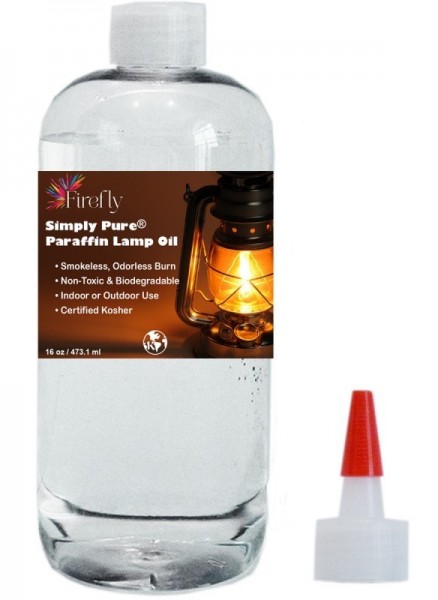
Lamp oil comes in many types. Kerosene is very common. It burns well. Paraffin oil is another type. It is clear and clean. Citronella oil keeps bugs away. It smells nice too. Olive oil can be used as lamp oil. It burns without smoke. Soy oil is eco-friendly. It is made from plants. Each oil has different uses.
Understanding oil parts is key. Hydrocarbons are in many oils. They help oil burn. Additives can change the oil’s smell. They may also affect burning. Color of oil can show its purity. Clear oil is often better. Viscosity tells how thick oil is. Thicker oil burns slower. Always read the label on oil bottles.
Safety Precautions
Be careful with lamp oil. It’s important to keep it away from flames. Use a funnel when pouring. This helps avoid spills. Clean spills quickly. Use a cloth or paper towel. Dispose of cloth safely. Oil can be slippery. Walk carefully if there’s a spill.
Wear gloves to protect your hands. Oil can irritate the skin. Use goggles for eye safety. Protect your eyes from splashes. A mask can help. Prevents breathing in fumes. Wear an apron or old clothes. Oil stains can be hard to remove. Be safe and wear the right gear.
Eco-friendly Disposal Methods
Many towns have local recycling programs. These programs take items like lamp oil. Find out if your town has one. Visit your town’s website. They will have information. You might need to call or email them. Tell them you have lamp oil to dispose of. Ask them where to take it. They will guide you. Make sure to follow their rules.
Some places have Community Hazardous Waste Centers. They help get rid of dangerous items. Lamp oil can be dangerous. These centers know how to handle it. Check if there’s one near you. Search online for the closest center. Call them before visiting. Ask what you need to bring. They might need your ID or proof of address. Be sure to follow their instructions.
Reusing And Repurposing
Disposing of lamp oil responsibly prevents environmental harm. Consider reusing oil for cleaning tools or lubricating machinery. Alternatively, donate unused oil to local recycling centers or community workshops.
Creative Uses For Leftover Oil
Leftover lamp oil can have many uses. You can use it in arts and crafts. Paintings, for example, can gain unique textures with oil. Use it for DIY candles too. The oil helps them burn longer. You can also make homemade torches. This can brighten your garden at night. Oil can be used for polishing wooden furniture. It adds a nice shine. Keep some oil for emergencies. It can be useful during power cuts. Try making oil lamps from glass jars. They look pretty and are easy to make. Always store oil in a safe place. Keep it out of reach of children. This ensures safety at home. Explore different ways to use the oil. Be creative and have fun!
Environmental Impact
Proper disposal of lamp oil is crucial to minimize environmental harm. Avoid pouring it down drains or onto the ground. Instead, take it to a local hazardous waste facility for safe disposal.
Effects Of Improper Disposal
Improper disposal of lamp oil harms our environment. The oil seeps into the ground. This can pollute water sources. Animals might drink this water and get sick. Plants may die from the oil. Soil can become toxic and affect farming. Bad air quality can result. People might breathe harmful fumes. It’s important to dispose of oil properly.
Benefits Of Eco-friendly Practices
Eco-friendly practices help our planet. Safe disposal keeps water clean. Animals stay healthy. Plants can grow strong. Air stays fresh and clean. People feel better with clean air. Recycling oil can save resources. It also helps reduce waste. Following eco-friendly ways makes a big difference. Everyone can help protect nature.
Credit: fireflyfuel.com
Legal Regulations
Lamp oil disposal rules are important. Environmental safety matters. Different places have different laws. Know your local rules. Some areas need special permits. Others have drop-off points. Never throw oil in trash. It can hurt nature. Pollution is a big problem. Use approved methods. Follow local guidelines.
Follow the rules always. Call local waste services for help. Ask about safe disposal. Some places recycle oil. Recycling helps the earth. Never pour oil down drains. It clogs pipes. It harms water life. Use clean bottles for storage. Label them clearly. Keep oil away from kids. Store in a cool place. Safety first.
Innovative Alternatives
Think about using bio-based oils. These oils come from plants. They are better for the environment. Another idea is to use solar lamps. They use the sun’s energy. No oil is needed. LED lamps are also a good choice. They save energy and last longer.
New technologies can help in oil disposal. Some gadgets turn old oil into biofuel. This is a green solution. Another tool cleans and reuses the oil. This helps save resources. Keep an eye on new ideas. They can make life easier.

Credit: www.youtube.com
Frequently Asked Questions
How Do You Dispose Of An Oil Lamp?
Dispose of an oil lamp by emptying and recycling its metal or glass parts. Check local guidelines for hazardous waste disposal. Clean thoroughly before recycling. Donate usable lamps to thrift stores or charities. Always handle oil and glass carefully to prevent spills or injuries.
How Do You Neutralize Lamp Oil?
To neutralize lamp oil, absorb it with baking soda or cat litter. Then, clean the area with soapy water. Dispose of the waste properly according to local regulations. Always ventilate the area to eliminate fumes.
What Is The Correct Method For Disposing Of Used Oil?
Take used oil to a recycling center or collection site. Store it in a sealed container. Avoid mixing with other substances. Contact local waste management for guidance. Never pour it down drains or on soil.
Does Lamp Oil Ever Go Bad?
Lamp oil can degrade over time. It can become cloudy, thick, or develop an off smell. Store it in a cool, dark place to prolong its shelf life. Regularly check for changes before using. Proper storage ensures it remains effective for longer periods.
Conclusion
Proper disposal of lamp oil protects the environment. Always follow local regulations for safe disposal. Check with waste management for guidance. Avoid pouring lamp oil down drains or toilets. Use absorbents like cat litter for spills. Store used oil in sealed containers.
Reach out to recycling centers if possible. Make sure your actions are eco-friendly. Small steps make a big difference. Responsible choices ensure a cleaner planet. Dispose of lamp oil thoughtfully and safely. Protect nature for future generations. Stay informed and proactive.
Your efforts matter.