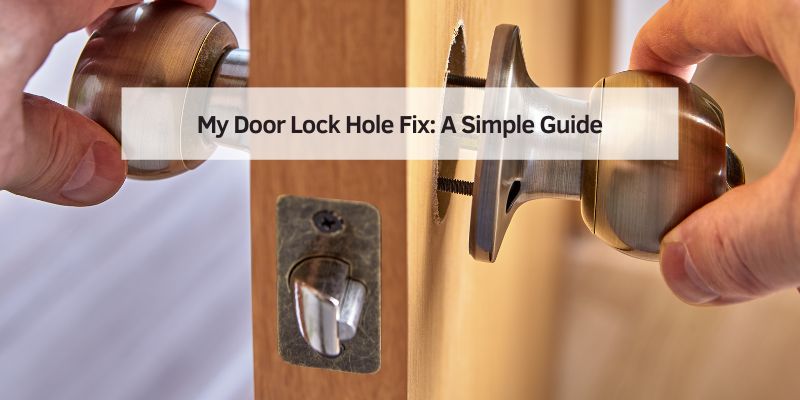
My Door Lock Hole Fix: A Simple Guide
My Door Lock Hole Fix: A Simple GuideLast summer, my front door lock started wobbling. The wood around it was crumbling, and I panicked! But I learned how to fix door lock hole wood deteriorated with some easy steps. This article shares my journey to help you fix your door. We’ll cover tools, steps, tips, and more. Let’s make your door strong again!
What Is a Deteriorated Door Lock Hole?
A deteriorated door lock hole happens when the wood around your lock weakens. It might crack, chip, or turn soft from wear or moisture. This makes screws loose, and your lock won’t hold. Fixing it saves money and keeps your door secure.
Why Does Wood Deteriorate?
Wood can break down because of:
- Moisture: Rain or humidity softens wood.
- Wear: Opening and closing the door stresses the lock area.
- Poor fixes: Old fillers or wrong screws can damage wood.
My door had a mix of moisture and wear. The wood felt like mush!
Tools and Materials You’ll Need
You don’t need fancy tools to fix a deteriorated lock hole. Here’s what I used:
| Tool/Material | Purpose | Cost (Approx.) |
|---|---|---|
| Screwdriver | Remove lock | $5-$10 |
| Wood filler | Fill holes | $8-$15 |
| Wood glue | Bond wood | $5-$10 |
| Dowels | Fill big holes | $3-$5 |
| Sandpaper | Smooth surface | $2-$5 |
| Chisel | Clean wood | $10-$20 |
| Drill | Make holes | $20-$50 |
Tip: Buy a wood filler like Minwax for small fixes or Bondo for bigger holes. Check This Old House for tool tips.
Safety First
Before starting, keep these safety tips in mind:
- Wear safety glasses to protect your eyes from dust.
- Use gloves to avoid splinters.
- Work in a well-lit area to see clearly.
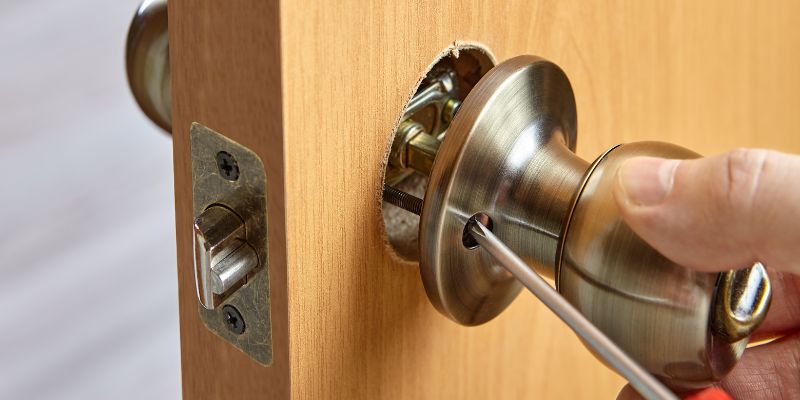
How to Fix Door Lock Hole Wood Deteriorated
Here’s my step-by-step guide to fix your door. It’s easy, I promise!
Step 1: Remove the Lock
Grab a screwdriver and take off the lock and strike plate. My lock was so loose, it practically fell out! Set the screws aside.
Step 2: Clean the Damaged Area
Use a chisel to scrape away soft or broken wood. I found crumbly bits in my door. Clean until you hit solid wood. This makes your fix stronger.
Step 3: Fill Small Holes
For tiny screw holes, try this trick I learned:
- Dip toothpicks in wood glue.
- Stuff them into the hole until tight.
- Let dry for an hour, then cut flush with a knife.
This fix costs pennies and works great!
Step 4: Fill Bigger Holes
For larger holes (like my lock area), use dowels:
- Measure the hole and buy a matching dowel (e.g., 1/2 inch).
- Coat the dowel with wood glue.
- Tap it into the hole with a hammer.
- Let dry overnight, then sand smooth.
Visual Idea: A diagram showing a dowel fitting into a hole would help here.
Step 5: Apply Wood Filler
For gaps or cracks, spread wood filler with a putty knife. I used Bondo, which dries fast. Smooth it out and let it dry (check the label). Sand it until it’s flat.
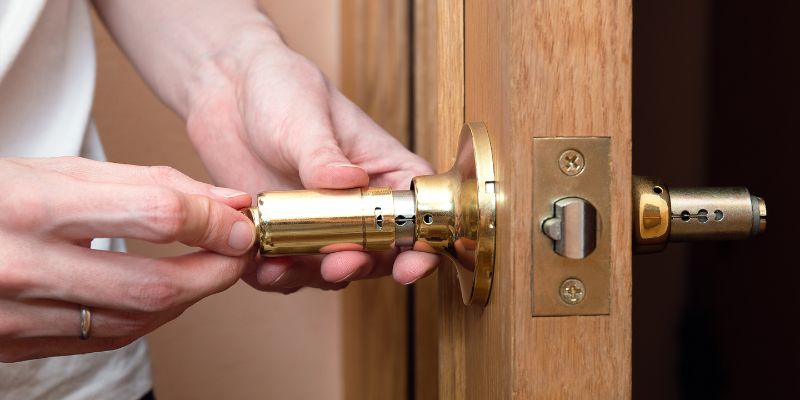
Step 6: Redrill and Reinstall
Once dry, drill new pilot holes for screws. Reattach the lock and strike plate. My door felt solid again! Test the lock to ensure it works.
Comparing Fix Methods
Here’s a table to choose the best fix for your door:
| Method | Best For | Pros | Cons |
|---|---|---|---|
| Toothpicks + Glue | Small screw holes | Cheap, quick | Weak for big holes |
| Dowels + Glue | Medium holes | Strong, lasting | Needs tools |
| Wood Filler | Cracks, gaps | Easy to apply | May shrink over time |
| Dutchman Patch | Large damaged areas | Professional look | Hard for beginners |
Visual Idea: A side-by-side image comparing toothpick and dowel fixes would be cool.
Benefits and Drawbacks of Fixing Your Door
Fixing a deteriorated lock hole is worth it. Here’s why:
- Benefits: Saves money (new doors cost $200+), keeps your home safe, and feels awesome!
- Drawbacks: Takes time (1-2 hours), and big damage might need a pro.
If your door is super old, consider a door reinforcement plate for extra strength.
My Top Tips for Success
After my fix, I picked up these tricks:
- Check for moisture: Seal your door to prevent future damage.
- Use long screws: They grab deeper wood for a stronger hold.
- Don’t rush: Let glue and filler dry fully, or your fix won’t last.
My first try was a mess because I skipped sanding. Don’t be like me!
Common Mistakes to Avoid
Here’s what I learned the hard way:
- Using too much filler: It cracks if piled on. Apply thin layers.
- Skipping cleaning: Loose wood weakens your fix. Scrape it out!
- Wrong tools: A dull chisel makes work harder. Sharpen it.
Alternative Approaches
If your door is too damaged, try these:
- Reinforcement Plate: Covers holes and adds strength. Check Bunnings Workshop.
- Replace the Door: Costs more but fixes big issues.
- Hire a Pro: For complex fixes, a carpenter saves time.
I stuck with dowels because they’re cheap and strong.
Frequently Asked Questions
What Causes Wood to Deteriorate Around a Door Lock?
Moisture, heavy use, or old fillers weaken wood. Seal your door to prevent water damage.
Can I Fix a Door Lock Hole Without Tools?
You need basic tools like a screwdriver and chisel. Toothpicks and glue work for small fixes.
How Long Does a Door Lock Hole Fix Last?
A good fix with dowels or filler lasts years if you seal the door against moisture.
Should I Use Wood Filler or Bondo?
Wood filler is great for small gaps. Bondo is stronger for big holes but harder to sand.
Can I Paint Over the Fixed Area?
Yes, sand it smooth and use primer first. Paint blends the fix with your door.
What If My Door Is Hollow Core?
Hollow doors need foam filler or a wood block inside. It’s trickier but doable.
When Should I Replace the Door?
If damage is huge or the door is weak, replace it. Fixes work best for small areas.
Conclusion
Fixing a door lock hole with deteriorated wood is easier than it looks. With simple tools, glue, and a bit of patience, your door can be strong again. I loved saving my door and learning new skills! Try this fix yourself, and share your story in the comments. Let’s keep our doors sturdy and safe!