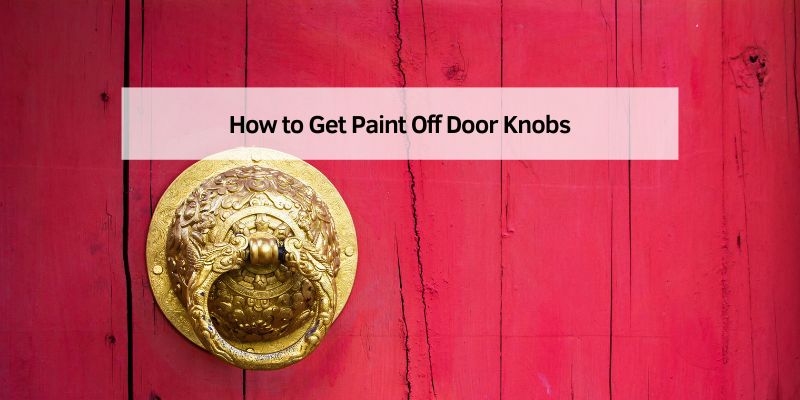
How to Get Paint Off Door Knobs
Hey there! Have you ever looked at your door knobs and noticed those annoying specks of paint that somehow ended up there during a home painting project? I know I have. It’s frustrating, right? You spend hours painting your walls or doors to make everything look fresh, only to find your shiny door knobs splattered with paint. Don’t worry, though—I’ve been through this mess myself, and I’m here to share everything I’ve learned about getting paint off door knobs without damaging them. Whether it’s a tiny drip or a full-on coat, I’ve tried and tested methods that work. Let’s dive into this step-by-step guide to make your door knobs sparkle again!
Why Paint Gets on Door Knobs in the First Place
Let’s start with the basics. Paint ends up on door knobs because, well, accidents happen. When you’re painting a door or a nearby wall, it’s easy to get a little careless with the brush or roller. I remember painting my living room last summer and accidentally brushing against the knob while trying to get the edges just right. Sometimes, it’s just a tiny drip that sneaks onto the metal. Other times, you might not tape off the knob properly, and it gets coated. Overspray from spray paint is another culprit—those tiny particles can land anywhere. Understanding why it happens helps you prevent it next time, but for now, let’s focus on cleaning up the mess.
Preparing to Remove Paint from Door Knobs
Before you start scrubbing, you need to prep. Trust me, I learned the hard way that jumping in without a plan can make things worse. First, figure out what type of paint you’re dealing with—latex (water-based) or oil-based. Latex paint is easier to remove, while oil-based paint can be stubborn. Check the paint can from your project, or if you’re unsure, test a small area with water. If it softens, it’s likely latex. If not, it’s probably oil-based.
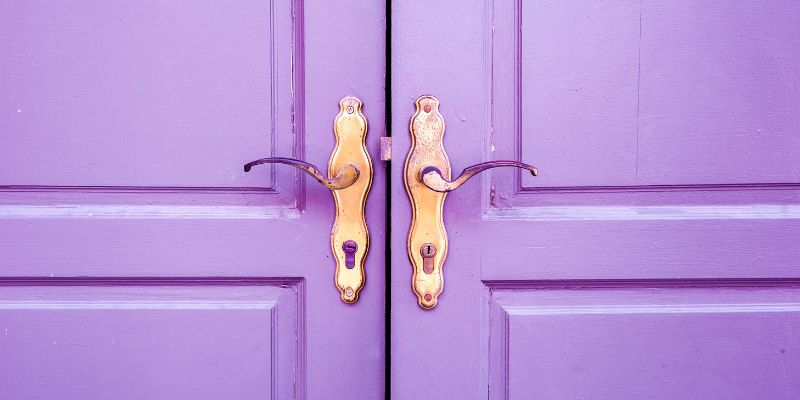
Next, identify the material of your door knob. Is it brass, stainless steel, nickel, or maybe even plastic? This matters because some methods can scratch or damage certain finishes. For example, I once used a harsh chemical on a brass knob, and it left a dull spot—lesson learned! Gather your supplies: gloves, a soft cloth, a plastic scraper (like an old credit card), mild dish soap, and some specific cleaners we’ll talk about later. If the knob is removable, consider taking it off the door for easier cleaning. I find this makes the job less awkward, especially for intricate designs.
Method 1: Using Soap and Water for Fresh Latex Paint
If the paint is still fresh and latex-based, you’re in luck—this is the easiest fix. I’ve had great success with this method when I catch the paint before it fully dries. Grab a bowl of warm water and add a few drops of mild dish soap. Dip a soft cloth or sponge into the soapy water, then gently rub the paint on the door knob. Keep the cloth damp, not dripping, to avoid water seeping into the knob’s mechanism.
Work in small circular motions, and don’t be afraid to apply a bit of pressure. I usually rinse the cloth frequently to avoid spreading paint around. If the paint is stubborn, let the soapy water sit on it for a minute or two to soften it. Once the paint starts lifting, wipe the knob dry with a clean cloth. This method worked like a charm when I got some white latex paint on my kitchen door knob last month. It took about five minutes, and the knob looked brand new.
Method 2: Rubbing Alcohol for Dried Latex Paint
For dried latex paint, rubbing alcohol is my go-to. I discovered this trick when I found some old paint splatters on my bedroom door knob that I’d missed during a renovation. Rubbing alcohol (isopropyl alcohol, 70% or higher) is gentle enough for most metal knobs but strong enough to break down latex paint.
Pour a small amount of rubbing alcohol onto a cotton ball or soft cloth. Test it on a small, hidden part of the knob first to make sure it won’t damage the finish. Then, rub the paint gently. You’ll see the paint start to dissolve and come off. I had to go over a few spots a couple of times, but it worked without scratching the knob. Wipe the area clean with a damp cloth afterward to remove any alcohol residue. This method is quick, and I love that it doesn’t leave a strong smell.
Method 3: Paint Remover for Oil-Based Paint
Oil-based paint is trickier, but don’t panic. I’ve tackled this before on an antique brass knob that got coated during a garage painting project. A chemical paint remover, like Goof Off or Klean-Strip, is your best bet. These products are designed to break down tough paints, but they’re strong, so use them carefully.
Put on gloves and work in a well-ventilated area. Apply a small amount of paint remover to a cloth or cotton swab—don’t pour it directly on the knob, as it can drip into the mechanism and cause problems. Dab the paint remover onto the paint and let it sit for the time recommended on the product label, usually a minute or two. Then, use a plastic scraper or your fingernail to gently lift the softened paint. I found that an old credit card works perfectly as a scraper without scratching the metal. Wipe the knob clean with a damp cloth and dry it thoroughly. Be cautious with brass or delicate finishes, as some removers can discolor them.
Method 4: Soaking for Stubborn Paint
Sometimes, paint gets into the crevices of ornate door knobs, and scrubbing just won’t cut it. I ran into this issue with a vintage glass knob in my hallway. The solution? Soaking. If your knob is removable, this method is a game-changer. Remove the knob from the door (usually just a screw or two) and soak it in a solution of warm water and white vinegar (1:1 ratio) for about 30 minutes. Vinegar helps loosen both latex and oil-based paints without being too harsh.
After soaking, use a soft-bristled brush, like an old toothbrush, to gently scrub the paint away. I was amazed at how easily the paint came off the glass knob after this soak. For metal knobs, check for any remaining paint and repeat if needed. Dry the knob completely before reattaching it to avoid rust. If vinegar doesn’t work, you can try a commercial paint remover for soaking, but follow the product instructions carefully.
Method 5: Sanding as a Last Resort
If all else fails, sanding can save the day—but use it sparingly. I’ve only had to do this once, on an old steel knob that was covered in layers of paint from years of sloppy paint jobs. Sanding is risky because it can scratch or dull the finish, so it’s best for knobs you plan to repaint or refinish.
Use fine-grit sandpaper (2000 grit or higher) and sand gently in small circular motions. I wrapped the sandpaper around my finger to control the pressure better. Focus only on the painted areas, and check your progress frequently. Once the paint is gone, polish the knob with a metal polish (like Brasso for brass) to restore its shine. This method takes patience, but it worked for me when nothing else did.
Protecting Your Door Knobs During Future Painting
Now that your knobs are paint-free, let’s talk about keeping them that way. I learned this the hard way after multiple cleanups. Before painting, cover your door knobs with painter’s tape or plastic wrap. I like to use a small plastic bag secured with tape for full coverage. If you’re using spray paint, consider removing the knobs entirely—it’s worth the extra effort. Also, lay down a drop cloth to catch drips. These simple steps save so much time and frustration later.
Comparing Paint Removal Methods
Here’s a quick table to help you choose the best method based on your situation:
| Method | Best For | Pros | Cons | Time Needed |
|---|---|---|---|---|
| Soap and Water | Fresh latex paint | Easy, safe, cheap | Only works on fresh paint | 5-10 minutes |
| Rubbing Alcohol | Dried latex paint | Fast, gentle on most finishes | May need multiple applications | 10-15 minutes |
| Paint Remover | Oil-based paint | Very effective, works on tough paint | Strong chemicals, needs ventilation | 15-20 minutes |
| Soaking | Ornate or removable knobs | Great for crevices, gentle | Takes longer, requires disassembly | 30-60 minutes |
| Sanding | Stubborn paint, old knobs | Removes all paint | Risk of scratching, time-consuming | 20-30 minutes |
Tips for Success
Over the years, I’ve picked up a few tricks that make this process smoother. Always test any cleaner on a small area first. Work in a well-lit area so you can see all the paint spots. If you’re using chemicals, keep a window open or use a fan for ventilation. And don’t rush—patience is key to avoiding damage. If your knob has a lacquered finish, avoid harsh chemicals altogether, as they can strip the coating. Lastly, clean your tools right after use to avoid spreading paint residue.
My Personal Experience
I’ve tackled paint on door knobs in several homes, from modern stainless steel to vintage brass. Each time, I learn something new. The soap and water method is my favorite for quick fixes, but soaking saved me with those tricky ornate knobs. The key is to match the method to the paint and knob type. I once spent an hour sanding a knob only to realize rubbing alcohol would’ve worked faster—don’t make my mistake! Take your time to assess the situation, and you’ll get great results.
Conclusion
Getting paint off door knobs doesn’t have to be a headache. Whether you’re dealing with a fresh drip or years-old splatters, there’s a method that will work for you. I’ve shared my tried-and-true techniques, from simple soap and water to careful sanding, so you can restore your knobs to their former glory. The key is to be patient, use the right tools, and protect your knobs during future projects. Now, grab your supplies and give it a try—your door knobs will thank you! If you have any questions or want to share your own tips, I’d love to hear them. Happy cleaning!
Frequently Asked Questions
How do I know if the paint on my door knob is latex or oil-based?
Check the paint can from your project. If you don’t have it, dab a cloth with water on the paint. If it softens, it’s likely latex. If it doesn’t budge, it’s probably oil-based. Rubbing alcohol can also help—latex paint will dissolve, but oil-based won’t.
Can I use acetone to remove paint from door knobs?
Acetone is strong and can work, but I avoid it because it can damage some finishes, especially on brass or lacquered knobs. Try rubbing alcohol or a paint remover first, and always test on a small area.
Will these methods work on glass door knobs?
Yes, most methods work on glass knobs. Soaking in vinegar and water is especially effective for glass, as it’s gentle and gets into crevices. Avoid sanding, as it can scratch the glass.
How can I prevent paint from getting on my door knobs again?
Cover knobs with painter’s tape or plastic wrap before painting. For spray paint, remove the knobs if possible. A drop cloth also helps catch drips. Taking these steps saves so much cleanup time!
What should I do if I accidentally scratch my door knob?
If you scratch the knob, polish it with a metal polish like Brasso for brass or stainless steel cleaner for other metals. For deeper scratches, you might need to refinish or replace the knob.