How To Get Rid Of A Woodchuck Under My Deck For Good
Finding a woodchuck, or groundhog, under your deck can be a real bother. You worry about damage to your home and garden. You might feel uneasy knowing a wild animal is so close.
This guide helps you understand these critters and find kind ways to move them on.
Getting rid of a woodchuck under a deck involves humane removal, creating barriers, and making the area less inviting. This ensures the animal is safely relocated and prevents future infestations without causing harm.
Understanding Woodchucks (Groundhogs)
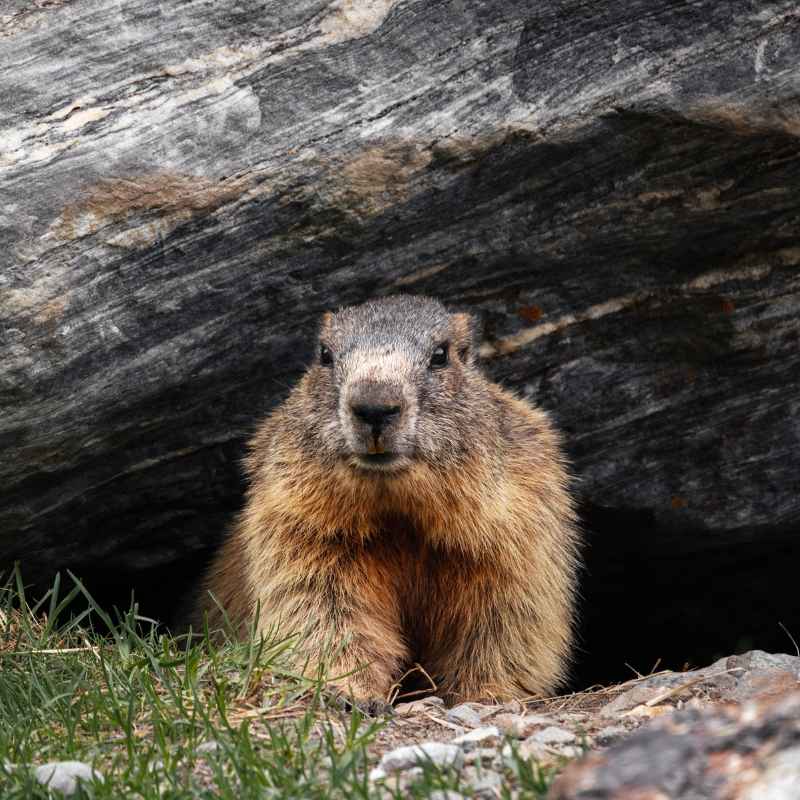
Woodchucks are also called groundhogs. They are furry rodents that like to dig. You often see them in yards and gardens.
They are usually shy but can become a problem if they decide your deck area is home.
These animals are most active in the morning and late afternoon. They dig burrows to live and raise their young. These burrows can be quite extensive.
A woodchuck might dig one main home and several smaller entrances. This digging can affect the ground under your deck.
Woodchucks eat plants, vegetables, and fruits. They can damage your garden. They also might chew on wood or wires.
This is why getting them to leave is important for your property.
Why Woodchucks Choose Decks
Woodchucks look for safe, sheltered spots to live. A deck offers protection from predators and weather. It’s like a ready-made roof for them.
The open space under a deck is ideal for digging a burrow.
They are drawn to areas with nearby food sources. If you have a garden or tasty plants, they’ll find it. The soil under a deck is often soft.
This makes it easy for them to start digging their home.
They also like areas that are not disturbed often. Under a deck is usually a quiet, hidden place. This makes it a perfect spot for a woodchuck family.
Signs of a Woodchuck Under Your Deck
You might not see the woodchuck at first. But there are clear signs. Look for fresh piles of dirt.
This is a sure sign of digging. The dirt will be near the edge of your deck. You might see holes leading under the deck structure.
Another sign is damaged plants. If your garden looks nibbled, a woodchuck could be the culprit. You might also hear noises.
Scratching or rustling sounds from under the deck are common. You could also see wood shavings or chew marks on deck supports.
Sometimes, you might spot their droppings. They look like small, dark pellets. Their presence can also scare away other small animals you might like to see.
My Own Woodchuck Encounter
I remember one spring afternoon, I was enjoying coffee on my porch. I heard a strange rustling sound from under the deck. It was louder than a squirrel.
I peeked under and saw a big, furry shape. It was a woodchuck! It looked quite settled in.
My heart sank a little. I had a vegetable garden nearby, and I knew it wouldn’t be long before it became a buffet for him. I felt a mix of surprise and annoyance.
I knew I had to do something, but I didn’t want to hurt the creature.
I saw a large pile of dirt pushed out from one corner. It looked like it had been digging for a while. The woodchuck itself seemed unbothered by my presence at first.
It just blinked at me. But I knew this wasn’t good for my deck’s foundation or my prize-winning tomatoes. I spent the next few days researching humane ways to encourage it to move on.
It felt like a mini-crisis under my own home!
Humane Ways to Encourage Woodchucks to Leave
The goal is to make your deck area less appealing. You want the woodchuck to move on its own. Never try to trap and relocate without checking local laws.
Some states have rules about this.
Making noise can help. Woodchucks are sensitive to loud sounds. You can bang pots and pans near the area.
You can also use a radio. Keep it on a talk station during the day. This constant sound can disturb them.
They prefer quiet, undisturbed spaces.
Light can also be a deterrent. Place bright lights under the deck. Solar lights are a good option.
They turn on automatically at night. They can make the area feel unsafe for the animal. Motion-activated sprinklers can also startle them.
Ammonia-soaked rags can also work. Place them near the burrow entrance. The smell is strong and unpleasant for woodchucks.
Mothballs are sometimes suggested, but they can be harmful to pets and the environment. Use them with caution, or better yet, avoid them.
Quick Scan: Woodchuck Deterrents
- Sound: Radios, banging pots, loud voices.
- Light: Bright lights, solar lights, motion-activated lights.
- Smell: Ammonia-soaked rags, strong natural scents like castor oil.
- Water: Motion-activated sprinklers.
Natural Repellents and Smells
Woodchucks have a good sense of smell. Strong odors can make them want to leave. Things like castor oil, cayenne pepper, and garlic can deter them.
You can mix these with water and spray them around the deck.
Another natural option is predator urine. You can buy this at garden stores. The scent of a fox or coyote can scare a woodchuck away.
Be sure to follow the product’s instructions.
Some people find that planting strong-smelling herbs near the deck helps. Mint, basil, and marigolds are good choices. These plants can create a natural barrier.
The woodchuck might decide your yard is not worth the bother.
Make sure to reapply these repellents often. Rain and sun can wash away the smells. You need to keep the scent strong to be effective.
Physical Barriers and Exclusion
Once the woodchuck has left, you need to block its way back. This is key to preventing them from returning. You need to build a strong barrier.
Woodchucks are good diggers. They can chew through some materials.
Use sturdy wire mesh, like hardware cloth. Make sure it has small holes, about 1/2 inch. Bury the mesh at least 1 foot deep.
This stops them from digging under it. Bend the bottom part of the mesh outward in an L-shape. This makes it harder for them to tunnel.
The barrier should be at least 3 feet high. It should go all around the deck. Make sure there are no gaps.
Woodchucks are persistent. They will look for any small opening.
Barrier Building Tips
- Material: Use strong, galvanized hardware cloth (1/2-inch mesh).
- Depth: Bury at least 1 foot into the ground.
- Shape: Bend the bottom outward in an L-shape.
- Height: At least 3 feet tall.
- Coverage: Seal all gaps around the deck perimeter.
Making Your Yard Less Attractive
Woodchucks like easy access to food. Keep your garden tidy. Harvest ripe vegetables promptly.
Do not leave fallen fruit on the ground. This is a common attractant.
Keep your lawn mowed. Long grass offers cover for woodchucks. It makes them feel safer to come out.
Trim back any overgrown bushes or weeds near the deck.
Secure your garbage cans. If you compost, make sure the bin is animal-proof. Woodchucks are opportunistic eaters.
They will raid compost piles.
Consider planting things woodchucks don’t like. They tend to avoid plants with strong smells or bitter tastes. Examples include lavender, rosemary, and peppers.
When to Call a Professional
Sometimes, you cannot get rid of a woodchuck on your own. If the animal is sick or injured, call an expert. They know how to handle wild animals safely.
If you have tried many methods without success, a professional can help. They have tools and experience. They can assess the situation.
They can then suggest the best course of action for your specific problem.
Wildlife removal services are trained in humane methods. They understand animal behavior. They can safely remove the woodchuck.
They can also help with prevention strategies. This is especially true if the infestation is severe or if the animal is aggressive.
Professional Help Scenarios
Scenario: A woodchuck is acting strangely, perhaps lethargic or aggressive.
Action: Contact local animal control or a wildlife rehabilitator immediately.
Scenario: You’ve tried multiple humane deterrents, but the woodchuck remains.
Action: Seek advice from a professional wildlife removal expert.
Scenario: The woodchuck has caused significant structural damage to your deck or home.
Action: A professional can assess the damage and recommend repairs along with removal.
Understanding Woodchuck Behavior
Woodchucks are generally solitary animals. They are most active during daylight hours. They hibernate during the winter months.
Their burrows are often elaborate. They have multiple chambers for sleeping, nesting, and latrines.
Their diet consists mainly of plants. This includes grasses, clover, and garden vegetables. They are not typically aggressive.
But they will defend themselves if cornered. They have sharp teeth and claws.
A female woodchuck can have a litter of 3-7 young. These young are born in the spring. They stay with their mother for a few weeks.
Then they venture out on their own.
Legal and Ethical Considerations
It is important to know the laws in your area. Some states and cities have regulations about handling wildlife. You cannot always trap and move animals yourself.
Humane treatment is essential. The goal is to encourage the animal to leave, not to harm it. Avoid using poisons or lethal traps.
These can be inhumane. They can also harm non-target animals, including pets.
Always consider the animal’s welfare. If you must remove a woodchuck, do it responsibly. Check with your local wildlife agency for guidance.
Signs of a Healthy Woodchuck
A healthy woodchuck will be active and alert. It will move with purpose. It will have a glossy coat.
Its eyes will be clear. It will run away from perceived threats.
Signs of an unhealthy woodchuck include lethargy. It might appear sick or injured. Its fur might be matted or patchy.
It may have open sores or discharge from its eyes or nose.
If you suspect a woodchuck is sick, do not approach it. Contact your local animal control or a wildlife rescue organization. They are equipped to handle such situations safely.
Woodchuck Health Check
Normal Signs:
- Active and alert
- Glossy fur
- Clear eyes
- Flees from humans
Concerning Signs:
- Lethargic or weak
- Visible injuries or sores
- Matted or patchy fur
- Discharge from eyes or nose
- Aggressive or unusually bold behavior
Damage Woodchucks Can Cause
Woodchucks can cause significant damage to property. Their digging can undermine decks and patios. This can create unstable ground.
It can lead to costly repairs. The burrows can also weaken foundations.
In gardens, they can destroy entire crops. They eat a variety of vegetables and fruits. They can also damage landscaping.
They might chew on young trees or shrubs.
Woodchuck burrows can also be a hazard. People or pets can fall into them. This can cause injuries.
The burrows can also become homes for other pests.
Preventing Future Woodchuck Problems
Prevention is always better than dealing with an infestation. Regularly inspect your yard and deck. Look for early signs of digging.
Address them quickly.
Keep your garden and yard well-maintained. Remove fallen fruit and debris. Mow your lawn regularly.
Trim back dense vegetation.
Consider planting deterrent plants around the perimeter of your yard. These can help discourage woodchucks from approaching in the first place.
If you have a compost bin, ensure it is sealed tightly. Never feed wild animals. This encourages them to stay in the area.
Prevention Checklist
Regular Checks:
- Inspect for new holes or dirt piles weekly.
- Check garden for signs of nibbling.
Yard Maintenance:
- Mow lawn consistently.
- Trim overgrown bushes and weeds.
- Clean up fallen fruit and garden debris.
Deterrents:
- Plant strong-smelling herbs or flowers.
- Ensure compost bins are secure.
Woodchuck Diet and Food Preferences
Woodchucks are herbivores. Their diet is varied. They eat many types of plants.
This includes grasses, clover, alfalfa, and dandelions. They also love cultivated vegetables.
Popular garden foods for woodchucks include beans, peas, carrots, lettuce, and corn. They will also eat fruits like apples and berries. They are drawn to lush, green vegetation.
They are less likely to eat plants with fuzzy leaves or strong odors. They also avoid plants that are very bitter. Knowing their preferences helps in choosing garden plants that might deter them.
What This Means for Your Deck
A woodchuck under your deck is more than just an annoyance. Their digging can compromise the structural integrity of your deck. The constant tunneling can loosen the soil.
This affects the stability of the deck posts. In some cases, this can lead to serious safety issues.
The burrows can also create entry points for other pests. Termites, ants, or other rodents might move into the abandoned burrows. This can lead to a secondary infestation.
Woodchucks may also chew on wooden beams or supports. This can weaken the wood.
It’s important to address the problem quickly. Once the woodchuck is gone, you need to assess any damage. Repair any weakened structures.
Then, put up barriers to prevent them from returning.
When Woodchuck Activity is Normal
Woodchuck activity is normal when they are in their natural habitat, away from homes. Seeing a woodchuck in a field or woods is expected. They are a part of the ecosystem.
Their digging is also natural behavior. It is how they build their homes. The presence of burrows in undeveloped areas is normal.
The spring and summer months are their active seasons.
It is only when they choose to burrow under human structures like decks that it becomes a problem. Their natural behaviors then conflict with our need for safe and stable homes.
When to Worry About Woodchuck Presence
You should worry if the woodchuck is very close to your home’s foundation. Their burrowing activity can reach foundations. This can cause structural damage.
It’s a concern if you see them acting aggressively or unusually tame.
If you notice significant chewing on wooden parts of your deck or house, that’s a worry. Also, if the digging is extensive and seems to be undermining the ground beneath the deck. Signs of illness in the animal, like lethargy or open wounds, are also cause for concern.
Watch for signs of multiple woodchucks. This could indicate a larger problem. If you have pets or young children, their safety is a priority.
A woodchuck might attack if it feels threatened.
Simple Checks You Can Do
Start by looking for fresh dirt piles. These are the most obvious signs of burrowing. Check around the perimeter of your deck.
See if there are any new holes.
Gently tap on the ground near the deck. If you hear hollow sounds, it might indicate tunnels. Listen for any scratching or rustling sounds from under the deck.
You can also look for chew marks on the wood supports.
Check your garden and surrounding landscaping for signs of feeding. Are plants being eaten? Are there any trails leading from the deck to the garden?
Make sure your pets are safe. Keep them away from any suspected burrow entrances. Observe the woodchuck from a distance if you see it.
Do not try to approach it.
Quick Checks for Woodchuck Activity
1. Look for Dirt Piles: Fresh soil pushed out near deck edges is a key sign of digging.
2. Listen Carefully: Scratching, rustling, or gnawing sounds from under the deck.
3. Inspect for Holes: Small, dark openings at the base of the deck or in the ground nearby.
4. Check for Damage: Noticeable chew marks on wood, or plants in your garden being eaten.
5. Assess Ground Stability: Feel for unusual softness or hollowness in the ground around the deck.
Effective Quick Fixes and Prevention Tips
To encourage a woodchuck to leave quickly, try strong scents. Soak rags in ammonia or cider vinegar. Place them near the burrow entrance.
The strong smell can be very unpleasant for them.
Motion-activated sprinklers are also effective. The sudden spray of water can startle and deter them. Set them up to cover the area under your deck.
Playing a radio under the deck can also help. Keep it tuned to a talk station. The constant noise and voices can make the area seem occupied and unsafe.
For long-term prevention, install a fence. A sturdy wire mesh fence. Bury it deep.
Bend the bottom outward. This makes it hard to dig under.
Keep your yard clean. Mow grass regularly. Remove fallen fruit.
Trim bushes. A tidy yard is less inviting.

Frequently Asked Questions About Woodchucks Under Decks
Can a woodchuck damage my deck’s foundation?
Yes, their digging can loosen the soil around deck posts. This can affect stability over time. Their burrows can undermine the ground supporting your deck.
Is it safe to leave a woodchuck alone under my deck?
It’s generally not safe. They can cause structural damage. Their burrows can pose a tripping hazard.
They may also attract other pests. It’s best to encourage them to move.
What is the best humane way to get rid of a woodchuck?
The best humane methods involve making the area uncomfortable. Use strong smells, noise, and light. Then, seal off all entry points once they leave.
This prevents them from returning.
Can I use poison to kill a woodchuck under my deck?
Using poison is strongly discouraged. It is inhumane. It can harm other animals, including pets.
It can also contaminate the environment. Check local laws; poison is often illegal.
How long does it take for a woodchuck to leave once I start deterring it?
It varies. Some might leave in a few days. Others might take a week or more.
Persistence with deterrents is key. Make sure to seal the entrance once they are gone.
What if I find baby woodchucks under my deck?
If you find babies, their mother is likely nearby. It’s best to wait. Try deterrents outside the burrow.
If the mother leaves, the babies might follow. If you suspect abandonment, contact wildlife rescue.
Final Thoughts on Woodchuck Removal
Dealing with a woodchuck under your deck requires patience and understanding. The goal is always humane removal. By using deterrents and creating barriers, you can reclaim your space.
Remember to maintain your yard. This helps prevent future problems.
Sponsored / affiliate links. As an Amazon Associate I earn from qualifying purchases. I may earn additional commission from eligible campaigns.