How to Install a Kwikset Door Knob Step-by-Step
Installing a Kwikset door knob might seem tricky if you haven’t done it before. You might worry about getting the parts right or making sure it locks properly. Many people find this task a little confusing the first time they try it.
But don’t worry, it’s actually a straightforward process. This guide will show you exactly How to Install a Kwikset Door Knob Step-by-Step, making it super easy to follow.
This section focuses on the entire process of replacing an old door knob with a new Kwikset one. We’ll cover everything from the moment you decide to start until the new knob is fully functional and secure. Our aim is to break down each stage into simple, actionable steps so that anyone, even with very little DIY experience, can feel confident completing this home improvement task.
We want you to feel empowered to tackle this yourself and save money on professional help.
Gathering Your Tools and Parts
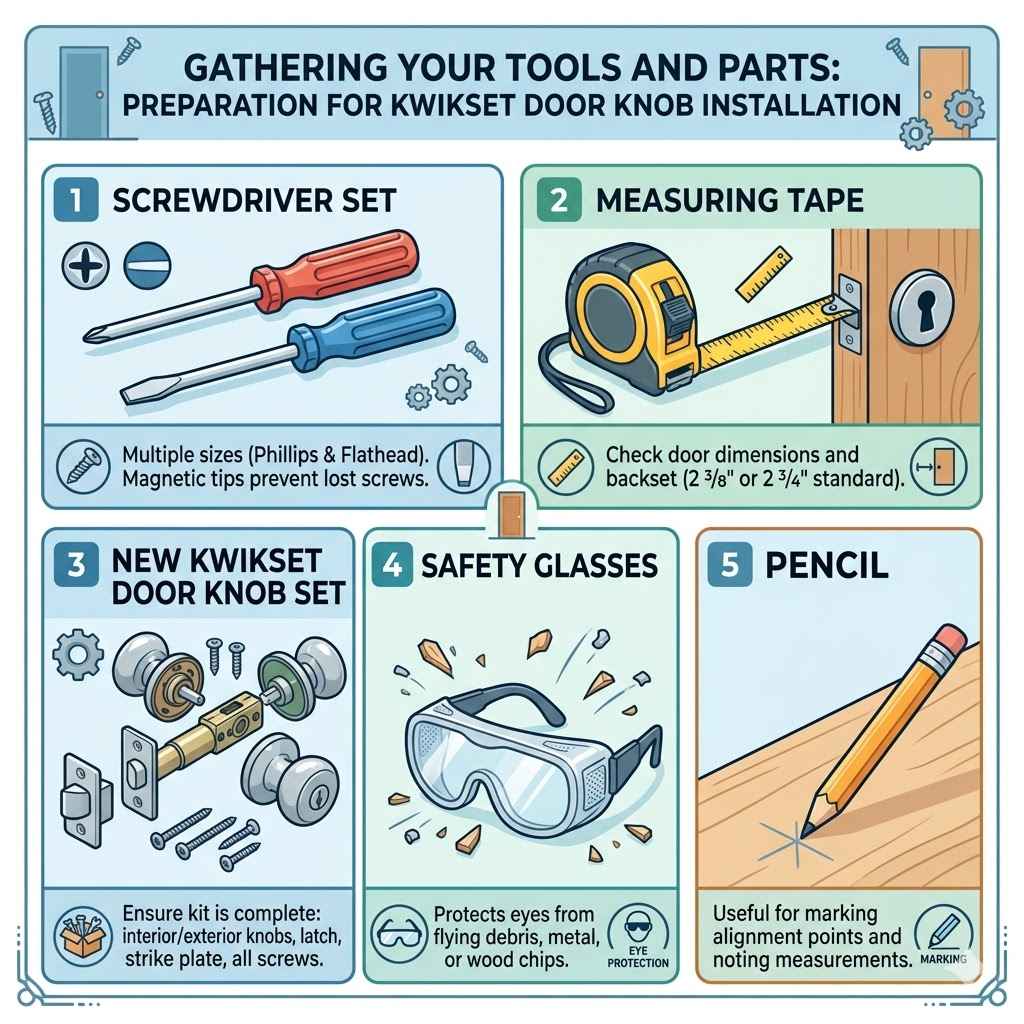
Before you begin, having all the necessary tools and parts ready makes the job much smoother. This preparation prevents interruptions and frustration midway through the installation. It ensures you have everything within reach when you need it, allowing for a continuous and efficient workflow.
Screwdriver Set: You’ll likely need both Phillips head and flathead screwdrivers. Phillips head screwdrivers have a cross-shaped tip, which is common for Kwikset hardware. Flathead screwdrivers are useful for prying or turning certain types of screws. Having a set with various sizes is best, as different screws can have different head sizes. A magnetic tip can also be very helpful to hold screws in place, preventing them from falling into hard-to-reach spots.
Measuring Tape: While not always strictly necessary for a direct replacement, a measuring tape is useful for ensuring you have the correct size door knob for your door’s dimensions, especially the backset. The backset is the distance from the edge of the door to the center of the hole where the doorknob mechanism is installed. Standard backsets are usually 2 3/8 inches or 2 3/4 inches.
New Kwikset Door Knob Set: Make sure your new Kwikset door knob comes with all the necessary components, including the interior knob, exterior knob, latch mechanism, strike plate, screws, and any mounting hardware. It’s important to check the box contents against the instruction manual provided by Kwikset to ensure nothing is missing before you start.
Safety Glasses: Protecting your eyes is always a good idea when working with tools or removing old hardware. Small pieces of metal or wood can fly off unexpectedly. Wearing safety glasses is a simple precaution that can prevent serious injury.
Pencil: A pencil is helpful for marking alignment points or noting measurements if needed.
Removing the Old Door Knob
Taking off the old door knob is the first active step in our How to Install a Kwikset Door Knob Step-by-Step guide. It might seem simple, but sometimes old hardware can be stubborn. Following these steps carefully will help you remove the old knob without damaging your door.
Identifying Screw Locations
Most door knobs are attached with screws. These are usually visible on the inside part of the door knob. Some older knobs might have decorative covers that you need to pry off first to access the screws.
Look for small openings or seams on the interior knob assembly. These often indicate where a small flathead screwdriver can be inserted to gently pop off the cover plate, revealing the screws beneath.
Unscrewing the Knobs
Once you’ve found the screws, use the appropriate screwdriver to loosen and remove them. Typically, there are two main screws holding the interior and exterior parts of the knob together. Keep these screws in a safe place, like a small bowl or a magnetic tray, so they don’t get lost.
If the screws are particularly tight or corroded, a drop of penetrating oil might help loosen them. Be patient and avoid forcing them, which could strip the screw head or damage the door.
Detaching the Latch Mechanism
After removing the screws, the door knob assembly should start to come apart. The latch mechanism, which is the part that extends into the door frame to keep the door closed, will be located in the edge of the door. It’s usually held in place by two screws on the edge of the door.
Remove these screws, and you should be able to slide or pull the latch mechanism out from the door’s edge. This part is essential for the new knob to function correctly.
Installing the New Kwikset Door Knob
This is where your new Kwikset door knob starts to take shape on your door. This part of How to Install a Kwikset Door Knob Step-by-Step is all about putting the new pieces in place and securing them. We’ll guide you through each component.
Installing the Latch Mechanism
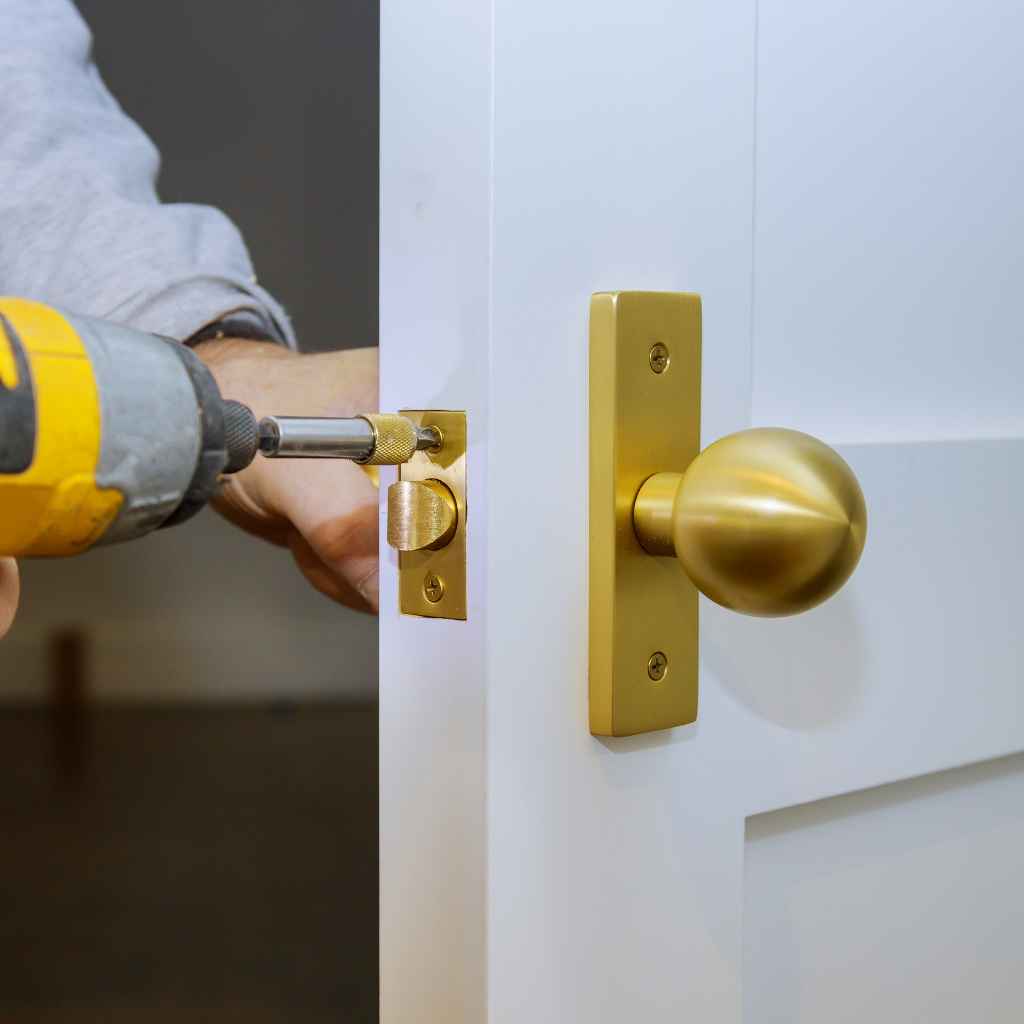
Your new Kwikset knob will come with a new latch mechanism. Insert this new latch into the hole on the edge of the door. Make sure the rounded or beveled edge of the latch faces the direction the door closes.
This orientation is crucial for the latch to engage properly with the strike plate. Secure the latch in place with the provided screws. Ensure it sits flush with the door’s edge.
If it sticks out, the door might not close properly.
Attaching the Exterior Knob Assembly
The exterior knob assembly is the part that faces the outside of your door. It has a spindle that passes through the door and connects to the interior mechanism. Align this exterior knob with the latch mechanism and the hole in the door.
The spindle should pass through the opening in the latch mechanism. Some Kwikset models have a specific orientation for the exterior knob, so check the provided instructions.
Connecting the Interior Knob Assembly
The interior knob assembly typically has a mounting plate that aligns with the exterior assembly. Slide this interior knob onto the spindle extending from the exterior knob. It should fit snugly and cover the mounting plate.
Ensure the spindle from the exterior knob is correctly seated within the interior mechanism. This connection is what allows the knobs to operate the latch together.
Securing the Knobs with Screws
Now, you’ll use the screws provided with your new Kwikset door knob to secure both halves together. Insert the screws through the designated holes in the interior knob assembly and into the corresponding holes or mounting plate of the exterior assembly. Tighten the screws evenly, alternating between them to ensure a secure and balanced fit.
Do not overtighten, as this can strip the screws or damage the knob components. The goal is a firm, stable fit that doesn’t wobble.
Testing and Final Touches
After the main installation, it’s vital to test the knob to make sure everything works as it should. This final stage of How to Install a Kwikset Door Knob Step-by-Step ensures your security and convenience. It’s about confirming your work and making sure the door operates smoothly.
Functionality Test
Operate the door knob several times. Turn the knob to retract the latch and open the door. Then, let the latch extend and close the door.
Check if the latch fully engages with the strike plate in the door frame. Ensure the knob turns smoothly in both directions and that the locking mechanism, if applicable, engages and disengages properly. If the knob feels stiff or sticky, you might need to slightly loosen the mounting screws and re-tighten them to find the sweet spot.
Strike Plate Adjustment
The strike plate is the metal piece on the door frame that the latch fits into. If the latch doesn’t align perfectly with the strike plate, you may need to adjust it. Sometimes, the strike plate is simply screwed in too deep or not deep enough.
You can gently bend the strike plate with pliers or adjust its position by loosening its screws and shifting it slightly. The goal is to have the latch slide into the strike plate without resistance.
Checking the Lock Mechanism
If your Kwikset door knob has a locking feature, test it thoroughly. Ensure the lock engages securely from both the inside and outside (if applicable). Verify that it can be unlocked easily and smoothly.
A properly functioning lock is essential for security. If you have a deadbolt with the knob, ensure that it operates independently and locks the door firmly.
Troubleshooting Common Issues
Even with clear instructions for How to Install a Kwikset Door Knob Step-by-Step, you might run into a minor snag. Don’t get discouraged; most problems are easily fixed. Here are some common issues and how to resolve them.
Wobbly Knob: This usually means the mounting screws are not tight enough or are not evenly tightened. Try tightening them more, ensuring you alternate between screws to maintain an even pressure. If the wobble persists, check if the spindle is properly seated within both knob assemblies.
Latch Not Retracting or Extending Fully: This could be due to misalignment with the door frame or the latch mechanism itself. Ensure the latch is oriented correctly (beveled edge facing the direction of closing). Check if the hole in the door is large enough and that there’s no obstruction within the latch mechanism. Sometimes, the strike plate needs adjustment.
Difficulty Turning the Knob: This might indicate that the internal parts are not aligned correctly or that the screws are overtightened, causing binding. Loosen the mounting screws slightly and try turning the knob again. Ensure the spindle is not bent and is properly inserted into both knob mechanisms.
Lock Not Engaging: If your lock mechanism isn’t working, double-check that all internal components are correctly connected. The spindle needs to properly engage with the locking mechanism inside the knob. If it’s a keyed lock, ensure the key is fully inserted and turned correctly. Sometimes, the strike plate or the door itself might be misaligned, preventing the bolt from extending fully.
Door Not Closing Properly: This is often caused by the latch mechanism or strike plate not being flush with the door or frame. Make sure the latch is properly seated in its hole on the door’s edge and that the strike plate is aligned with the latch opening on the door frame. Minor adjustments to the strike plate position can often resolve this.
Real-Life Installation Example
Sarah wanted to update the look of her front door and decided to
- First, she identified the two screws on the inside of the old knob and unscrewed them with a Phillips head screwdriver.
- She then removed the old latch mechanism from the edge of the door by taking out two more screws.
- Sarah then inserted the new Kwikset latch, making sure the beveled side faced inwards, and screwed it into place.
- She slid the new exterior knob onto the spindle and then attached the interior knob, aligning it with the screws.
- After tightening the screws evenly, she tested the knob. It turned smoothly, and the latch engaged perfectly with the strike plate.
- The whole process took about 20 minutes, and Sarah was delighted with her new, stylish door knob.
Understanding Door Knob Terminology
To master How to Install a Kwikset Door Knob Step-by-Step, it’s helpful to know a few terms. These words help describe the parts and how they fit together. Knowing them makes following instructions much easier and helps you troubleshoot if something goes wrong.
Latch: This is the metal bolt that extends from the edge of the door into the door frame, keeping the door closed. It’s usually spring-loaded and operated by turning the knob. The latch has a beveled edge that helps it slide into the strike plate when the door is closed.
Spindle: This is a rod that passes through the center of the door knob and connects the interior and exterior knobs. When you turn the knob, the spindle rotates, retracting or extending the latch mechanism. It’s the mechanical link between the knobs and the latch.
Strike Plate: This is the metal plate installed on the door frame. It has a hole or slot that the latch extends into when the door is closed. The strike plate keeps the door securely shut and aligned with the frame.
Rose: This is the decorative metal plate that sits behind the doorknob and against the surface of the door. It covers the hole in the door and the mounting hardware for a cleaner look.
Collar: Sometimes referred to as a neck, the collar is the part of the knob that connects the main body of the knob to the rose.
Backset: This is the distance from the edge of the door to the center of the hole where the doorknob mechanism is installed. Standard backsets are typically 2 3/8 inches or 2 3/4 inches. It’s important to ensure your new knob’s backset matches your door’s.
Cylinder: This is the part of the lock where you insert the key. It contains the pins and tumblers that allow the lock to be opened with the correct key.
Benefits of Replacing Your Door Knob
Upgrading your door knobs, especially your exterior ones, offers more than just a fresh look. It can enhance security, improve the usability of your doors, and even contribute to the overall aesthetic appeal of your home. This section will explore why making this change is a valuable home improvement task.
Enhanced Security
An older or worn-out door knob might not provide the level of security you need. Newer Kwikset knobs often feature improved locking mechanisms, stronger materials, and resistance to common break-in methods. Replacing an old knob with a reliable new one is a proactive step towards protecting your home and loved ones.
Many modern Kwikset designs incorporate features like pick-resistant pins and stronger bolt construction, making them more difficult for intruders to bypass.
Improved Lock Mechanisms: Modern Kwikset locks often have more sophisticated internal mechanisms, such as deadbolts and stronger latch bolts, that are harder to force open. This can deter burglars who might try to kick in a door or use simple tools to pry it open. The precision engineering in newer models offers greater resistance to manipulation.
Durable Materials: Older knobs can be made from weaker alloys that are easier to break or bend. New Kwikset knobs are typically constructed from robust metals like solid brass or zinc, which offer greater strength and longevity, making them more resistant to physical attacks.
Pick and Bump Resistance: Some Kwikset models are designed with features to resist lock picking and bumping, common techniques used by burglars to gain unauthorized entry. These security enhancements provide peace of mind.
Key Control: Newer locks often have better key control, meaning copies are harder to make without authorization, further securing your property.
Aesthetic Upgrade
Door knobs are often overlooked, but they play a significant role in a home’s appearance. A new Kwikset door knob can instantly refresh the look of a door, making it more inviting and modern. Kwikset offers a wide variety of styles, finishes, and designs to match any home décor.
Variety of Styles: From traditional to contemporary, Kwikset offers a vast selection of knob and lever styles to complement any architectural design. Whether you prefer a sleek modern lever or a classic round knob, there’s an option to suit your taste.
Diverse Finishes: You can choose from finishes like polished brass, brushed nickel, oil-rubbed bronze, and matte black to perfectly coordinate with your existing hardware and home décor. These finishes not only look good but also offer varying levels of durability against wear and tear.
Increased Curb Appeal: A new, attractive door knob can significantly improve your home’s curb appeal, making a positive first impression on visitors and potential buyers.
Improved Functionality and Ease of Use
An old, sticky, or difficult-to-operate door knob can be frustrating. A new Kwikset door knob will likely operate smoothly and reliably, making daily use much more pleasant. This is particularly important for frequently used doors like the front entrance or bedroom doors.
Smooth Operation: New Kwikset knobs are designed for smooth turning action, making it easy to open and close doors without sticking or jamming. This is especially beneficial for children or individuals with limited hand strength.
Reliability: With a new mechanism, you can trust that the latch will engage and disengage reliably every time, reducing the chances of being locked out or having a door that won’t stay shut.
Accessibility Options: Kwikset also offers lever-style knobs, which can be easier for people with mobility issues to operate compared to traditional round knobs. These levers often meet accessibility standards.
Common Kwikset Door Knob Types
Kwikset offers a wide range of door knobs to suit different needs and preferences. Understanding these types will help you choose the right one for your home. This knowledge is key to a successful installation, whether you’re replacing an old knob or upgrading your security.
Privacy Knobs
Privacy knobs are designed for interior doors where privacy is needed, such as bathrooms and bedrooms. They have a push-button or twist-lock mechanism on the interior side and a small hole or slot on the exterior, which can be used to unlock the knob in an emergency.
- Usage: Ideal for bathrooms, bedrooms, and any interior room where you want to ensure privacy.
- Locking Mechanism: Typically features a push-button or turn-button on the interior side.
- Emergency Unlock: The exterior side has a small hole or slot that allows for emergency unlocking with a thin object like a paperclip or a small screwdriver. This ensures you can always gain access if someone is locked in.
- Security Level: Offers basic privacy but is not intended for high-security applications.
Passage Knobs
Passage knobs are used for doors that don’t require locking, such as closet doors, hallways, or interior doors between rooms where privacy is not a concern. They have a knob on both sides but no locking mechanism.
- Usage: Best suited for doors that need to open and close freely without the need for locking, like closet doors or connecting rooms.
- Locking Mechanism: None. Both knobs operate freely to open and close the door.
- Simplicity: Their simple design makes them easy to install and use, as there are no locking components to worry about.
- Cost-Effective: Generally the most affordable type of door knob due to their simpler construction.
Entry Knobs
Entry knobs, also known as keyed knobs, are used for exterior doors that need to be secured. They feature a key cylinder on the exterior for locking and unlocking, and a thumb turn or push-button lock on the interior side.
- Usage: Primarily for exterior doors where security is a priority, such as front doors, back doors, and garage entry doors.
- Locking Mechanism: Features a key cylinder on the exterior for access and a locking mechanism (thumb turn or push button) on the interior.
- Security: Provides a good balance of accessibility and security for everyday use.
- Convenience: Allows you to lock your door from both the inside and outside, offering convenience and peace of mind.
Dummy Knobs
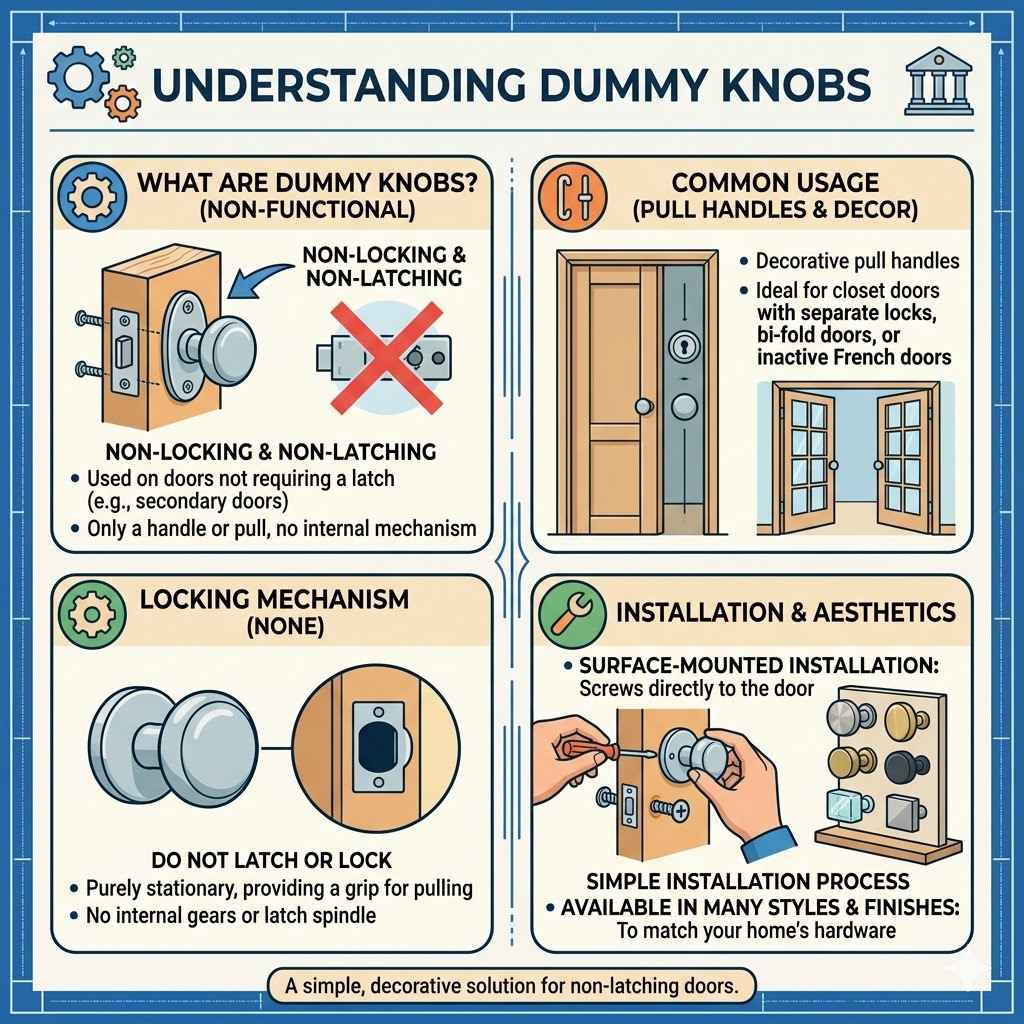
Dummy knobs are non-locking and are typically used on doors that don’t require latching, such as the inside of a closet door that has a separate deadbolt, or on French doors where you only need a pull handle. They have a knob on one or both sides but no mechanism to operate a latch.
- Usage: Used for decorative purposes or as pull handles on doors that do not latch, like closet doors with separate locks or bi-fold doors.
- Locking Mechanism: None. They do not latch or lock.
- Installation: Usually attached with screws directly to the door surface.
- Aesthetic: Available in various styles and finishes to match other hardware in your home.
Frequently Asked Questions
Question: Do I need a special drill bit to install a Kwikset door knob
Answer: No, for most Kwikset door knob installations, you will not need special drill bits. Standard drill bits are typically used only if you need to create new holes for the knob or latch mechanism, which is uncommon when replacing an existing one. The screws included usually only require a screwdriver.
Question: How do I know if my Kwikset door knob is installed correctly
Answer: A correctly installed Kwikset door knob will turn smoothly without sticking. The latch should retract fully when the knob is turned and extend fully when released, engaging properly with the strike plate. The knob should also feel secure and not wobble excessively.
Question: Can I install a Kwikset door knob on a metal door
Answer: Yes, you can install a Kwikset door knob on a metal door, provided the door is pre-drilled with the correct sized holes for the knob and latch mechanism. Metal doors might require different screw lengths or pilot holes to prevent damage.
Question: What is the difference between a Kwikset knob and a lever
Answer: A Kwikset knob is typically a round or oval-shaped handle that you grasp and turn. A Kwikset lever is a handle that you push down. Levers are often easier to operate, especially for individuals with limited hand strength or mobility.
Question: My Kwikset knob feels loose what should I do
Answer: If your Kwikset knob feels loose, the most common reason is that the mounting screws are not tight enough or are unevenly tightened. Try gently tightening them further, alternating between the screws. Ensure the spindle is properly seated within both knob assemblies.
Summary
This guide walked you through How to Install a Kwikset Door Knob Step-by-Step. You learned to gather tools, remove the old knob, install the new one, and test its function. We covered common issues and different Kwikset knob types.
You can confidently install your new door knob.